
-
 Tel:86-15176910262
-

Search
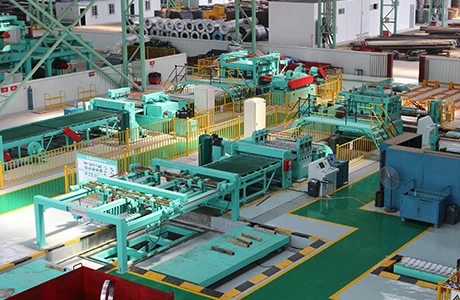

Automatic Flying Cold Saw: Precision, Burr-Free Cutting
Sep . 14, 2025 11:40
Elevating Precision in Tube Manufacturing: The Advanced flying cold saw
The continuous evolution of tube and pipe manufacturing demands unparalleled precision, efficiency, and safety. Central to achieving these benchmarks is the sophisticated technology of the flying cold saw. Unlike traditional hot cutting methods, this innovative machine performs a synchronized, burr-free cut on continuously moving pipes or tubes, eliminating the need for production halts. This not only significantly boosts throughput but also delivers superior cut quality, free from thermal distortion or metallurgical changes. As a result, the demand for high-performance flying cold saw solutions is witnessing substantial growth across various industrial sectors.
Key Industry Trends Driving Adoption
- Automation and Digitalization: The integration of advanced CNC systems and IoT capabilities allows for precise control, remote monitoring, and predictive maintenance, enhancing operational efficiency and reducing human error.
- Emphasis on Energy Efficiency: Modern flying cold saw machines are designed to minimize power consumption through optimized motor designs and intelligent control algorithms, aligning with global sustainability initiatives.
- Demand for Higher Precision: Industries like automotive, aerospace, and oil & gas require extremely tight tolerances for tube cutting. Cold cutting technologies deliver the burr-free, clean edges necessary for subsequent processing without additional finishing.
- Material Versatility: The ability to effectively cut a wide range of materials, including carbon steel, stainless steel, and various alloys, without compromising cut quality is crucial for diversified manufacturing operations.
The market for flying cut off machine technology is projected to grow significantly, driven by these trends and the relentless pursuit of operational excellence in tube and pipe production.
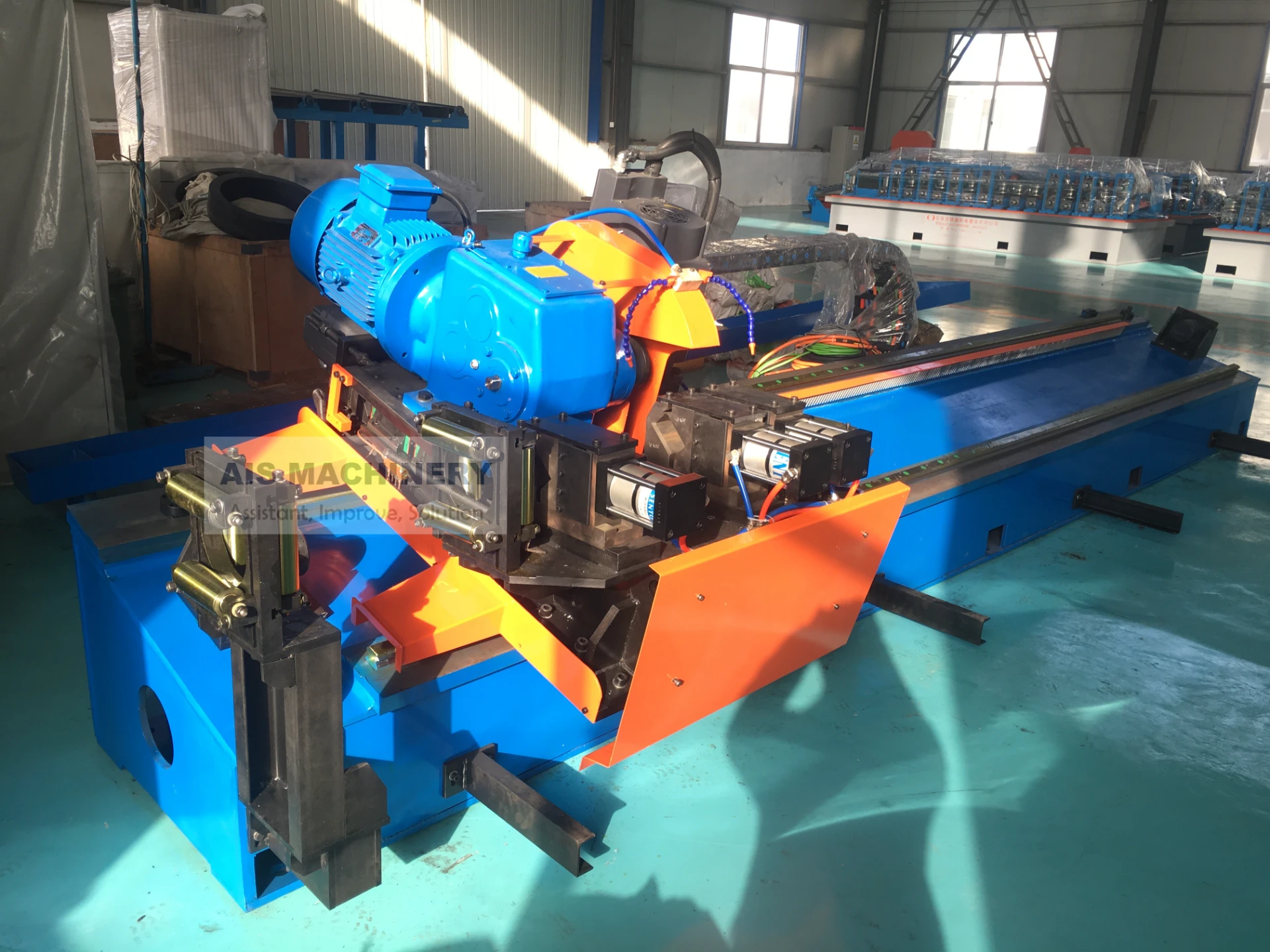
The Manufacturing Process of a Flying Cold Saw
The creation of a high-performance flying cold saw involves a meticulous process, from material selection to rigorous testing, ensuring its longevity and precision in demanding industrial environments.
Detailed Process Flow:
- Design and Engineering: Utilizing CAD/CAM software for precise component design. Focus on minimizing vibration and ensuring kinematic accuracy for the synchronized movement of the saw carriage with the moving pipe.
- Material Selection and Preparation:
- Structural Components: High-grade structural steel (e.g., Q345B or equivalent international standards) for the main frame and carriage to ensure rigidity and stability.
- Wear Parts: Special alloy steels, often heat-treated, for guides, clamping mechanisms, and critical bearing surfaces to withstand continuous motion and load.
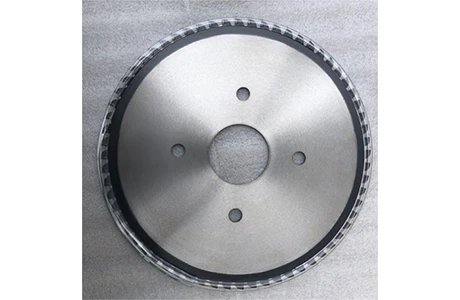
- Saw Blades: High-Speed Steel (HSS) or Carbide Tipped (TCT) blades, specifically designed for cold cutting applications, ensuring minimal material loss and maximum tool life.
- Precision Machining:
- CNC Machining: Components such as saw carriage bodies, clamping jaws, and gearboxes are precisely machined on multi-axis CNC machines to achieve micron-level tolerances. This ensures smooth operation and alignment.
- Grinding: Critical surfaces are precision-ground to enhance flatness and parallelism, crucial for the machine's overall accuracy and stability.
- Heat Treatment: Key components undergo controlled heat treatment processes (e.g., carburizing, quenching, tempering) to achieve desired hardness, wear resistance, and toughness.
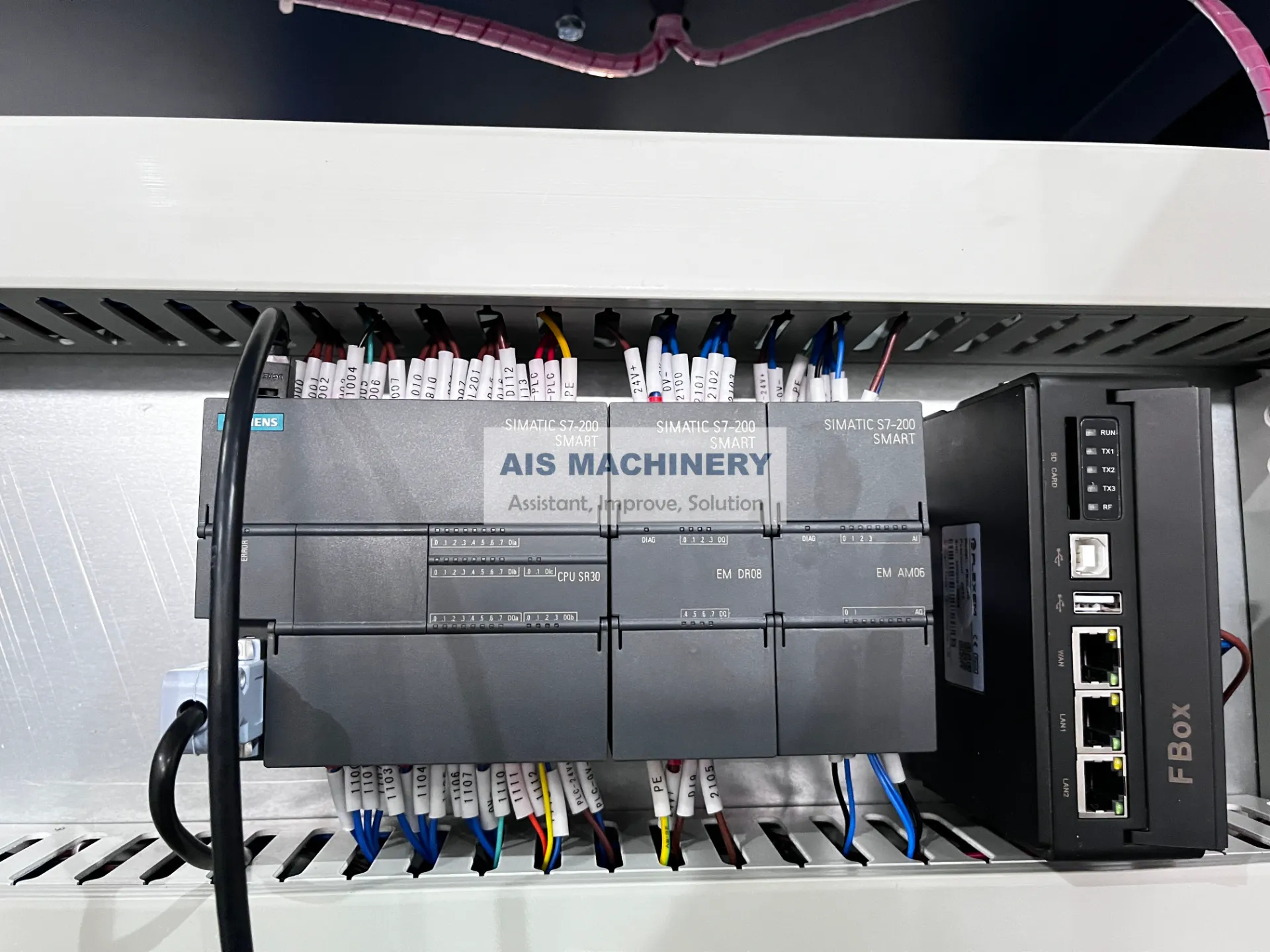
- Assembly and Integration: Skilled technicians assemble the mechanical components, integrating electrical systems, hydraulic/pneumatic actuators, and the sophisticated CNC control unit (e.g., Siemens, Mitsubishi, or customized PLC systems).
- Calibration and Alignment: Each machine undergoes rigorous calibration using laser alignment systems to ensure perfect synchronization between the saw carriage and the tube mill's line speed, as well as precise blade positioning.
- Quality Control and Testing Standards:
- Functional Testing: Comprehensive tests are performed under various operating conditions, including maximum speed and capacity, to verify performance.
- Cut Quality Analysis: Samples are taken and analyzed for burr formation, perpendicularity, and dimensional accuracy.
- Vibration and Noise Analysis: Ensuring operational smoothness and compliance with safety standards.
- Compliance: Machines are built to meet international standards such as ISO 9001 (Quality Management), CE marking (European conformity), and often ANSI (American National Standards Institute) or relevant national electrical codes.
The typical service life of a well-maintained cold cut saw can exceed 15-20 years, thanks to robust design and quality components. Target industries include: Petrochemical (pipelines), Metallurgy (steel and non-ferrous tubes), Automotive (exhaust systems, structural components), Water Supply & Drainage (large diameter pipes), Construction, and HVAC.
Advantages in Typical Application Scenarios:
- Energy Saving: Compared to abrasive or hot cutting, cold cutting uses less power, particularly when integrated with modern servo drives. This translates to reduced operational costs.
- Corrosion Resistance (for cut material): The absence of a heat-affected zone means the inherent corrosion resistance of the parent material is preserved, critical for stainless steel and alloy pipes used in corrosive environments.
- Superior Finish: Cuts are clean, square, and burr-free, often eliminating secondary deburring operations and preparing the pipe directly for welding or threading.
- Safety: No sparks or molten metal splatter, significantly improving workshop safety.
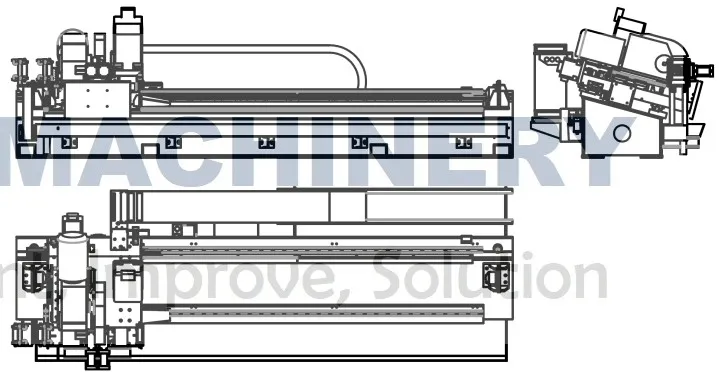
Technical Specifications: Cold Cutting Flying Saw Machine
Understanding the technical parameters of a flying cut off saw is crucial for matching machine capabilities to production requirements. The following table outlines typical specifications for high-performance models.
| Parameter | Specification Range | Notes / Impact on Performance |
|---|---|---|
| Pipe Diameter Range (OD) | Min. Ø10mm - Max. Ø325mm (or larger for heavy-duty) | Determines versatility for various tube/pipe sizes. |
| Wall Thickness Range | 0.5mm - 12mm (or more for heavy-wall pipes) | Indicates machine's capacity for light to heavy gauge materials. |
| Cutting Speed (Line Speed) | Up to 120 m/min (material dependent) | Crucial for production throughput; synchronized with mill speed. |
| Saw Blade Diameter | Ø250mm - Ø600mm | Impacts cutting capacity and blade life. Larger blades for larger diameters. |
| Cutting Accuracy | Length tolerance: ±1mm (or better for precision applications) | Essential for subsequent processes like welding or bending. |
| Main Motor Power | 15 kW - 45 kW (or higher for large-scale operations) | Provides cutting torque; affects material cutting capability. |
| Servo Drive Power | 5.5 kW - 18 kW (for carriage synchronization) | Ensures precise speed matching with the tube mill. |
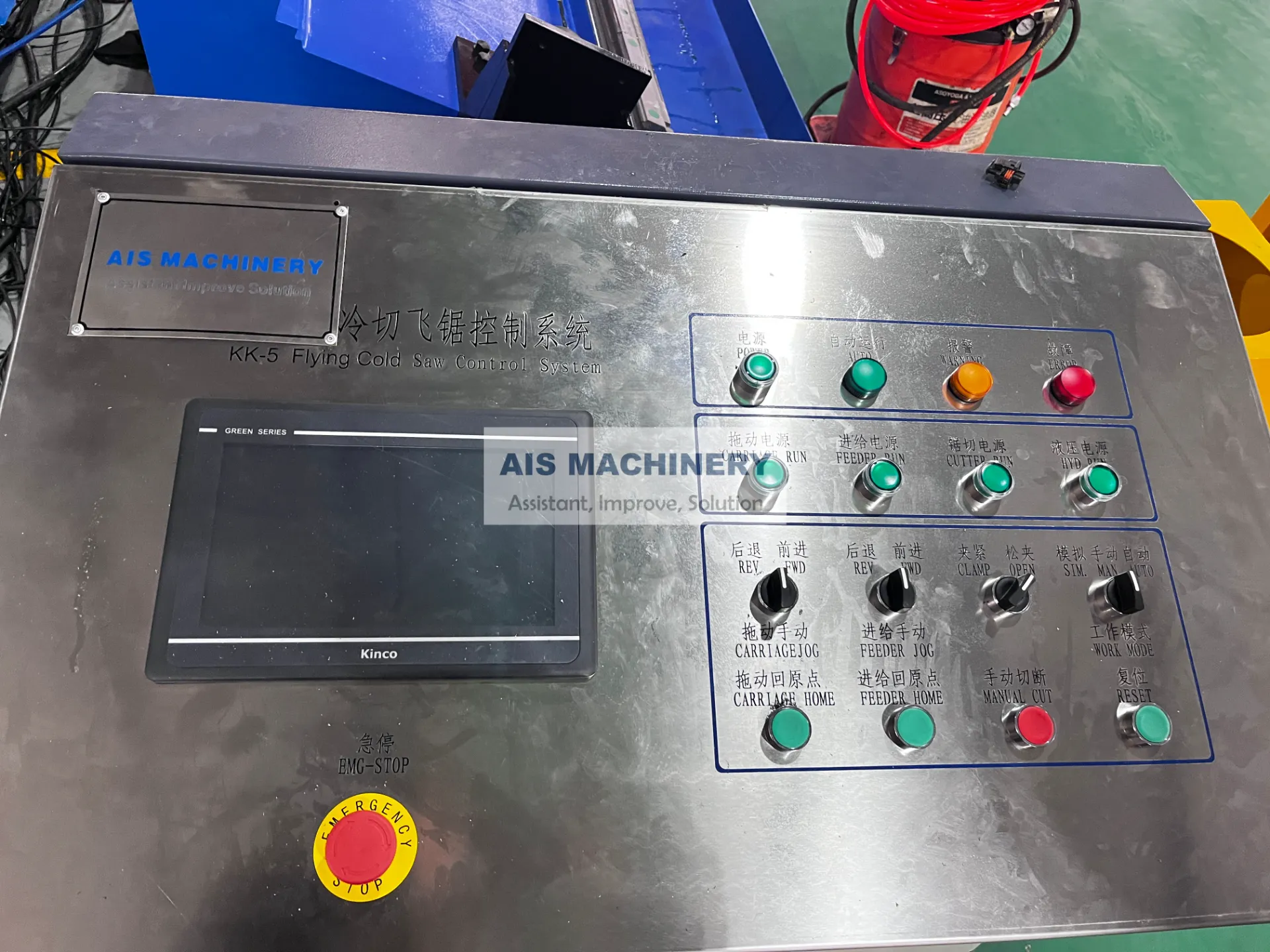
| Control System | Siemens S7, Mitsubishi PLC, or equivalent with HMI | Offers advanced control, diagnostics, and user interface. |
| Clamping Method | Hydraulic/Pneumatic clamping with V-blocks or custom jaws | Ensures secure, non-slip clamping during cutting. |
| Cooling System | Mist spray or flood coolant system | Extends blade life and improves cut quality. |
These specifications highlight the engineering complexity and precision inherent in modern cold cutting saw technology. Manufacturers must carefully assess their production line requirements to select a machine that offers the optimal balance of capacity, accuracy, and operational efficiency.
Application Scenarios and Technical Advantages
The versatility and technical superiority of the flying cold saw make it an indispensable asset across a spectrum of industrial applications where high-quality tube and pipe cutting is paramount.
Key Application Scenarios:
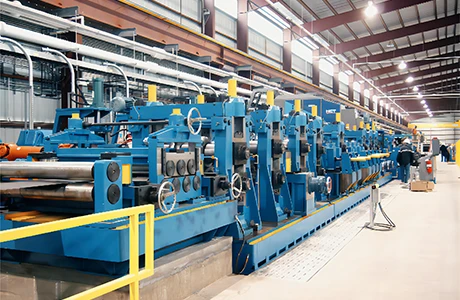
- Tube and Pipe Mills: Integrated directly into continuous production lines for cutting welded or seamless pipes to precise lengths without stopping the mill. This is its primary and most impactful application.
- Automotive Industry: Production of exhaust pipes, chassis components, roll cages, and structural parts where burr-free cuts are crucial for robotic welding and assembly.
- Construction & Infrastructure: Cutting of structural tubing for scaffolding, support frames, and architectural elements, requiring clean and strong joints.
- HVAC Systems: Fabrication of ducts and conduits, where clean cuts minimize air leakage and simplify installation.
- Furniture Manufacturing: Precise cutting of metal tubing for frames, ensuring aesthetic appeal and structural integrity.
- Fitness Equipment Production: Demanding accurate cuts for seamless assembly and durability.
Technical Advantages:
- Burr-Free Cutting: The principal advantage. Cold cutting prevents the formation of burrs and sharp edges, significantly reducing or eliminating secondary deburring operations. This results in cost savings and faster processing.
- No Heat Affected Zone (HAZ): Unlike abrasive or plasma cutting, the cold cutting process generates minimal heat, preserving the metallurgical integrity and mechanical properties of the material near the cut edge. This is vital for high-strength alloys and materials sensitive to thermal distortion.
- High Precision and Accuracy: Modern CNC-controlled flying cut off machine systems offer superior length accuracy (often ±0.5mm to ±1mm) and perpendicularity, ensuring parts meet stringent design specifications.
- Reduced Noise and Dust: Compared to abrasive saws, cold saws operate at significantly lower noise levels and produce fewer airborne particulates, contributing to a cleaner and safer working environment.
- Extended Tool Life: Optimized blade geometry, precise feed rates, and efficient cooling systems contribute to longer saw blade life, reducing consumable costs and downtime for blade changes.
- Energy Efficiency: Advances in servo motor technology and intelligent control systems have made cold cutting more energy-efficient than traditional methods, leading to lower operating expenses.
Vendor Comparison and Customized Solutions
Selecting the right cold cutting saw vendor is a strategic decision that impacts long-term operational efficiency and profitability. Key factors include technical capability, support, and customization options.
Product Comparison Table: Leading Flying Cold Saw Features
| Feature/Criterion | Vendor A (Standard) | Vendor B (Premium) | Our Solution (AIST) |
|---|---|---|---|
| Max. Line Speed (m/min) | 80 | 100-120 | Up to 120 (Optimized for high-speed mills) |
| Length Accuracy (mm) | ±1.5 | ±1.0 | ±0.5 - ±1.0 (Configurable to needs) |
| Control System | Basic PLC | Siemens/Mitsubishi advanced PLC | Siemens S7-1500 / Mitsubishi Q-Series (Enhanced diagnostics & HMI) |
| Synchronization Method | Encoder-based | High-res encoder + Servo drive | Real-time optical sensor + Servo control (Superior precision) |
| Automation Level | Semi-automatic adjustments | Automatic length/speed setup | Full Automation with integrated line control & diagnostics |
| Blade Change Time | ~30-45 minutes | ~20-30 minutes | <15 minutes (Quick-change mechanism) |
| Energy Consumption | Standard | Optimized | Highly Optimized (Energy recovery options available) |
| After-Sales Support | Local agent | Regional support team | Global 24/7 remote & on-site support (Dedicated engineers) |
Customized Solutions for Unique Production Needs:
Every tube mill operates with specific requirements concerning pipe diameter, wall thickness, material type, line speed, and desired cut lengths. A one-size-fits-all approach is rarely optimal. We specialize in providing bespoke cold cutting flying saw solutions tailored to our clients' precise operational parameters. This includes:
- Integrated Line Control: Seamless integration with existing mill control systems for synchronized operation, data exchange, and holistic production management.
- Specialized Clamping Systems: Development of custom clamping jaws or mechanisms for sensitive materials, irregular profiles, or extremely large/small pipe diameters.
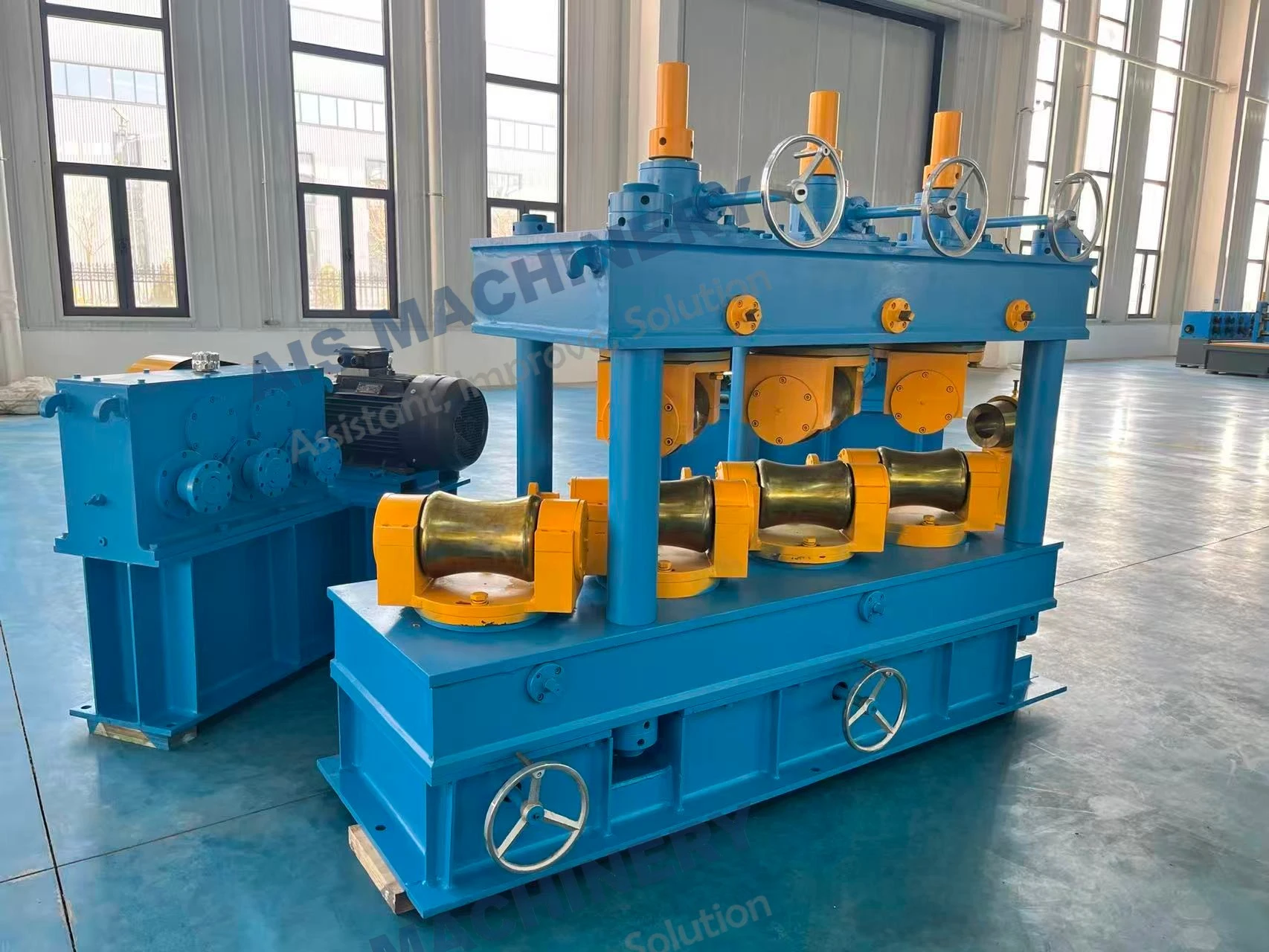
- Material Handling Solutions: Integration with upstream and downstream equipment such as uncoilers, leveling machines, stacking, and bundling systems to create a fully automated production line.
- Advanced HMI & Software: Development of intuitive human-machine interfaces (HMI) with custom reporting, diagnostic tools, and predictive maintenance features specific to client operational workflows.
- Environmental Adaptations: Design modifications for challenging operating environments, such as extreme temperatures, high humidity, or dusty conditions.
Application Case Study: High-Volume Stainless Steel Tube Mill
Client: A leading manufacturer of high-precision stainless steel tubes for medical and aerospace applications.
Challenge: The client's existing hot saw system caused significant burr formation and a heat-affected zone on their thin-wall stainless steel tubes (Ø20-76mm, 0.8-3mm wall thickness). This necessitated extensive secondary processing, impacting production speed and increasing material scrap rates. They required a solution that could handle high line speeds (up to 90 m/min) with superior cut quality.
Solution: We designed, manufactured, and integrated a custom flying cold saw solution equipped with a high-frequency servo-driven carriage and a specialized mist cooling system. The system featured precision carbide-tipped blades and an advanced optical length measurement system to ensure sub-millimeter accuracy. The control system was fully integrated with their existing mill PLC for seamless operation.
Results:
- Elimination of Burrs: The tubes were consistently produced with clean, burr-free ends, completely eliminating the need for deburring.
- Increased Throughput: Production speed increased by 25% due to the continuous, uninterrupted cutting process.
- Reduced Scrap Rates: Material waste due to poor cut quality or thermal distortion decreased by over 15%.
- Improved Product Quality: Maintaining the metallurgical properties of stainless steel, critical for their demanding applications.
- Cost Savings: Significant reduction in labor, consumables, and energy consumption.
Trustworthiness: FAQ, Lead Time, Warranty & Support
Frequently Asked Questions (FAQ)
-
Q: What types of materials can your flying cold saw cut effectively?
A: Our machines are engineered to cut a wide range of materials including carbon steel, stainless steel, galvanized steel, and various non-ferrous alloys. Specific blade selection and machine configuration are tailored to the material.
-
Q: How does the cold cutting process compare to friction or abrasive cutting?
A: Cold cutting produces clean, burr-free cuts with no heat-affected zone, maintaining the material's integrity. Friction/abrasive cutting generates significant heat, leading to burrs, discoloration, and potential metallurgical changes, often requiring secondary operations.
-
Q: What is the typical lifespan of the saw blades?
A: Blade life is highly dependent on the material, wall thickness, cutting speed, and proper maintenance. With optimal usage and appropriate blade selection, our TCT (Tungsten Carbide Tipped) blades can last for tens of thousands of cuts before resharpening or replacement.
-
Q: Is your equipment compliant with international safety standards?
A: Absolutely. All our Cold Cutting Flying Saw Machines are designed and manufactured in strict compliance with CE safety standards and can be adapted to meet other regional standards like ANSI upon request. We prioritize operator safety through robust guarding and emergency stop systems.
Lead Time and Fulfillment
Our lead times are carefully managed to ensure timely delivery without compromising on quality. For standard configurations of our Cold Cutting Flying Saw Machine, typical lead times range from 12 to 16 weeks from the confirmation of order. For highly customized solutions, the lead time may extend to 18-24 weeks, depending on the complexity of engineering and component sourcing. We provide transparent project timelines and regular updates throughout the manufacturing process.
Warranty Commitments
We stand by the quality and reliability of our B2B equipment. All new Cold Cutting Flying Saw Machines come with a comprehensive 12-month warranty on all mechanical, electrical, and control system components, commencing from the date of installation or 18 months from shipment, whichever comes first. This warranty covers defects in materials and workmanship under normal operating conditions. Extended warranty options are also available.
Customer Support and After-Sales Service
Our commitment to our clients extends far beyond the sale. We offer robust after-sales support designed to minimize downtime and maximize the performance of your flying cut off machine.
- 24/7 Technical Hotline: Access to expert technicians for immediate troubleshooting and guidance.
- Remote Diagnostics: Our advanced control systems allow for remote access and diagnosis, enabling quick identification and resolution of software or control-related issues.
- On-Site Service: A global network of experienced service engineers available for on-site installation, commissioning, maintenance, and repair.
- Spare Parts Availability: A comprehensive inventory of genuine spare parts ensures rapid delivery and minimal operational disruption.
- Training Programs: Comprehensive training for your operational and maintenance staff, ensuring optimal machine utilization and preventative care.
Authoritative References
- ISO 9001:2015 - Quality management systems - Requirements. International Organization for Standardization.
- ASTM A1007/A1007M - Standard Specification for Cold-Formed Welded Carbon Steel Tubing for Pressure Applications. ASTM International.
- European Standard EN 10219-1:2006: Cold formed welded structural hollow sections of non-alloy and fine grain steels. European Committee for Standardization.
- Schuler, G. (2018). Manufacturing Technology for the Tube and Pipe Industry. Springer International Publishing.
- Kalpakjian, S., & Schmid, S. R. (2014). Manufacturing Engineering and Technology. Pearson.

Related Products

Related News
2027-04-24 00:00:00
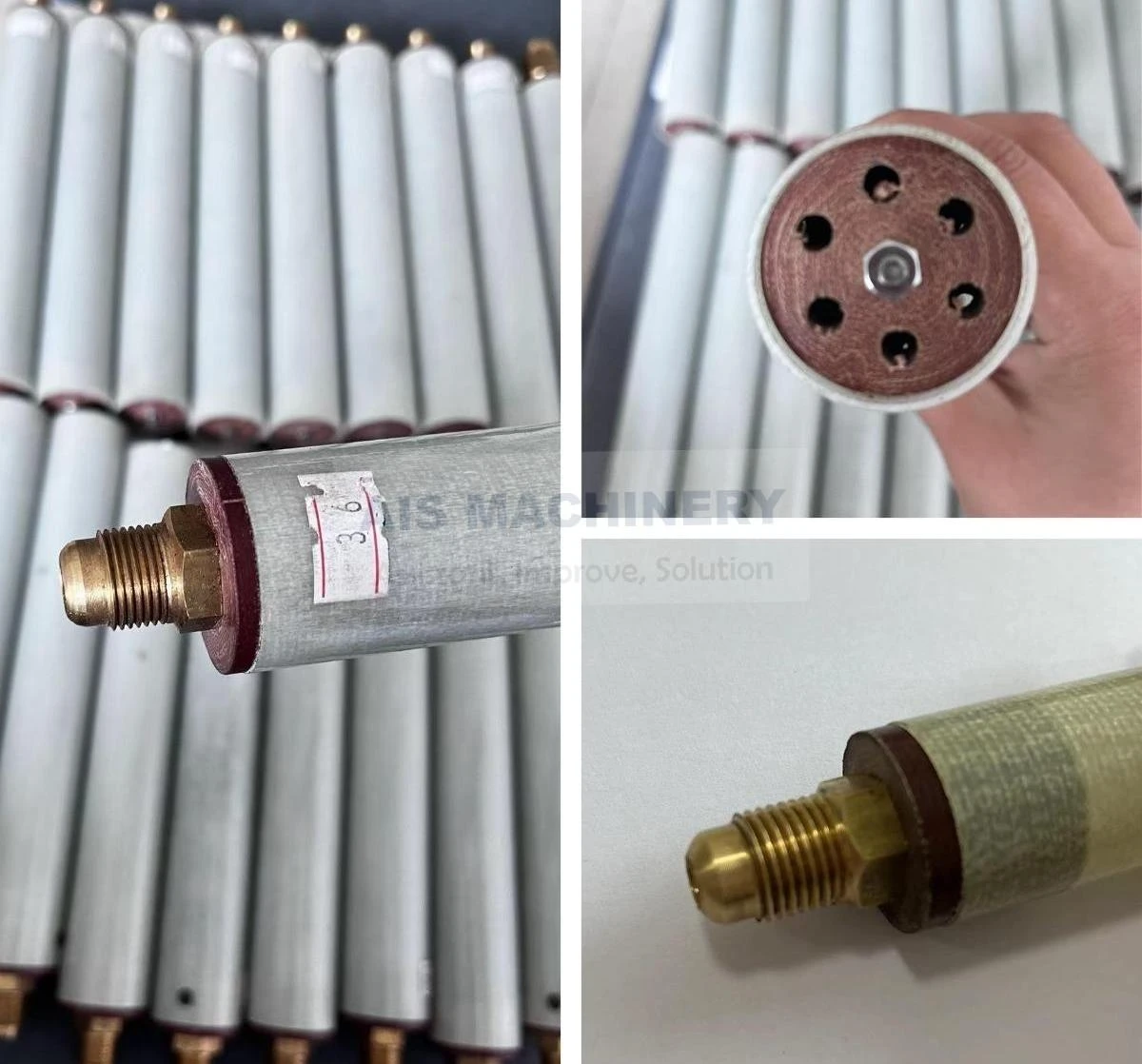
What is an Impeder and Ferrite Rods in ERW Tube Mill?
Struggling with impeder overheating or short service life in your ERW tube mill? This guide explains common impeder problems, the role of ferrite rods, and how to choose the right impeder for stable welding performance. Improve weld quality, reduce energy loss, and extend equipment lifespan with the right selection and proper cooling solutions.
2026-04-21 10:22:25
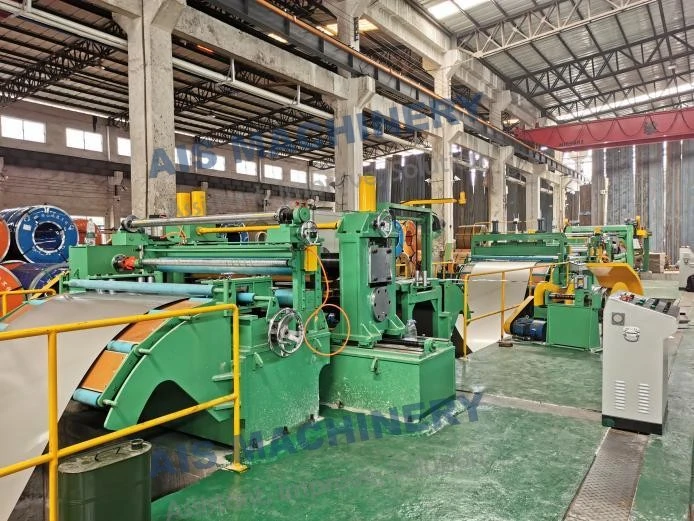
Slitting & Cut-to-Length Combined Production Line: A Smarter Way to Process Steel Coils
Discover the Slitting & Cut-to-Length Combined Production Line, a flexible solution for steel coil processing. This system integrates slitting line and cut-to-length line functions in one machine, saving space, reducing costs, and improving efficiency. Ideal for processing both steel strips and sheets, it is widely used in service centers and manufacturing industries. Learn its advantages, limitations, and applications.
2026-04-18 03:20:20
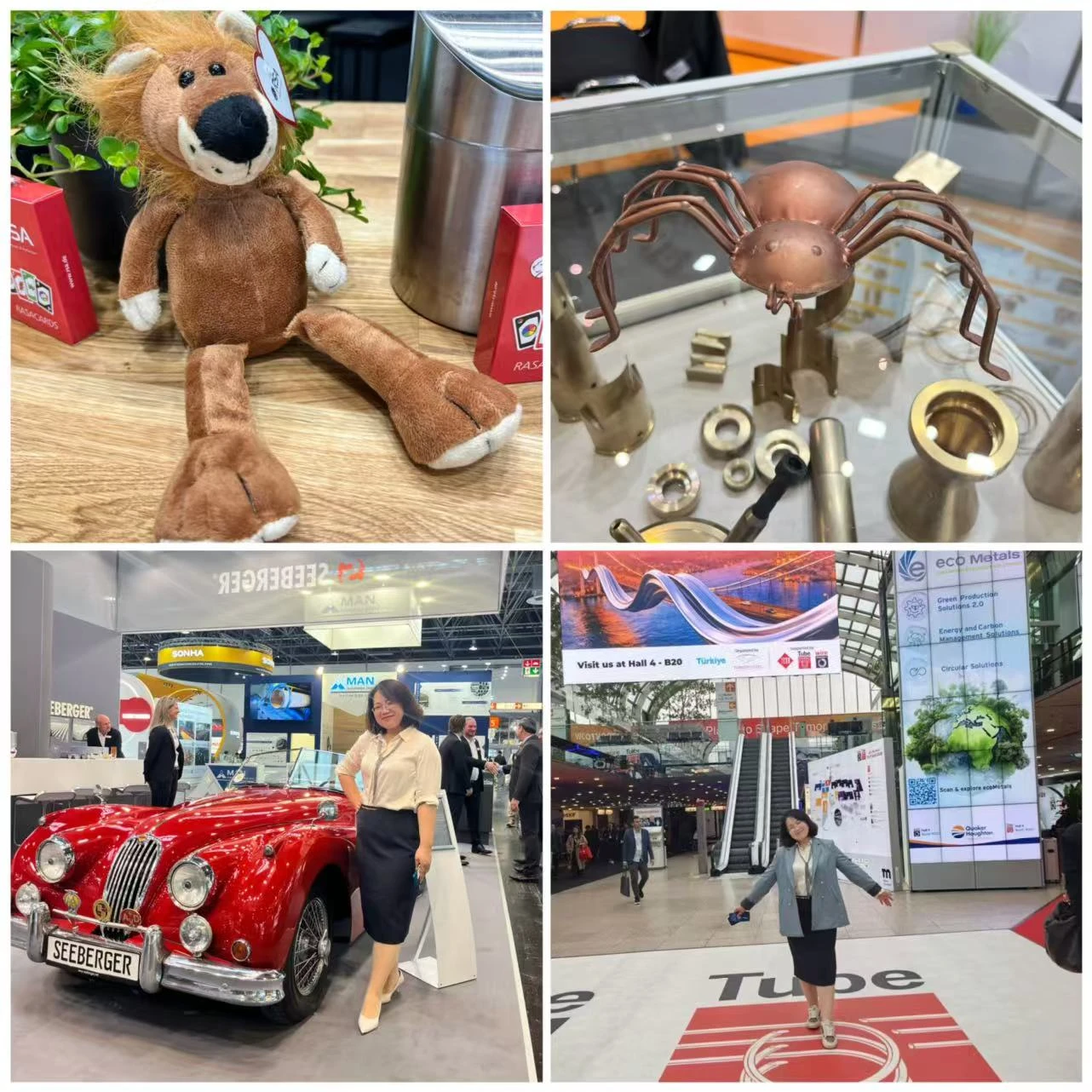
AIS Machinery Showcases Advanced Tube Solutions at Tube & Wire Düsseldorf 2026
Tube & Wire Düsseldorf 2026, one of the most influential exhibitions in the global tube and wire industry, held biennially in Düsseldorf, Germany
2026-04-17 00:00:00
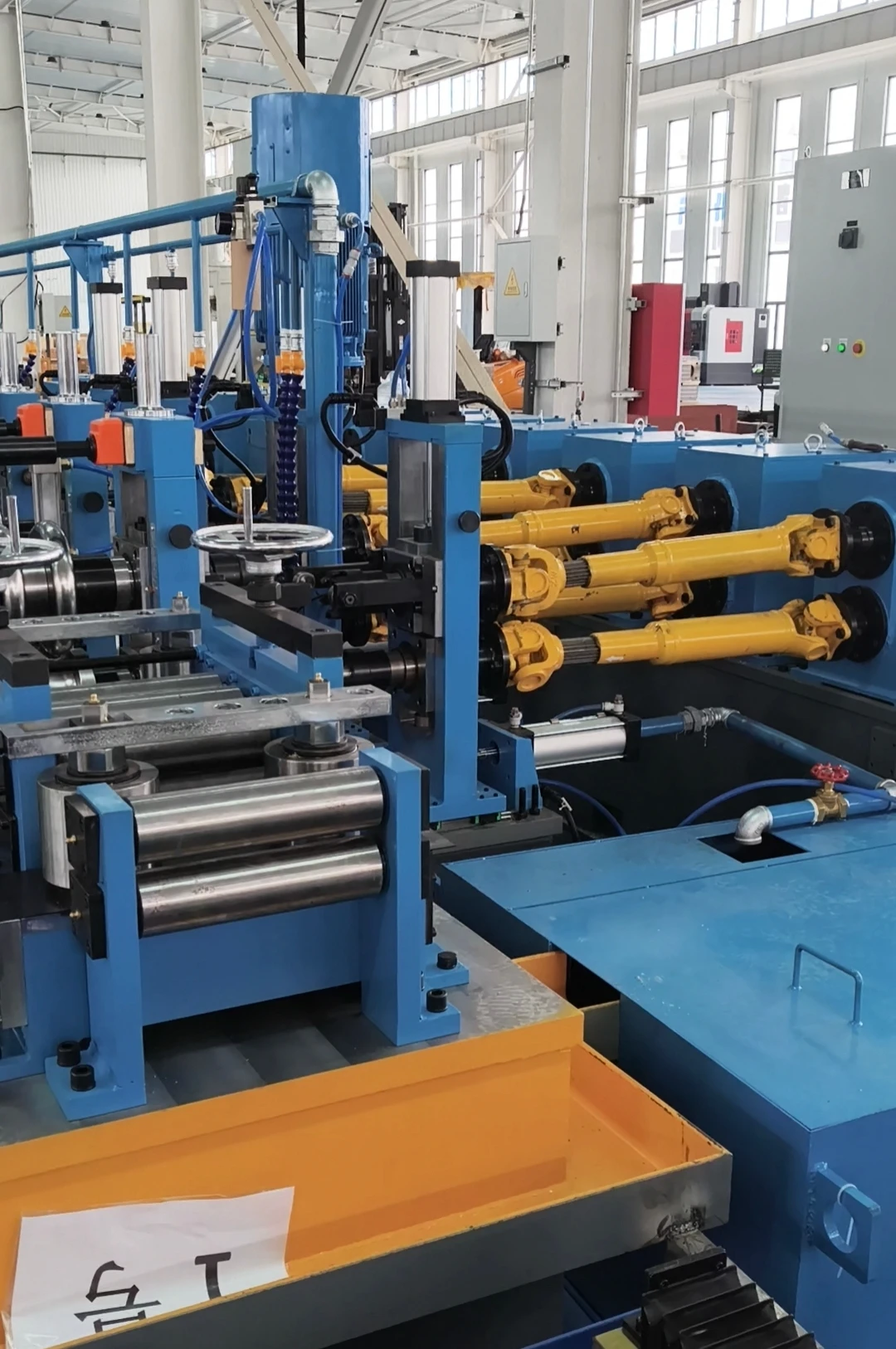
Southeast Asia Client Visits Our Factory | Customized Tube Mill Solution Delivered
A Southeast Asia client visited our ERW tube mill factory to inspect production lines and discuss a customized tube mill solution. Impressed by our machine quality, welding performance, and engineering support, the client confirmed strong cooperation intentions. Discover how our ERW tube mill solutions improve efficiency, precision, and long-term production reliability.
2026-04-15 10:37:55
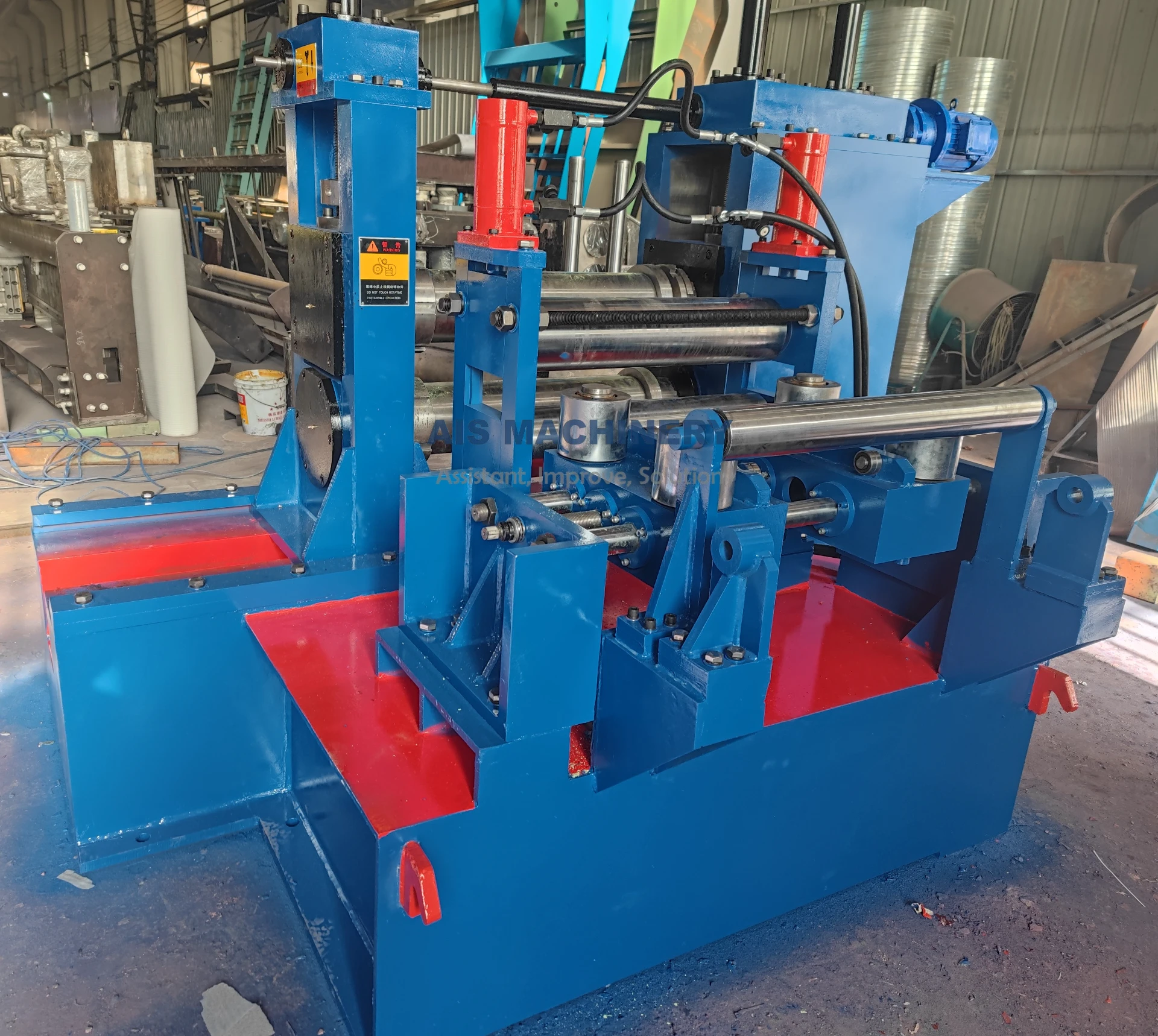
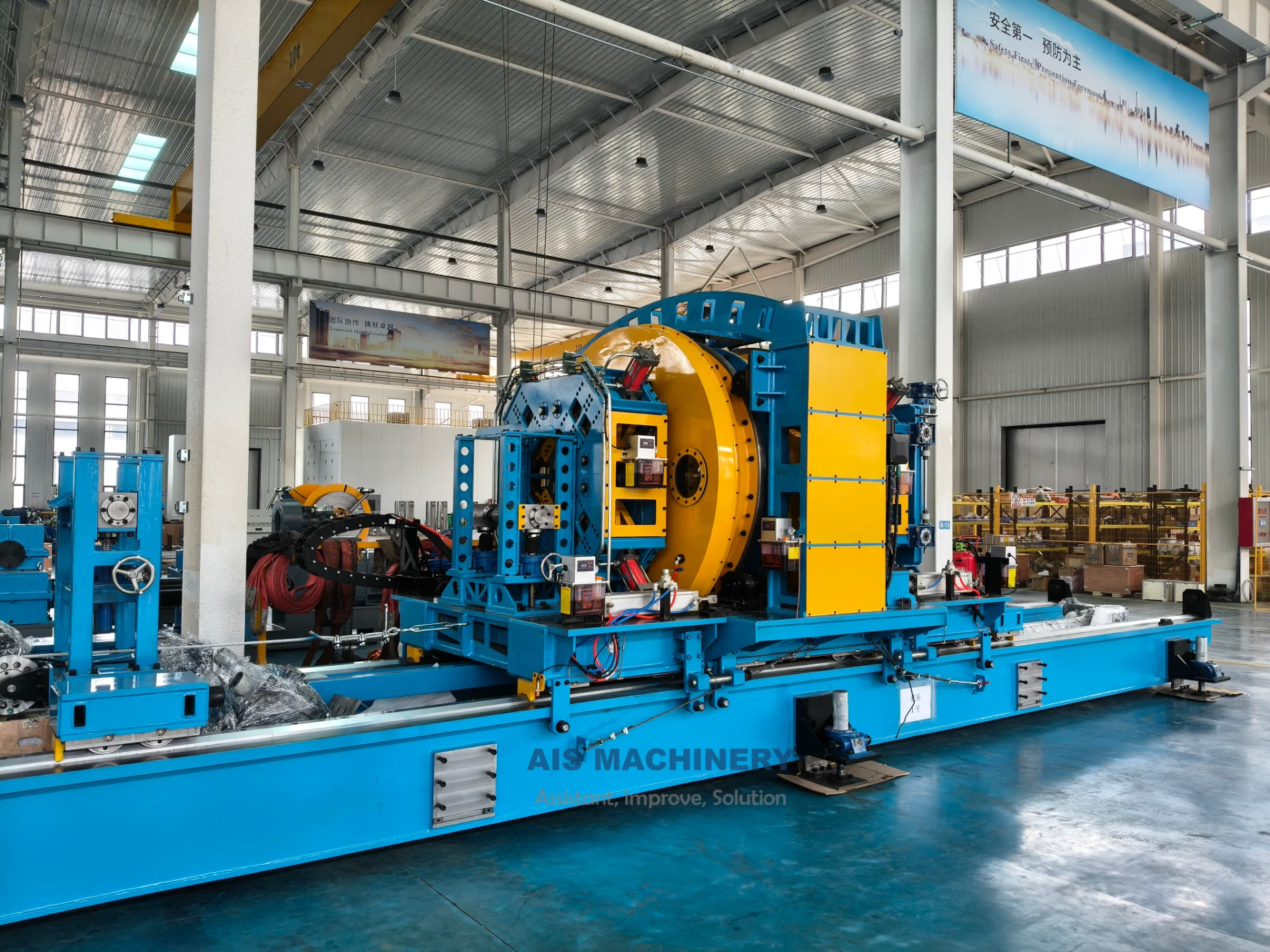
Flat Bar Production Line for Steel Coils: How It Works & Why It Matters
Looking for a flat bar production line? Learn how it turns steel coils into ready-to-use flat bars with precise length and high straightness. Compare it with slitting lines and get the best solution for your steel processing needs.
2026-04-14 00:00:00
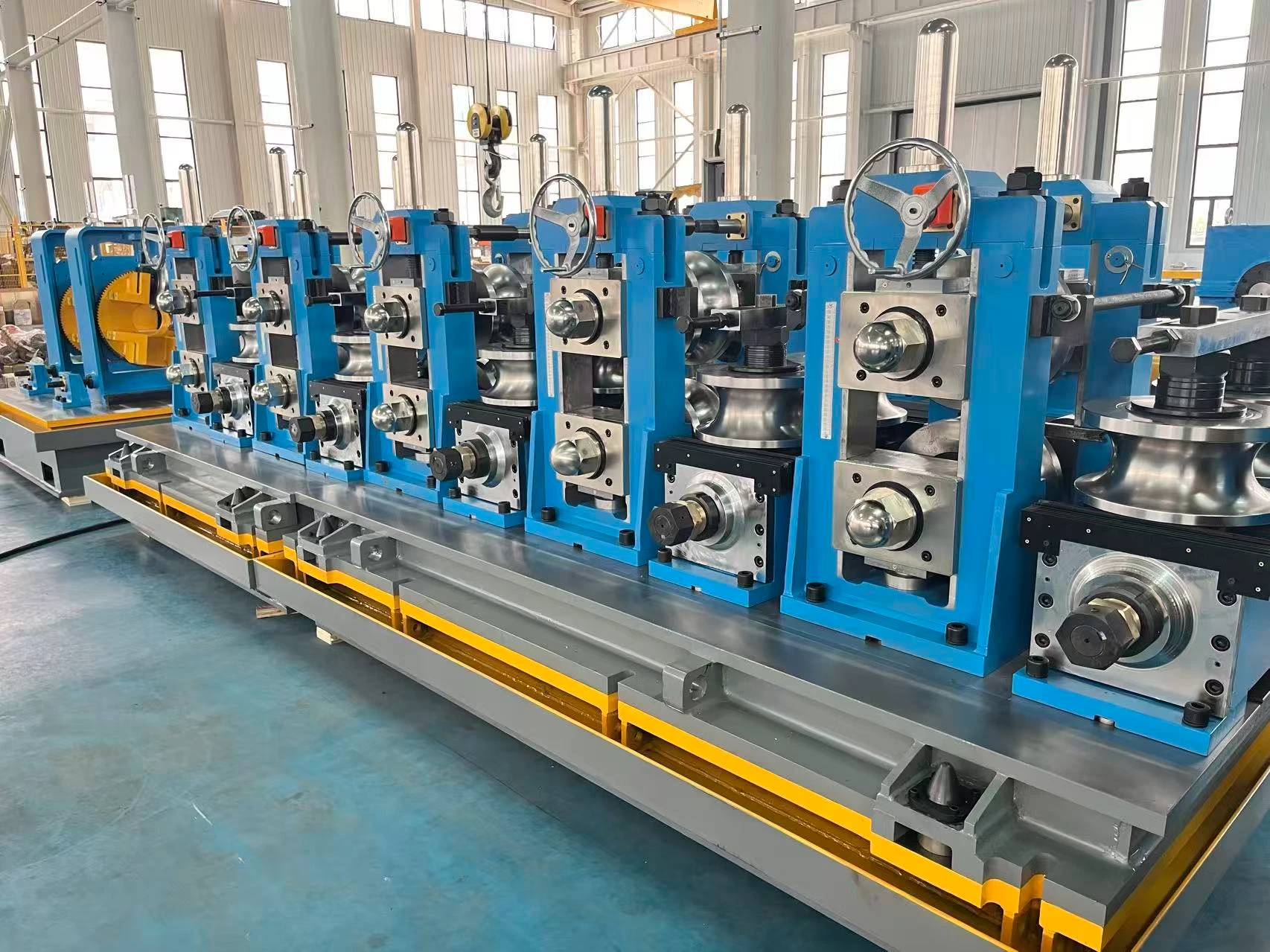
Looking for a Milling Saw for ERW Tube Mill? Here’s What You Need to Know
Looking for a high-performance milling saw for your ERW tube mill? Upgrade to burr-free, high-precision pipe cutting with advanced flying saw technology. Improve efficiency, reduce rework, and meet export standards for carbon steel, stainless steel, and API pipes. Contact us today for expert solutions and competitive pricing tailored to your production needs.
2026-04-09 16:15:19
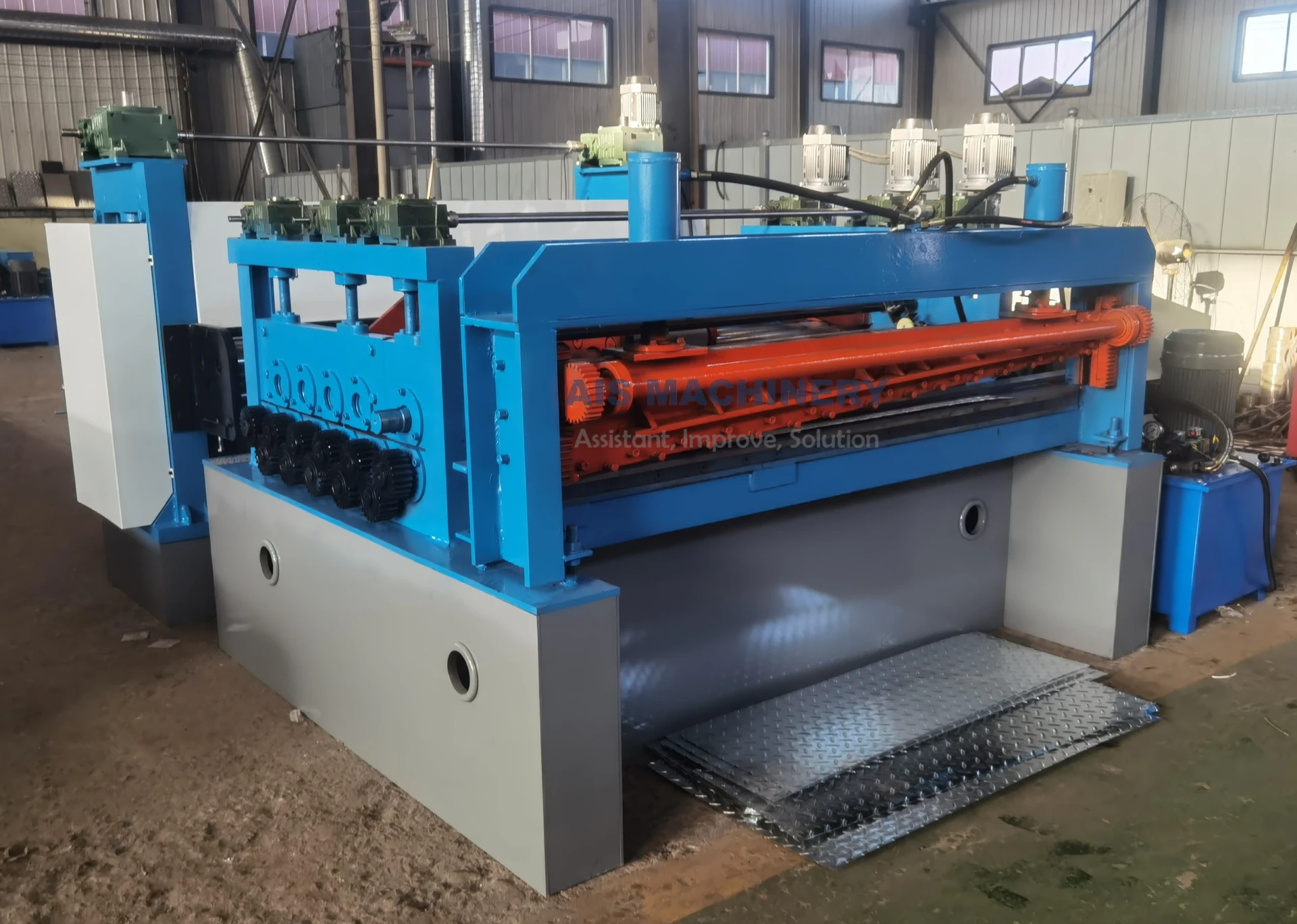
5-Inch (127mm) ERW Tube Making Machine Delivered with Heavy-Duty Design and Advanced Quick Change System
2027-04-07 00:00:00
Metal Embossing Machine: Turn Flat Sheets into High-Value Textured Products
Discover how a metal embossing machine transforms flat steel, stainless steel, and aluminum sheets into high-value textured products. Learn about its working principle, key components, and applications. Ideal for decorative and industrial use, embossing machines improve both appearance and performance. Explore complete embossing line solutions and find the right machine for your production needs.
Send a Message
Dear customer, thank you for your attention! We provide high-quality machinery and equipment and look forward to your orders. Please inform us of your needs and we will respond quickly!
 English
  Albanian
  Arabic
  French
  German
  Indonesian
  Italian
  Japanese
  Kazakh
  Korean
  Latin
Latin  Macedonian
  Portuguese
  Russian
  Spanish
  Thai
Thai  Turkish
  Ukrainian
  Uzbek
Uzbek