
-
 Tel:86-15176910262
-

Search

Precision Scrape Burr Removal: Carbide Inserts & OD Scarfing
Sep . 13, 2025 11:20
Understanding the Critical Role of Outside Scarfing Inserts in Tube Manufacturing
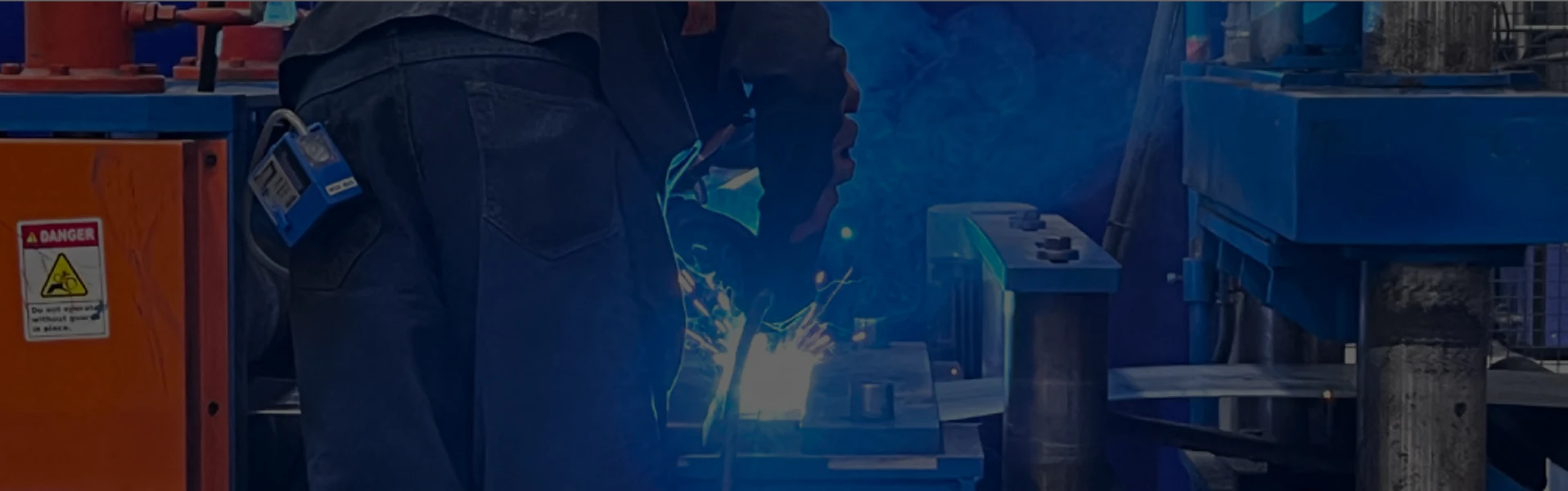
In the demanding world of tube and pipe manufacturing, the pursuit of precision and surface integrity is paramount. A common challenge encountered during the welding process of longitudinally welded tubes is the formation of a weld bead, which often includes a prominent external protrusion or flash. The effective removal of this excess material is crucial for subsequent processing steps, aesthetic appeal, and the overall structural integrity of the finished product. This removal process, particularly for the external weld bead, is achieved through a specialized operation known as outside scarfing, which aims to eliminate the scrape burr, ensuring a smooth, flush surface.
The industry landscape for tube and pipe production is continuously evolving, driven by stringent quality standards, increased automation, and the need for enhanced material performance. Modern trends emphasize improved productivity, reduced tooling costs, and superior surface finishes. This has led to significant advancements in tooling technology, particularly for od scarfing inserts. Manufacturers are increasingly seeking solutions that offer extended tool life, consistent performance, and the ability to handle a diverse range of materials from carbon steel to high-alloy stainless steels.
High-performance carbide insert technology is at the forefront of this evolution. These advanced cutting tools are specifically engineered to withstand the extreme conditions of high-speed weld bead removal, delivering the precision and durability required for seamless downstream operations. The focus is on materials like specialized tungsten carbides, often combined with advanced PVD or CVD coatings, which provide superior hardness, wear resistance, and thermal stability. The integration of these state-of-the-art carbide tools ensures that manufacturers can achieve higher production speeds, minimize downtime, and produce tubes that meet the most exacting specifications for various critical applications.
The Precision Manufacturing Process of Outside Scarfing Inserts
The production of high-performance outside scarfing inserts is a complex, multi-stage process that combines advanced material science with precision engineering. These inserts are typically fabricated from specialized tungsten carbide grades, selected for their exceptional hardness, wear resistance, and ability to maintain cutting edge integrity under high-temperature and high-stress conditions.
Process Flow Overview:
1. Raw Material Preparation
High-purity tungsten carbide powder (WC) mixed with cobalt (Co) binder and other alloying elements. Milled to achieve a homogeneous blend and fine particle size.
2. Pressing/Compacting
The blended powder is pressed into "green" compacts using hydraulic presses, forming the basic shape of the insert. This stage defines the initial geometry.
3. Sintering
Green compacts are sintered in vacuum furnaces at high temperatures (typically 1300-1600°C). This process densifies the material, creating a strong, hard metallic carbide structure.
4. Precision Grinding (CNC Machining)
After sintering, the inserts are precisely ground using multi-axis CNC machines equipped with diamond wheels. This achieves the intricate geometry, rake angles, and tight tolerances required for effective scrape burr removal.
5. Surface Treatment & Coating
Many inserts undergo advanced surface treatments or coatings (e.g., PVD or CVD of TiN, TiCN, AlTiN) to enhance hardness, lubricity, and wear resistance, significantly extending service life.
6. Quality Control & Testing
Each insert undergoes rigorous quality checks, including dimensional inspection (micrometers, optical comparators), hardness testing (Rockwell, Vickers), and microstructural analysis. Adherence to international standards like ISO and ANSI is strictly maintained.
The meticulous control over each stage ensures that the finished od scarfing inserts exhibit superior mechanical properties and consistent cutting performance. A typical service life for a high-quality carbide insert, when used under optimal conditions, can range from several hours to a full shift, significantly outperforming traditional HSS tools. This translates into less frequent tool changes and increased operational uptime.
Target industries benefiting from these advanced manufacturing techniques include petrochemical (for oil and gas pipelines), metallurgy (for structural and industrial tubing), and water supply & drainage (for durable piping systems). In these demanding environments, the superior material properties and precise geometry of these inserts offer significant advantages. For instance, the high wear resistance translates to energy saving by maintaining cutting efficiency longer, reducing the power needed for scarfing. Furthermore, advanced coatings provide enhanced corrosion resistance, crucial for applications involving corrosive media or extreme environmental exposure, thereby extending the life of the entire tubing system.
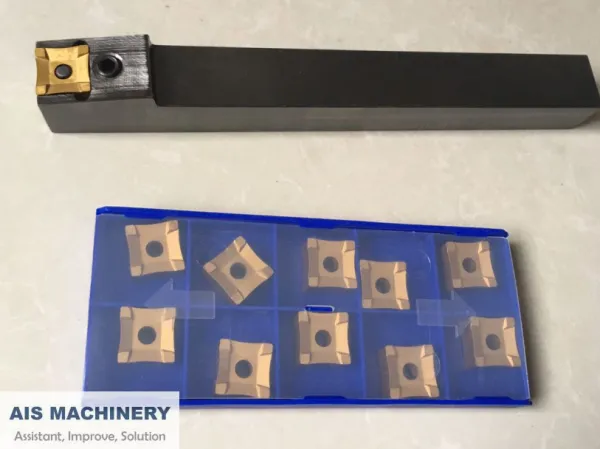
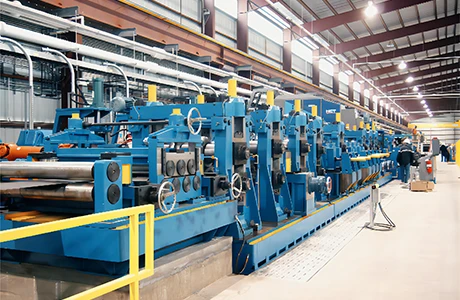
Figure 1: Illustration of the scrape burr removal process.
Technical Specifications and Performance Parameters of Carbide Inserts
The effectiveness of od scarfing inserts hinges on a precise combination of material composition, geometric design, and surface engineering. Understanding these technical specifications is crucial for selecting the optimal insert for specific tube manufacturing applications.
Key Parameters of Outside Scarfing Inserts:
| Parameter | Description / Typical Range | Impact on Performance |
|---|---|---|
| Material Grade | Micro-grain Tungsten Carbide (e.g., K10, K20, P30 equivalents). Cobalt content typically 6-12%. | Determines hardness, toughness, and wear resistance. K-grades for non-ferrous/stainless steel, P-grades for steel/cast iron. |
| Hardness (HRA) | 91.0 - 93.5 HRA (Rockwell A scale) | Higher hardness correlates with increased wear resistance, crucial for extended tool life. |
| Transverse Rupture Strength (TRS) | 2000 - 3500 N/mm² | Indicates the material's resistance to fracture; vital for preventing chipping under intermittent cutting loads. |
| Coating Type | PVD (TiN, AlTiN) or CVD (TiCN, Al2O3) multi-layer coatings. | Enhances surface hardness, lubricity, and thermal barrier properties, reducing friction and extending tool life. |
| Number of Edges | Typically 4-edge, 6-edge, or 8-edge designs. | More edges provide more indexable cutting surfaces, maximizing insert utilization and cost-efficiency. |
| Rake Angle | Positive (5-15°) to Negative (0 to -5°) | Influences chip formation, cutting forces, and edge strength. Positive for lower forces, negative for stronger edge. |
| Clearance Angle | Typically 5-10° | Prevents friction between the tool flank and workpiece, improving surface finish and reducing heat. |
| Chip Breaker Geometry | Varied designs (e.g., groove, land, T-land) | Optimizes chip control and evacuation, preventing chip entanglement and secondary damage to the workpiece or tool. |
The selection of the appropriate carbide insert with tailored geometric features and material properties directly impacts the efficiency and quality of the scrape burr removal. For instance, a sharper rake angle reduces cutting forces for softer materials, while a robust negative rake angle is preferred for tougher materials or interrupted cuts to enhance edge strength. The micro-grain structure of advanced carbide grades contributes significantly to resisting abrasive wear, ensuring a consistent surface finish even during prolonged operations.
Furthermore, modern inserts adhere to stringent ISO 1832 standards for insert designation, ensuring global compatibility and consistent quality. This standardization allows end-users to confidently select and implement inserts from various suppliers while maintaining performance expectations.
Versatile Application Scenarios and Distinct Technical Advantages
The capabilities of advanced od scarfing inserts extend across a broad spectrum of industrial applications, providing critical advantages in achieving high-quality tubular products. Their robust design and material composition make them indispensable in environments where precision and durability are non-negotiable.
Typical Application Scenarios:
- Petrochemical Industry: For the production of seamless and welded pipes used in oil and gas transmission, refineries, and chemical processing plants. The precise removal of the scrape burr ensures smooth flow, reduces friction, and prevents accumulation of deposits, which is critical for operational safety and efficiency.
- Metallurgy Sector: Essential for manufacturing structural tubes, industrial pipes, and profiles from various steel grades (carbon, alloy, stainless). High-quality scarfing enhances the tube's aesthetics, facilitates subsequent forming processes like bending or flaring, and ensures uniform wall thickness.
- Water Supply & Drainage Systems: Used in the production of pipes for municipal water distribution, sewage systems, and industrial water management. A smooth exterior surface promotes better coating adhesion (e.g., anti-corrosion paints) and simplifies jointing, contributing to the longevity and leak-proof integrity of the infrastructure.
- Automotive and Construction: For manufacturing exhaust systems, chassis components, and architectural tubing, where surface finish and dimensional accuracy are paramount.
Technical Advantages:
- Superior Surface Finish: Engineered chip breaker geometries and sharp cutting edges ensure a clean, smooth surface finish, eliminating weld flash without marring the parent material. This reduces the need for secondary finishing operations.
- Extended Tool Life and Reduced Downtime: The use of advanced carbide insert materials and high-performance coatings significantly prolongs the operational life of the inserts. This reduces the frequency of tool changes, leading to substantial reductions in machine downtime and maintenance costs.
- Enhanced Precision and Consistency: CNC ground profiles guarantee precise dimensions and consistent performance across production runs, minimizing material waste and ensuring compliance with strict industry standards.
- Energy Saving: Optimized cutting geometries and low-friction coatings reduce the power required for the scarfing operation. By maintaining sharpness longer, the inserts cut more efficiently, translating into measurable energy savings over time.
- Exceptional Corrosion Resistance: Many carbide tools are coated with specialized layers (e.g., PVD/CVD) that not only improve wear resistance but also provide a barrier against chemical attack and oxidation. This is particularly beneficial when scarfing materials that will be exposed to harsh environments, extending the overall service life and integrity of the tubes.
- Cost Efficiency: The combination of longer tool life, higher production speeds, and consistent quality leads to a lower cost per meter of finished tube, offering a significant return on investment for manufacturers.
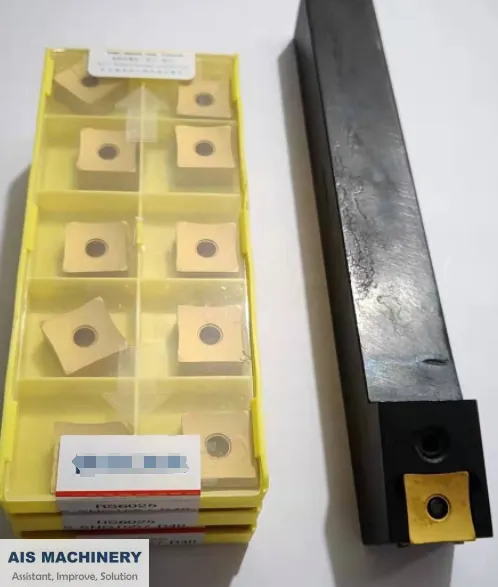
Figure 2: An example of an 8-edge od scarfing insert designed for maximum utilization.
Vendor Comparison: Selecting the Right Partner for OD Scarfing Solutions
Choosing the right supplier for od scarfing inserts is a strategic decision that can profoundly impact a tube mill's operational efficiency, product quality, and profitability. A comprehensive vendor comparison should go beyond mere pricing to evaluate critical factors such as material science expertise, manufacturing precision, customization capabilities, and after-sales support.
Key Factors for Vendor Evaluation:
| Feature/Criterion | Vendor A (Premium) | Vendor B (Standard) | Vendor C (Budget) |
|---|---|---|---|
| Material Grades Offered | Extensive range (K10, K20, P30, M20, specialized alloys) | Standard range (K10, K20) | Limited standard grades |
| Coating Options | Advanced PVD/CVD (TiN, TiCN, AlTiN, nano-composites) | Basic PVD/CVD (TiN, TiCN) | Limited, often no coating |
| Manufacturing Precision | ISO 9001, ANSI B94.2, sub-micron tolerances, 100% optical inspection | ISO 9001, standard tolerances, batch inspection | Variable, basic quality checks |
| Customization Capabilities | Full engineering support, CAD/CAM, rapid prototyping, tailored geometries | Limited modifications to existing designs | None, off-the-shelf only |
| Technical Support | On-site application engineers, comprehensive diagnostics, optimization services | Remote support, basic troubleshooting | Email/phone only, limited expertise |
| Lead Time (Standard Items) | 1-2 weeks | 2-4 weeks | 4-6+ weeks |
| Warranty & Returns | Generous, performance guarantee, defect replacement | Standard warranty, defect replacement | Limited, often final sale |
For critical operations involving the removal of the scrape burr, investing in high-quality carbide tools from a reputable vendor like "Vendor A" (representing a specialist in premium OD scarfing inserts) typically yields significant long-term benefits. These include superior finished product quality, reduced operational costs due to extended tool life and fewer production interruptions, and access to expert technical support for process optimization. While initial costs might be higher, the total cost of ownership is often substantially lower due to these efficiency gains and quality assurance.
Tailored Solutions: Customizing OD Scarfing Inserts for Unique Demands
While standard od scarfing inserts serve a wide range of applications, many specialized tube manufacturing operations require customized solutions to achieve optimal performance. The ability to design and produce bespoke carbide inserts is a hallmark of an authoritative and experienced vendor, catering to the unique challenges presented by diverse materials, tube geometries, and production parameters.
Customization involves tailoring several critical aspects of the carbide insert:
- Material Grade Selection: Custom blends of tungsten carbide and cobalt binder to achieve specific hardness-toughness ratios, optimized for abrasive, adhesive, or brittle materials.
- Geometry Optimization: Fine-tuning rake angles, clearance angles, edge radii, and chip breaker designs to manage chip flow, reduce cutting forces, and enhance surface finish for particular tube diameters, wall thicknesses, and weld bead characteristics. This is crucial for precise scrape burr removal.
- Advanced Coating Development: Applying application-specific PVD or CVD coatings that provide enhanced lubricity for sticky materials (e.g., stainless steel) or superior thermal stability for high-speed operations.
- Indexing and Seating Systems: Designing unique mounting features to ensure secure seating and accurate indexing in non-standard scarfing tools or custom-built machinery.
The customization process typically begins with a detailed consultation, where engineers analyze the client's specific tube material (e.g., carbon steel, stainless steel, aluminum, high-nickel alloys), weld parameters, desired surface finish, and operational constraints. Leveraging advanced CAD/CAM software and extensive metallurgical expertise, custom insert designs are developed and often prototyped. This iterative process ensures that the final carbide tools deliver unparalleled performance, leading to significant improvements in tool life, part quality, and overall cost-efficiency.
For instance, scarfing large diameter, thick-walled pipes requires inserts with greater edge strength and specific chip breaking features to handle heavy chip loads, whereas thin-walled, high-alloy tubes demand sharper edges and specialized coatings to prevent material distortion and achieve a mirror-like finish. Custom solutions ensure these diverse requirements are met with precision engineering.
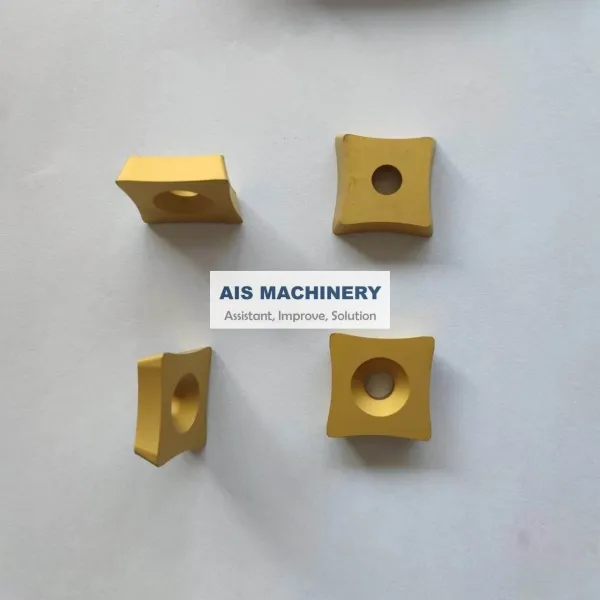
Figure 3: A 4-edge od scarfing insert, often preferred for specific material types or smaller diameter tubes.
Application Case Studies: Proving Performance in Real-World Scenarios
The efficacy of high-quality od scarfing inserts is best demonstrated through tangible results in demanding industrial environments. These case studies highlight how optimized tooling solutions contribute to significant operational improvements and cost savings for tube manufacturers.
Case Study 1: Large Diameter Pipe Mill (Metallurgy)
A major steel pipe manufacturer, producing large-diameter (up to 48-inch OD) carbon steel pipes for infrastructure projects, faced challenges with inconsistent scrape burr removal and premature tool wear. Their existing inserts yielded an average of 400 meters of pipe per edge. After a thorough analysis, a custom 6-edge P30 equivalent carbide insert with a specialized TiAlN PVD coating was implemented. The optimized geometry allowed for a more efficient chip formation and improved heat dissipation. Results showed a consistent increase in tool life to 850 meters per edge, representing a 112% improvement. This reduced insert consumption by over 50% and decreased unscheduled downtime for tool changes by 25%, leading to an annual saving of approximately $150,000 in tooling and labor costs.
Case Study 2: Stainless Steel Tube Production (Petrochemical)
A manufacturer specializing in high-grade stainless steel (316L and Duplex) tubes for the petrochemical industry struggled with surface finish imperfections and accelerated wear when scarfing the tough, gummy material. Standard carbide tools were only achieving 250 meters per edge, and the resultant surface often required additional polishing. A bespoke K20-grade carbide insert, featuring a positive rake angle and a super-smooth, low-friction CVD coating designed for stainless steel, was introduced. This solution minimized material adhesion and improved chip evacuation. Post-implementation, tool life increased to 600 meters per edge (140% improvement), and the tubes consistently met the stringent surface roughness requirements without secondary finishing, accelerating production throughput by 15%.
Case Study 3: Water Supply Pipe Manufacturing (Water Supply & Drainage)
A company producing galvanized steel pipes for municipal water systems aimed to reduce overall manufacturing costs while maintaining high quality. Their existing inserts offered inconsistent performance, leading to variations in the finished OD surface, which impacted subsequent galvanization adhesion. By adopting advanced, cost-effective 4-edge od scarfing inserts with a balanced toughness/hardness carbide grade, they achieved remarkable consistency. The new inserts consistently removed the scrape burr effectively across various production batches. Tool life improved by an average of 70%, from 300 meters to 510 meters per edge. This translated directly into a 20% reduction in consumable tooling expenditure and ensured a uniformly prepared surface, enhancing the integrity and lifespan of the corrosion-resistant galvanization layer.
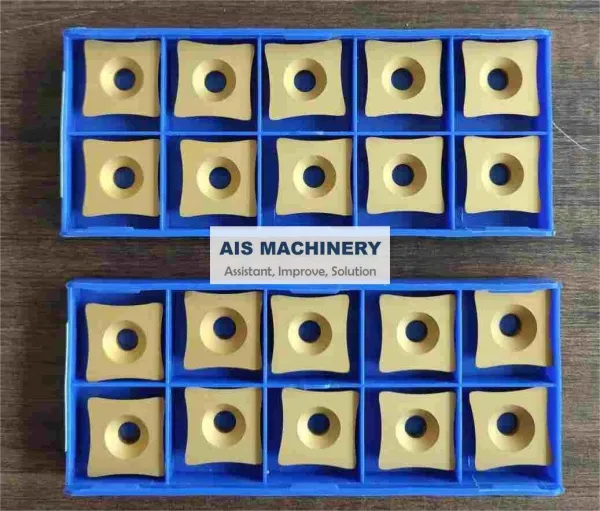
Figure 4: A high-performance 4-edge carbide insert designed for demanding applications.
Ensuring Trustworthiness: FAQ, Lead Time, Warranty, and Support
Building long-term partnerships in the B2B sector relies on transparency, reliability, and robust support systems. Addressing common concerns and clearly outlining service commitments are paramount for fostering trust.
Frequently Asked Questions (FAQ):
Q1: How do I select the correct od scarfing inserts for my specific application?
A1: Selection depends on factors like tube material (carbon steel, stainless steel, alloy), tube diameter, wall thickness, desired surface finish, and operational speed. We recommend consulting with our technical specialists who can analyze your specific requirements and recommend the optimal carbide insert grade, coating, and geometry.
Q2: What is the typical service life of these inserts compared to conventional tools?
A2: Our advanced carbide tools offer significantly extended service life, often 3-5 times longer than high-speed steel (HSS) equivalents. This is due to superior material hardness, wear-resistant coatings, and precision manufacturing. Actual life varies based on application parameters and maintenance.
Q3: Can these inserts remove the scrape burr from various tube materials?
A3: Yes, our inserts are available in various grades and coatings specifically engineered for a wide range of materials, including carbon steels, stainless steels (austenitic, ferritic, duplex), and various non-ferrous alloys. Custom solutions are also available for highly specialized materials.
Q4: Are your products compliant with international standards?
A4: Absolutely. Our manufacturing processes and products adhere to stringent international quality standards, including ISO 9001 for quality management systems and relevant ANSI/DIN standards for tool dimensions and performance where applicable. Material certifications are available upon request.
Lead Time and Fulfillment:
We maintain a robust inventory of standard od scarfing inserts, enabling lead times of typically 1-2 weeks for most common orders. For customized solutions or large-volume orders, lead times may range from 3-6 weeks, depending on complexity and production schedules. We work closely with clients to provide accurate lead time estimates and ensure timely delivery through efficient logistics planning. Expedited shipping options are available upon request.
Warranty Commitments:
All our carbide insert products are backed by a comprehensive warranty against manufacturing defects. If any product is found to be defective in material or workmanship under normal use and service within a specified period from the date of purchase, we will replace or repair it at no cost. Performance guarantees for specific applications can be discussed and established for validated custom solutions.
Customer Support and After-Sales Service:
Our commitment extends beyond product delivery. We provide dedicated technical support, including application engineering assistance, troubleshooting, and optimization services. Our team of experts is available to assist with product selection, process integration, and performance analysis. For urgent inquiries, please contact our support hotline at [Your Company Phone Number] or email us at [Your Company Email Address]. We strive to respond to all technical queries within 24 business hours to ensure minimal disruption to your operations.
Conclusion: Precision and Performance in Scrape Burr Removal
The efficient and precise removal of the scrape burr is a fundamental requirement for producing high-quality tubes across various critical industries. Through continuous innovation in material science and precision engineering, modern od scarfing inserts represent the pinnacle of tooling technology, offering unmatched performance, extended tool life, and significant cost efficiencies.
By leveraging advanced carbide insert materials, sophisticated coatings, and optimized geometries, manufacturers can achieve superior surface finishes, reduce operational downtime, and ensure their products meet the most demanding industry standards. Partnering with a specialized provider of high-performance carbide tools that offers both standard and customized solutions, alongside comprehensive technical support, is essential for any tube mill striving for excellence in today's competitive landscape.
References:
- ASM Handbook, Volume 16: Machining. ASM International, 1989.
- Schumacher, R. "Coated Carbide Cutting Tools." Encyclopedia of Materials: Science and Technology. Elsevier, 2001.
- European Committee for Standardization. EN ISO 1832: 2017. "Indexable inserts for cutting tools — Designation."
- Trent, E. M., & Wright, P. K. "Metal Cutting." Butterworth-Heinemann, 2000.

Related Products
Related News
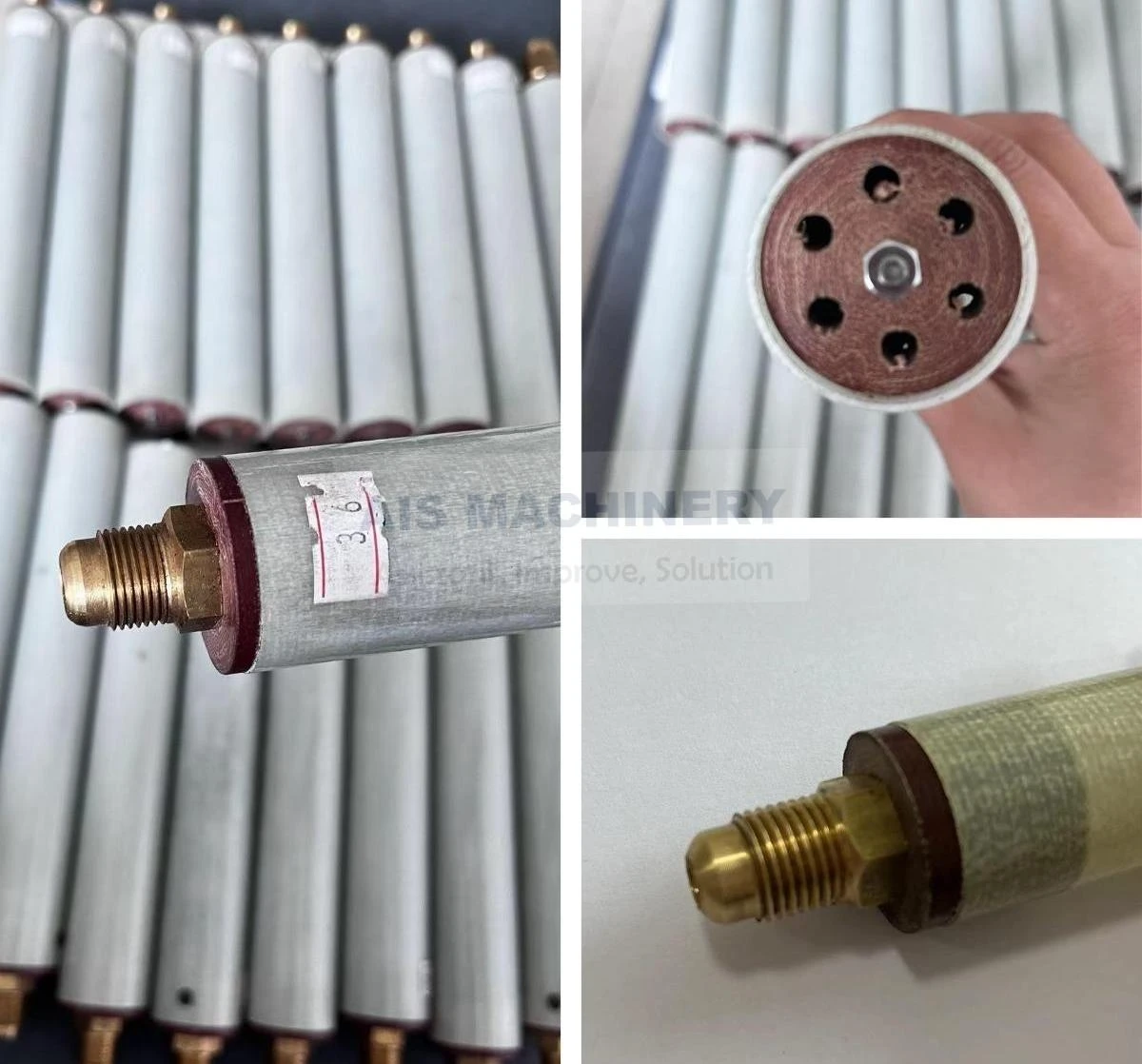
2027-04-24 00:00:00
What is an Impeder and Ferrite Rods in ERW Tube Mill?
Struggling with impeder overheating or short service life in your ERW tube mill? This guide explains common impeder problems, the role of ferrite rods, and how to choose the right impeder for stable welding performance. Improve weld quality, reduce energy loss, and extend equipment lifespan with the right selection and proper cooling solutions.
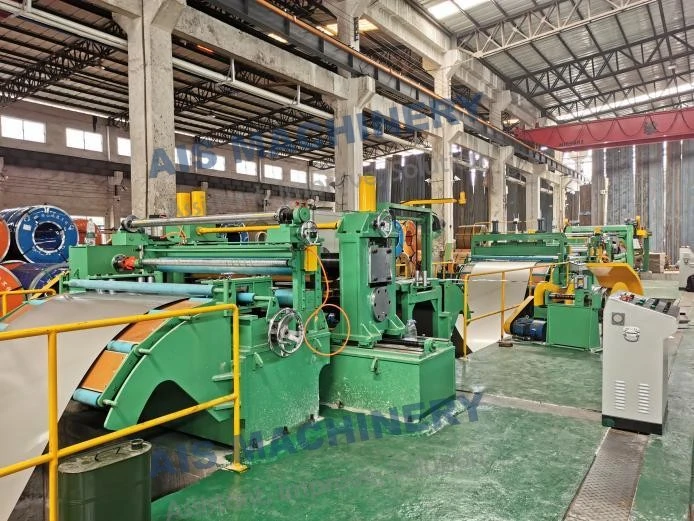
2026-04-21 10:22:25
Slitting & Cut-to-Length Combined Production Line: A Smarter Way to Process Steel Coils
Discover the Slitting & Cut-to-Length Combined Production Line, a flexible solution for steel coil processing. This system integrates slitting line and cut-to-length line functions in one machine, saving space, reducing costs, and improving efficiency. Ideal for processing both steel strips and sheets, it is widely used in service centers and manufacturing industries. Learn its advantages, limitations, and applications.
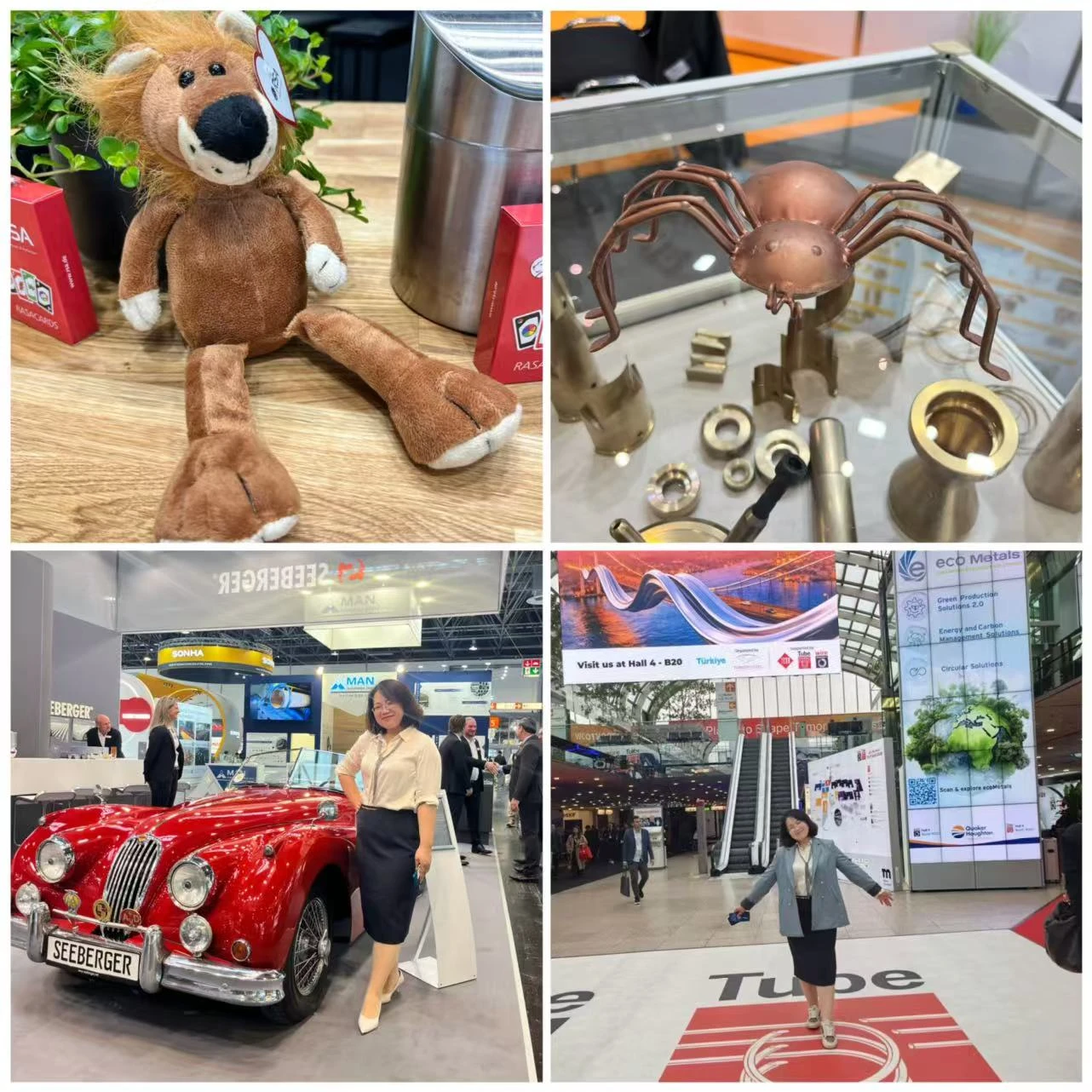
2026-04-18 03:20:20
AIS Machinery Showcases Advanced Tube Solutions at Tube & Wire Düsseldorf 2026
Tube & Wire Düsseldorf 2026, one of the most influential exhibitions in the global tube and wire industry, held biennially in Düsseldorf, Germany
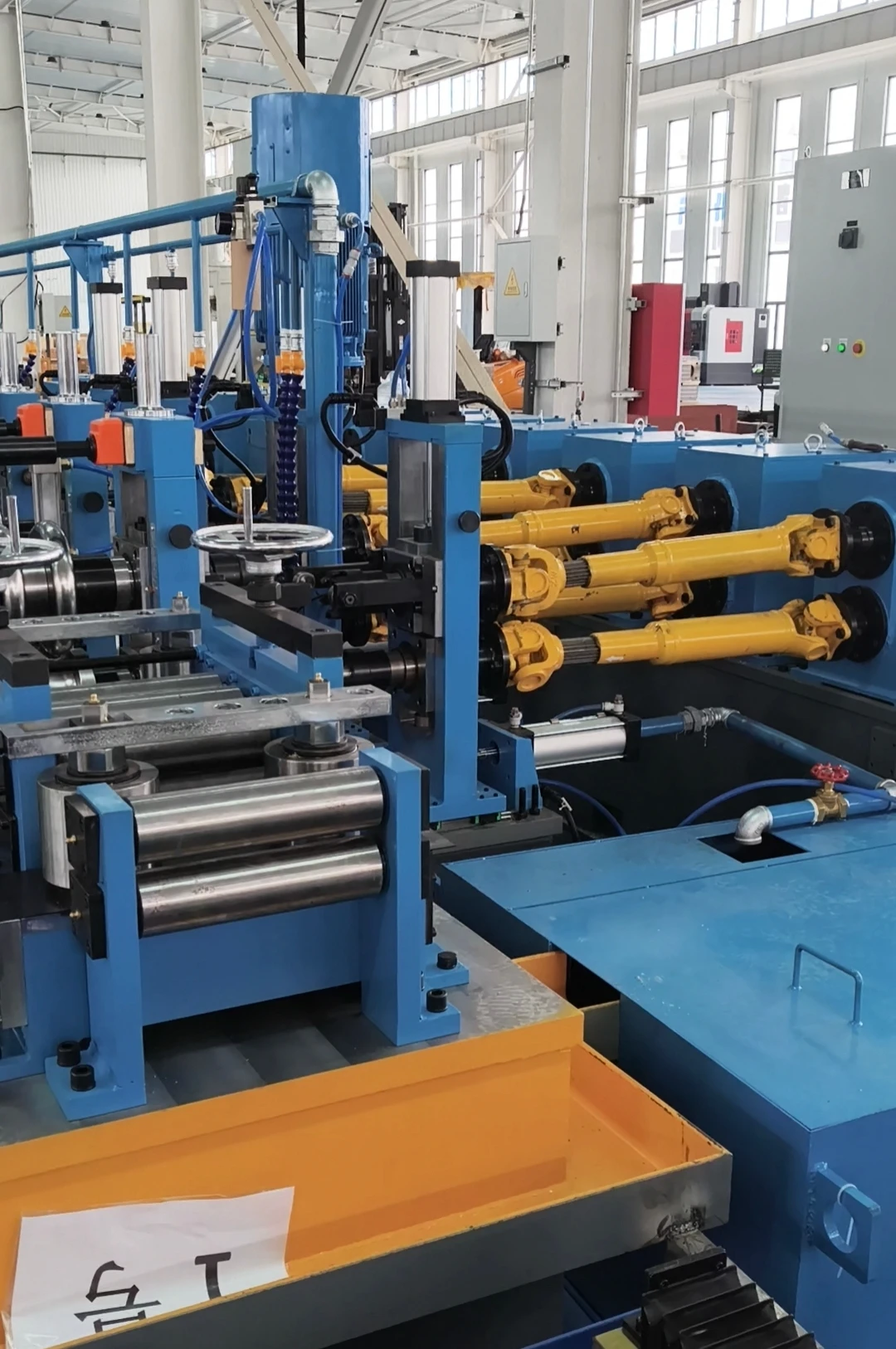
2026-04-17 00:00:00
Southeast Asia Client Visits Our Factory | Customized Tube Mill Solution Delivered
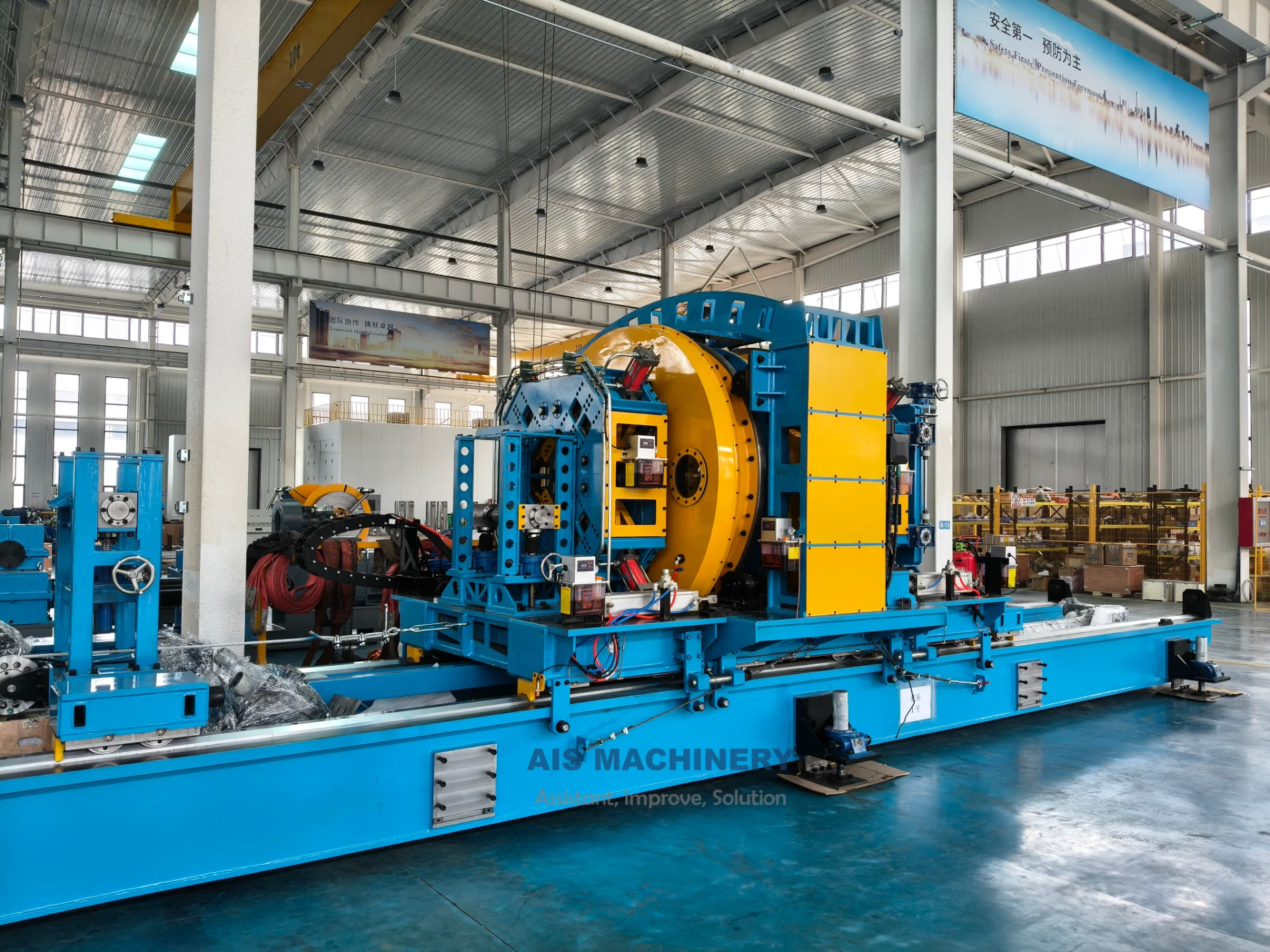
A Southeast Asia client visited our ERW tube mill factory to inspect production lines and discuss a customized tube mill solution. Impressed by our machine quality, welding performance, and engineering support, the client confirmed strong cooperation intentions. Discover how our ERW tube mill solutions improve efficiency, precision, and long-term production reliability.
2026-04-15 10:37:55
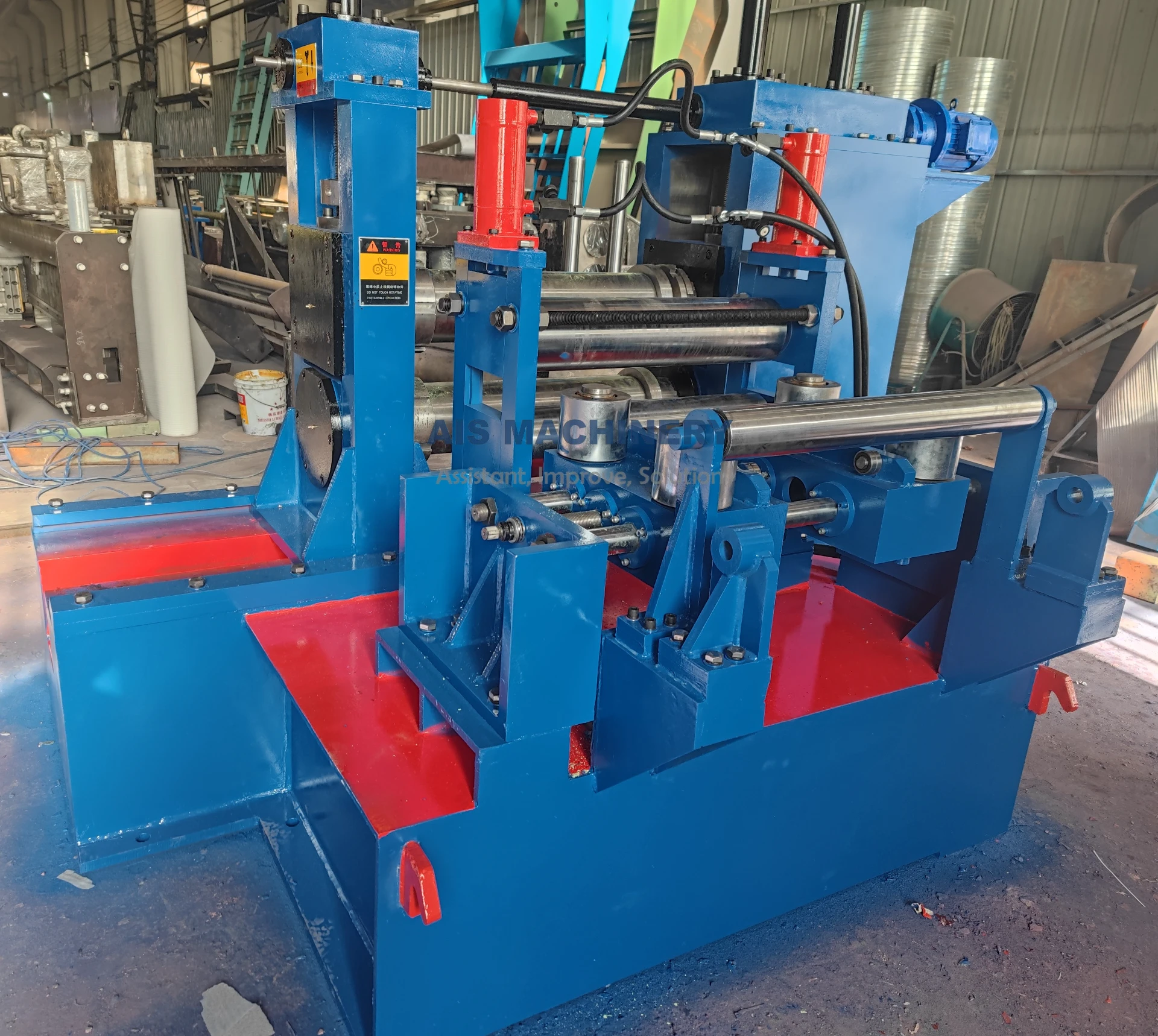
Flat Bar Production Line for Steel Coils: How It Works & Why It Matters
Looking for a flat bar production line? Learn how it turns steel coils into ready-to-use flat bars with precise length and high straightness. Compare it with slitting lines and get the best solution for your steel processing needs.
2026-04-14 00:00:00
Looking for a Milling Saw for ERW Tube Mill? Here’s What You Need to Know
Looking for a high-performance milling saw for your ERW tube mill? Upgrade to burr-free, high-precision pipe cutting with advanced flying saw technology. Improve efficiency, reduce rework, and meet export standards for carbon steel, stainless steel, and API pipes. Contact us today for expert solutions and competitive pricing tailored to your production needs.
2026-04-09 16:15:19
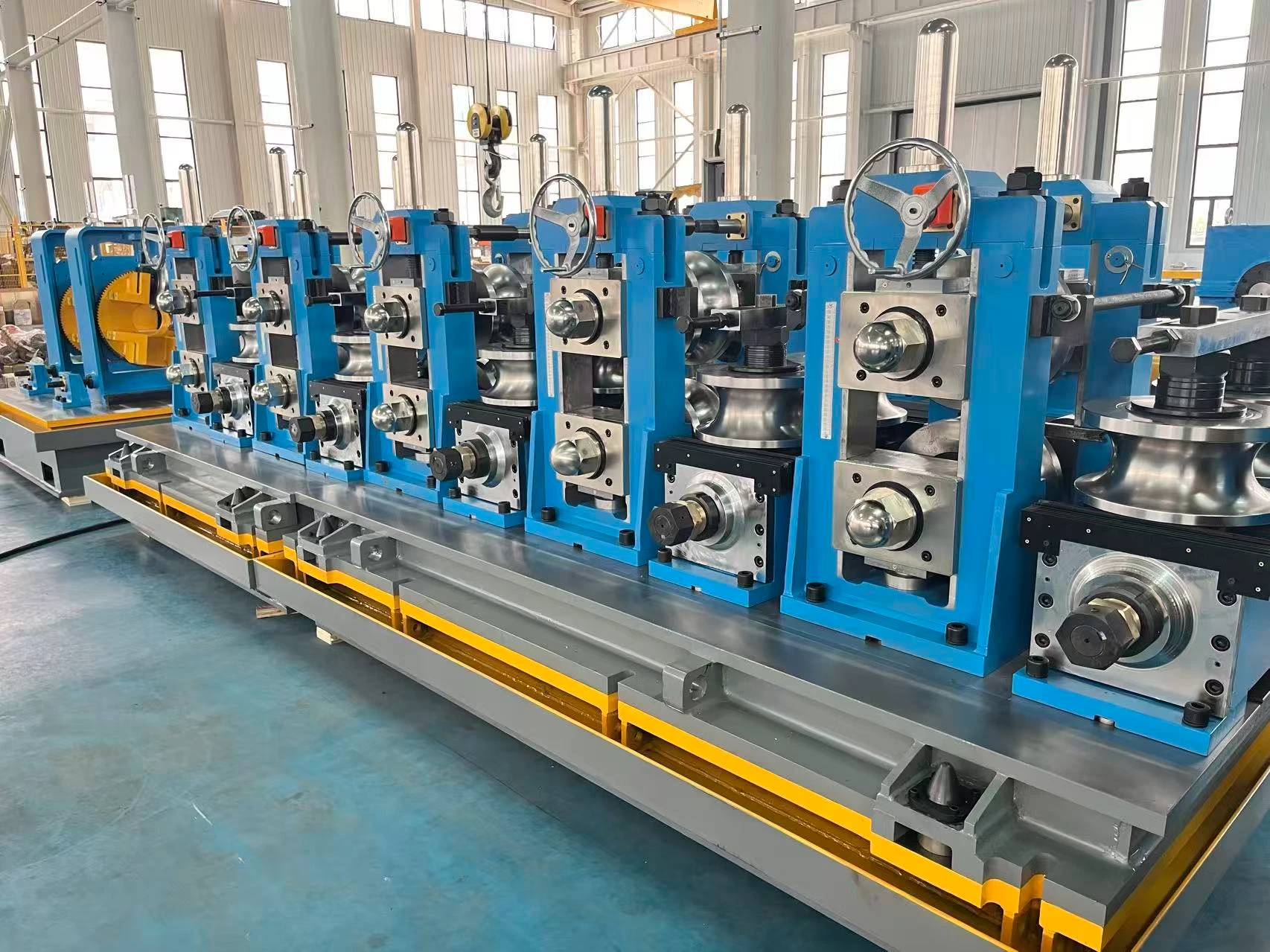
5-Inch (127mm) ERW Tube Making Machine Delivered with Heavy-Duty Design and Advanced Quick Change System
2027-04-07 00:00:00
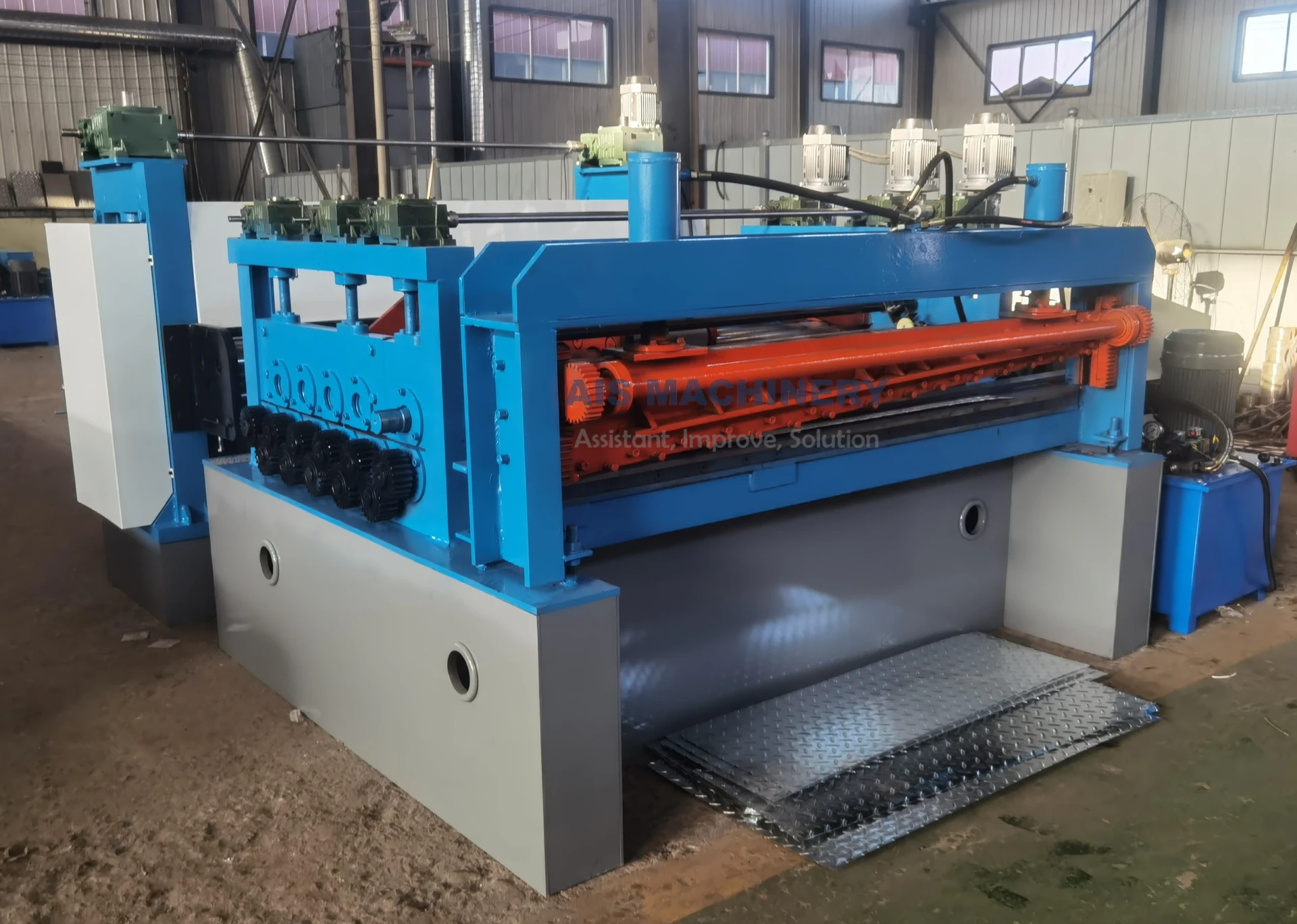
Metal Embossing Machine: Turn Flat Sheets into High-Value Textured Products
Discover how a metal embossing machine transforms flat steel, stainless steel, and aluminum sheets into high-value textured products. Learn about its working principle, key components, and applications. Ideal for decorative and industrial use, embossing machines improve both appearance and performance. Explore complete embossing line solutions and find the right machine for your production needs.
Send a Message
Dear customer, thank you for your attention! We provide high-quality machinery and equipment and look forward to your orders. Please inform us of your needs and we will respond quickly!
 English
  Albanian
  Arabic
  French
  German
  Indonesian
  Italian
  Japanese
  Kazakh
  Korean
  Latin
Latin  Macedonian
  Portuguese
  Russian
  Spanish
  Thai
Thai  Turkish
  Ukrainian
  Uzbek
Uzbek