
-
 Tel:86-15176910262
-

Search

Horizontal Accumulator for Tube Mills - Stable & Efficient
Sep . 12, 2025 11:00
Mastering Hydraulic Systems: The Indispensable Role of the Horizontal Accumulator
In high-demand industrial applications, the efficient management of hydraulic energy is paramount for system performance, longevity, and operational safety. At the core of this efficiency often lies the horizontal accumulator. These sophisticated components are engineered to store hydraulic fluid under pressure, delivering instantaneous power when demand peaks, dampening pulsations, and compensating for thermal expansion or leakage. Their strategic integration into fluid power circuits minimizes energy consumption, reduces mechanical stress on pumps and other components, and ensures consistent system response, making them a critical asset across a multitude of heavy industries.
This comprehensive guide explores the technical depth, application versatility, and operational advantages of horizontal accumulators, providing B2B professionals with the insights necessary to optimize their hydraulic systems for peak performance and reliability.
Industry Trends and Technological Advancements in Accumulator Technology
The global industrial accumulator market is experiencing significant evolution, driven by the ever-increasing demand for energy efficiency, enhanced safety protocols, and advanced automation. Key trends include the development of accumulators rated for higher pressures and temperatures, expanding their utility in extreme operating environments. There's a growing emphasis on smart accumulators integrated with IoT sensors, offering real-time monitoring of pressure, temperature, and bladder integrity, enabling predictive maintenance and preventing costly downtime.
Furthermore, material science advancements are leading to lighter, more durable shells and bladders with improved compatibility across a broader range of hydraulic fluids, including environmentally friendly options. The adoption of advanced manufacturing techniques, such as additive manufacturing for complex internal geometries, is also on the horizon, promising even greater customization and performance optimization. The drive towards electric and hybrid hydraulic systems in sectors like construction and automotive is also spurring innovation in accumulator design to manage power regeneration and provide immediate power boosts, highlighting the versatility and continuing relevance of the horizontal accumulator in future industrial landscapes.
Detailed Manufacturing Process Flow for Horizontal Accumulators
The production of a high-quality horizontal accumulator is a testament to precision engineering and rigorous quality control. It involves a sequence of meticulously managed steps, from raw material selection to final testing, ensuring a product capable of reliable performance in demanding industrial settings.
- Material Sourcing and Qualification: High-strength carbon or alloy steels (e.g., SA-106 Gr. B, SA-387 Gr. 11/22 for pressure vessels, or 316L stainless steel for corrosive applications) are procured. Each batch undergoes metallurgical analysis and mechanical property testing to ensure compliance with international standards like ASTM and ASME. Bladder materials (NBR, HNBR, FKM, Butyl) are selected based on fluid compatibility and temperature range requirements.
- Shell Fabrication (Forging/Seamless Drawing): For critical high-pressure applications, accumulator shells are often forged from solid billets to achieve superior grain structure and eliminate weld seams, enhancing fatigue life. Alternatively, for less extreme pressures, seamless drawn tubing is used, or in some cases, deep-drawn formed heads are welded to cylindrical bodies using advanced automated welding techniques such as Submerged Arc Welding (SAW) or Gas Tungsten Arc Welding (GTAW).
- Precision CNC Machining: The raw or pre-formed shell undergoes multi-axis CNC machining to achieve precise internal and external dimensions, including internal bore finish for piston/bladder movement, end cap threading, and hydraulic/gas port connections. This stage is crucial for ensuring optimal sealing and component integration.
- Heat Treatment: Depending on the material and fabrication method, shells may undergo various heat treatment processes (e.g., normalizing, quenching, tempering) to relieve residual stresses, refine grain structure, and achieve specified mechanical properties like hardness and toughness.
- Surface Preparation and Coating: Internal surfaces are often polished or treated to reduce friction and improve corrosion resistance. External surfaces receive sandblasting, priming, and multi-layer industrial coatings (e.g., epoxy-based paints) to protect against environmental degradation, extending the product's service life, particularly in harsh environments like marine or petrochemical facilities.
- Internal Component Assembly: The selected bladder, piston, or diaphragm is meticulously installed within the shell. Associated components such as fluid ports, gas valves, and safety relief devices are precisely fitted. Cleanliness during this stage is paramount to prevent contamination of hydraulic systems.
-
Rigorous Testing and Inspection:
- Hydrostatic Testing: Every unit is subjected to hydrostatic pressure testing, typically at 1.5 times its maximum working pressure, as per standards like ISO 11114 or ASME Section VIII Div. 1, to confirm structural integrity and leak-tightness.
- Pneumatic Testing: Gas-side components undergo pneumatic testing with inert gas (usually nitrogen) to verify seal integrity and prevent gas leakage.
- Non-Destructive Testing (NDT): Welds and critical areas are examined using techniques like X-ray, ultrasonic testing, or magnetic particle inspection to detect any internal flaws.
- Final Inspection and Certification: A comprehensive final inspection confirms dimensional accuracy, material traceability, and adherence to all specified design and performance parameters. Products are certified with relevant industry standards such as CE (PED), ASME, ISO 9001, and often specific customer or regional certifications.
This rigorous process ensures a typical service life of 10-20 years for these units, providing exceptional reliability in target industries such as petrochemicals, metallurgy, and water supply & drainage. The inherent advantages, including energy saving through reduced pump cycling and superior corrosion resistance due to carefully selected materials, contribute significantly to operational cost reductions.
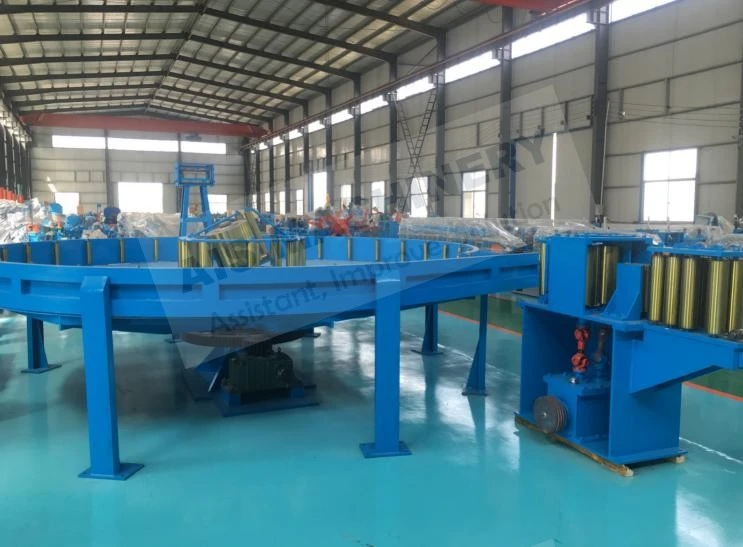
Figure 1: Cutaway view of a robust bladder-type horizontal accumulator, highlighting internal components and heavy-duty construction.
Key Technical Specifications and Performance Parameters
The selection of a horizontal accumulator relies heavily on a thorough understanding of its technical specifications. These parameters dictate the unit's suitability for specific hydraulic applications and operational demands. Below is a table outlining typical product specifications:
| Parameter | Specification Range (Common) | Notes on Application |
|---|---|---|
| Nominal Volume | 0.5 L to 1000 L+ | Determines energy storage capacity; custom large volumes for specialized systems. |
| Max. Working Pressure (MWP) | up to 1000 Bar (14500 psi) | Shell material and wall thickness are critical for safety and longevity. |
| Operating Temperature Range | -60°C to +200°C | Dependent on selected bladder/piston seal elastomer material and hydraulic fluid type. |
| Shell Material | Carbon Steel (SA 372), Low Alloy Steel (SA 387), Stainless Steel (304, 316L, Duplex), Composites | Chosen for pressure, corrosion resistance, and weight considerations. |
| Bladder/Seal Material | Nitrile (NBR), HNBR, Fluorocarbon (FKM/Viton), Butyl, EPDM | Compatibility with hydraulic fluid, temperature, and cycle life. |
| Fluid Connections | NPT, BSP, SAE flange, Code 61/62 flange, DIN flange | Ensures seamless integration with existing hydraulic piping. |
| Gas Connection | 7/8"-14 UNF, M28 x 1.5, G 5/8", others | Standardized fittings for nitrogen gas pre-charge. |
| Certifications & Standards | CE (PED 2014/68/EU), ASME BPVC, ISO 9001, ABS, DNV GL, API, Lloyd's Register | Mandatory for regulatory compliance and quality assurance in various regions/industries. |
Beyond these base specifications, advanced features such as integral safety blocks, pre-charge monitoring systems, and specialized mounting solutions can further enhance the functionality and safety of the horizontal accumulator in complex hydraulic architectures.
Versatile Application Scenarios and Industry Impact
The adaptability of horizontal accumulators makes them vital across a broad spectrum of heavy industries. Their ability to manage fluid dynamics efficiently translates into significant operational advantages.
- Metallurgy and Steel Processing (Tube Mills): In a tube mill accumulator system, horizontal units are crucial for maintaining consistent strip tension during uncoiling and recoiling, absorbing shock loads from abrupt coil changes, and providing rapid energy for shear operations. This ensures uniform product quality, prevents material damage, and sustains high production speeds.
- Petrochemical and Oil & Gas: Employed in emergency shutdown systems (ESD), wellhead control, and blow-out preventer (BOP) systems on offshore platforms and refineries. They deliver critical hydraulic power for valve actuation and safety mechanisms, operating reliably in corrosive, high-pressure, and explosive atmospheres.
- Water Treatment and Utilities: Essential for mitigating water hammer in large pumping stations and pipelines, protecting pumps and piping from damaging pressure surges. They also provide standby pressure for uninterrupted service in critical water supply and drainage networks.
- Marine and Offshore: Found in ship steering gear, winches, offshore drilling rigs, and subsea equipment. Their robust design and often compact horizontal footprint make them ideal for space-constrained and vibration-prone marine environments.
- Heavy Construction and Mining: Integrated into excavators, loaders, and large-scale mining machinery for boom suspension, braking systems, and auxiliary power. They enhance machine stability, improve operator comfort, and contribute to fuel efficiency through energy recuperation.
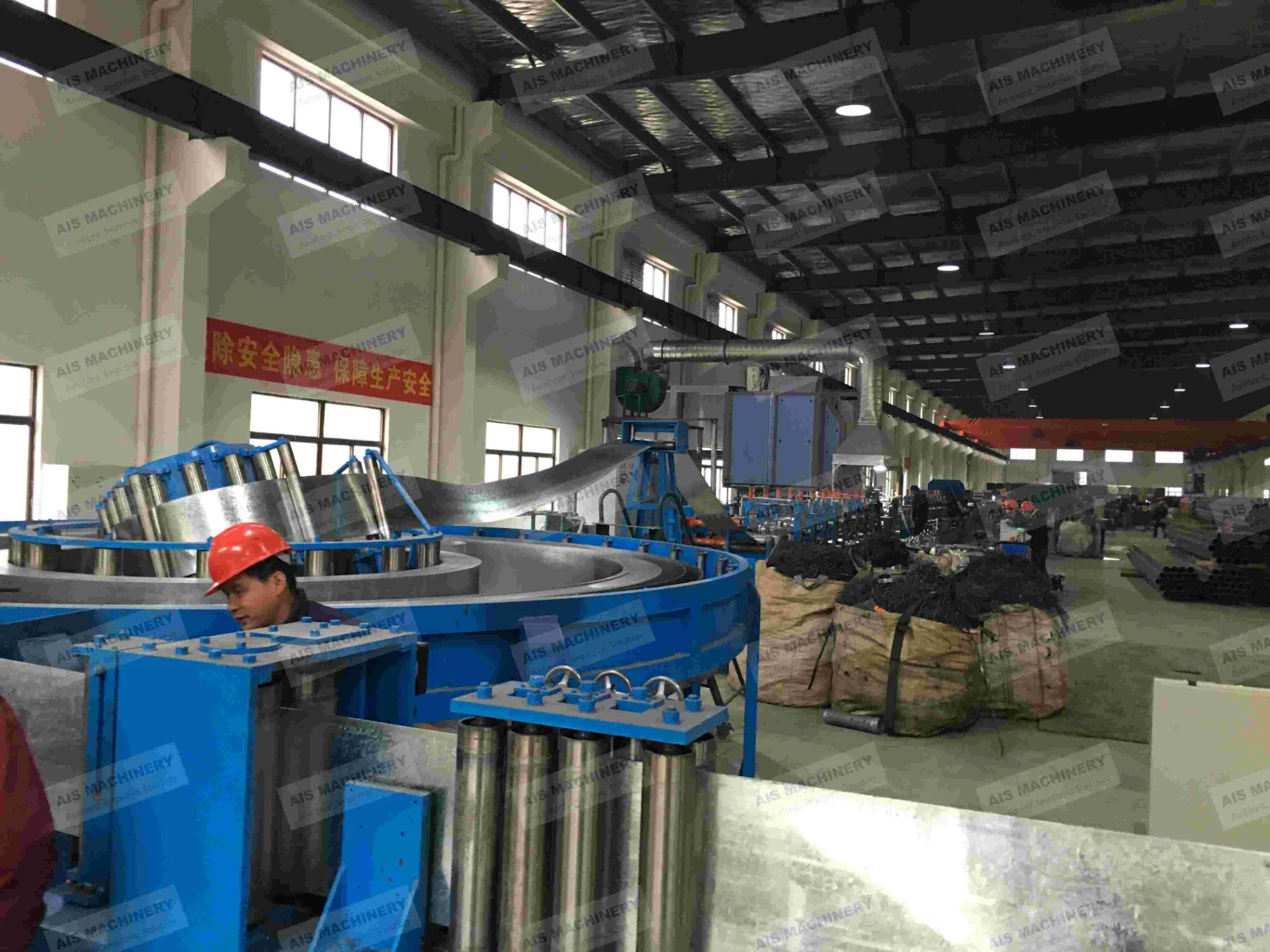
Figure 2: A horizontal accumulator integrated into a large-scale industrial hydraulic power unit, showcasing its compact and stable installation.
In these diverse applications, the advantages manifest as significant energy saving through load peak shaving, prolonged equipment life due to reduced shock loads, and enhanced system responsiveness. Their inherent corrosion resistance, ensured by material selection and protective coatings, guarantees long-term operational integrity and minimizes maintenance overheads in challenging environments.
Technical Advantages and Performance Superiority
While both horizontal and vertical accumulator designs serve the fundamental purpose of hydraulic energy storage, the horizontal accumulator offers distinct technical advantages that make it the preferred choice for specific applications:
- Space Optimization and Flexible Installation: The horizontal orientation is ideal for systems with limited vertical clearance or where integration within existing machinery footprints is required. This often allows for installation beneath equipment or alongside long process lines, maximizing usable floor space.
- Enhanced Stability: With a lower center of gravity, horizontal units inherently possess greater stability. This reduces mounting complexity, minimizes vibration effects, and is particularly beneficial for mobile applications or installations in seismically active regions.
- Improved Bladder Longevity: In bladder-type designs, a horizontally mounted bladder rests along the bottom of the shell. This reduces tension and localized stress points, especially during full discharge or rapid cycling, thereby extending the bladder's operational life compared to hanging bladders in vertical units.
- Reduced Maintenance Challenges: Depending on system design, service access for tasks like bladder replacement or pre-charge adjustment can be more straightforward with horizontal positioning, especially when designed with accessible end-cap configurations.
- Optimized Fluid Dynamics for Pulsation Dampening: The elongated form factor of horizontal accumulators can contribute to more effective pulsation dampening by providing a longer path for hydraulic fluid, facilitating smoother flow and reducing pressure ripple.
These design considerations, coupled with the selection of advanced materials for corrosion resistance and high-pressure resilience, contribute to a superior total cost of ownership (TCO) by reducing maintenance frequencies and extending operational lifecycles in critical industrial applications.
Vendor Comparison and Strategic Selection Criteria
Choosing the right manufacturer for your horizontal accumulator solutions is paramount. Beyond initial purchase price, factors such as engineering expertise, product quality, and after-sales support significantly impact long-term operational costs and system reliability.
| Criteria | Tier 1 Global Manufacturers | Specialty/Regional Providers |
|---|---|---|
| Engineering & Customization | Extensive R&D, advanced simulation, full custom design capabilities for complex projects. | Standard product lines with limited modification options; may partner for complex designs. |
| Product Quality & Certifications | Global certifications (ASME, PED, ISO, ABS, DNV), stringent QC, full material traceability. | Compliance with regional standards, varying levels of quality documentation and certifications. |
| Global Support & Service Network | Worldwide sales, service, and spare parts network; dedicated technical support and training. | Primarily local or regional support, potentially longer response times for international clients. |
| Innovation & Technology | Pioneers in new materials, smart features (IoT integration), high-pressure designs. | Adopt proven technologies, less focus on leading-edge innovation. |
| Total Cost of Ownership (TCO) | Higher initial investment, but lower TCO due to superior reliability, longer lifespan, and efficient operation. | Lower initial cost, but potentially higher TCO due to increased maintenance or shorter replacement cycles. |
Evaluating these factors holistically ensures a long-term partnership that supports your operational goals and delivers maximum return on investment. A reputable vendor offers not just a product, but a solution backed by deep industry knowledge and unwavering commitment to client success.
Customized Solutions and Engineering Excellence
The diverse demands of industrial applications often necessitate bespoke hydraulic solutions. Leading manufacturers specialize in engineering customized horizontal accumulator systems that perfectly align with unique operational parameters and spatial constraints. This involves a collaborative approach, leveraging advanced simulation and design tools to develop tailored solutions.
Customization extends to:
- Specific Material Alloys: For environments with extreme corrosion, high temperatures, or unique fluid chemistries, specialized alloys (e.g., Hastelloy, Inconel) or composite materials are used for the shell, ports, and internal components.
- Optimized Volume and Pressure Ranges: Design of accumulators with exact volumetric capacity and pressure ratings to meet precise system requirements, avoiding over-engineering or underperformance.
- Unique Connection Interfaces: Fabrication with custom hydraulic ports, gas valve configurations, or manifold integration features to seamlessly fit into complex piping layouts and existing infrastructure.
- Integrated Monitoring and Control Systems: Inclusion of advanced sensors for continuous monitoring of pre-charge pressure, fluid temperature, and bladder condition, facilitating integration with SCADA systems for predictive maintenance.
- Specialized Mounting Solutions: Engineered mounting brackets, skids, or modular designs to accommodate challenging installation spaces, vibration isolation requirements, or transport logistics.
This level of engineering support ensures that the accumulator performs not just adequately, but optimally, maximizing efficiency, safety, and longevity in its specific application context. Partnering with a manufacturer offering robust customization capabilities is crucial for achieving superior system performance.
Application Case Studies: Real-World Performance Validation
Case Study 1: Enhanced Productivity in High-Speed Steel Rolling Mill
A leading steel manufacturer faced challenges with pressure fluctuations and intermittent power delivery in their hydraulic drive systems for a high-speed rolling mill. This led to inconsistent product thickness and frequent, unscheduled downtimes for system recalibration. After a detailed analysis, a custom-engineered horizontal accumulator bank was proposed. This system comprised several large-volume bladder accumulators, each with a 200-liter capacity, strategically placed to dampen pressure spikes and provide instantaneous hydraulic power during peak load demands. The horizontal orientation was chosen to fit within the limited overhead space beneath the mill’s main drive.
Outcome: Implementation of the horizontal accumulator system resulted in a remarkable 25% reduction in pressure variations, leading to a 10% improvement in product consistency (thickness tolerance) and a 15% increase in operational uptime due to fewer system interruptions. The energy consumption of the main hydraulic pumps also saw a measurable decrease of 8%, validating the energy-saving advantages.
Case Study 2: Subsea Blowout Preventer (BOP) Control System for Deepwater Exploration
For a new deepwater drilling platform operating in the Gulf of Mexico, an offshore drilling contractor required a highly robust and reliable hydraulic power source for their subsea BOP control system. The harsh subsea environment, characterized by extreme pressures and corrosive seawater, demanded materials and designs far exceeding standard specifications. A specialized package of horizontal accumulator units was designed, utilizing super-duplex stainless steel shells for unparalleled corrosion resistance and FKM bladders rated for extended subsea life at extreme temperatures and pressures up to 500 Bar. The compact horizontal arrangement facilitated integration into the restricted envelope of the subsea manifold, minimizing hydrodynamic drag.
Outcome: The customized accumulator system successfully passed stringent API 16D qualification tests, demonstrating immediate and consistent hydraulic response for BOP actuation even under simulated failure conditions. The client reported zero failures related to accumulator performance during the initial five years of deepwater operation, attributing enhanced safety and operational continuity to the bespoke, corrosion-resistant horizontal accumulator design. This exemplified the crucial role of material science and precise engineering in critical offshore applications.
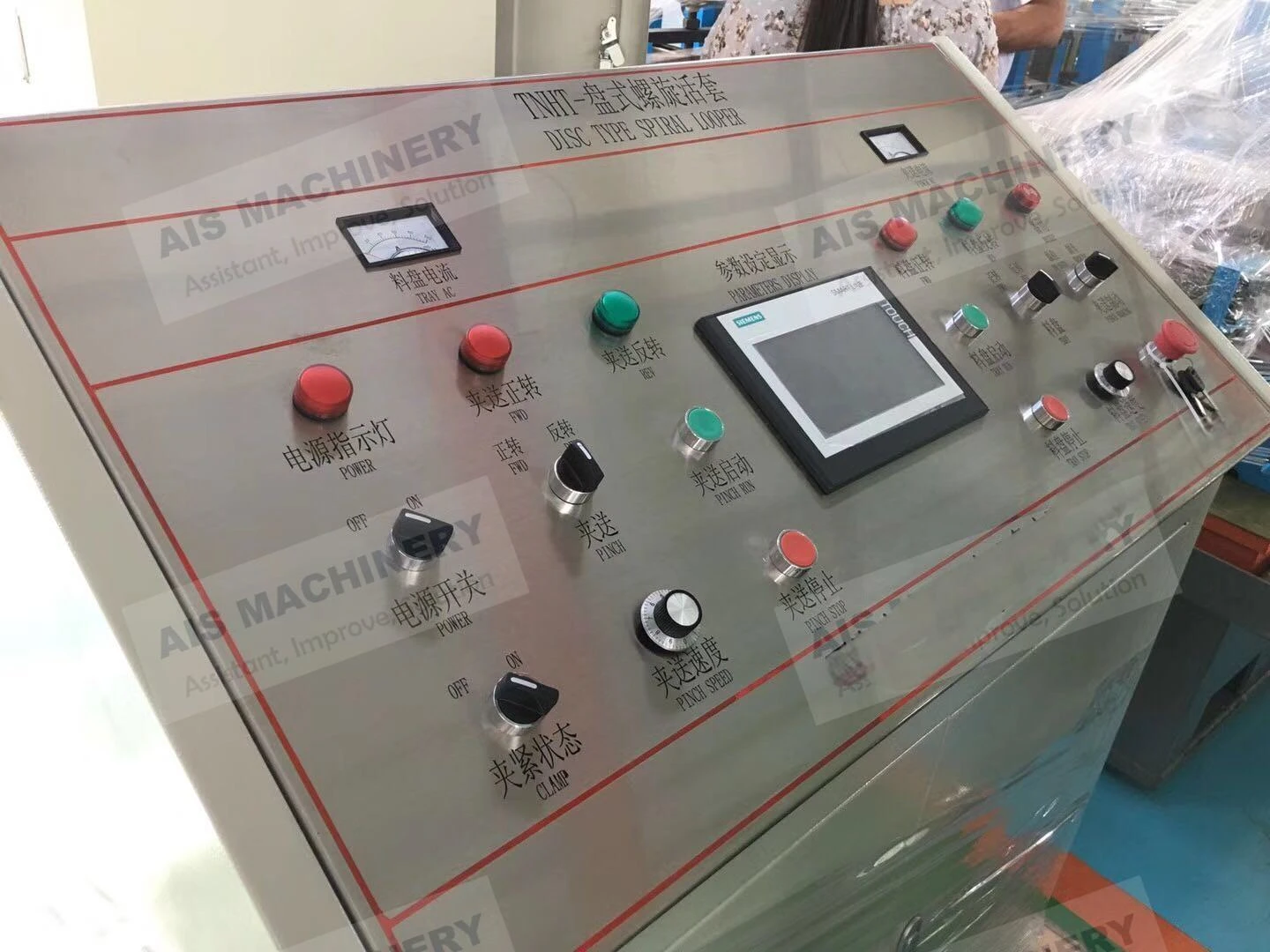
Figure 3: High-precision engineering and manufacturing of specialized industrial accumulators in a modern facility.
Trustworthiness and Support: FAQ, Lead Time, Warranty & Customer Service
Frequently Asked Questions (FAQ)
Q1: What is the ideal pre-charge pressure for a horizontal accumulator?
A1: The ideal pre-charge pressure for a horizontal accumulator is typically between 60% and 90% of the minimum system operating pressure. Precise calculation depends on the application, fluid volume, and desired pressure differential. It is crucial to set the pre-charge when the system is depressurized and at ambient temperature.
Q2: How does material selection impact the lifespan and performance?
A2: Material selection profoundly affects performance and lifespan. For the shell, high-strength alloy steels ensure resistance to extreme pressures and fatigue. Corrosion-resistant materials like stainless steel or specialized coatings are vital for harsh environments. Bladder/seal materials must be chemically compatible with the hydraulic fluid and withstand the operating temperature range to prevent degradation and premature failure. Correct material choice guarantees optimal efficiency and extends service life significantly.
Q3: What are the safety considerations when handling accumulators?
A3: Accumulators store high-pressure energy and must be handled with extreme caution. Always ensure the system is depressurized before any maintenance. Never work on an accumulator without proper training and safety equipment. Regularly inspect for damage and adhere strictly to manufacturer guidelines and local safety regulations (e.g., OSHA, PSSR). Pre-charge should only be adjusted with inert gas (Nitrogen) using appropriate charging kits.
Lead Time and Fulfillment Details
Our lead times for standard horizontal accumulator models typically range from 6 to 10 weeks, depending on current production capacity and order volume. For custom-engineered solutions or units requiring specialized materials and certifications, lead times may extend to 12-20 weeks. We prioritize transparent communication regarding delivery schedules and leverage a robust global logistics network to ensure timely and efficient fulfillment to client sites worldwide. Expedited options are available for urgent requirements, subject to material availability.
Comprehensive Warranty Commitments
We stand behind the quality and reliability of our horizontal accumulators with a comprehensive 24-month warranty from the date of installation or 30 months from the date of shipment, whichever occurs first. This warranty covers manufacturing defects in materials and workmanship under specified operating conditions. Our commitment to excellence ensures that you receive a product engineered for durability and sustained performance. Extended warranty options and tailored service contracts are available to provide additional assurance for critical applications.
Dedicated Customer Support Information
Our commitment to customer satisfaction extends beyond product delivery. A dedicated team of technical support specialists and a global network of certified service partners are available to provide expert assistance throughout the lifecycle of your horizontal accumulator. From initial consultation and system design to installation, commissioning, preventative maintenance, and troubleshooting, we offer unparalleled support. Comprehensive technical documentation, training programs, and a readily accessible supply of genuine spare parts ensure seamless operation and minimal downtime. For technical inquiries, service requests, or to discuss your specific needs, please contact our support team via our official website or designated regional offices.
References
- ISO 4578: Hydraulic fluid power - Filter elements - Determination of resistance to flow fatigue using a pulsating flow. International Organization for Standardization.
- ASME Boiler and Pressure Vessel Code (BPVC), Section VIII, Division 1: Rules for Construction of Pressure Vessels. American Society of Mechanical Engineers.
- Hydraulic Accumulators: Basic Theory and Sizing. National Fluid Power Association (NFPA) Technical Paper.
- European Pressure Equipment Directive (PED) 2014/68/EU. Official Journal of the European Union.
- Fluid Power Engineering: A Comprehensive Guide. Journal of Fluid Dynamics and Mechanics.

Related Products

Related News
2027-04-24 00:00:00
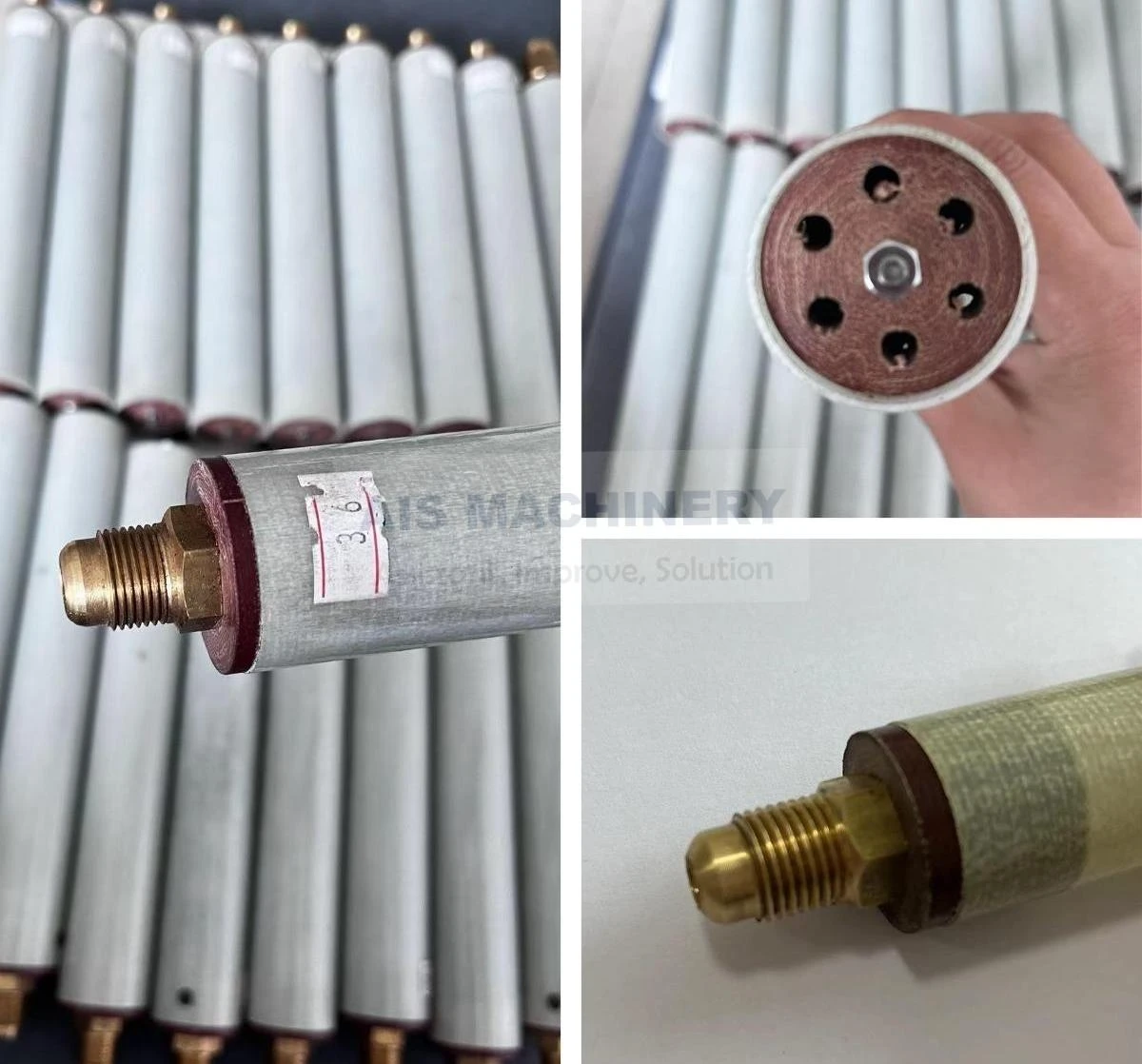
What is an Impeder and Ferrite Rods in ERW Tube Mill?
Struggling with impeder overheating or short service life in your ERW tube mill? This guide explains common impeder problems, the role of ferrite rods, and how to choose the right impeder for stable welding performance. Improve weld quality, reduce energy loss, and extend equipment lifespan with the right selection and proper cooling solutions.
2026-04-21 10:22:25
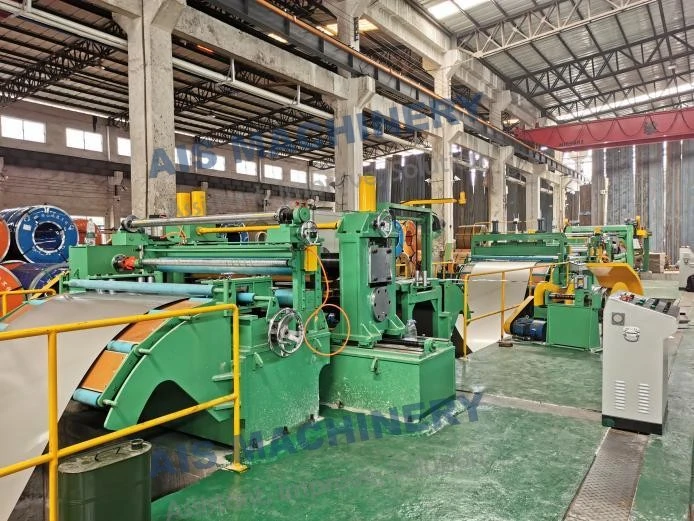
Slitting & Cut-to-Length Combined Production Line: A Smarter Way to Process Steel Coils
Discover the Slitting & Cut-to-Length Combined Production Line, a flexible solution for steel coil processing. This system integrates slitting line and cut-to-length line functions in one machine, saving space, reducing costs, and improving efficiency. Ideal for processing both steel strips and sheets, it is widely used in service centers and manufacturing industries. Learn its advantages, limitations, and applications.
2026-04-18 03:20:20
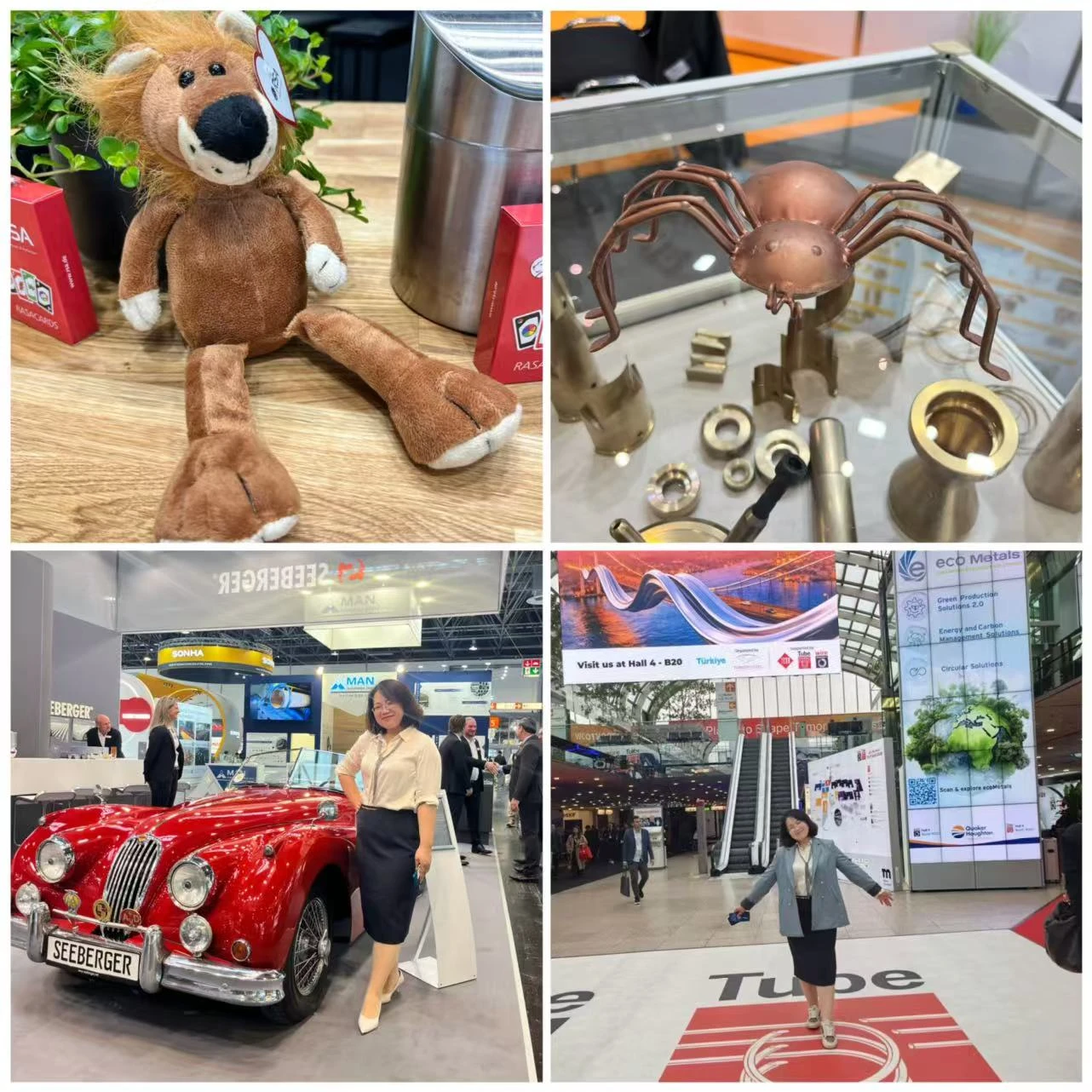
AIS Machinery Showcases Advanced Tube Solutions at Tube & Wire Düsseldorf 2026
Tube & Wire Düsseldorf 2026, one of the most influential exhibitions in the global tube and wire industry, held biennially in Düsseldorf, Germany
2026-04-17 00:00:00
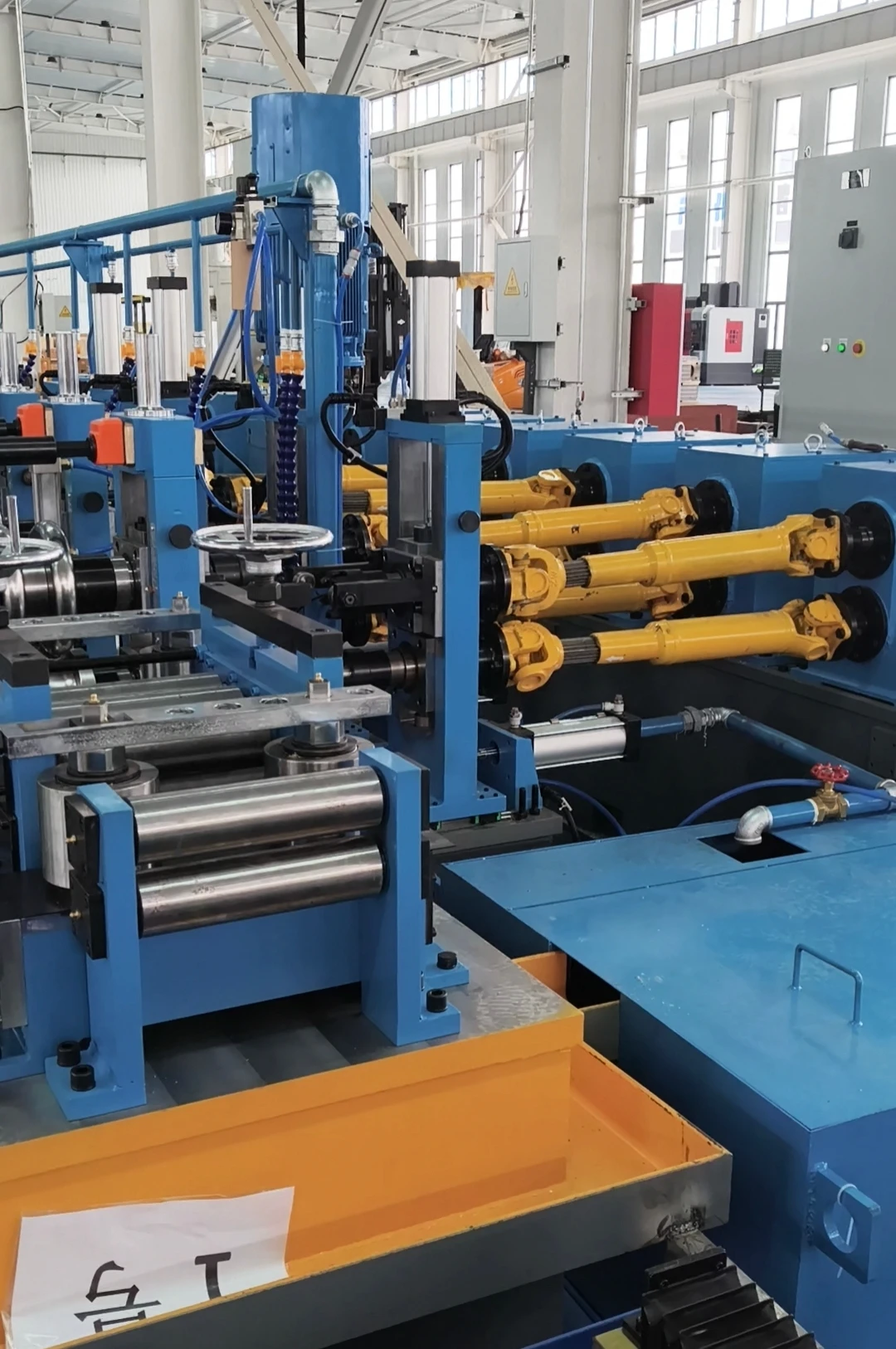
Southeast Asia Client Visits Our Factory | Customized Tube Mill Solution Delivered
A Southeast Asia client visited our ERW tube mill factory to inspect production lines and discuss a customized tube mill solution. Impressed by our machine quality, welding performance, and engineering support, the client confirmed strong cooperation intentions. Discover how our ERW tube mill solutions improve efficiency, precision, and long-term production reliability.
2026-04-15 10:37:55
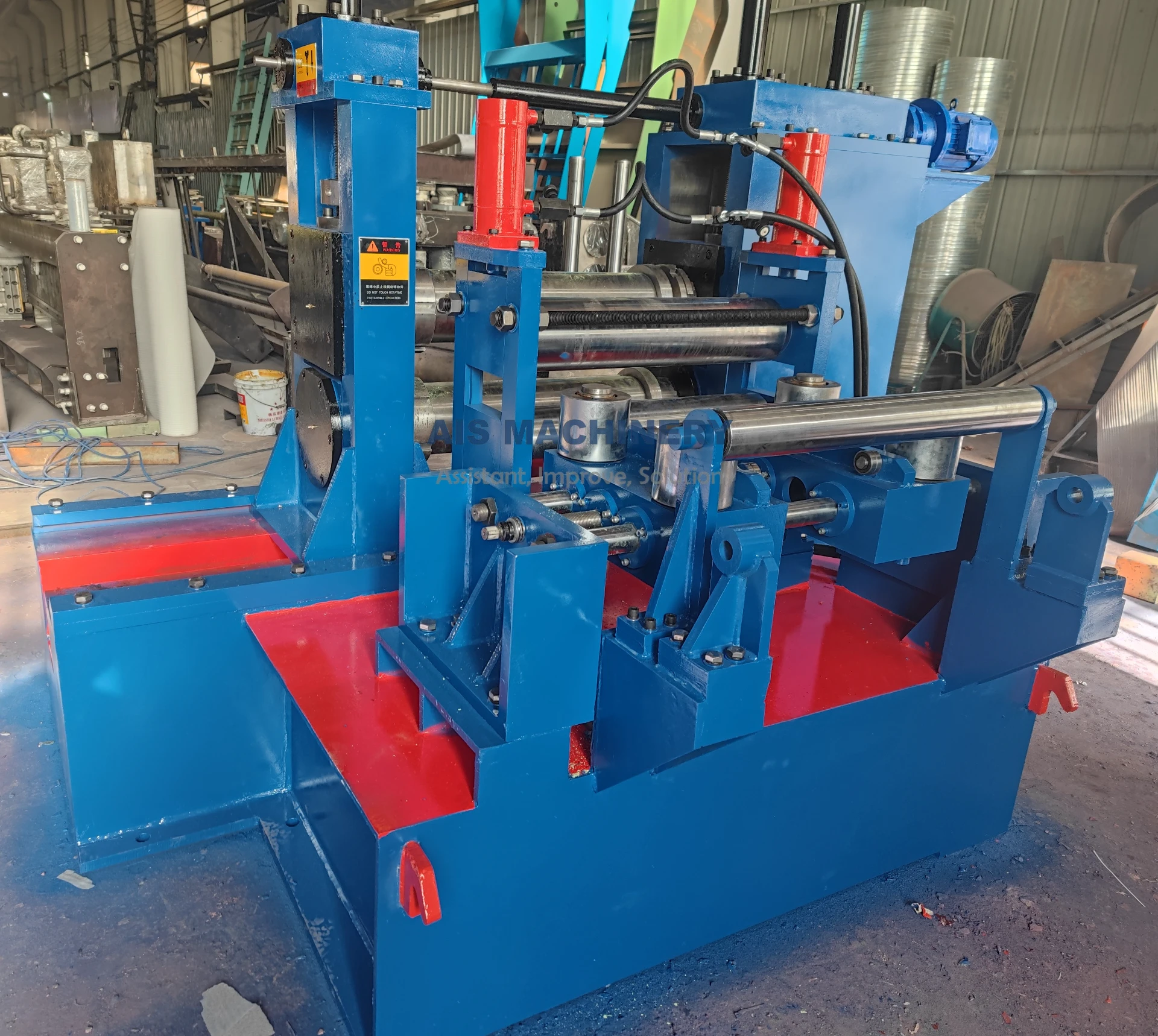
Flat Bar Production Line for Steel Coils: How It Works & Why It Matters
Looking for a flat bar production line? Learn how it turns steel coils into ready-to-use flat bars with precise length and high straightness. Compare it with slitting lines and get the best solution for your steel processing needs.
2026-04-14 00:00:00
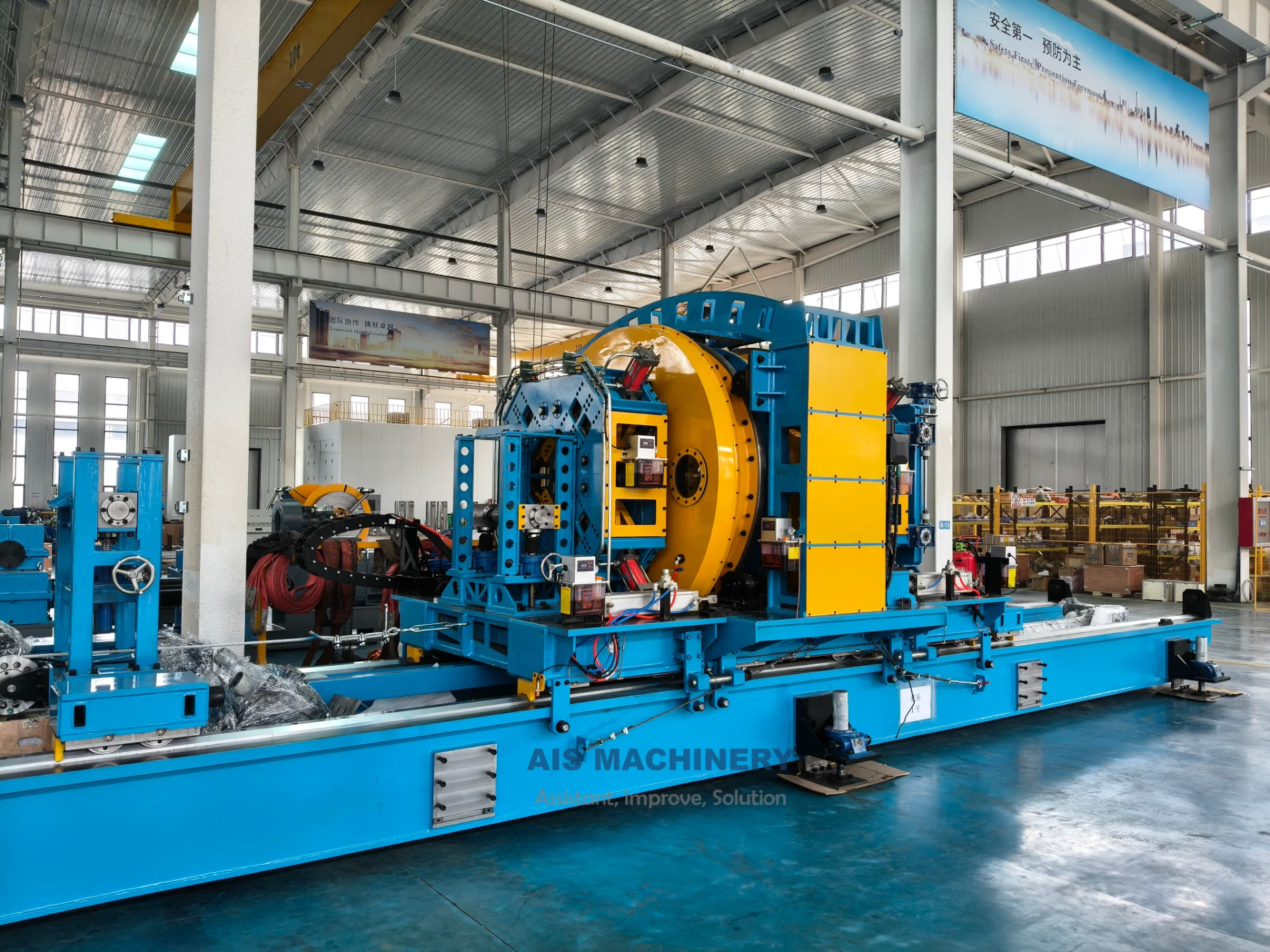
Looking for a Milling Saw for ERW Tube Mill? Here’s What You Need to Know
Looking for a high-performance milling saw for your ERW tube mill? Upgrade to burr-free, high-precision pipe cutting with advanced flying saw technology. Improve efficiency, reduce rework, and meet export standards for carbon steel, stainless steel, and API pipes. Contact us today for expert solutions and competitive pricing tailored to your production needs.
2026-04-09 16:15:19
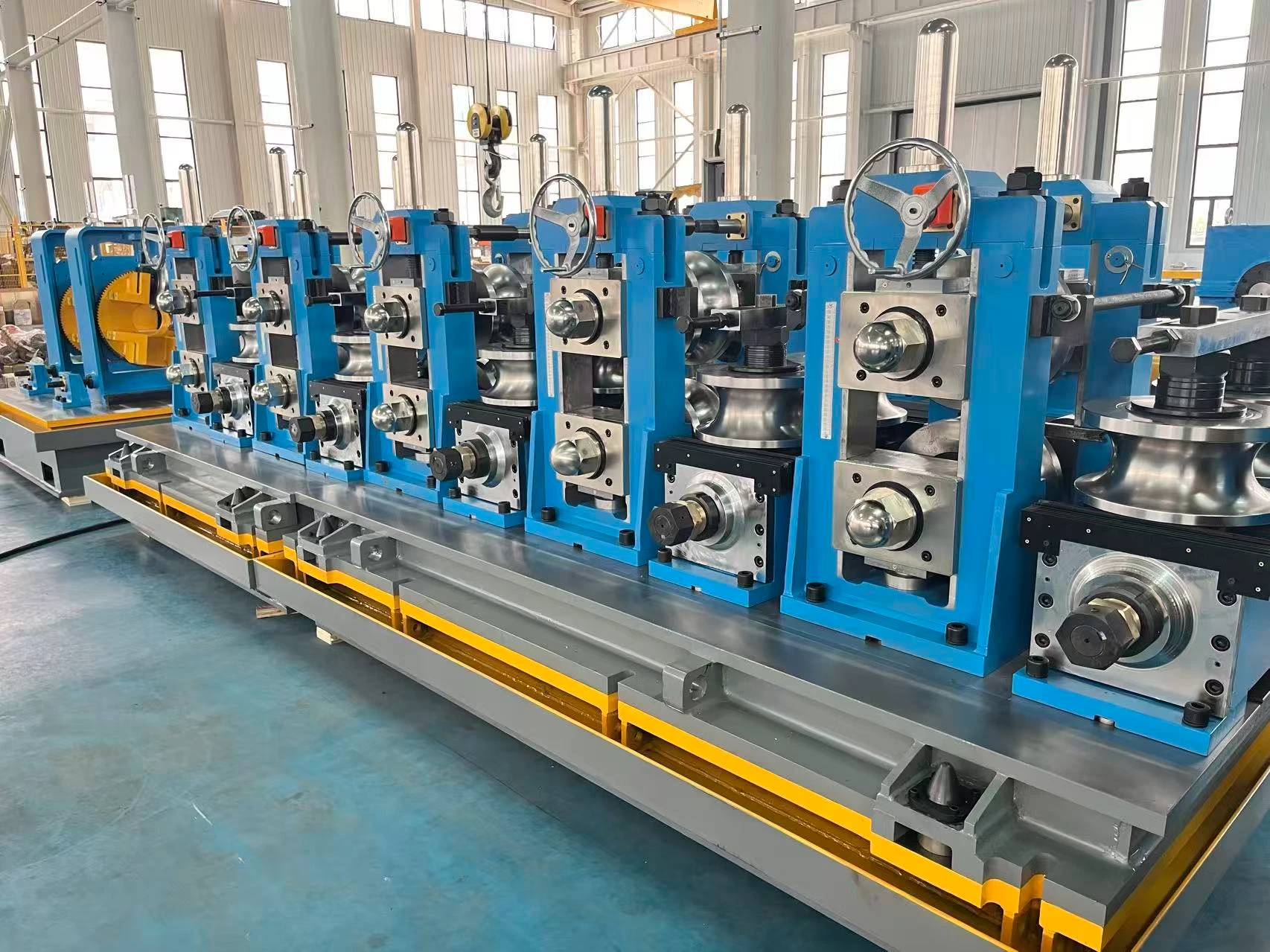
5-Inch (127mm) ERW Tube Making Machine Delivered with Heavy-Duty Design and Advanced Quick Change System
2027-04-07 00:00:00
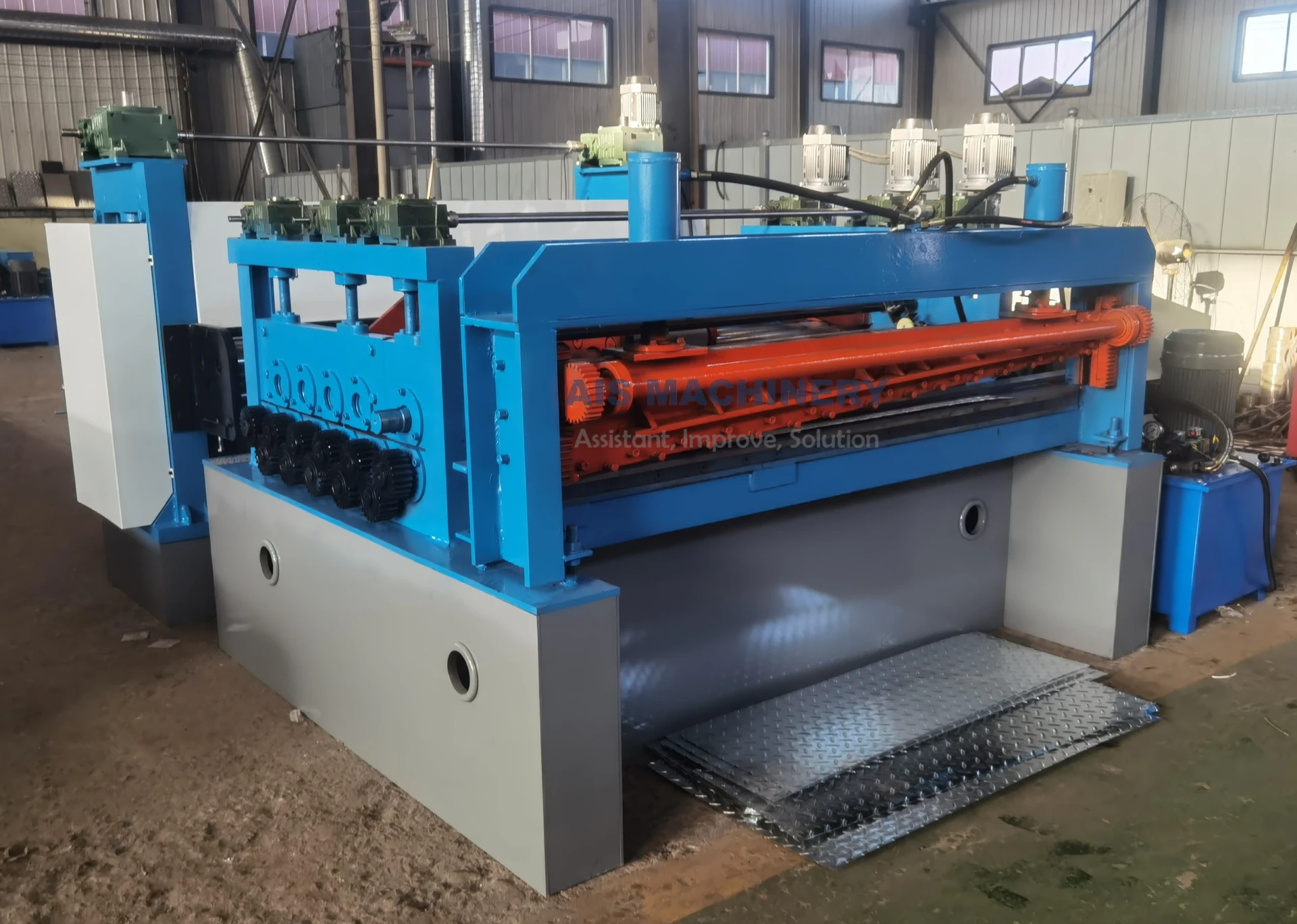
Metal Embossing Machine: Turn Flat Sheets into High-Value Textured Products
Discover how a metal embossing machine transforms flat steel, stainless steel, and aluminum sheets into high-value textured products. Learn about its working principle, key components, and applications. Ideal for decorative and industrial use, embossing machines improve both appearance and performance. Explore complete embossing line solutions and find the right machine for your production needs.
Send a Message
Dear customer, thank you for your attention! We provide high-quality machinery and equipment and look forward to your orders. Please inform us of your needs and we will respond quickly!
 English
  Albanian
  Arabic
  French
  German
  Indonesian
  Italian
  Japanese
  Kazakh
  Korean
  Latin
Latin  Macedonian
  Portuguese
  Russian
  Spanish
  Thai
Thai  Turkish
  Ukrainian
  Uzbek
Uzbek