
-
 Tel:86-15176910262
-

Search
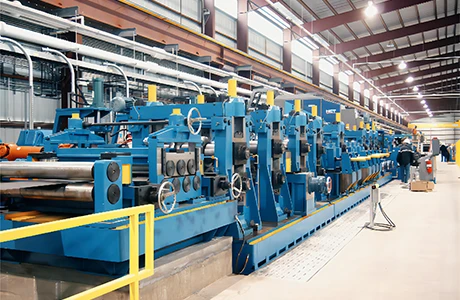
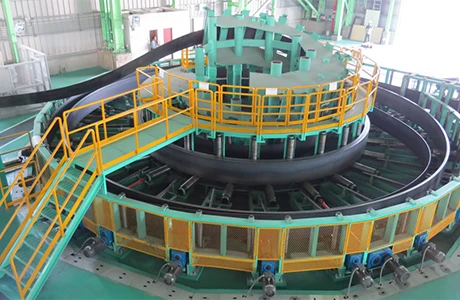
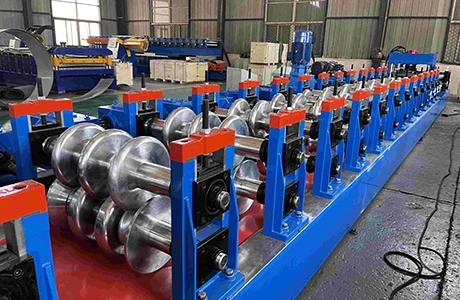
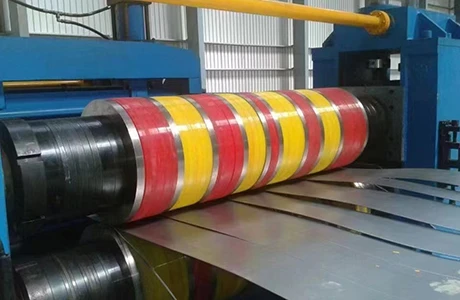

High-Quality Cold Forming Equipment Precision Cut to Length & Auxiliary Spare Parts
Jul . 06, 2025 06:10
- Overview of cold forming equipment
and its evolution - Market statistics and technological advancements
- Comprehensive comparison of top manufacturers
- Role of cut to length equipment in production optimization
- Auxiliary Equipment And Spare Parts: Ensuring efficiency and longevity
- Tailored solutions: Customization in cold forming applications
- Conclusion: The future trajectory of cold forming equipment
(cold forming equipment)
Introduction to Modern Cold Forming Equipment
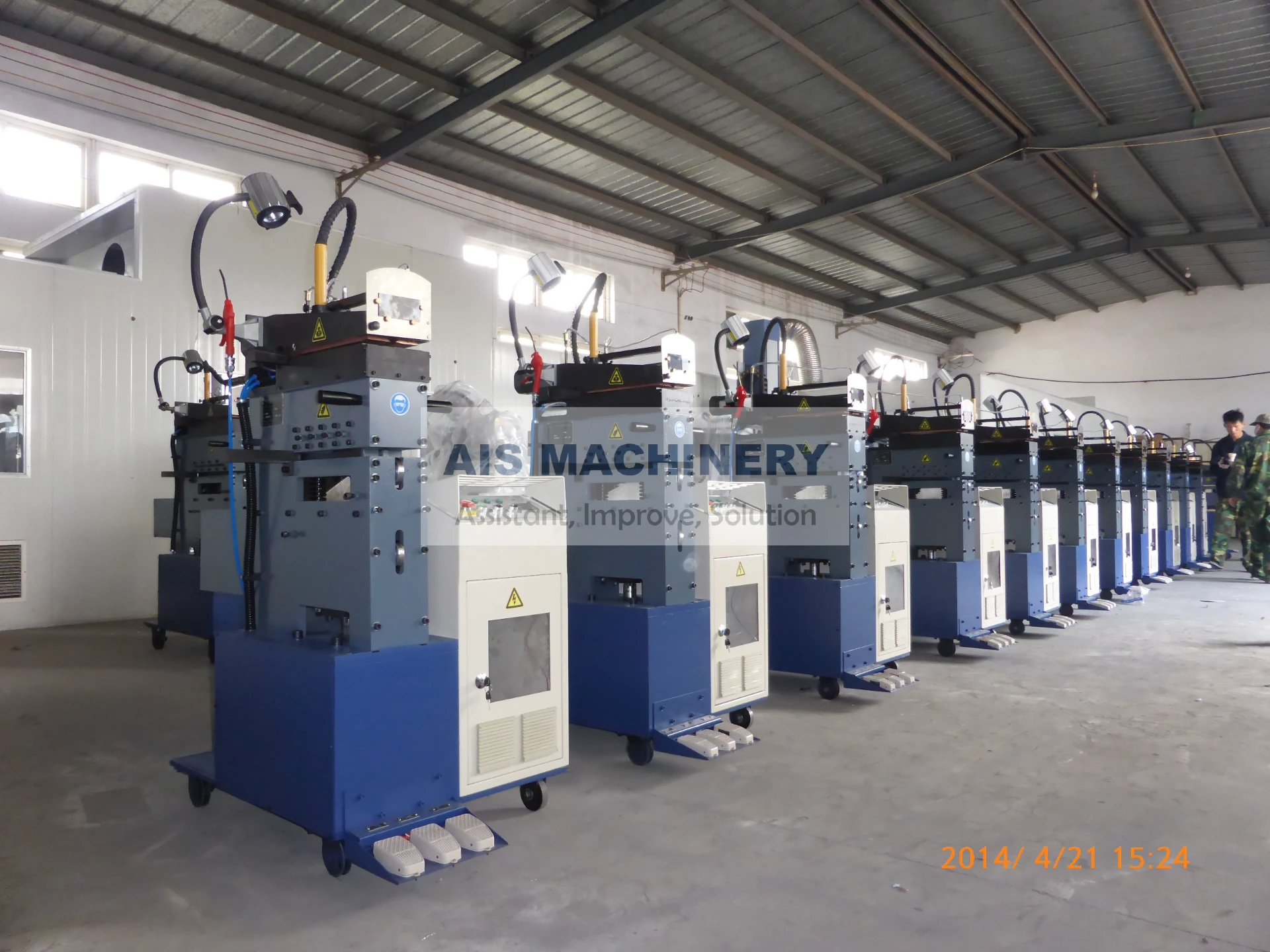
Cold forming equipment has significantly transformed the landscape of manufacturing over the last few decades. Originating as simple mechanical machines, modern systems now encompass advanced mechatronics, integration capabilities, and real-time process monitoring. Today, cold forming equipment is a core element in industries like construction, automotive, electrical, and appliance manufacturing, primarily due to its ability to deliver high precision, consistent quality, and remarkable output speeds. Recent trends also show a strong move toward automation and digitalization, offering users better traceability and minimized downtime.
The demand for high-strength, lightweight, and environmentally sustainable components aligns seamlessly with the capabilities of cold forming machines, which eliminate material wastage, lower energy consumption, and reduce the carbon footprint compared to traditional hot forming processes. This technological framework is further elevated by the integration of cut to length equipment and a growing emphasis on Auxiliary Equipment And Spare Parts, giving engineers and production managers ample flexibility and control.
Data-Driven Insights: Growth, Performance, and Technological Edge
The global cold forming equipment market has observed robust growth, driven by surges in the production of fasteners, bolts, screws, and custom-shaped metal parts. According to a 2023 report by MarketsandMarkets, the sector is projected to reach USD 25.3 billion by 2030, expanding at a CAGR of 7.5% from 2022 to 2030. This leap is attributed to superior cycle times—up to 20% faster—as well as increased yield rates compared to conventional press machinery.
In high-volume manufacturing, a typical cold heading machine produces up to 250 parts per minute, far exceeding the average throughput of hot-stamping processes. Furthermore, studies show material utilization rates approach 98%, minimizing scrap and facilitating lean manufacturing initiatives. Technological advancements such as automated tool changing, servo-driven feeders, and predictive maintenance algorithms enhance both precision and reliability. This level of innovation makes cold forming equipment an indispensable asset in today’s competitive industrial environment.
Manufacturer Comparison: Performance, Service, and Cost Analysis
Choosing the right partner for cold forming equipment directly influences production yields, ROI, and maintenance costs. Several global manufacturers have set benchmarks in technology, after-sales support, and customization capabilities. The table below compares key parameters across leading brands.
| Manufacturer | Annual Output Capacity | Automation Level | Energy Efficiency (kWh/ton) | Warranty Period | After-sales Support | Average Lead Time (weeks) |
|---|---|---|---|---|---|---|
| National Machinery | 400,000 units | Full Automation | 78 | 36 months | 24/7 Global | 12 |
| SACMA Group | 370,000 units | High Automation | 83 | 30 months | European/Asia | 14 |
| Hatebur | 320,000 units | Full Automation | 80 | 24 months | Global | 15 |
| Nedschroef | 350,000 units | Medium-High | 87 | 24 months | Europe/Asia | 13 |
As illustrated, leading manufacturers differ significantly in energy usage, lead times, and the scope of post-installation service—factors that play crucial roles in vendor selection for long-term operations.
Optimizing Workflows with Advanced Cut to Length Equipment
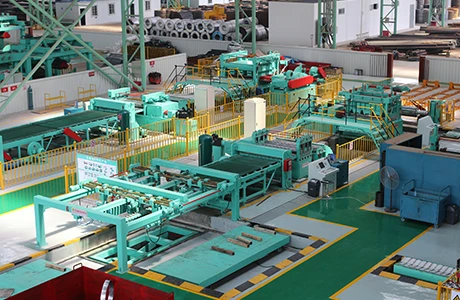
The integration of cut to length equipment is transforming the production floor, particularly in high-throughput environments. These systems are designed to precisely shear or slit coil stock into predetermined lengths, supporting downstream processes such as cold heading, extrusion, or rolling. By utilizing digital servo controls and high-speed flying shear mechanisms, modern equipment achieves tolerances of ±0.1 mm, drastically reducing scrap rates.
Cycle times have been cut to as low as 0.35 seconds per piece. This not only supports just-in-time manufacturing but also ensures consistent feedstock quality, minimizing tool wear in subsequent cold forming operations. Data integration features further allow real-time monitoring, predictive maintenance, and rapid recipe changes—facilitating a responsive production line even when handling various material grades or thicknesses within a shift.
Auxiliary Equipment And Spare Parts: Maximizing Uptime and Efficiency
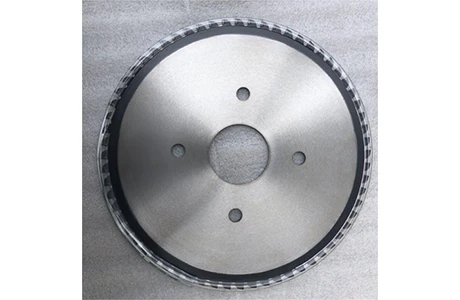
Reliable auxiliary equipment and readily available spare parts are indispensable for uninterrupted production flow. Among vital auxiliary systems are lubrication units, feeder mechanisms, straighteners, and temperature control stations. These components, when properly maintained, extend the main machine’s service life and safeguard operational consistency.
Market leaders provide modular auxiliary systems that can be reconfigured to accommodate changes in production volumes or part geometries, thus reducing capital expenditures. In terms of spare parts, statistics indicate that more than 80% of unexpected downtime in cold forming operations stems from delayed part replacements. This reality underscores the importance of choosing suppliers that offer robust logistics, readily available inventories, and digital tracking for all critical components.
Tailored Solutions: Case Studies Demonstrating Customization Benefits
Customization is a hallmark of competitive cold forming systems. A prominent automotive supplier, for example, achieved a 28% increase in throughput after implementing cold forming equipment with bespoke tooling and in-line cut to length automation. By leveraging a tailored lubrication system and adaptive servo drives, the manufacturer reduced tool changeover time to under 15 minutes and extended die life by 16%.
In another case within the electrical appliance sector, a tier-one OEM benefited from specialized auxiliary equipment engineered for rapid profile variation. Coupled with a real-time monitoring platform, this solution delivered a first-pass yield improvement from 95% to 99.2%, while also halving unplanned stoppages. Such cases highlight the tangible rewards of working with partners who offer not just standard machines, but also application-specific engineering and flexible integration options.
Conclusion: The Future Path of Cold Forming Equipment
Cold forming equipment continues to redefine efficiency, cost-competitiveness, and quality benchmarks across a multitude of industries. Equipped with data-rich capabilities, modular auxiliary systems, and seamless integration options for both cut to length equipment and spare parts management, manufacturers are now empowered to pursue advanced automation, sustainability, and mass customization simultaneously.
As the market pivots toward Industry 4.0 and smart manufacturing, those investing in full-spectrum cold forming solutions will secure leadership advantages, reduced operational risk, and faster time-to-market. The evolution of these systems, guided by continuous feedback from real-world applications and robust engineering advancements, promises an even greater impact on the next generation of industrial productivity and innovation.
(cold forming equipment)
FAQS on cold forming equipment
Q: What is cold forming equipment used for?
A: Cold forming equipment shapes metal at room temperature without heating. It's widely used in the production of fasteners, automotive parts, and metal profiles. This process increases material strength and reduces waste.Q: How does cut to length equipment benefit metalworking operations?
A: Cut to length equipment automatically cuts metal coils into specific lengths. This improves accuracy, reduces manual labor, and increases production efficiency. It's ideal for preparing materials for further processing.Q: What types of auxiliary equipment are typically needed with cold forming machines?
A: Auxiliary equipment includes feeders, straighteners, and decoilers. These enhance automation and support efficient material handling. Using the right auxiliaries ensures smoother operation and higher product quality.Q: Why are spare parts critical for cold forming equipment maintenance?
A: Spare parts minimize downtime by enabling quick repairs. Keeping essential parts on hand ensures continuous production and prevents costly stoppages. Routine maintenance with genuine parts extends equipment lifespan.Q: Can cold forming equipment be customized for specific production requirements?
A: Yes, cold forming machines can be tailored to produce various shapes and sizes. Custom dies and tooling are available for specialized applications. This flexibility meets diverse industrial demands efficiently.
Related Products

Related News
2025-08-22 10:23:03
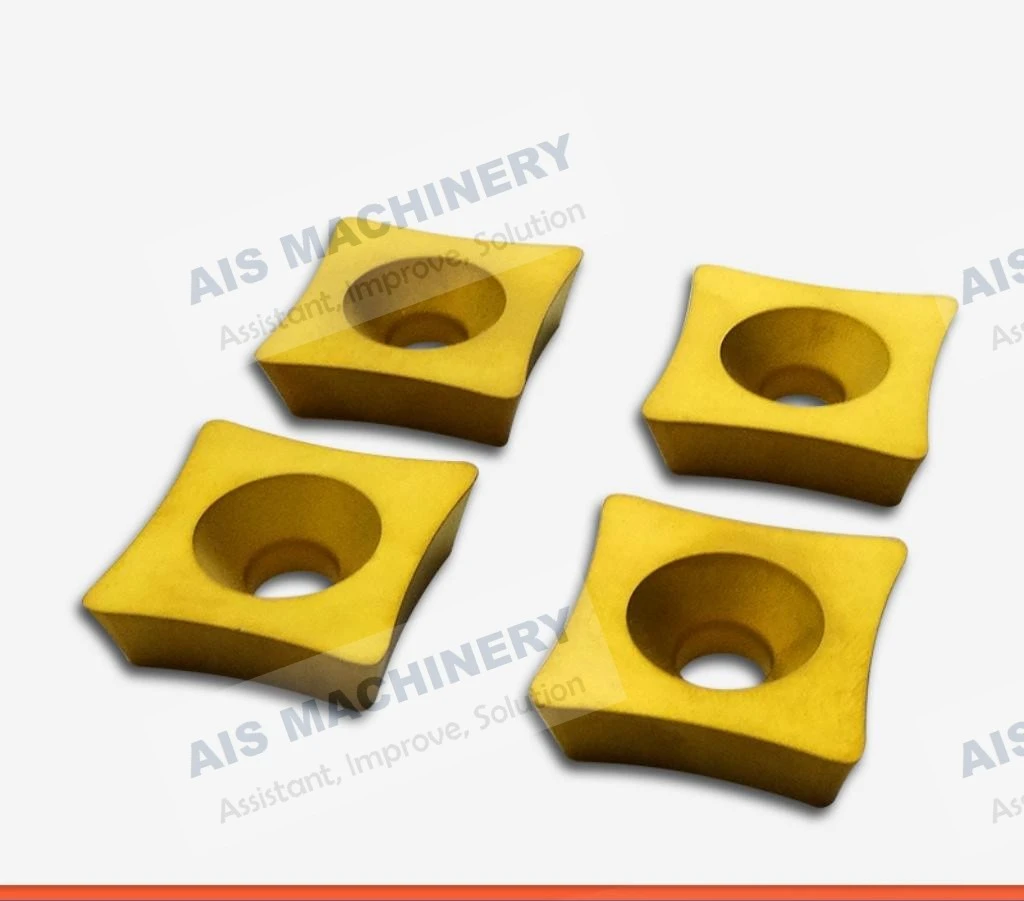
From Burrs to Smooth Pipes Made Simple
External burrs reduce surface quality, while internal burrs block smooth flow inside pipes. With external burr scraping blades and specialized internal deburring tools, both issues are solved efficiently. This ensures tubes have a clean surface, smooth inner walls, and excellent performance — making your pipe products stronger, safer, and more durable.
2025-08-21 16:23:41
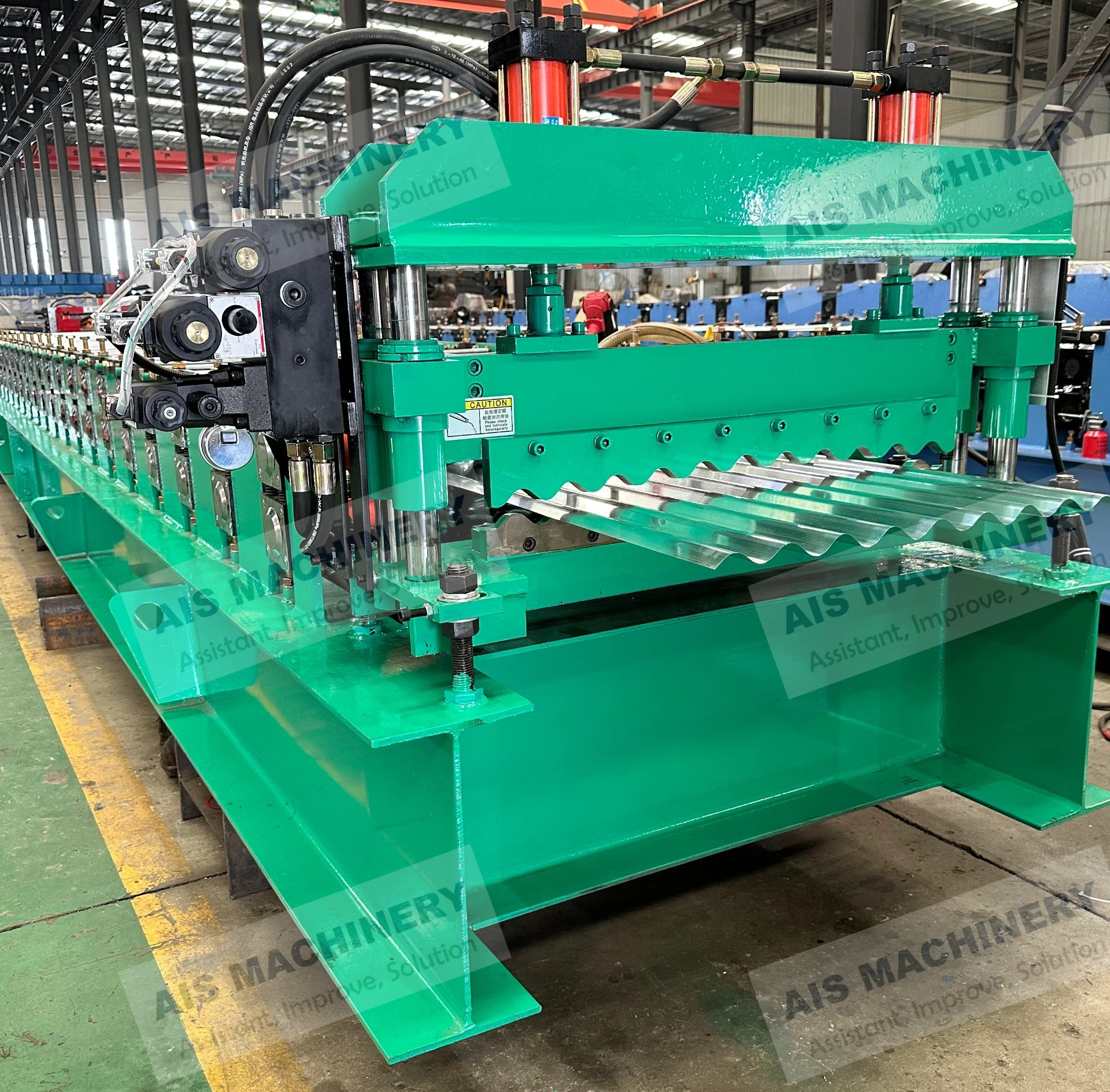
From Coil to Roof: Fast & Reliable Roll Forming
A roofing sheet roll forming machine transforms steel coils into corrugated, trapezoidal, tile, or double-layer profiles with precise shapes and smooth finishes. Widely used in residential, industrial, and commercial construction.Our machines help manufacturers reduce costs while producing durable and waterproof roofing panels for modern projects.
2025-08-21 10:43:36
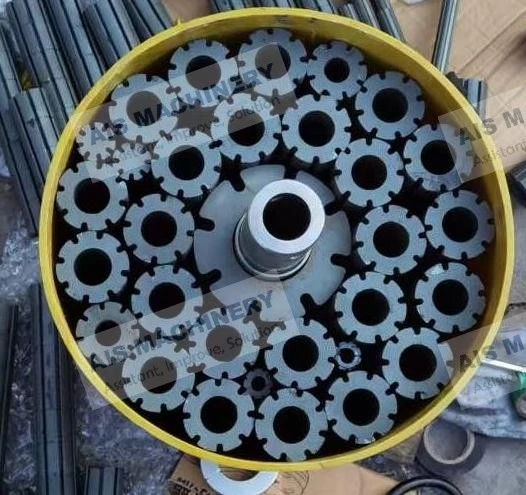
Ferrite VS Impeder: Key Differences in ERW Tube Mill
Ferrite used to guide and concentrate high-frequency current. The impeder is composed of ferrite rods, a protective sleeve, and a cooling tube. Installed inside ERW tube mills, it focuses the welding current on the seam, thereby improving efficiency and weld quality.
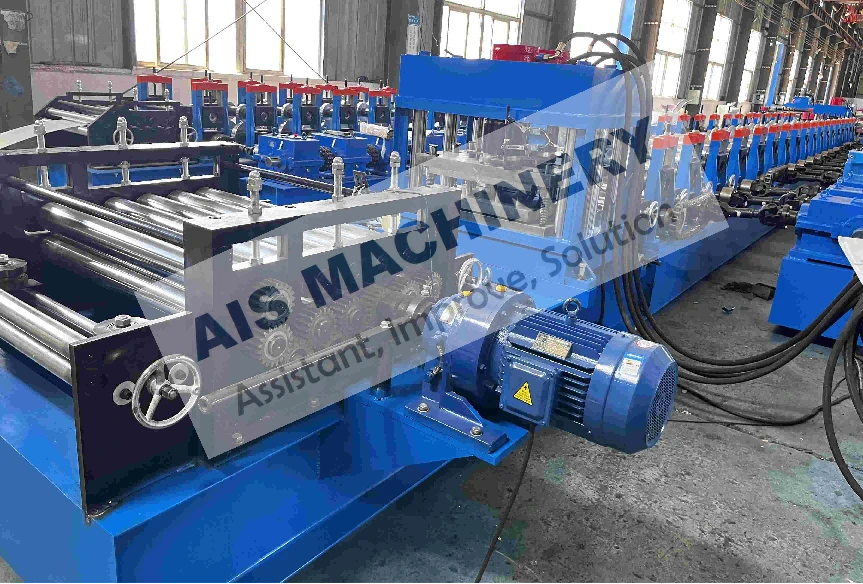
2025-07-28 15:14:17
Steel Pipe Making Machine Material Compatibility
Understanding material compatibility in steel pipe making machine operations is crucial for ensuring product quality, equipment longevity, and production efficiency.
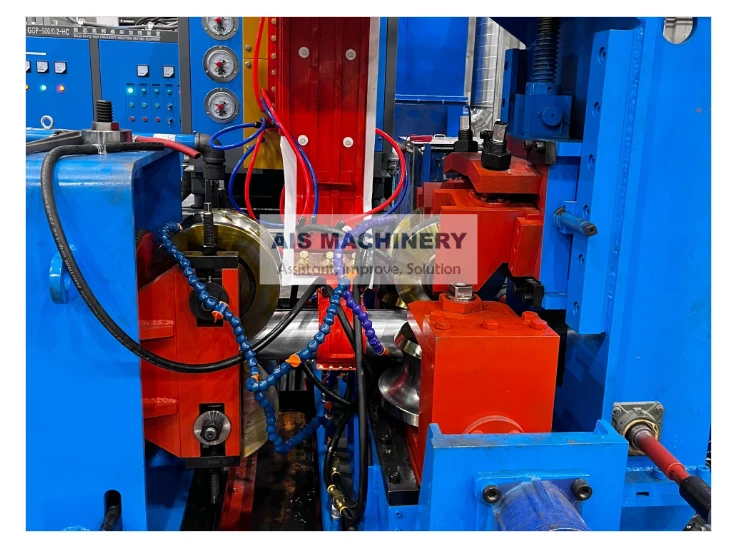
2025-07-28 15:10:43
Solid State Welding Machine Material Compatibility
Understanding material compatibility is foundational to maximizing the performance of solid state welding machine systems, ensuring strong, durable welds while protecting equipment integrity.
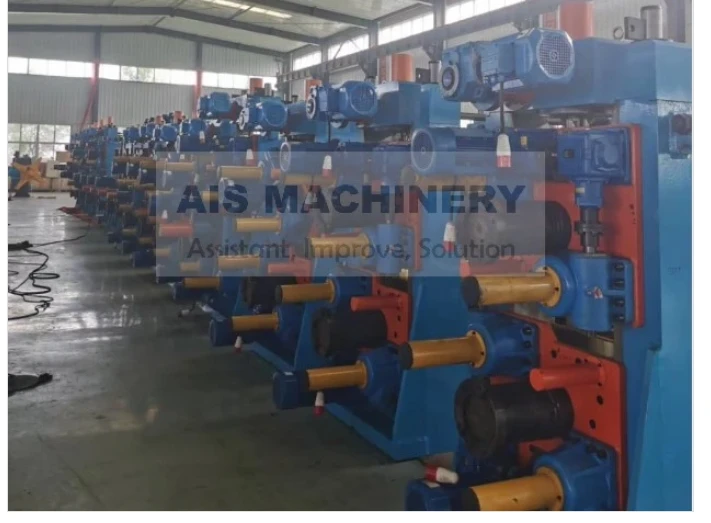
2025-07-28 15:07:32
Production speed is a critical metric for pipe mill operations, directly impacting productivity, cost efficiency, and customer satisfaction.
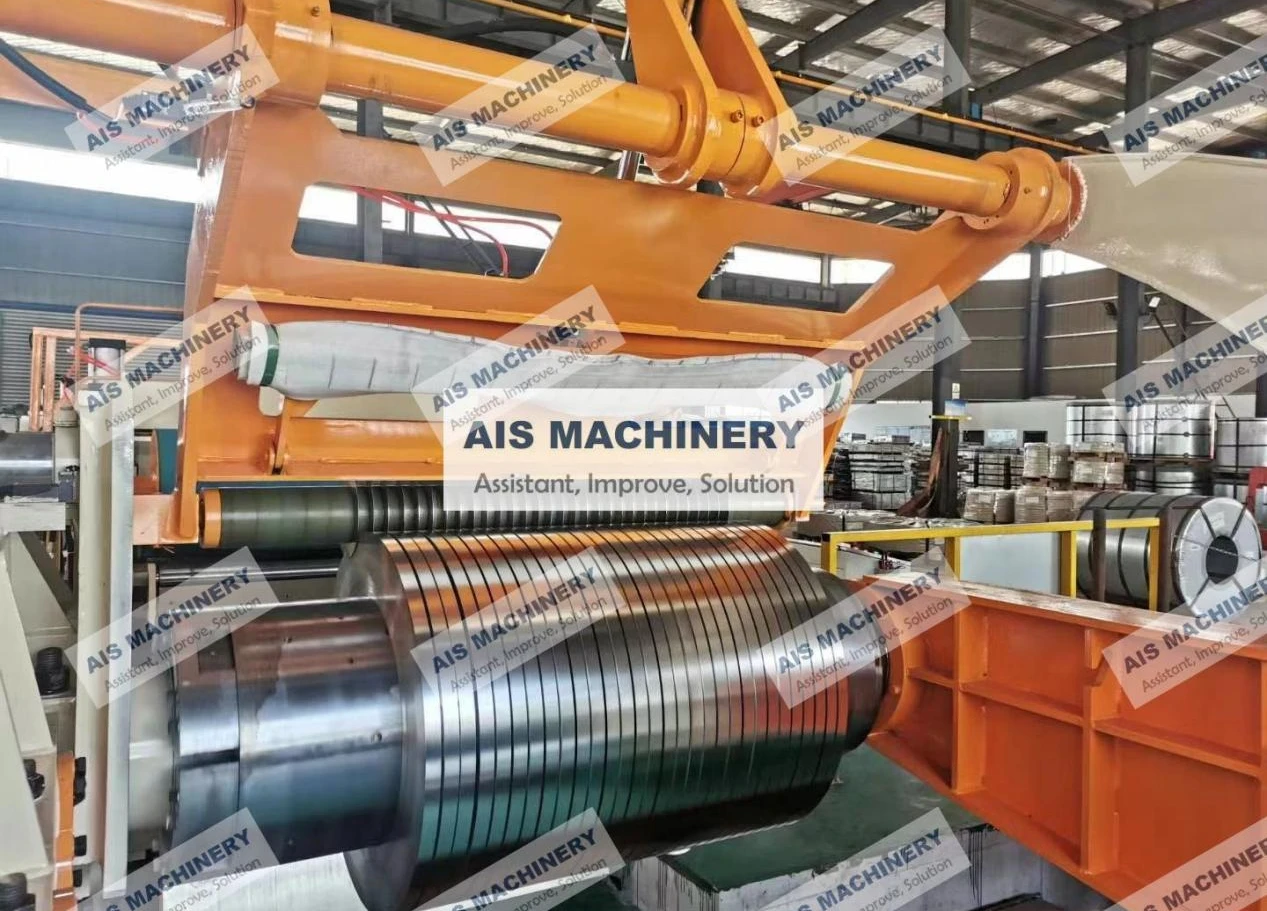
2025-07-28 15:02:13
Metal Slitting Line Coil Width Range
Understanding the coil width range capabilities of a metal slitting line is essential for selecting equipment that aligns with diverse material processing needs, from narrow strips to wide coils.
2025-07-28 14:57:53
ERW Pipe Mill Material Compatibility
Material compatibility is a cornerstone of efficient and high-quality pipe production in ERW Pipe Mill operations.
Send a Message
Dear customer, thank you for your attention! We provide high-quality machinery and equipment and look forward to your orders. Please inform us of your needs and we will respond quickly!
 English
  Albanian
  Arabic
  French
  German
  Indonesian
  Italian
  Japanese
  Kazakh
  Korean
  Latin
Latin  Macedonian
  Portuguese
  Russian
  Spanish
  Thai
Thai  Turkish
  Ukrainian
  Uzbek
Uzbek