
-
 Tel:86-15176910262
-

Search
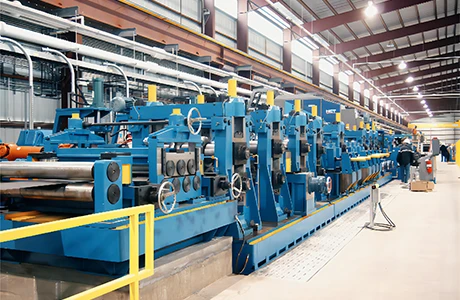
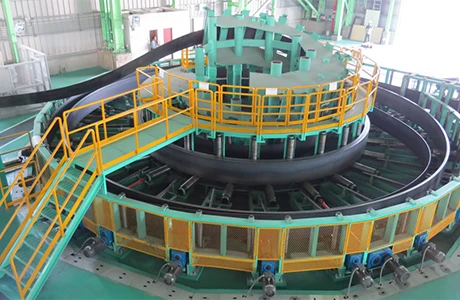
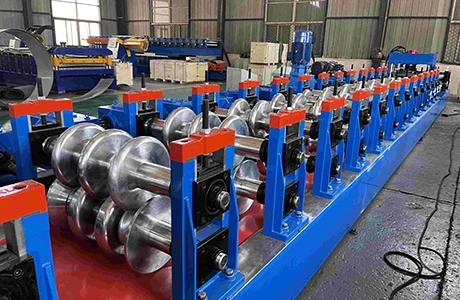
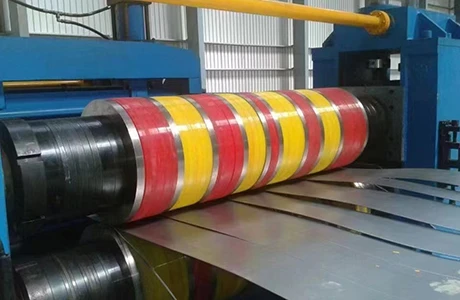
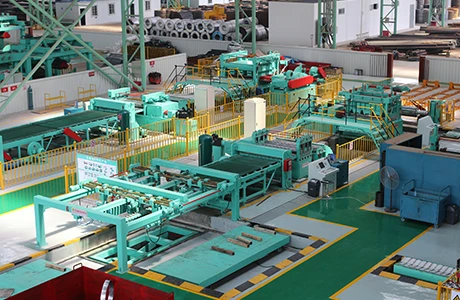
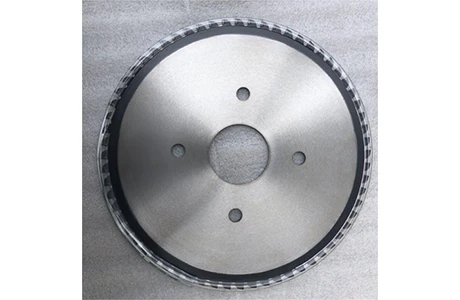
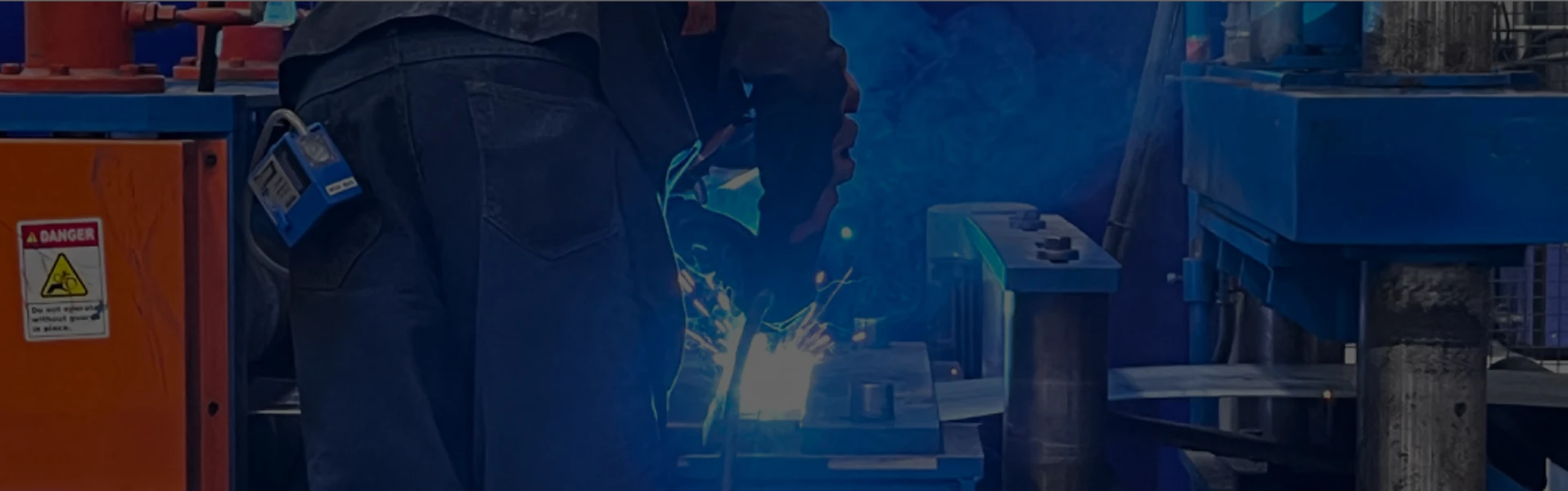

High-Efficiency Pipe Mill Machine for Precision Manufacturing Leading Pipe Mill Suppliers
Jul . 06, 2025 04:10
- Introduction to Pipe Mill Machines in Industrial Manufacturing
- Market Demand and Process Evolution
- Key Technical Advantages of Modern Pipe Mill Process
- Comparison of Leading Pipe Mill Suppliers
- Custom Solutions and Integration Strategies
- Application Cases and Industry Impact
- Conclusion: Pipe Mill Machine Transformation of the Manufacturing World
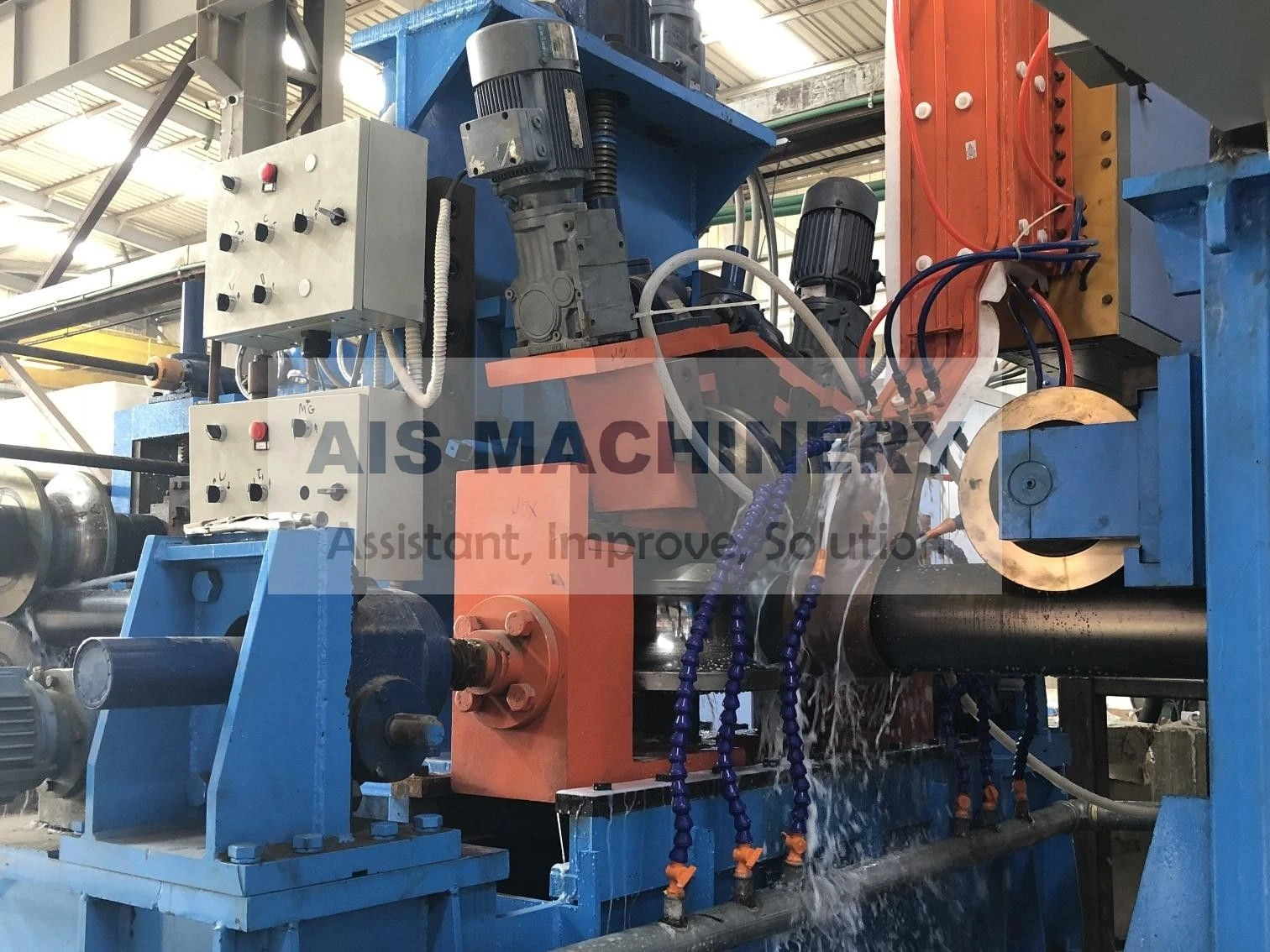
(pipe mill machine)
Introduction to Pipe Mill Machine in Industrial Manufacturing
The manufacturing sector has witnessed immense transformation in recent decades, hand-in-hand with robust growth in the demand for high-standard pipe products. The pipe mill machine
sits at the core of this evolution, enabling industries to produce seamless and welded pipes with unmatched precision and speeds. These machines have redefined productivity benchmarks: global pipe production surpassed 167 million metric tons in 2023, underlining the enormous scale at which manufacturers rely on efficient pipe-making solutions. Whether for construction, petroleum, chemical, or automotive applications, the role of advanced pipe mill equipment is indispensable, blending accuracy, speed, and durability to match large-scale needs. Comprehensive understanding of the landscape, technology, and suppliers is crucial for stakeholders seeking to secure a competitive edge in pipe manufacturing.
Market Demand and Evolution of Pipe Mill Process
The global pipe market, projected to reach over $180 billion by 2027, is driven by increasing infrastructural developments across Asia-Pacific, North America, and Europe. This surge in demand has urged manufacturers to revisit the pipe mill process itself, adapting to changing specifications and regulatory standards. Traditionally, pipe manufacturing relied on manual or semi-automated setups that posed bottlenecks in quality consistency and output volumes. The modern pipe mill process embeds automation at every stage: from material feeding, high-frequency welding, non-destructive testing, straightening, to precision cutting. Automation not only lessens human errors but also ensures proteins reach tolerances within ±0.02 mm for critical applications. Ongoing digitalization further enables real-time process monitoring and predictive maintenance, maximizing uptime while lowering operational costs.
Key Technical Advantages of Modern Pipe Mill Process
The technical evolution within pipe mill machinery has unlocked several core performance enhancements. Below are pivotal technical advantages:
- High-Speed Production: New-generation mills operate at speeds up to 120 meters/minute, doubling the throughput of legacy systems.
- Material Versatility: Capable of processing stainless steel, carbon steel, and exotic alloys, meeting diverse end-user requirements.
- Superior Welding Technology: Integration of HF welding or laser welding guarantees joints with mechanical properties exceeding base metals by up to 30%.
- Dimensional Accuracy: Advanced forming and sizing achieve ovality and thickness tolerances under industry-leading standards, often required in aerospace and pharmaceutical usage.
- Energy Efficiency: Modern motors and inverter systems slash energy consumption by 15-20% compared to traditional mills.
Comparison of Leading Pipe Mill Suppliers
Selecting from top pipe mill suppliers can make a marked difference in cost-effectiveness, machine uptime, and after-sales support. Below is a data table comparing four globally respected suppliers based on measurable criteria:
| Supplier | Max Production Speed (m/min) | Product Range Diameter (mm) | Energy Efficiency (%) | After-Sales Service | Warranty (Years) |
|---|---|---|---|---|---|
| SMS Group | 120 | 10–500 | 18 | 24/7 Global Support | 3 |
| Fives Group | 110 | 8–457 | 20 | Online Diagnostics | 2 |
| Yoder (MTS) | 100 | 13–406 | 17 | Remote Assistance | 2 |
| HEBEI TENGYANG | 95 | 16–355 | 15 | Regional Service Network | 1 |
As evident, global leaders like SMS Group and Fives present well-balanced portfolios, blending speed, product range, and energy savings. Warranty periods and service availability are important differentiators, especially for customers prioritizing uptime and minimized lead times.
Custom Solutions and Integration Strategies
Not all pipe mill applications are created equal. Industry clients often require customized solutions that blend standard machinery functionalities with bespoke features. For example, energy sector projects may demand robust corrosion-resistant cladding integration, while automotive or aerospace users seek ultra-precise tolerance modules. Customization options typically include:
- Tooling Adaptation: Special dies for non-standard profiles or rapid size shifting.
- Automation Layering: Real-time vision systems for seam tracking, integrated material traceability systems, and IoT-enabled PLC controls.
- Hybrid Welding Heads: For exotic alloy pipelines or high-frequency transitions within the pipe body.
- End-to-End Line Automation: Linking forming, cutting, hydro-testing, and packaging sections for lights-out operations.
- Data Analytics: Cloud-based dashboards providing predictive maintenance and batch history, optimizing lifecycle management.
Application Cases and Industry Impact
Pipe mill machines have proven vital in an array of ambitious industry projects worldwide. A notable example is a North American oil & gas client who, after transitioning to a fully automated pipe mill line, achieved a 28% surge in yield and a 14% reduction in energy costs within the first year of operation. Similarly, a leading pharmaceutical equipment producer deployed hybrid HF/laser welding systems to create ultra-thin, medical-grade tubes achieving 0.15 mm wall thickness with near-zero scrap rates. Construction sector data reflect a marked decline in project delays, with faster, defect-free pipe deliveries supporting massive high-rise and infrastructure initiatives.
International case studies also show the environmental impact. European mills retrofitted with eco-friendly drive trains and regenerative braking systems cut CO2 emissions by an estimated 1,250 tons annually per line. These figures underscore the growing role of advanced pipe mill process technology not only in productivity but also sustainability metrics — two pillars now inseparable in modern industry.
Conclusion: The Ongoing Transformation Driven by Pipe Mill Machine
The relentless advancement in pipe mill machine technology continues to reshape every facet of pipe manufacturing — enhancing efficiency, adaptability, and sustainability. With the convergence of automation, precision engineering, and digital intelligence, manufacturers are empowered to meet skyrocketing demand and tighter tolerances while minimizing costs and environmental impacts. Competitive selection of pipe mill suppliers and the deployment of tailored solutions are crucial levers for future-proofing operations. As global infrastructure and advanced sectors accelerate, the role of modern pipe mill process will only expand, catalyzing further breakthroughs across supply chains and setting higher standards for quality and productivity worldwide.
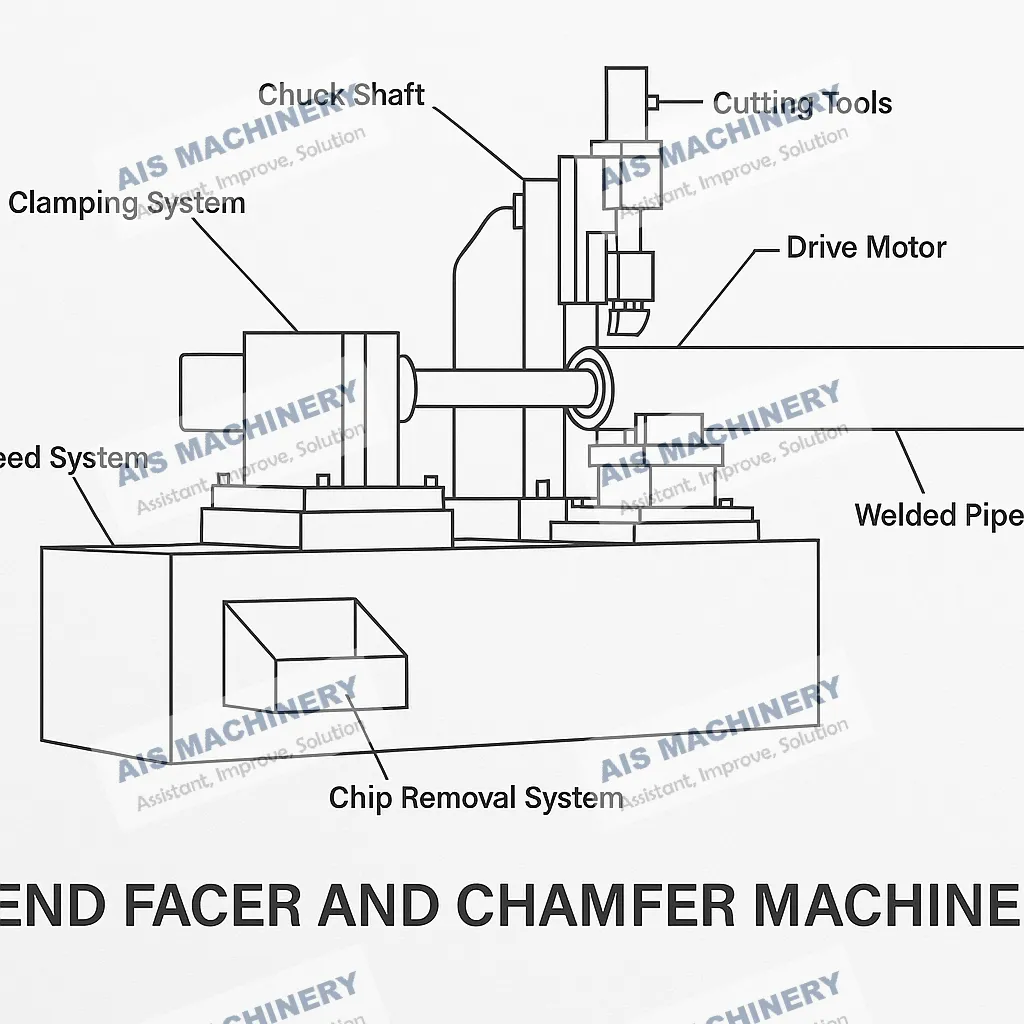
(pipe mill machine)
FAQS on pipe mill machine
Q: What is a pipe mill machine?
A: A pipe mill machine is specialized equipment used to manufacture pipes from metal strips or sheets. It forms, welds, and sizes the pipes. It is widely used in industries like construction, oil & gas, and water supply.
Q: How does the pipe mill process work?
A: The pipe mill process involves feeding metal strips through rollers to form a pipe, then welding the seams. The pipe is then cut and finished to desired specifications. This process ensures uniformity and strength.
Q: What should I consider when choosing pipe mill suppliers?
A: Look for suppliers with a strong reputation, reliable after-sales support, and proven quality standards. It's also important to check their customization options and delivery timelines. Comparing prices and customer reviews can also help.
Q: Can pipe mill machines produce different pipe sizes?
A: Yes, most pipe mill machines are adjustable and can produce various pipe diameters and thicknesses. The flexibility depends on the specific model and design. Always confirm size range with the manufacturer.
Q: What materials can be processed by pipe mill machines?
A: Pipe mill machines commonly process materials like carbon steel, stainless steel, and sometimes aluminum. The choice of material depends on the end-use application. Manufacturers often specify compatible materials for each machine.

Related Products


Related News
2025-08-22 10:23:03
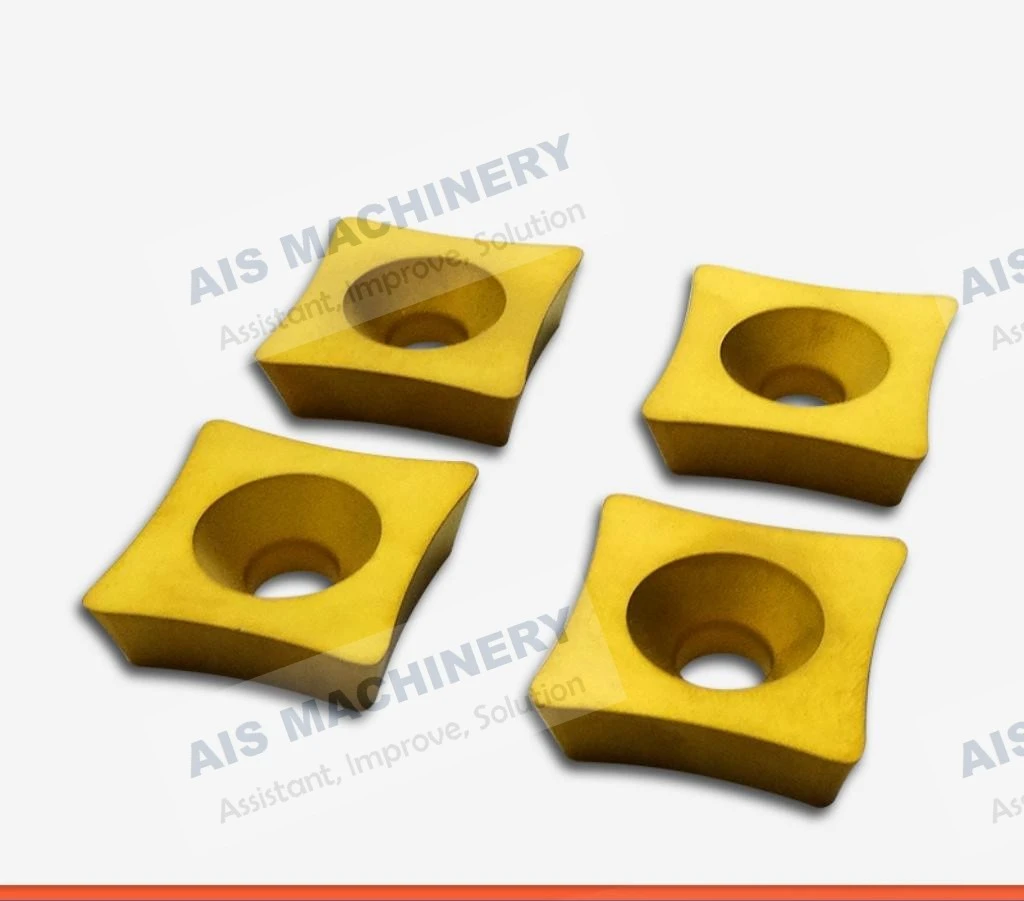
From Burrs to Smooth Pipes Made Simple
External burrs reduce surface quality, while internal burrs block smooth flow inside pipes. With external burr scraping blades and specialized internal deburring tools, both issues are solved efficiently. This ensures tubes have a clean surface, smooth inner walls, and excellent performance — making your pipe products stronger, safer, and more durable.
2025-08-21 16:23:41
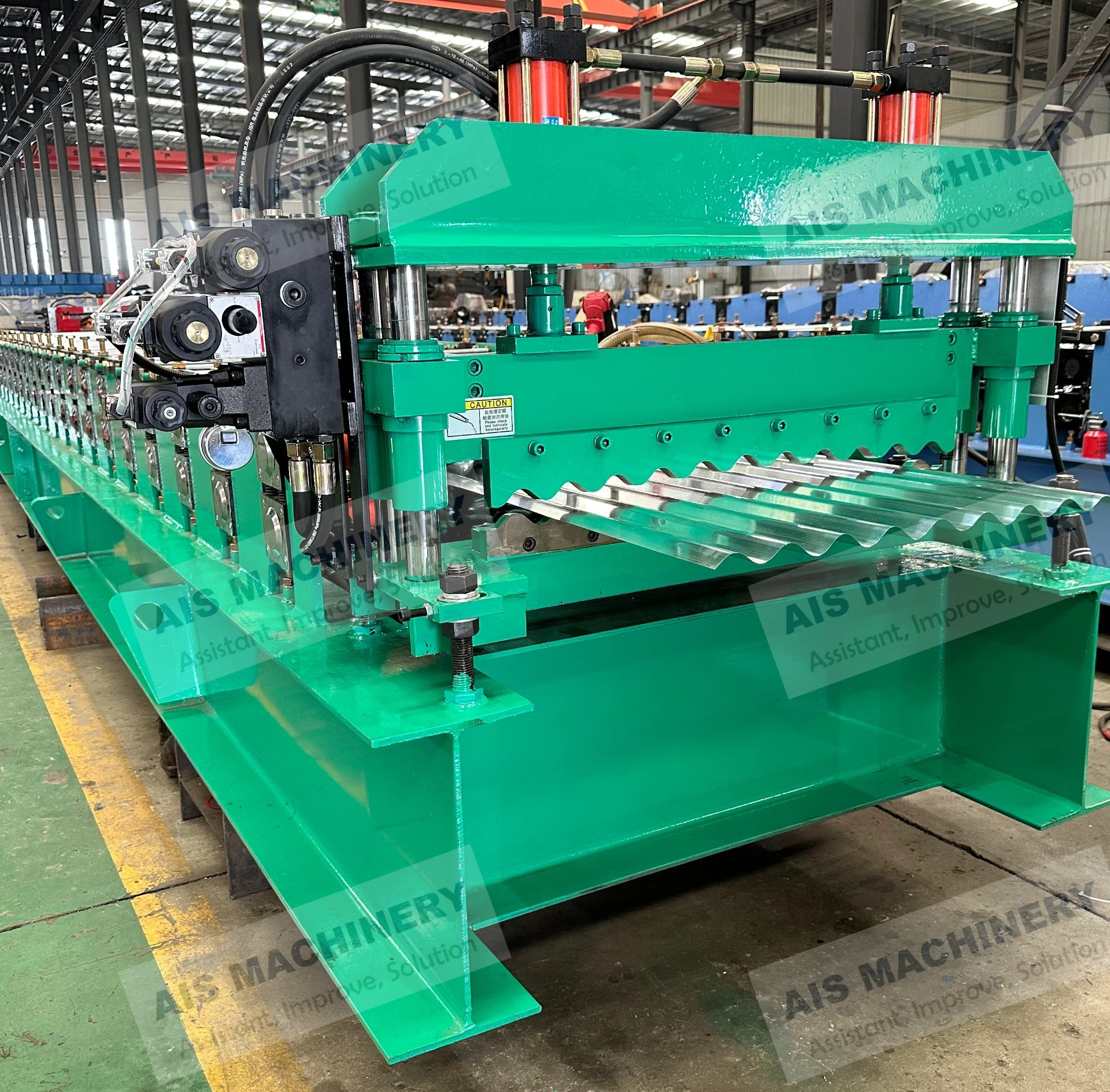
From Coil to Roof: Fast & Reliable Roll Forming
A roofing sheet roll forming machine transforms steel coils into corrugated, trapezoidal, tile, or double-layer profiles with precise shapes and smooth finishes. Widely used in residential, industrial, and commercial construction.Our machines help manufacturers reduce costs while producing durable and waterproof roofing panels for modern projects.
2025-08-21 10:43:36
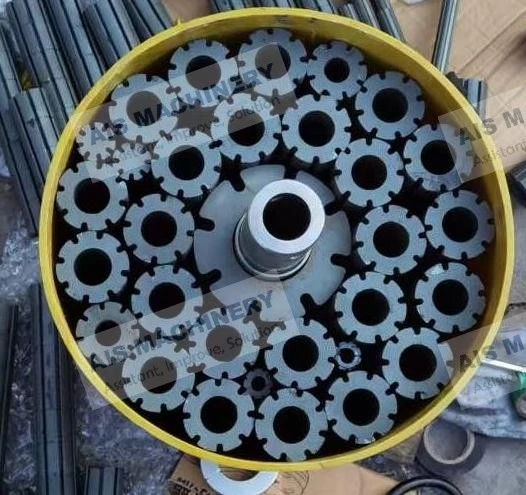
Ferrite VS Impeder: Key Differences in ERW Tube Mill
Ferrite used to guide and concentrate high-frequency current. The impeder is composed of ferrite rods, a protective sleeve, and a cooling tube. Installed inside ERW tube mills, it focuses the welding current on the seam, thereby improving efficiency and weld quality.
2025-07-28 15:14:17
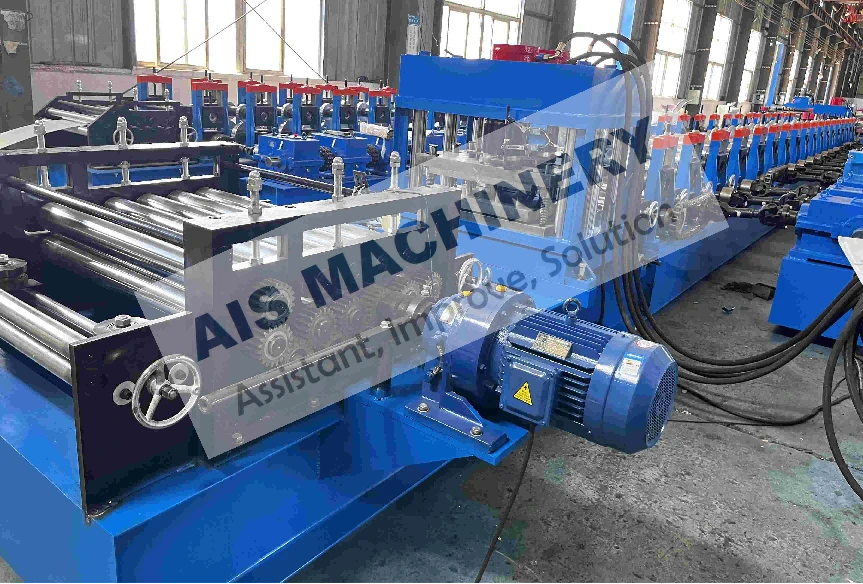
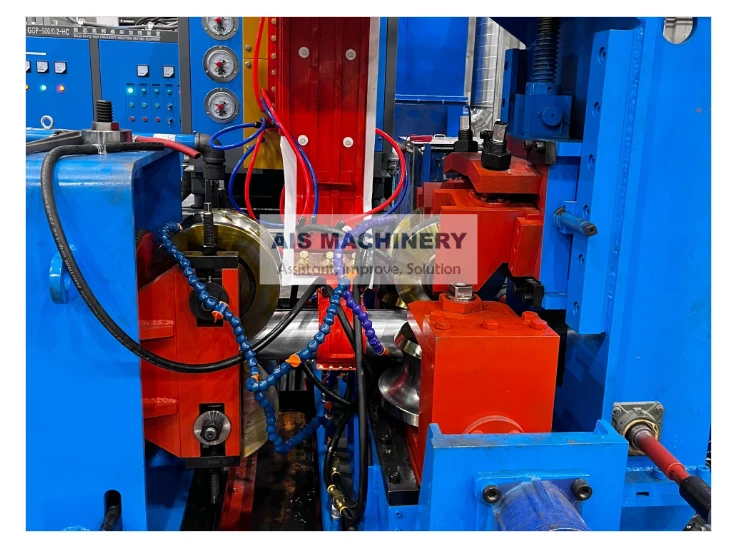
Steel Pipe Making Machine Material Compatibility
Understanding material compatibility in steel pipe making machine operations is crucial for ensuring product quality, equipment longevity, and production efficiency.
2025-07-28 15:10:43
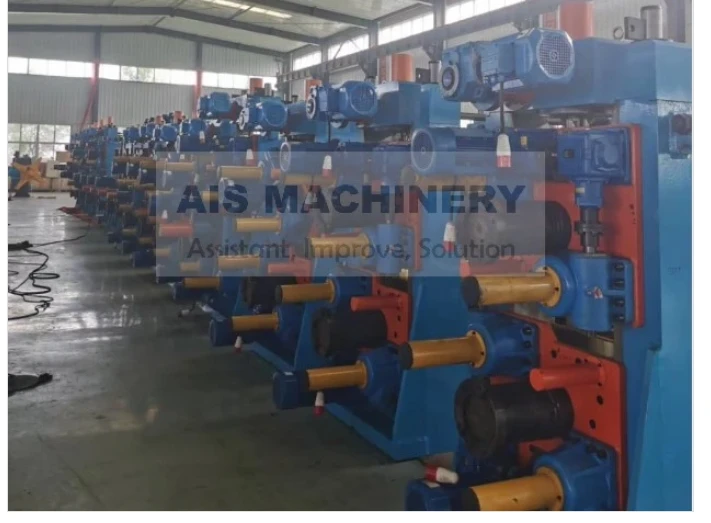
Solid State Welding Machine Material Compatibility
Understanding material compatibility is foundational to maximizing the performance of solid state welding machine systems, ensuring strong, durable welds while protecting equipment integrity.
2025-07-28 15:07:32
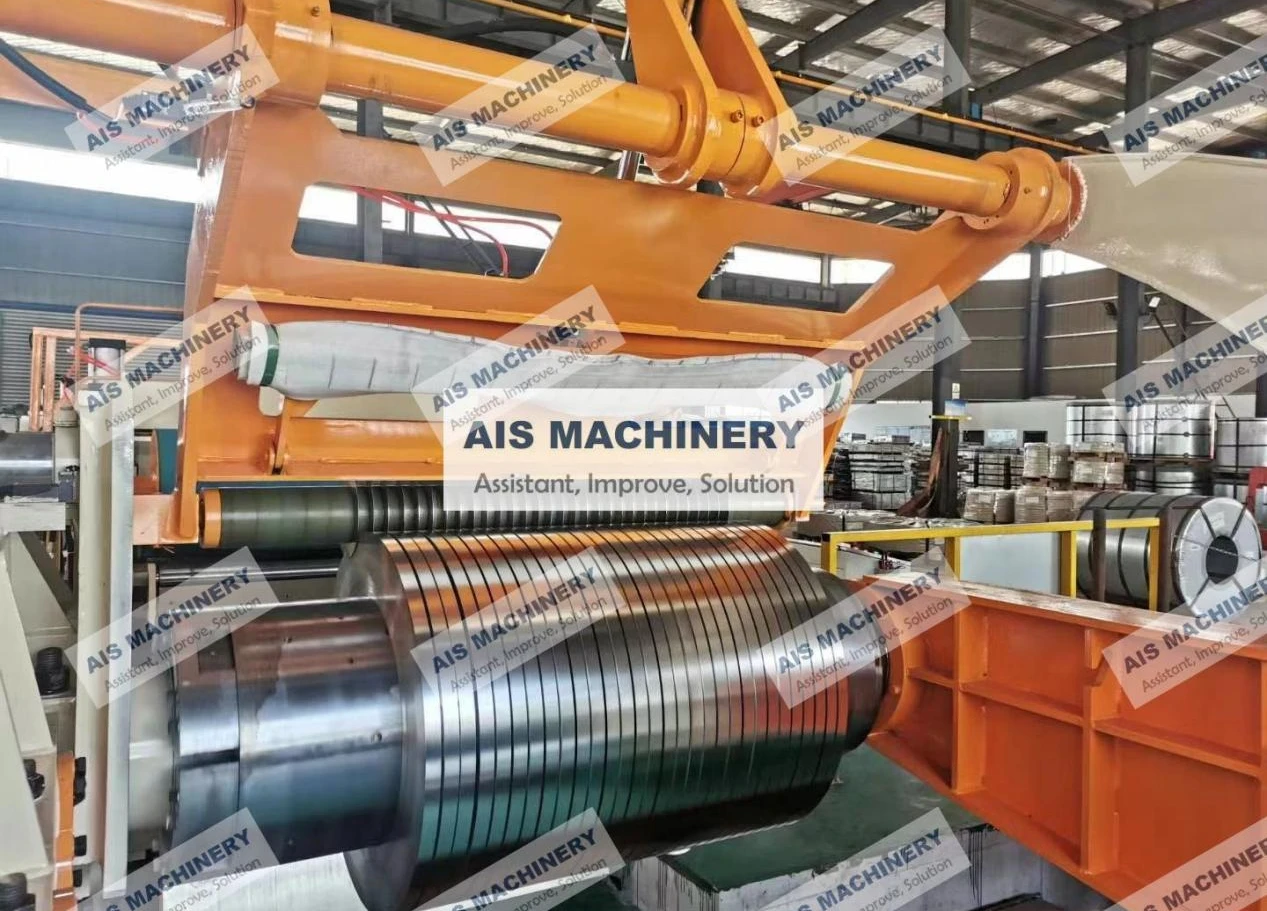
Production speed is a critical metric for pipe mill operations, directly impacting productivity, cost efficiency, and customer satisfaction.
2025-07-28 15:02:13
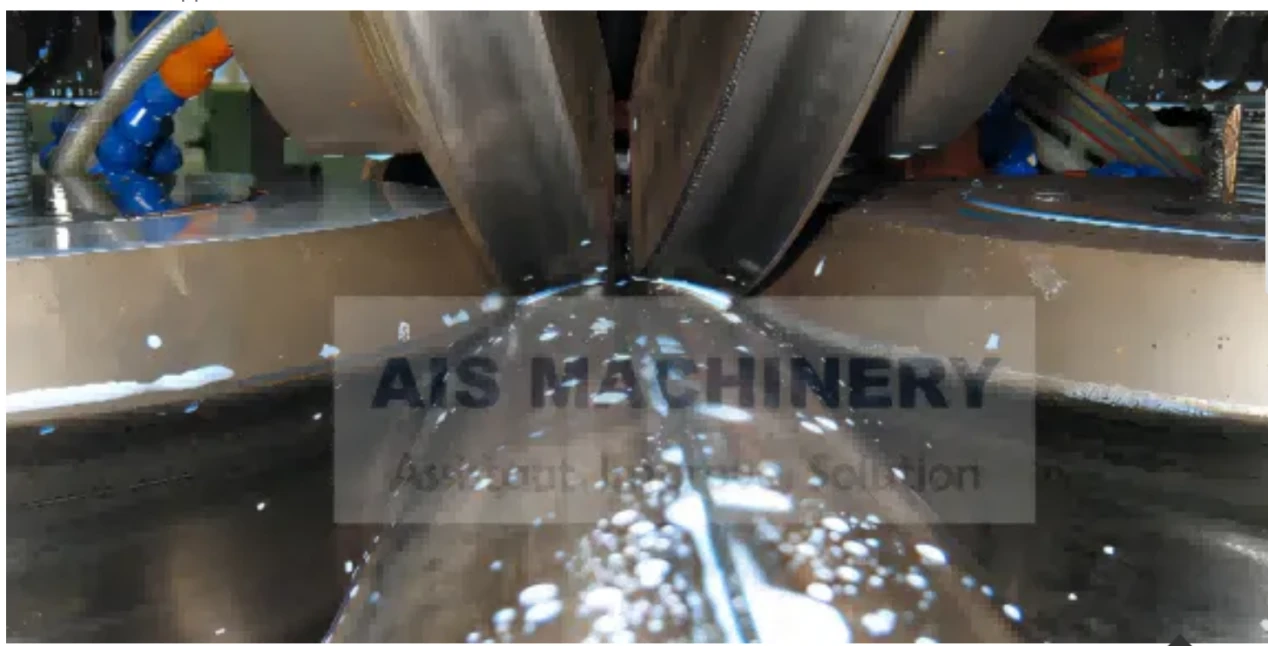
Metal Slitting Line Coil Width Range
Understanding the coil width range capabilities of a metal slitting line is essential for selecting equipment that aligns with diverse material processing needs, from narrow strips to wide coils.
2025-07-28 14:57:53
ERW Pipe Mill Material Compatibility
Material compatibility is a cornerstone of efficient and high-quality pipe production in ERW Pipe Mill operations.
Send a Message
Dear customer, thank you for your attention! We provide high-quality machinery and equipment and look forward to your orders. Please inform us of your needs and we will respond quickly!
 English
  Albanian
  Arabic
  French
  German
  Indonesian
  Italian
  Japanese
  Kazakh
  Korean
  Latin
Latin  Macedonian
  Portuguese
  Russian
  Spanish
  Thai
Thai  Turkish
  Ukrainian
  Uzbek
Uzbek