
-
 Tel:86-15176910262
-

Search
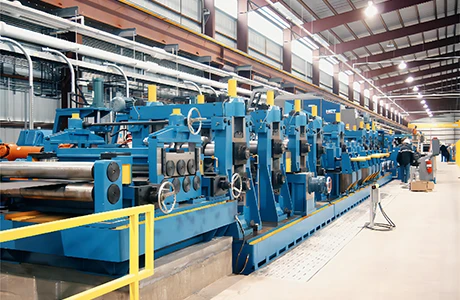
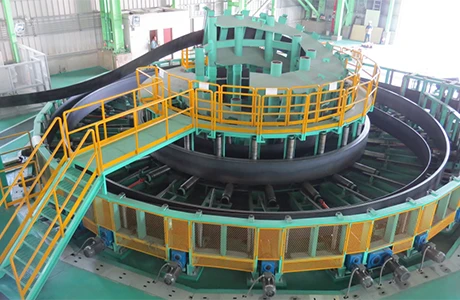
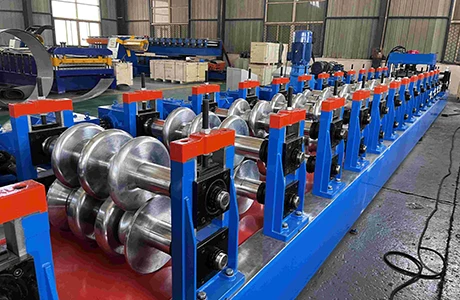
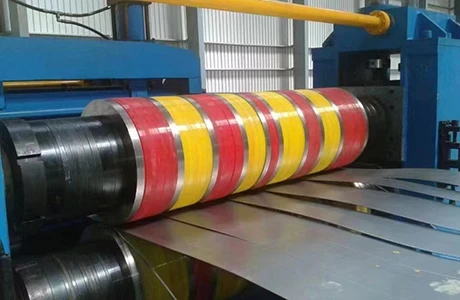
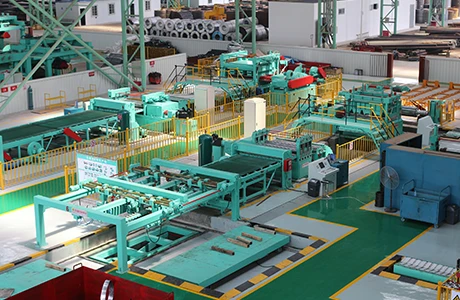
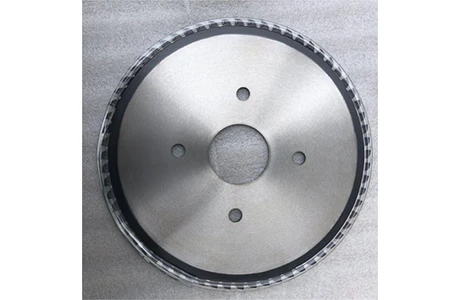
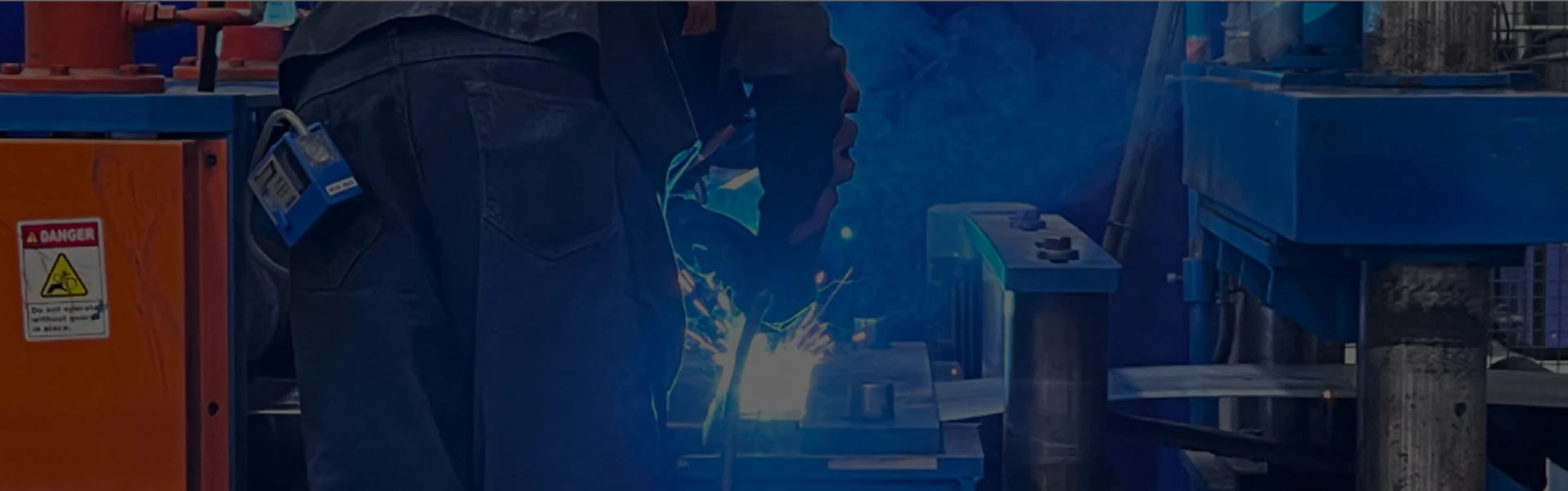

High-Quality Cold Roll Forming Machine Manufacturer & Factory Competitive Price
Jul . 07, 2025 06:10
- Introduction to Cold Roll Forming Machines and Their Impact
- Technical Advantages and Innovations in Modern Roll Forming Equipment
- Comparative Analysis: Cold Roll Forming Machine Price and Value
- Global Factory and Manufacturer Benchmarks
- Custom Solutions Tailored for Various Industrial Applications
- Case Studies: Real-world Applications of Roll Forming Technology
- Conclusion: Choosing the Right Cold Roll Forming Machine Factory
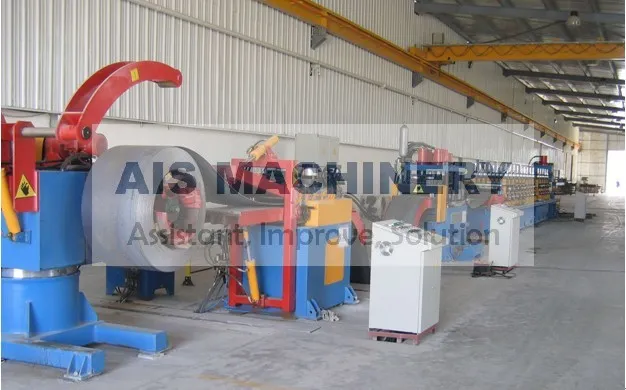
(cold roll forming machine)
Introduction: Cold Roll Forming Machine in the Evolving Manufacturing Industry
The cold roll forming machine
stands as a cornerstone in industrial sheet metal processing. As global demand for precision-formed metal profiles rises, the impact of advanced roll forming technology transforms sectors ranging from construction to automotive. According to a 2023 market intelligence report, the global roll forming machine industry exceeded $4.5 billion USD in value, maintaining a projected CAGR of 5.9% between 2024 and 2030. A top-tier cold roll forming machine delivers continuous, automated fabrication of complex profiles at speeds up to 100 meters per minute, offering unparalleled consistency and operational efficiency.
Today’s manufacturing processes demand strict tolerances and high-volume output; cold roll forming machines meet these requirements by integrating precise servo motors, advanced sensors, and inline quality monitoring systems. This equipment also supports lean manufacturing by minimizing waste – studies indicate up to 15% material savings compared to traditional fabrication methods. Consequently, companies adopting roll forming technologies observe a rapid return on investment, driving the widespread adoption of such machines across industries.
Technical Advantages and Innovations in Cold Roll Forming Equipment
The past decade has seen remarkable innovations in cold roll forming machine design. Modern systems incorporate high-strength steel assemblies, adjustable forming stations, and PLC-driven controls for adaptable operation. Major advances include:
- Precision Tolerance: Achieving tolerances as fine as ±0.1 mm, critical for aerospace, automotive, and renewable energy projects.
- Energy Efficiency: New-generation motors and drives reduce power consumption by up to 20% without sacrificing output.
- Automation: Integration with ERP systems, automated changing of tools, and real-time production reporting.
- Versatility: The ability to form galvanized, pre-painted, stainless, and ultra-high-strength steels up to 3.2mm thick.
- Quality Assurance: Vision-based monitoring and non-contact laser measurement for defect detection.
These innovations help manufacturers keep ahead in quality control, productivity, and adaptation to changing production requirements. The inclusion of digital twin technology also allows simulation of various forming scenarios before production, allowing predictive maintenance and optimized cycle times.
Comparative Analysis: Cold Roll Forming Machine Price and Value
Budget considerations for cold roll forming machines involve much more than the sticker price. Factors like material compatibility, production speed, line flexibility, and support costs directly impact the value delivered. The table below compares specifications and pricing ranges for entry-level, mid-range, and high-end models:
| Specification | Entry Level | Mid Range | High End |
|---|---|---|---|
| Price (USD) | 35,000 - 60,000 | 75,000 - 120,000 | 150,000 - 400,000 |
| Materials Supported | Carbon Steel, Aluminum | Adds Stainless Steel | Alloy, Advanced HSS |
| Max Sheet Thickness (mm) | 1.2 | 2.5 | 3.2+ |
| Max Speed (m/min) | 25 | 40 | 100+ |
| Automation Features | Basic Controls | Touchscreen, PLC | Full Automation, Remote Monitoring |
| Quality Control | Manual Inspection | Online Sensors | Vision & Laser Systems |
The investment threshold for a cold roll forming machine varies dramatically depending on annual production forecasts and required technical sophistication. High-end machines, though costlier initially, can yield rapid returns due to lower downtime and reduced scrap rate.
Global Cold Roll Forming Machine Factory and Manufacturer Benchmarks
Selecting the right cold roll forming machine factory or supplier is pivotal to long-term operational success. Global leaders in roll forming equipment manufacturing typically distinguish themselves by decades of engineering experience, extensive R&D departments, and a wide array of patented technologies. For instance, European and Japanese manufacturers often set market standards for reliability and digital integration. Meanwhile, prominent Chinese factories underscore competitive cold roll forming machine price advantages without compromising on core functionality, fueled by mass production efficiencies and strategic export support.
Quality-focused buyers should evaluate potential manufacturers based on the following criteria:
- Certification (ISO 9001, CE Arrangements)
- After-sales service network and availability of spare parts
- Track records with multinational clients and custom project portfolios
- Range of digital integration and Industry 4.0 readiness
- Warranty periods and technical support response times
Benchmarking factory strengths goes beyond catalog specifications. Site visits, third-party audits, and references from established industrial clients remain the gold standard for supplier validation.
Custom Solutions: Tailoring Roll Forming to Specific Industry Needs
One size does not fit all in the sheet metal forming world. Leading cold roll forming machine manufacturers invest in tailored engineering solutions, designed to match each client’s unique requirements. Common customization options include:
- Variable-width and multi-profile forming stations
- Rapid tool-change systems for just-in-time production lines
- Integrated pre-punching, shearing, and coil feeding modules
- Multi-language human-machine interfaces for global deployments
- Custom downstream automation: stacking, packaging, and labelling
The efficacy of a fully customized roll forming solution is evident in sectors such as solar panel frames, lightweight automotive chassis members, and warehouse racking systems, where precision, consistency, and pre-assembly automation demand tailor-made approaches. Feedback from industry shows that custom configurations increase overall productivity by up to 30%, and reduce average project lead times by two to six weeks.
Case Studies: Real-world Applications of Advanced Roll Forming Technology
The transformative power of modern cold roll forming extends across various industries. A leading U.S. automotive OEM reduced chassis manufacturing costs by 17% and improved strength tolerances using a bespoke roll forming setup integrated with laser-welded blank capacity. In another case, a major European construction contractor deployed multi-profile roll forming lines, allowing on-site customization of metal framing components. This not only expedited project timelines by an estimated 22%, but also cut raw material usage substantially.
In the renewable energy arena, large-scale roll forming solutions enable solar mounting structure providers to roll out 50+ megawatts of framing per month, thanks to rapid profile changeover functionality. For logistics, a South American warehouse systems provider credits a modular cold roll forming line for scaling racking production capacity by 40% within twelve months. Companies investing in such high-performance technology report significant reductions in manual labor, enhanced operator safety, and tangible improvement in output consistency.
Conclusion: Choosing the Right Cold Roll Forming Machine Factory
Navigating the market for a cold roll forming machine is a complex but rewarding journey. With careful consideration of the technical, operational, and financial aspects, as well as thoughtful evaluation of factory credentials, manufacturers can unlock new levels of efficiency and competitive advantage. Whether seeking industry-leading technology, favorable cold roll forming machine price points, or unique customization, aligning with the right partner ensures optimal long-term results. The surge in demand for precision-formed metal components will continue, reinforcing the vital role of quality roll forming equipment and innovative manufacturing partners in shaping the future of modern industry.

(cold roll forming machine)
FAQS on cold roll forming machine
Q: What is a cold roll forming machine?
A: A cold roll forming machine is an industrial device that shapes metal sheets into specific profiles at room temperature. It uses consecutive rollers to gradually form the metal. This process increases strength and consistency without the need for heating.Q: How much does a cold roll forming machine cost?
A: Cold roll forming machine prices typically range from $20,000 to $200,000 depending on size, features, and customization. Factors like automation level and output capacity also affect the price. For a precise quote, it's best to contact a cold roll forming machine manufacturer.Q: What are the advantages of buying from a cold roll forming machine factory?
A: Purchasing directly from a cold roll forming machine factory often ensures better prices and more customized solutions. Factories can also provide quicker technical support and spare parts. It streamlines communication and often results in faster delivery times.Q: How can I find a reliable cold roll forming machine manufacturer?
A: Look for manufacturers with proven experience, industry certifications, and positive customer reviews. Visiting their facilities or requesting product samples can verify their quality. Request detailed quotations and after-sales service information before making a decision.Q: What maintenance is required for a cold roll forming machine?
A: Regular lubrication, roller inspection, and cleaning are essential to ensure optimal performance. Promptly addressing minor mechanical issues can prevent downtime. Following the manufacturer's maintenance schedule will help prolong the machine's lifespan.
Related Products






Related News

2026-11-02 02:23:25
ERW Pipe Mill for Sale: Buyer FAQs for a 76 mm Line
Review the 21.3 mm to 76 mm range, materials, equipment, speed, power, cutting methods, and production controls for an ERW pipe mill for sale.

2026-10-29 00:44:48
High-Speed Steel Coil Slitting Line FAQ: Specifications, Ordering and Support Questions
Get direct answers about High-Speed Steel Coil Slitting Line specifications, material compatibility, component layout, process steps, quality standards, and after-sales support from HEBEI AIS MACHINERY EQUIPMENT CO.,LTD.

2026-10-28 00:06:34
Learn the key working requirements and integration criteria for selecting a steel pipe making machine manufacturer. Covers diameter range, wall thickness, strip grade, HF welding power, footprint, and electrical supply using the 10inch 273mm ERW Pipe Making Machine from HEBEI AIS MACHINERY EQUIPMENT CO.,LTD.

2026-10-28 00:05:55
Choosing a Flying Cold Saw: Working Requirements and Integration Fit
Learn the key selection criteria for a flying cold saw — pipe diameter, line speed, cut precision, blade type, and PLC integration — to find the right cold cutting flying saw machine for your ERW tube mill.

2026-10-28 00:05:28
Evaluate whether the GGP 100kw Solid State High Frequency Induction Heating Welding Machine fits your ERW pipe production line. This guide covers power requirements, cooling infrastructure, electrical supply, and control integration criteria.

2026-10-28 00:04:41
Choosing Quick-Change System for Forming & Sizing Section: Application Fit and Specification Checks
Learn the key selection criteria for a Quick-Change System for Forming & Sizing Section in ERW tube mills — covering changeover frequency, cassette structure, pneumatic couplings, and application scope for structural, automotive, and export tube production.

2026-10-23 17:54:55
Compare a steel pipe seam annealing machine and a pipe threading machine: function, published ranges, PLC/HMI and CNC controls, operating steps and maintenance.

2026-10-04 16:13:15
HEBEI AIS MACHINERY at Tube & Wire Shanghai 2026 | Tube Mill Solutions
HEBEI AIS MACHINERY participated in Tube & Wire Shanghai 2026, meeting new and long-term customers to discuss ERW tube mills, steel processing equipment, new projects, and future cooperation.
Send a Message
Dear customer, thank you for your attention! We provide high-quality machinery and equipment and look forward to your orders. Please inform us of your needs and we will respond quickly!
 English
 Albanian
 Arabic
 French
 German
 Indonesian
 Italian
 Japanese
 Kazakh
 Korean
 Latin
 Macedonian
 Portuguese
 Russian
 Spanish
 Thai
 Turkish
 Ukrainian
 Uzbek