
-
 Tel:86-15176910262
-

Search

Efficient Tube Mill Operation for Quality Production Competitive Tube Mill Price Affordable ERW Tube Mill Price
Jul . 07, 2025 08:06
- Understanding the Fundamentals of Tube Mill Operation
- Key Technological Advances in Tube Mill Systems
- Comprehensive Manufacturer Comparison: Performance and Pricing
- Customization Possibilities in Modern Tube Mills
- Analyzing Industry Applications and Real-World Success Stories
- Critical Factors Influencing Tube Mill Price and Market Trends
- Future Insights: Evolving Tube Mill Operation and Strategic Considerations

(tube mill operation)
Understanding the Fundamentals of Tube Mill Operation
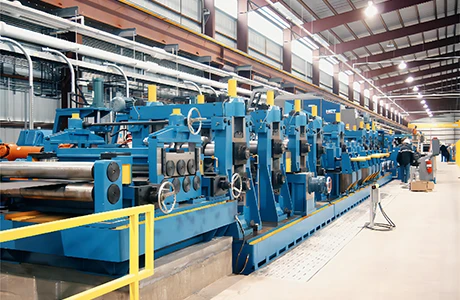
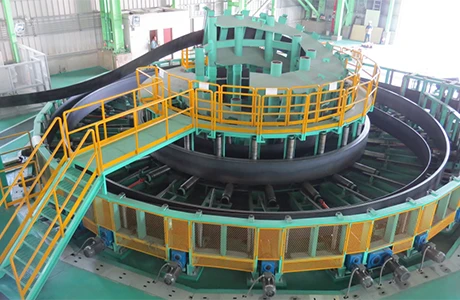
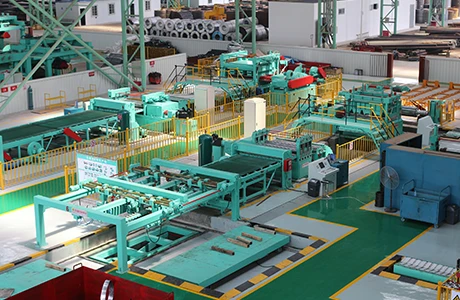
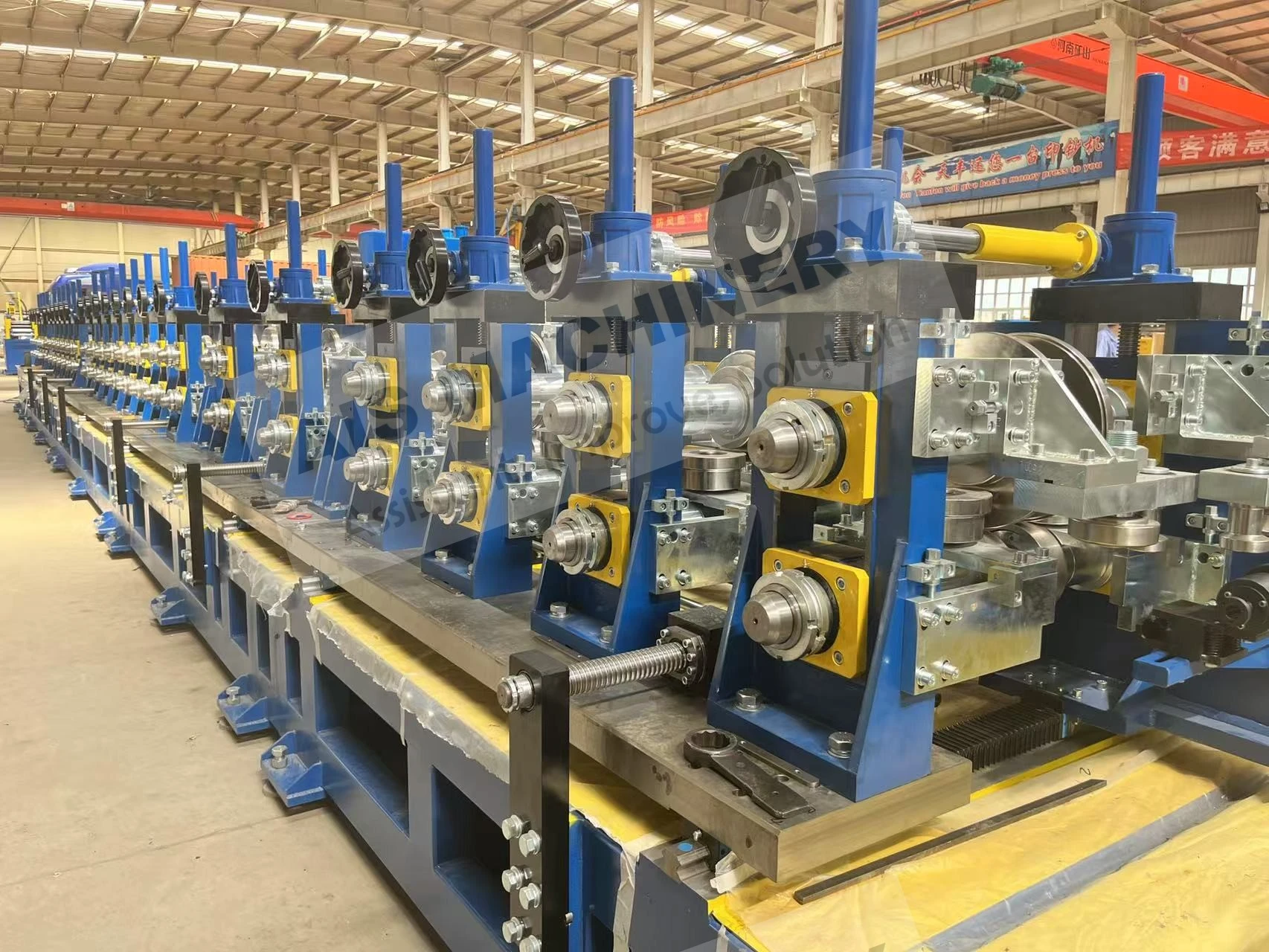
Tube mill operation is foundational in various manufacturing sectors, providing the means to fabricate high-precision tubular products essential for industries such as construction, automotive, oil and gas, and infrastructure. At its core, tube mill operation
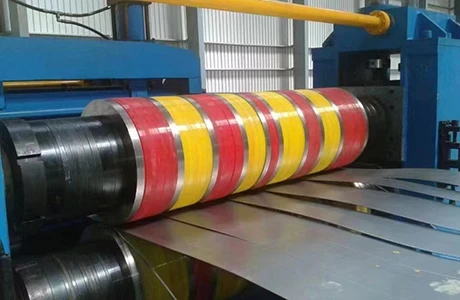
encompasses a series of processes: uncoiling and flattening raw material, shaping the strip into circular or custom profiles, employing high-frequency welding methods, and subsequent sizing and cut-off. Advanced sensing technology, precise motor control, and modern Human-Machine Interfaces (HMI) have transformed tube mill operation, reducing material waste to as little as 2% and improving throughput rates by 20–30% over the past five years.
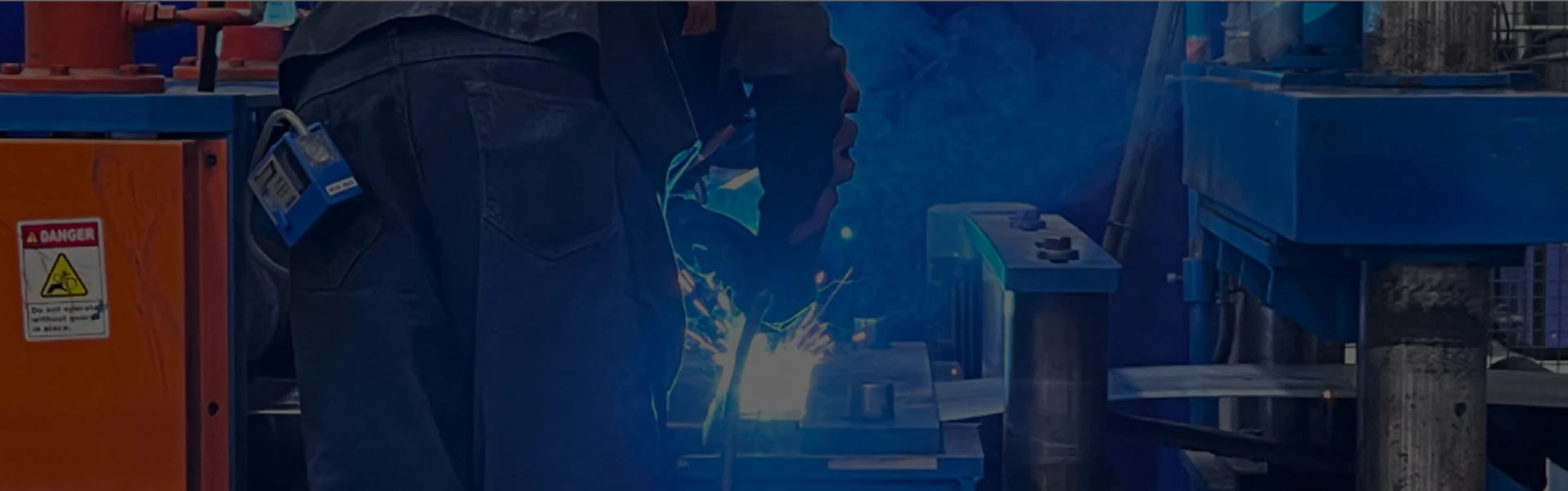
Process stability is ensured by automation and in-line quality inspection systems, including laser and ultrasonic weld monitoring, which guarantee weld integrity and dimensional precision. Operators prioritize efficiency, safety, and standardized maintenance protocols during all aspects of tube mill operation. Recent data suggests industry-leading lines achieve up to 98% product yield with downtime reduced to less than 10 hours per month—statistics reflective of continuous improvement in mill reliability and automated diagnostics. Such robust operational enhancements have revolutionized output quality and customer satisfaction in recent high-demand markets.
Key Technological Advances in Tube Mill Systems
The last decade has seen transformative innovations in tube mill technology. These advancements include servo-driven control systems, remote monitoring via Industrial IoT (IIoT), and adaptive forming modules that automatically adjust roll positions for quick changeover. Servo control with closed-loop feedback reduces roll adjustment time by 70%, enhancing changeover speed and minimizing human error. Additionally, the integration of predictive maintenance—empowered by machine learning algorithms analyzing vibration, temperature, and acoustic signals—significantly reduces unplanned downtime and repair costs.
High-frequency induction welding has largely replaced traditional techniques, improving weld consistency and allowing the use of thinner, cost-efficient materials without compromising structural integrity. Modern tube mills now operate at speeds exceeding 120 meters per minute with inline eddy current and ultrasonic inspection, ensuring real-time defect detection at full production rates. These technical strides have closed the gap between production efficiency and product quality, pushing the boundaries of tube mill operation.
Comprehensive Manufacturer Comparison: Performance and Pricing
Selecting the right tube mill is a critical business decision. Below is a detailed manufacturer comparison, considering performance metrics and pricing factors. Three top manufacturers—Alpha Machinery, Beta Industrial, and Delta Tube Tech—are evaluated on throughput, automation level, base erw tube mill price, after-sales support, and warranty.
| Manufacturer | Throughput (m/min) | Automation Level | ERW Tube Mill Price (USD) | After-Sales Support | Warranty |
|---|---|---|---|---|---|
| Alpha Machinery | 100 | Fully Automated | $320,000 | 24/7 Global | 24 months |
| Beta Industrial | 120 | Advanced Semi-Automated | $285,000 | Office Hours | 18 months |
| Delta Tube Tech | 90 | Basic Automated | $250,000 | Email Only | 12 months |
This comparison reveals that while initial tube mill price for high-end models is higher, top-tier automation and support often repay investment through lower operational costs, accelerated ROI, and enhanced product consistency. The choice ultimately rests on application specificity, volume requirements, and long-term strategic planning.
Customization Possibilities in Modern Tube Mills
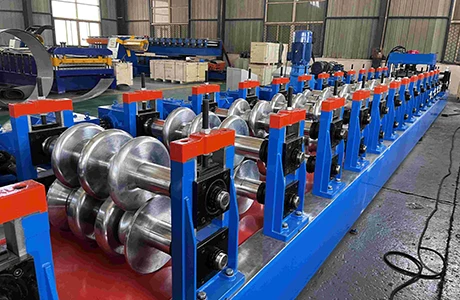
One size seldom fits all in tube manufacturing. Customization options today are wide-ranging; businesses can specify tube diameter and thickness, configuration of forming rolls, modular tooling for shape changes, CNC-based length and bundling systems, and even unique coil feeding modules for varied raw materials. Modular designs facilitate expansion as production demands grow.
Many manufacturers offer pre-installed software for real-time monitoring—customizable to align with enterprise resource planning (ERP) systems—and comprehensive data analytics plug-ins. Custom safety interlocks, dust and spark extraction upgrades, or even eco-friendly, energy-efficient drive motors can be integrated upon request. As a result, modern tube mill lines can be engineered precisely to fit project targets, from high-speed automotive applications to specialty stainless or alloy tubing.
Analyzing Industry Applications and Real-World Success Stories
The impact of well-designed tube mill operation is clearly evident in industry case studies. For instance, a major infrastructure project in Southeast Asia required over 15,000 tons of ERW tubing for rural bridges, challenging the supplier to consistently provide 8+ meters of defect-free tube per minute. The supplier utilized a fully automated tube mill with inline NDT inspection, delivering batch compliance exceeding 99.5% and reducing waste by 18%. In another case, an automotive tier-1 component manufacturer implemented a high-speed, low-tolerance tube mill to meet rigorous standards for precision drive shafts. Their defect rate dropped from 1.8% to 0.2% after commissioning the new line, while daily output increased by 45%.
Similarly, custom tube mills designed for the oil and gas sector have enabled producers to rapidly supply corrosion-resistant, high-pressure tubing, shortening delivery cycles by 20% and earning international quality certifications. These outcomes highlight the direct link between advanced mill operation and measurable success in competitive markets.
Critical Factors Influencing Tube Mill Price and Market Trends
Tube mill price is a function of several pivotal factors: build quality, degree of automation, customization level, material compatibility, and integrated quality assurance. Global average erw tube mill price has ranged from $200,000 to $500,000 for mid- to large-sized facilities over the past five years. Recent supply chain shifts, especially in raw steel and electronics, have introduced price volatility up to 12% year-on-year.
Additionally, market trends are driven by regional incentives for energy efficiency, demand for lightweight high-strength tubing, and restrictions on emissions. There is a growing emphasis on plug-and-play mills, scalable for evolving production needs, influencing procurement strategies. Buyers increasingly prioritize long-term cost efficiency over up-front savings, reflected in the upward trend in the adoption of fully automated, smart-controlled tube mills.
Future Insights: Evolving Tube Mill Operation and Strategic Considerations
The landscape of tube mill operation is set to progress rapidly, with digitalization and sustainability at its core. Predictive analytics and intelligent controls will further fine-tune efficiency, driving defect rates below 0.1% in mature facilities. Decarbonization initiatives are expected to promote the adoption of electric-drive and regenerative braking in mill equipment, potentially cutting energy usage by up to 30%.
For stakeholders, the strategic path involves not only monitoring advancements in tube mill operation, but also weighing total cost of ownership, supplier reliability, and lifecycle support. As competitive benchmarks evolve, those who leverage innovative design, modular upgrades, and data-driven optimization will maintain their edge in a dynamic global market. Such forward-thinking approaches will shape the next generation of tube production, setting new standards in performance, efficiency, and profitability.

(tube mill operation)
FAQS on tube mill operation
Q: What is tube mill operation?
A: Tube mill operation refers to the process of manufacturing metal tubes using a series of rollers and welding techniques. It includes feeding, forming, welding, and cutting material to desired specifications.
Q: How can I optimize my tube mill operation?
A: Optimize your tube mill operation by performing regular maintenance, using high-quality raw materials, and updating equipment with the latest technology. Proper operator training also significantly enhances efficiency.
Q: What factors affect tube mill price?
A: Tube mill price depends on capacity, automation level, material type, and additional features. Brand reputation and after-sales service also influence the overall cost.
Q: How does erw tube mill price compare to other tube mills?
A: ERW tube mill price is generally more cost-effective than seamless or other specialty tube mills. This is because the ERW process is simpler and uses less expensive machinery.
Q: What should I consider before buying a tube mill?
A: Consider production needs, type of tubes required, budget, and after-sales support. Also, compare tube mill price and technical specifications among different suppliers.

Related Products






Related News

2026-11-02 02:23:25
ERW Pipe Mill for Sale: Buyer FAQs for a 76 mm Line
Review the 21.3 mm to 76 mm range, materials, equipment, speed, power, cutting methods, and production controls for an ERW pipe mill for sale.

2026-10-29 00:44:48
High-Speed Steel Coil Slitting Line FAQ: Specifications, Ordering and Support Questions
Get direct answers about High-Speed Steel Coil Slitting Line specifications, material compatibility, component layout, process steps, quality standards, and after-sales support from HEBEI AIS MACHINERY EQUIPMENT CO.,LTD.

2026-10-28 00:06:34
Learn the key working requirements and integration criteria for selecting a steel pipe making machine manufacturer. Covers diameter range, wall thickness, strip grade, HF welding power, footprint, and electrical supply using the 10inch 273mm ERW Pipe Making Machine from HEBEI AIS MACHINERY EQUIPMENT CO.,LTD.

2026-10-28 00:05:55
Choosing a Flying Cold Saw: Working Requirements and Integration Fit
Learn the key selection criteria for a flying cold saw — pipe diameter, line speed, cut precision, blade type, and PLC integration — to find the right cold cutting flying saw machine for your ERW tube mill.

2026-10-28 00:05:28
Evaluate whether the GGP 100kw Solid State High Frequency Induction Heating Welding Machine fits your ERW pipe production line. This guide covers power requirements, cooling infrastructure, electrical supply, and control integration criteria.

2026-10-28 00:04:41
Choosing Quick-Change System for Forming & Sizing Section: Application Fit and Specification Checks
Learn the key selection criteria for a Quick-Change System for Forming & Sizing Section in ERW tube mills — covering changeover frequency, cassette structure, pneumatic couplings, and application scope for structural, automotive, and export tube production.

2026-10-23 17:54:55
Compare a steel pipe seam annealing machine and a pipe threading machine: function, published ranges, PLC/HMI and CNC controls, operating steps and maintenance.

2026-10-04 16:13:15
HEBEI AIS MACHINERY at Tube & Wire Shanghai 2026 | Tube Mill Solutions
HEBEI AIS MACHINERY participated in Tube & Wire Shanghai 2026, meeting new and long-term customers to discuss ERW tube mills, steel processing equipment, new projects, and future cooperation.
Send a Message
Dear customer, thank you for your attention! We provide high-quality machinery and equipment and look forward to your orders. Please inform us of your needs and we will respond quickly!
 English
 Albanian
 Arabic
 French
 German
 Indonesian
 Italian
 Japanese
 Kazakh
 Korean
 Latin
 Macedonian
 Portuguese
 Russian
 Spanish
 Thai
 Turkish
 Ukrainian
 Uzbek