
-
 Tel:86-15176910262
-

Search

Cold Roll Forming Machinery Output Capacity
Sep . 02, 2025 16:47
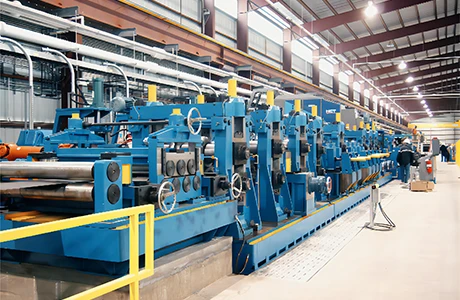
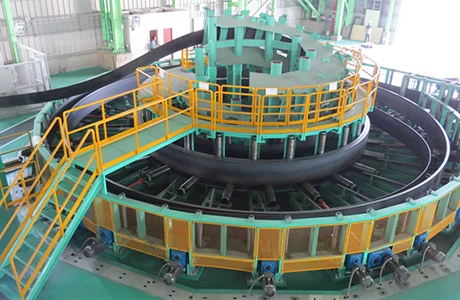
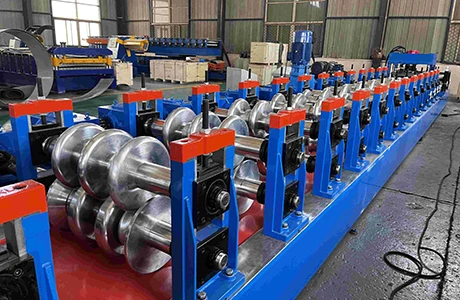
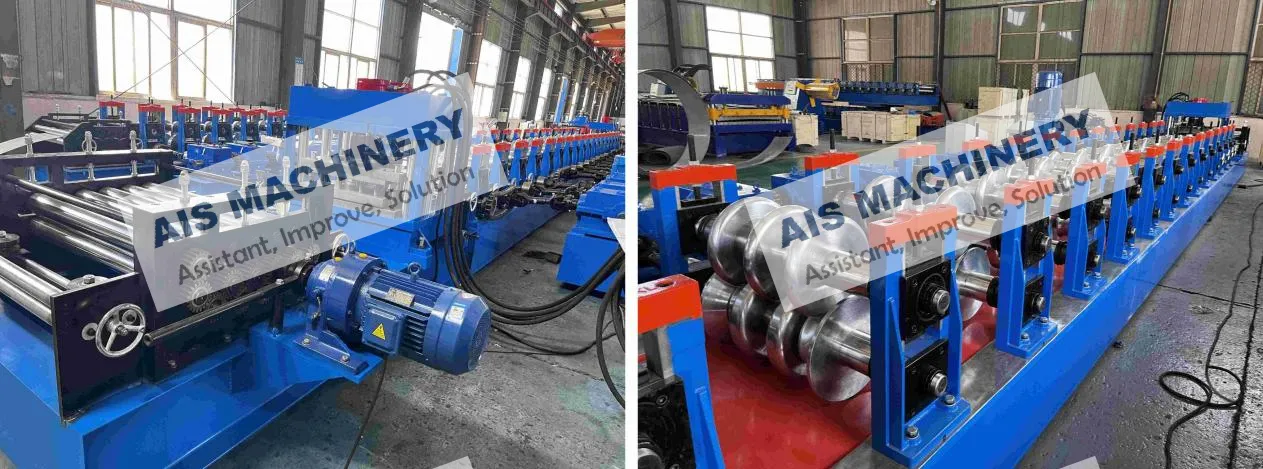
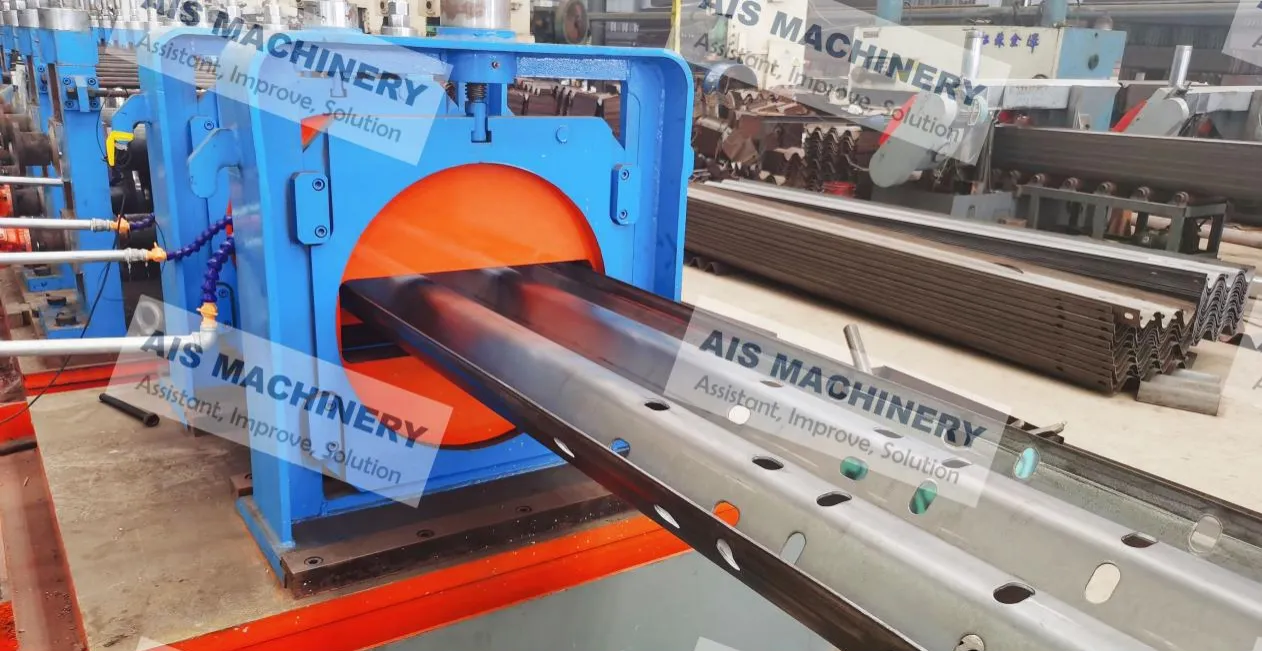
Understanding the output capacity of cold roll forming machinery is critical for manufacturers seeking to align production volumes with market demands. As a wholesaler, guiding customers on how cold forming machines and cold forming equipment optimize output—while maintaining quality—enables them to select systems that match their operational goals. HEBEI AIS MACHINERY EQUIPMENT CO.,LTD, a leading producer of these systems, engineers cold roll forming machinery to deliver consistent, scalable output across diverse applications, from construction profiles to automotive components. This guide explores the factors influencing cold roll forming machinery output, strategies to maximize productivity in cold forming machines, and how cold forming equipment design impacts throughput, empowering wholesalers to support customers in achieving efficient, high-volume production.
Cold Roll Forming Machinery Output Determinants
Speed and Line Efficiency
Base Speed Metrics: cold roll forming machinery output is primarily measured in linear meters per minute (m/min), with standard systems ranging from 10 m/min for complex profiles to 100 m/min for simple shapes. HEBEI AIS MACHINERY EQUIPMENT CO.,LTD.’s high-performance cold roll forming machinery models, such as the CRF-1000, achieve speeds up to 120 m/min for basic angles and channels, directly boosting hourly output.
Downtime Reduction: Effective cold roll forming machineryminimizes downtime from changeovers, maintenance, and adjustments. HEBEI AIS MACHINERY EQUIPMENT CO.,LTD.’s systems feature quick-change roller cassettes that reduce profile switch times by 70%, ensuring 85–90% line efficiency—significantly higher than the industry average of 65–75%.
Material Feed Consistency: Uninterrupted material flow is critical for maximizing cold roll forming machinery HEBEI AIS MACHINERY EQUIPMENT CO.,LTD. integrates automated decoilers and straighteners with tension control, preventing material jams that can reduce effective output by 10–15% in less sophisticated systems.
Profile Complexity and Output Trade-Offs
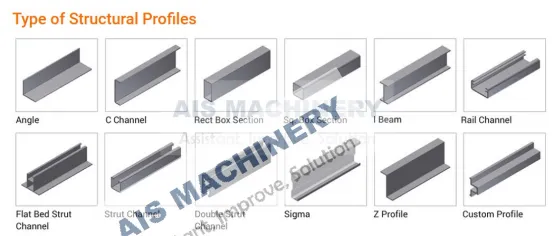
Simple Profiles: Basic shapes like C-channels or flat bars allow cold roll forming machineryto operate at peak output, with 8-hour shifts producing 40,000–60,000 linear meters. HEBEI AIS MACHINERY EQUIPMENT CO.,LTD.’s dedicated cold roll forming machinery for these profiles uses optimized roller sequences that reduce forming stages by 20%, enabling higher speeds.
Complex Profiles: Intricate designs with multiple bends, such as automotive door frames, require slower speeds (15–30 m/min) and more forming stations, limiting cold roll forming machineryoutput to 8,000–15,000 linear meters per 8-hour shift. HEBEI AIS MACHINERY EQUIPMENT CO.,LTD.’s precision cold roll forming machinery offsets this with advanced tooling that ensures accuracy at moderate speeds, avoiding costly rework that further reduces net output.
Cold Forming Machines Material-Specific Output
Mild Steel and Low-Carbon Alloys
Output Potential: cold forming machinesexcel with mild steel, achieving the highest output due to its excellent formability. For 0.5–2mm thick mild steel, HEBEI AIS MACHINERY EQUIPMENT CO.,LTD.’s cold forming machines deliver 60–100 m/min, translating to 28,800–48,000 linear meters per 8-hour shift (assuming 90% efficiency).
Optimization Strategies: These cold forming machinesuse wear-resistant rollers (55–60 HRC) that maintain precision even during extended runs, reducing maintenance stops. HEBEI AIS MACHINERY EQUIPMENT CO.,LTD. also integrates automated lubrication systems that apply precise amounts of coolant, preventing material buildup that can slow production.
High-Strength and Stainless Steels
Output Adjustments: cold forming machinesprocessing high-strength steel (HSS) or stainless steel operate at 20–50% lower speeds than with mild steel, due to increased forming resistance. For 1–3mm stainless steel, HEBEI AIS MACHINERY EQUIPMENT CO.,LTD.’s cold forming machines typically run at 30–60 m/min, yielding 14,400–28,800 linear meters per 8-hour shift.
Equipment Adaptations: To maintain output with these materials, cold forming machinesfrom HEBEI AIS MACHINERY EQUIPMENT CO.,LTD. feature reinforced frames, high-torque motors, and additional forming stations that distribute stress evenly, preventing premature wear that would reduce uptime.
Cold Forming Equipment Design for Output Scalability
Modular and Flexible Systems
Scalable Configurations: cold forming equipmentwith modular designs allows customers to expand output by adding stations or upgrading drive systems. HEBEI AIS MACHINERY EQUIPMENT CO.,LTD.’s CRF-Modular series starts with 10 forming stations (output: 30–50 m/min) and can be expanded to 20 stations, increasing speed potential by 40% for compatible profiles.
Quick-Change Features: cold forming equipmentwith tool-less roller changes reduces downtime between runs, a key factor in overall output. HEBEI AIS MACHINERY EQUIPMENT CO.,LTD.’s systems include indexed roller shafts and pre-calibrated tooling, cutting changeover time from 2 hours to 30 minutes, boosting daily output by 5–10% for multi-profile operations.
Automation Integration
In-Line Processing: Integrating punching, cutting, or labeling into cold forming equipmenteliminates post-forming handling, increasing net output. HEBEI AIS MACHINERY EQUIPMENT CO.,LTD.’s automated cold forming equipment combines forming and punching in a single line, reducing process time by 30% compared to separate operations.
Smart Monitoring: IoT-enabled cold forming equipmentfrom HEBEI AIS MACHINERY EQUIPMENT CO.,LTD. tracks real-time output, predicts maintenance needs, and alerts operators to speed deviations—minimizing unplanned stops. This technology improves overall equipment effectiveness (OEE) by 15–20%, directly enhancing daily output.
Table: Output Capacity of cold roll forming machinery by Application
|
Material Type |
Profile Type |
Thickness (mm) |
Speed (m/min) |
8-Hour Output (Linear Meters) |
HEBEI AIS MACHINERY EQUIPMENT CO.,LTD. Model |
|
Mild Steel |
C-Channel |
0.5–2 |
80–100 |
38,400–48,000 |
CRF-MS-100 |
|
Mild Steel |
Automotive Bracket |
1–3 |
20–40 |
9,600–19,200 |
CRF-MS-200 |
|
Stainless Steel |
Angle Iron |
0.5–1.5 |
50–70 |
24,000–33,600 |
CRF-SS-150 |
|
High-Strength Steel |
Structural Beam |
3–6 |
10–25 |
4,800–12,000 |
CRF-HSS-300 |
Cold Roll Forming Machinery FAQS
How is the output capacity of cold roll forming machinery calculated?
The output capacity of cold roll forming machinery is calculated by multiplying base speed (m/min) by operational time (minutes) and efficiency (typically 80–90%). For example, a cold roll forming machinery running at 60 m/min for 480 minutes (8 hours) with 90% efficiency produces 60 × 480 × 0.9 = 25,920 linear meters. HEBEI AIS MACHINERY EQUIPMENT CO.,LTD. provides online calculators that factor in profile complexity and material type to estimate realistic output for their cold roll forming machinery models.
Can cold forming machines maintain consistent output across different material thicknesses?
cold forming machines can maintain consistent output across thicknesses with proper adjustments, though thicker materials generally require slower speeds. HEBEI AIS MACHINERY EQUIPMENT CO.,LTD.’s cold forming machines feature programmable speed and pressure settings that automatically optimize for thickness—for example, reducing speed by 10% for each additional mm of material—ensuring stable output without sacrificing quality. This adaptability makes cold forming machines suitable for facilities processing mixed thicknesses.
What role does automation play in maximizing cold forming equipment output?
Automation significantly boosts cold forming equipment output by reducing downtime and human error. HEBEI AIS MACHINERY EQUIPMENT CO.,LTD.’s automated cold forming equipment includes features like automatic material loading, in-line quality inspection, and predictive maintenance alerts, which increase uptime by 20–30%. Additionally, integrated cutting systems eliminate manual trimming, allowing the cold forming equipment to run continuously at peak speed for longer intervals.
How does profile complexity affect cold roll forming machinery output?
Profile complexity directly reduces cold roll forming machinery output, as intricate designs require more forming stages, slower speeds, and frequent quality checks. For example, a simple angle iron may achieve 100 m/min, while a complex automotive profile with 15 bends may run at 20 m/min—reducing output by 80%. HEBEI AIS MACHINERY EQUIPMENT CO.,LTD.’s cold roll forming machinery mitigates this with optimized roller tooling that streamlines forming steps, minimizing speed reductions for complex profiles.
What maintenance is required to ensure maximum output from cold forming machines?
Regular maintenance of cold forming machines is critical for sustained output, including daily lubrication of rollers, weekly inspection of drive belts, and monthly calibration of speed sensors. HEBEI AIS MACHINERY EQUIPMENT CO.,LTD. recommends replacing wear parts like rollers and guides every 50,000–100,000 meters to prevent speed degradation. Neglecting maintenance can reduce cold forming machines output by 10–30% due to increased downtime and quality-related slowdowns.
cold roll forming machinery output capacity is a dynamic balance of speed, efficiency, material properties, and profile complexity. By understanding how cold forming machines and cold forming equipment adapt to these factors, wholesalers can guide customers toward systems that meet their volume requirements without compromising quality. HEBEI AIS MACHINERY EQUIPMENT CO.,LTD.’s commitment to engineering scalable, durable cold roll forming machinery—with features like modular designs, automation, and material-specific optimization—ensures customers can achieve consistent, high-volume production. As a wholesaler, emphasizing these output-enhancing capabilities helps customers maximize their investment, driving their operational success and reinforcing your role as a trusted advisor in the industry.

Related Products

Related News
2027-04-24 00:00:00
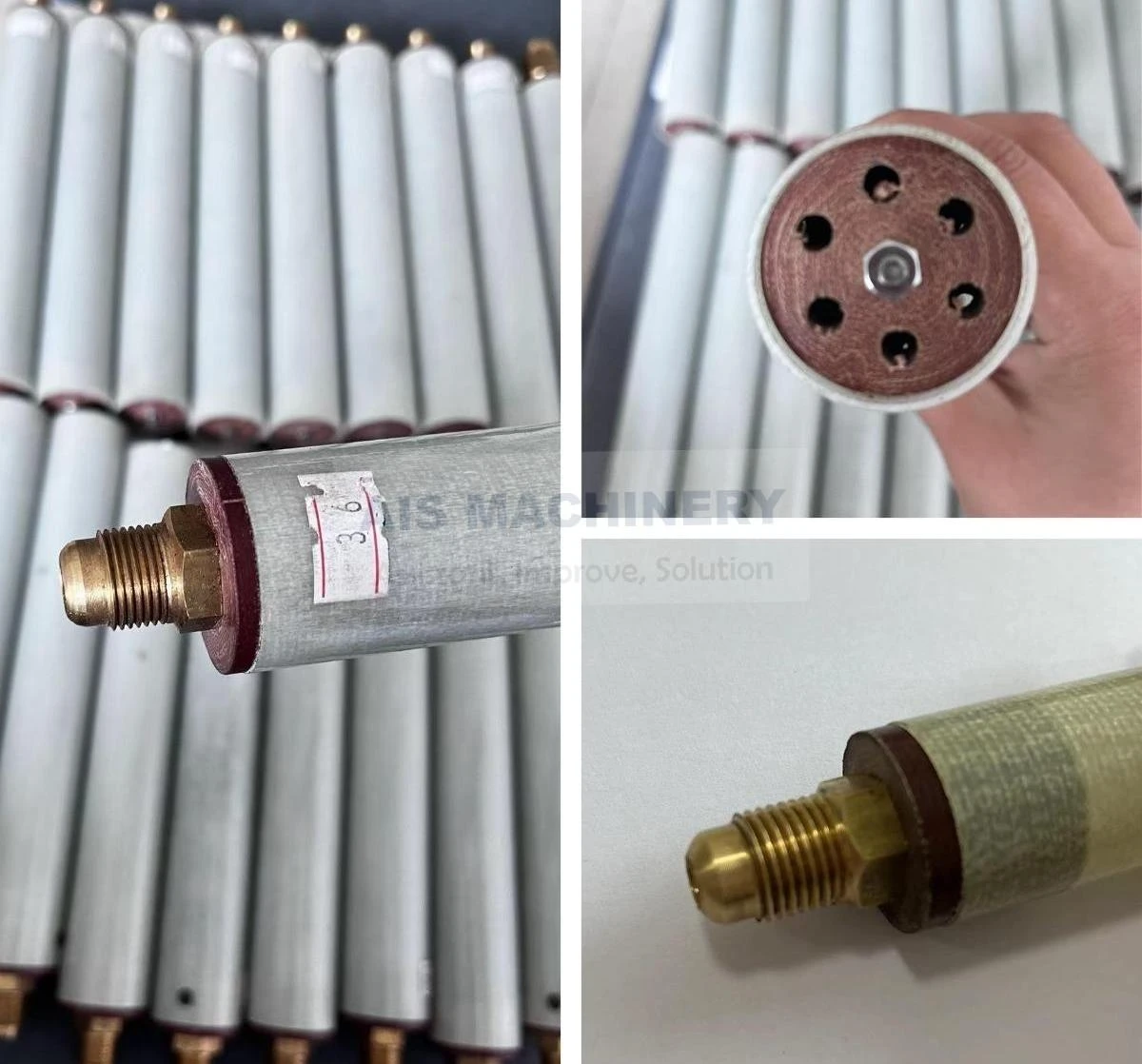
What is an Impeder and Ferrite Rods in ERW Tube Mill?
Struggling with impeder overheating or short service life in your ERW tube mill? This guide explains common impeder problems, the role of ferrite rods, and how to choose the right impeder for stable welding performance. Improve weld quality, reduce energy loss, and extend equipment lifespan with the right selection and proper cooling solutions.
2026-04-21 10:22:25
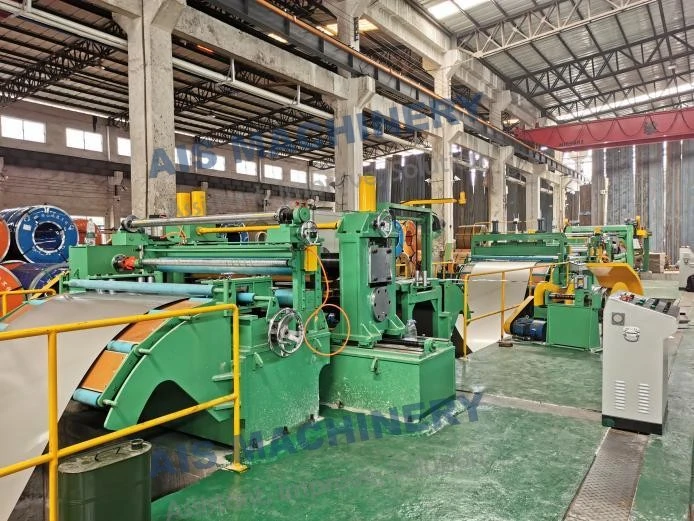
Slitting & Cut-to-Length Combined Production Line: A Smarter Way to Process Steel Coils
Discover the Slitting & Cut-to-Length Combined Production Line, a flexible solution for steel coil processing. This system integrates slitting line and cut-to-length line functions in one machine, saving space, reducing costs, and improving efficiency. Ideal for processing both steel strips and sheets, it is widely used in service centers and manufacturing industries. Learn its advantages, limitations, and applications.
2026-04-18 03:20:20
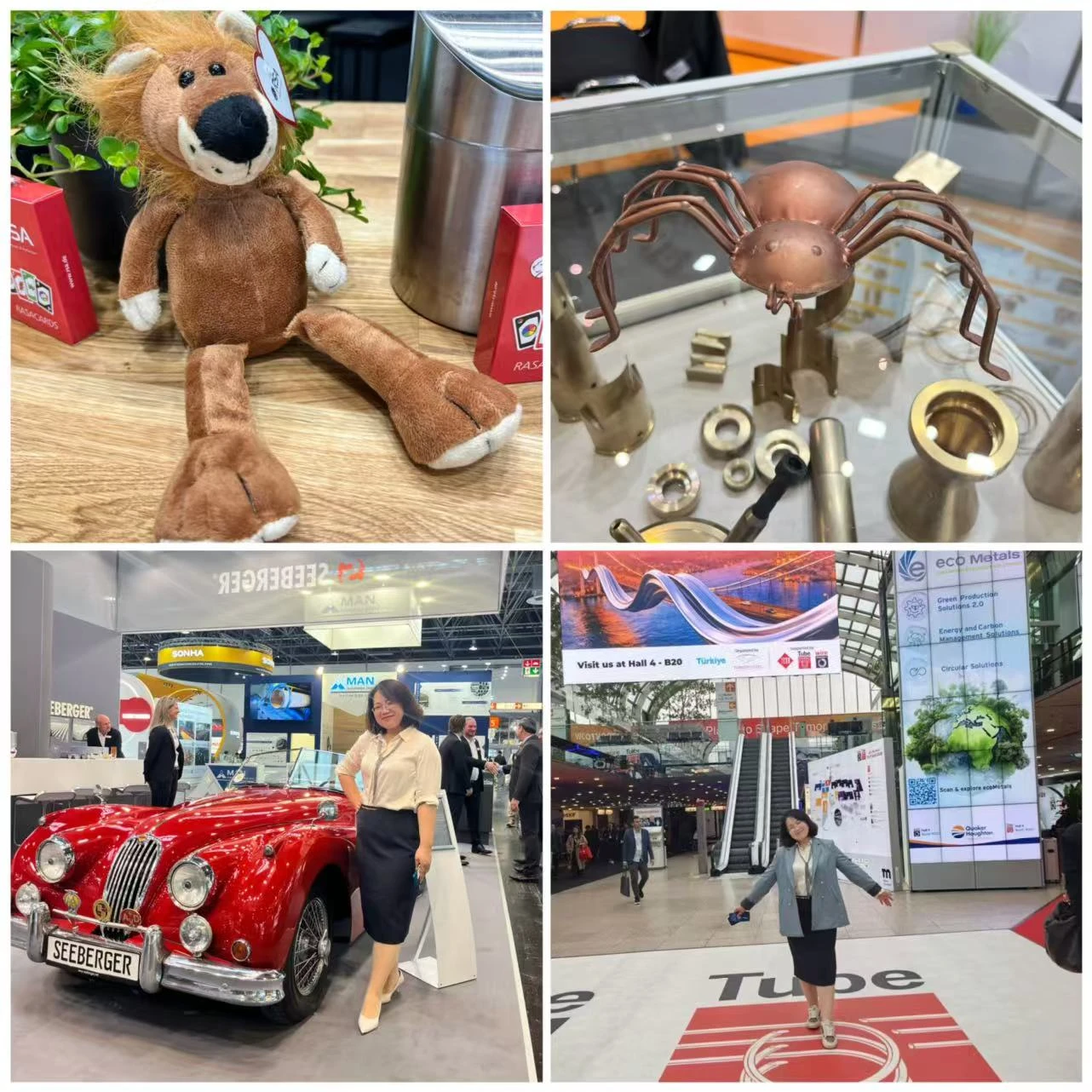
AIS Machinery Showcases Advanced Tube Solutions at Tube & Wire Düsseldorf 2026
Tube & Wire Düsseldorf 2026, one of the most influential exhibitions in the global tube and wire industry, held biennially in Düsseldorf, Germany
2026-04-17 00:00:00
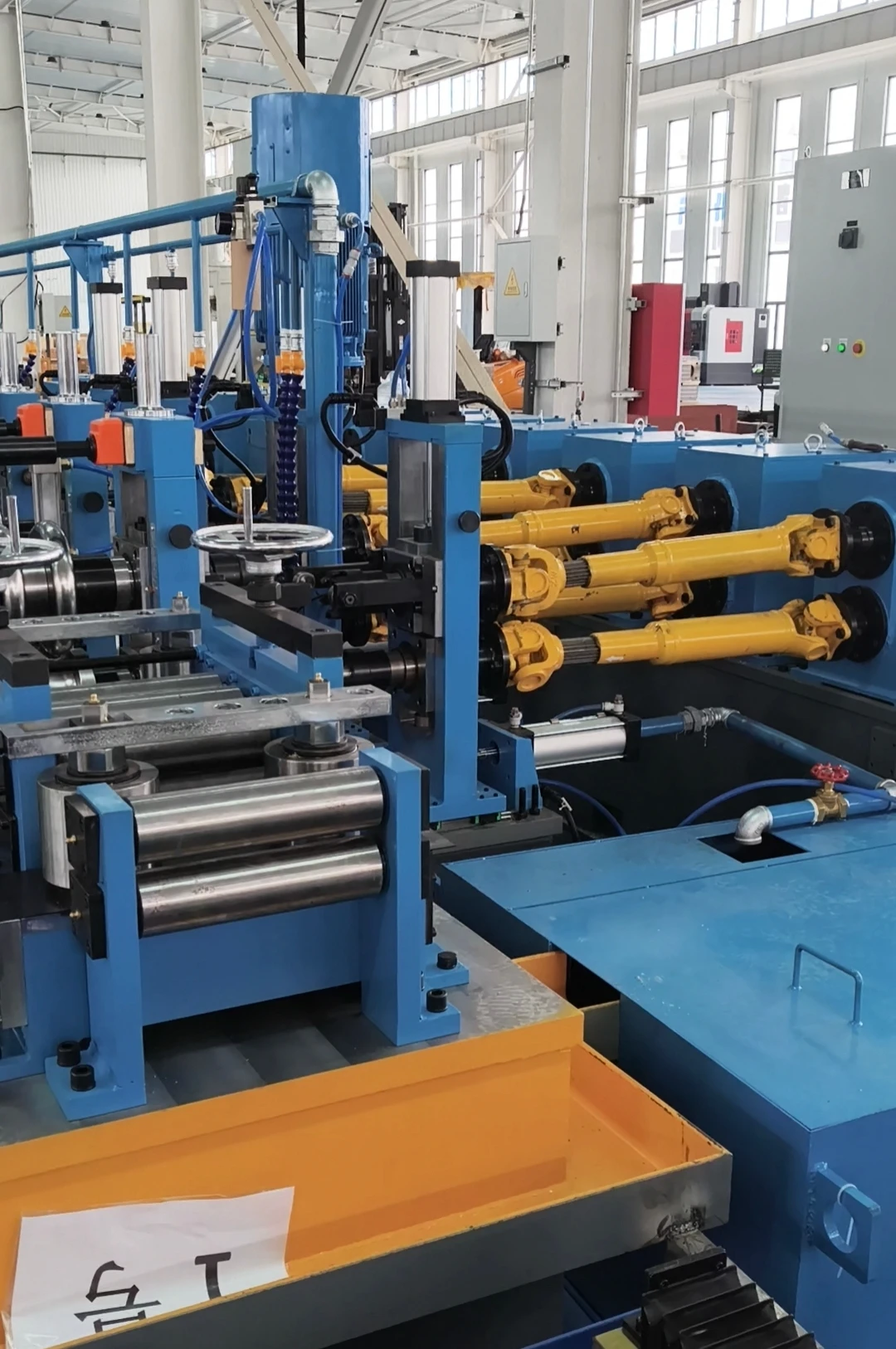
Southeast Asia Client Visits Our Factory | Customized Tube Mill Solution Delivered
A Southeast Asia client visited our ERW tube mill factory to inspect production lines and discuss a customized tube mill solution. Impressed by our machine quality, welding performance, and engineering support, the client confirmed strong cooperation intentions. Discover how our ERW tube mill solutions improve efficiency, precision, and long-term production reliability.
2026-04-15 10:37:55
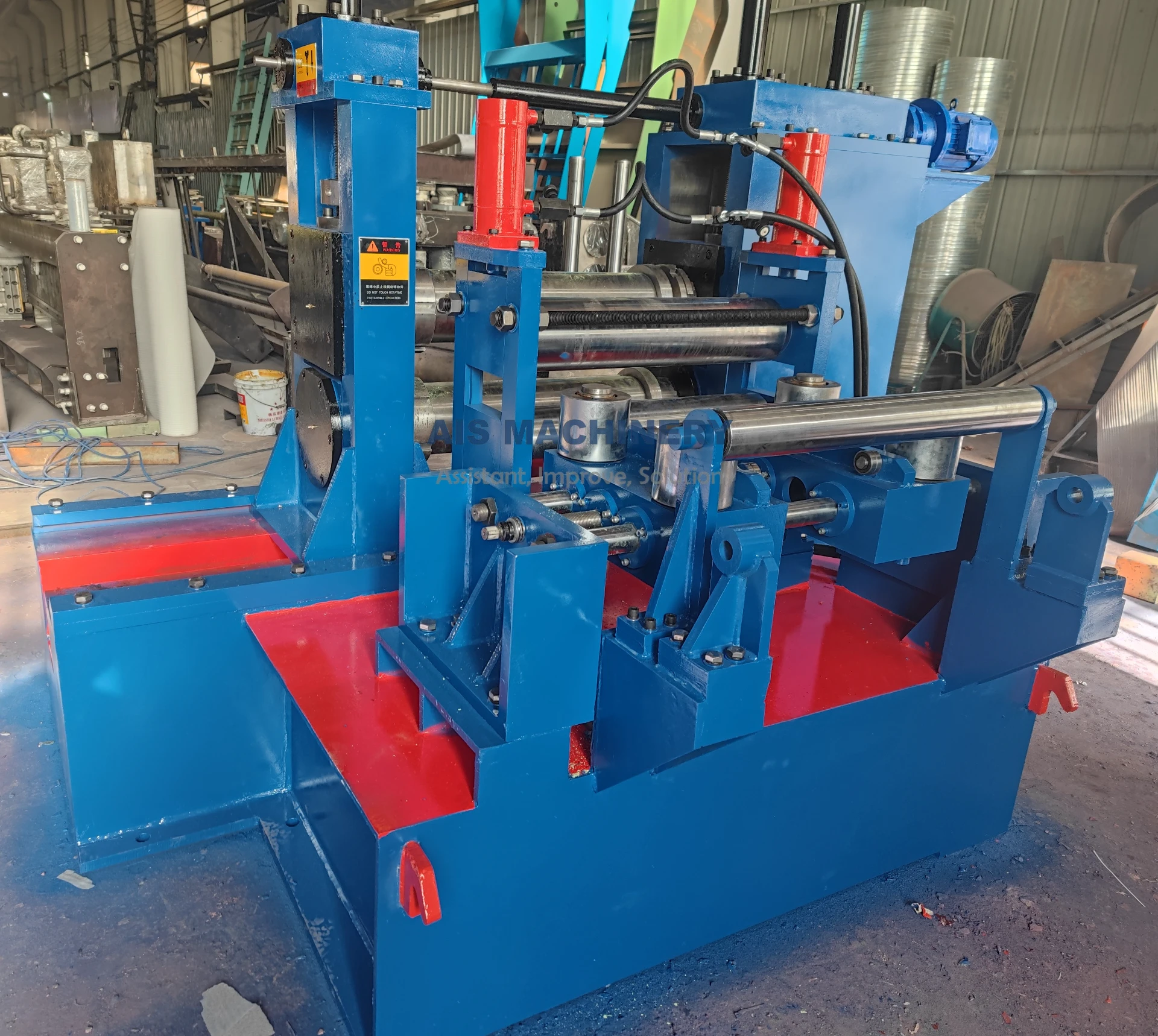
Flat Bar Production Line for Steel Coils: How It Works & Why It Matters
Looking for a flat bar production line? Learn how it turns steel coils into ready-to-use flat bars with precise length and high straightness. Compare it with slitting lines and get the best solution for your steel processing needs.
2026-04-14 00:00:00
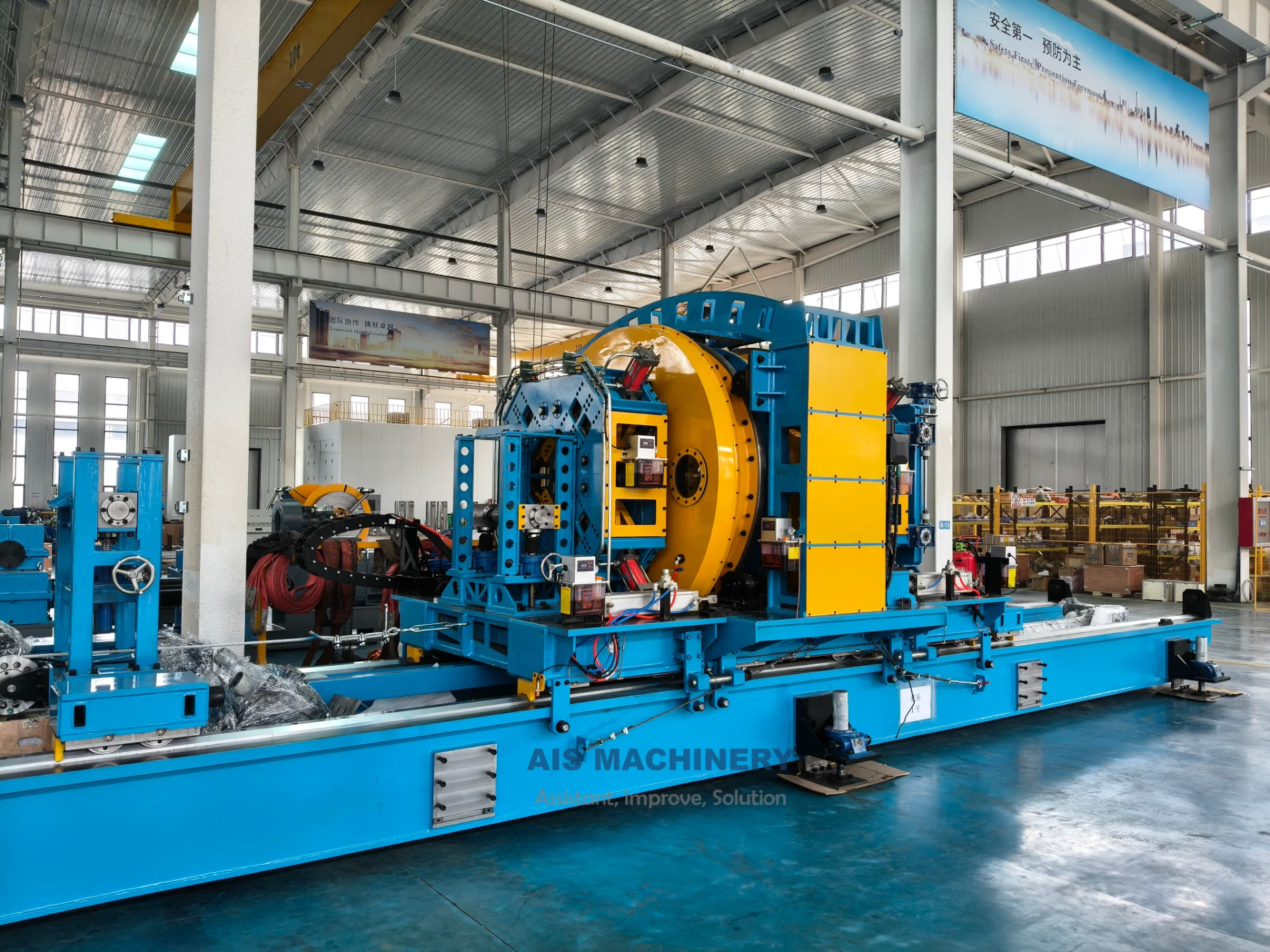
Looking for a Milling Saw for ERW Tube Mill? Here’s What You Need to Know
Looking for a high-performance milling saw for your ERW tube mill? Upgrade to burr-free, high-precision pipe cutting with advanced flying saw technology. Improve efficiency, reduce rework, and meet export standards for carbon steel, stainless steel, and API pipes. Contact us today for expert solutions and competitive pricing tailored to your production needs.
2026-04-09 16:15:19
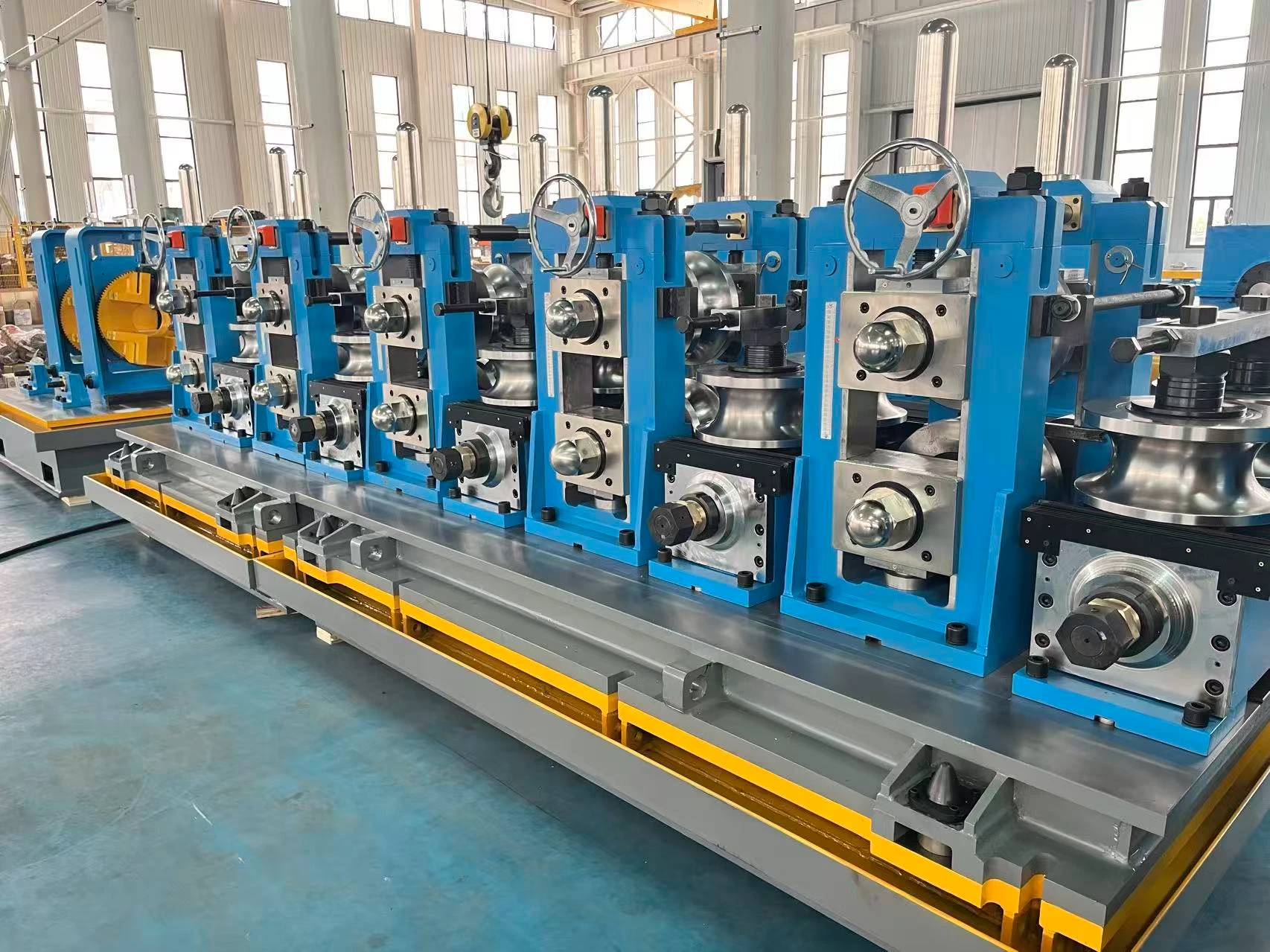
5-Inch (127mm) ERW Tube Making Machine Delivered with Heavy-Duty Design and Advanced Quick Change System
2027-04-07 00:00:00
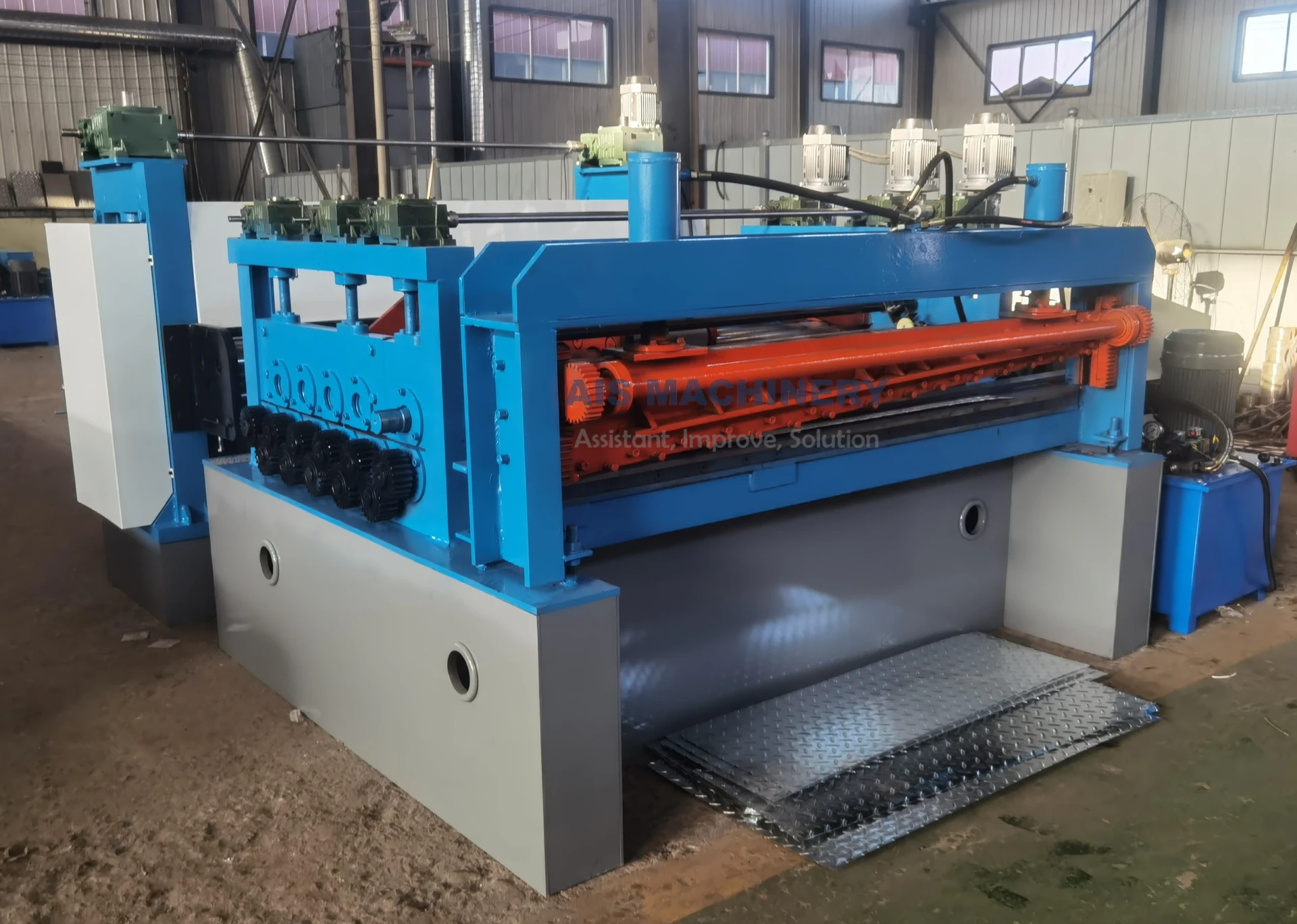
Metal Embossing Machine: Turn Flat Sheets into High-Value Textured Products
Discover how a metal embossing machine transforms flat steel, stainless steel, and aluminum sheets into high-value textured products. Learn about its working principle, key components, and applications. Ideal for decorative and industrial use, embossing machines improve both appearance and performance. Explore complete embossing line solutions and find the right machine for your production needs.
Send a Message
Dear customer, thank you for your attention! We provide high-quality machinery and equipment and look forward to your orders. Please inform us of your needs and we will respond quickly!
 English
  Albanian
  Arabic
  French
  German
  Indonesian
  Italian
  Japanese
  Kazakh
  Korean
  Latin
Latin  Macedonian
  Portuguese
  Russian
  Spanish
  Thai
Thai  Turkish
  Ukrainian
  Uzbek
Uzbek