
-
 Tel:86-15176910262
-

Search

Cut to Length Lines Speed Efficiency
Sep . 02, 2025 17:06
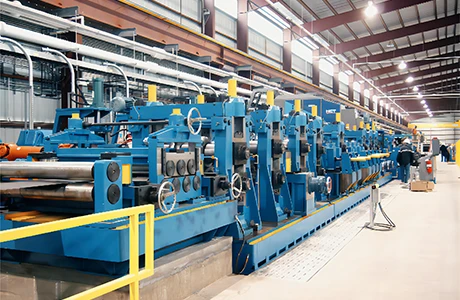
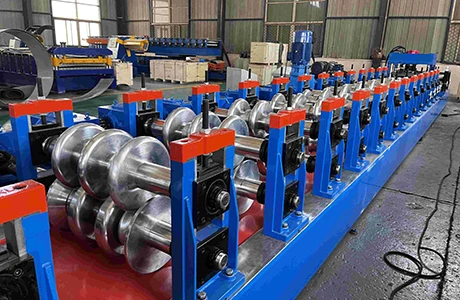
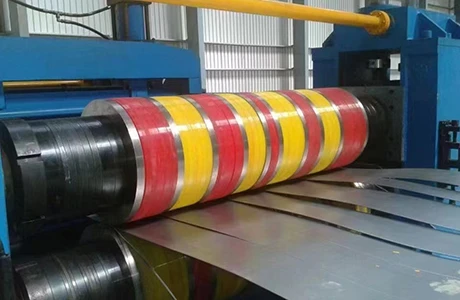
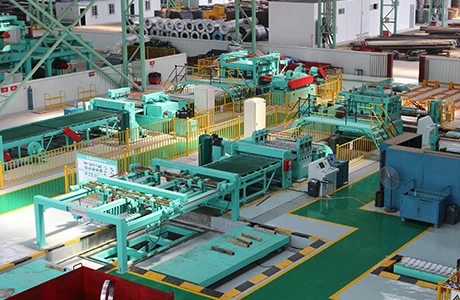
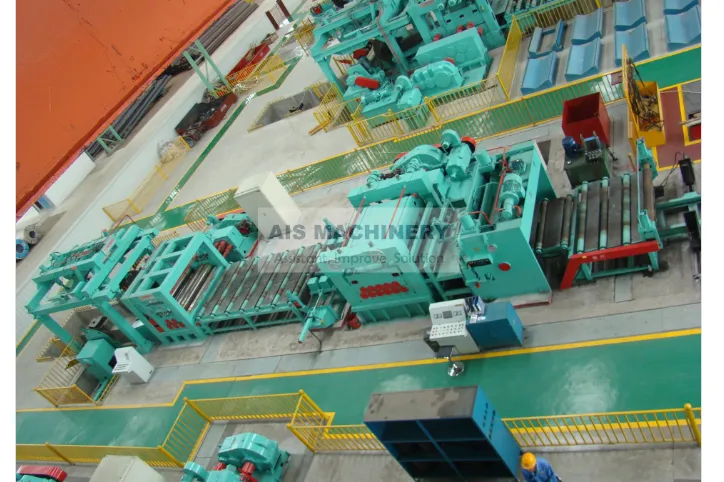
Maximizing speed efficiency in cut to length lines is pivotal for meeting high-volume production demands while maintaining precise length tolerances, making it a critical consideration for manufacturers across industries. As a wholesaler, understanding how cut to length machine and cut to length line systems optimize speed—without compromising accuracy—enables partners to select equipment that aligns with their productivity goals. HEBEI AIS MACHINERY EQUIPMENT CO.,LTD specializes in engineering cut to length lines with advanced speed control technologies, delivering solutions for sectors such as automotive, construction, and metal processing. This guide explores the factors influencing cut to length lines speed efficiency, strategies to enhance performance in cut to length machine operations, and how cut to length line design impacts throughput, empowering wholesalers to support customers in achieving efficient, high-quality production.
Cut To Length Lines Speed Efficiency Fundamentals
Core Speed Metrics
Linear Speed Capabilities: cut to length linestypically operate at speeds ranging from 30 m/min to 200 m/min, with performance varying by material thickness and required length precision. HEBEI AIS MACHINERY EQUIPMENT CO.,LTD’s high-performance cut to length lines, such as the CTL-2000, achieve speeds up to 250 m/min for thin-gauge materials (0.3mm–2mm), setting industry benchmarks for throughput.
Cycle Time Optimization: Beyond linear speed, cut to length linesefficiency depends on minimizing cycle times for cutting, stacking, and material handling. HEBEI AIS MACHINERY EQUIPMENT CO.,LTD’s systems integrate servo-driven cutting mechanisms that reduce cut-to-cut intervals by 30%, ensuring continuous operation even for short-length productions.
Accuracy-Speed Balance: cut to length linesmust balance speed with length tolerance—typically ±0.1mm for precision applications. HEBEI AIS MACHINERY EQUIPMENT CO.,LTD’s cut to length lines use laser length measurement and predictive cutting algorithms, maintaining tight tolerances even at maximum speeds, eliminating the need to slow down for accuracy.
Material-Driven Speed Adjustments
Thin Gauge Advantages: Thin materials (0.1mm–3mm) allow cut to length linesto operate at peak speeds, as they require less cutting force and experience minimal deflection. HEBEI AIS MACHINERY EQUIPMENT CO.,LTD’s cut to length lines for thin gauges leverage lightweight roller systems and low-friction guides, enabling speeds up to 200 m/min without material distortion.
Thick Gauge Considerations: Thick materials (3mm–12mm) reduce cut to length linesspeed to 30–80 m/min, as higher cutting forces and slower blade penetration times are required. HEBEI AIS MACHINERY EQUIPMENT CO.,LTD’s heavy-duty cut to length lines counter this with hydraulic cutting systems and reinforced frames, maximizing speed while ensuring clean, burr-free cuts.
Cut To Length Machine Speed Enhancement Technologies
Automated Feeding and Alignment
Servo-Feed Systems: Modern cut to length machinemodels use servo motors for material feeding, enabling precise speed control and acceleration/deceleration ramps. HEBEI AIS MACHINERY EQUIPMENT CO.,LTD’s cut to length machine systems feature multi-axis synchronization that matches feed speed to cutting speed, eliminating material slippage that would otherwise reduce efficiency.
Edge Guiding Mechanisms: cut to length machineedge guides ensure material alignment, preventing jams and reducing downtime. HEBEI AIS MACHINERY EQUIPMENT CO.,LTD’s cut to length machine designs include ultrasonic edge sensors that adjust guiding in real time, maintaining alignment even at high speeds (150+ m/min), critical for wide-coil processing.
Cutting Mechanism Innovations
Flywheel Cutting Systems: cut to length machineefficiency is enhanced by flywheel-driven cutters that store kinetic energy, enabling high-speed cutting without sacrificing force. HEBEI AIS MACHINERY EQUIPMENT CO.,LTD’s cut to length machine models use variable-speed flywheels that adapt to material thickness, delivering 50% faster cutting cycles than hydraulic-only systems for medium-gauge materials.
Multi-Blade Configurations: For narrow-width materials, cut to length machinesystems with multi-blade setups cut multiple strips simultaneously, multiplying effective speed. HEBEI AIS MACHINERY EQUIPMENT CO.,LTD’s cut to length machine multi-blade models process up to 10 strips at once, turning 100 m/min linear speed into 1000 m/min equivalent throughput.
Cut To Length Line System Design for Efficiency
Integrated Material Handling
In-Line Stacking: cut to length lineefficiency is boosted by automated stacking systems that eliminate manual material handling. HEBEI AIS MACHINERY EQUIPMENT CO.,LTD’s cut to length line models include robotic stackers with adjustable grippers, handling up to 500 pieces/hour and reducing bottlenecks at the exit.
Coil Handling Optimization: cut to length linespeed is limited by coil changeover time—typically 5–15 minutes for standard systems. HEBEI AIS MACHINERY EQUIPMENT CO.,LTD’s dual-uncoiler cut to length line designs cut changeover time to under 2 minutes, ensuring 95%+ uptime during extended production runs.
Smart Control Systems
PLC and HMI Integration: cut to length linesystems use programmable logic controllers (PLCs) to automate speed adjustments based on material type and length. HEBEI AIS MACHINERY EQUIPMENT CO.,LTD’s cut to length line HMI interfaces allow operators to store 100+ production profiles, enabling one-touch setup and minimizing speed loss during job changes.
Predictive Maintenance Alerts: Unplanned downtime severely impacts cut to length line HEBEI AIS MACHINERY EQUIPMENT CO.,LTD’s IoT-enabled cut to length linemodels monitor component wear in real time, alerting operators to maintenance needs before failures occur, preserving consistent speed performance.
Table: cut to length lines Speed Efficiency by Model
|
Model Type |
Speed Range (m/min) |
Material Thickness (mm) |
Length Tolerance |
HEBEI AIS MACHINERY EQUIPMENT CO.,LTD. Model |
|
Precision cut to length line |
100–200 |
0.1–3 |
±0.1mm |
CTL-P100-200 |
|
Standard cut to length machine |
60–150 |
1–6 |
±0.2mm |
CTM-S60-150 |
|
Heavy-Duty cut to length lines |
30–80 |
6–12 |
±0.3mm |
CTL-H30-80 |
Cut To Length Lines FAQS
How does material thickness affect the speed of cut to length lines?
Material thickness significantly impacts cut to length lines speed, with thicker materials requiring slower operation to ensure clean cuts and prevent equipment strain. For example, cut to length lines may process 0.5mm steel at 200 m/min but slow to 50 m/min for 10mm steel. HEBEI AIS MACHINERY EQUIPMENT CO.,LTD’s cut to length lines feature adaptive speed controls that automatically adjust based on thickness, maintaining optimal efficiency while preserving cut quality across all gauges.
What technologies improve speed efficiency in a cut to length machine?
cut to length machine speed efficiency is enhanced by servo-driven feeding systems, laser length measurement, and automated stacking—technologies that reduce wasteful pauses and ensure continuous operation. HEBEI AIS MACHINERY EQUIPMENT CO.,LTD’s cut to length machine models integrate these features, with servo motors enabling precise acceleration/deceleration and laser sensors ensuring accurate cutting without speed sacrifices, boosting throughput by 40% compared to conventional systems.
Can a cut to length line maintain high speed for both short and long lengths?
Yes, a cut to length line can maintain high speed for both short and long lengths with advanced control systems. HEBEI AIS MACHINERY EQUIPMENT CO.,LTD’s cut to length line models use predictive cutting algorithms that adjust feed rates dynamically—slowing slightly for short lengths (≤500mm) to ensure precision while maintaining maximum speed for long lengths (≥2m). This versatility makes cut to length line systems suitable for mixed-length production runs.
What maintenance practices preserve speed efficiency in cut to length lines?
Preserving cut to length lines speed efficiency requires regular maintenance, including lubricating guide rails, calibrating length sensors, and inspecting cutting blades for wear. HEBEI AIS MACHINERY EQUIPMENT CO.,LTD recommends weekly blade sharpening for high-speed cut to length lines processing over 10,000 pieces/day, as dull blades force the system to slow down to compensate for poor cutting performance. Additionally, cleaning debris from feeding mechanisms prevents jams that disrupt speed consistency.
How do cut to length machine systems balance speed and length accuracy?
cut to length machine systems balance speed and accuracy using advanced measurement technologies like laser or encoder-based length detection, which synchronize with high-speed cutting mechanisms. HEBEI AIS MACHINERY EQUIPMENT CO.,LTD’s cut to length machine models, for instance, use real-time length feedback to adjust cutting timing, ensuring that even at 200 m/min, pieces maintain ±0.1mm tolerance. This integration eliminates the need to trade speed for precision, a key advantage of modern cut to length machine design.
cut to length lines speed efficiency is a cornerstone of productive metal processing operations, influenced by material properties, equipment design, and control technologies. By understanding how cut to length machine and cut to length line systems optimize speed while preserving accuracy, wholesalers can guide customers toward solutions that meet their throughput and quality goals. HEBEI AIS MACHINERY EQUIPMENT CO.,LTD’s innovative cut to length lines—equipped with adaptive speed controls, automated handling, and smart maintenance features—set the standard for efficient production across thin to thick materials. As a wholesaler, emphasizing these efficiency-driving capabilities strengthens partnerships, supporting customers in achieving competitive advantages through high-performance, reliable cut to length lines operations.

Related Products

Related News
2027-04-24 00:00:00
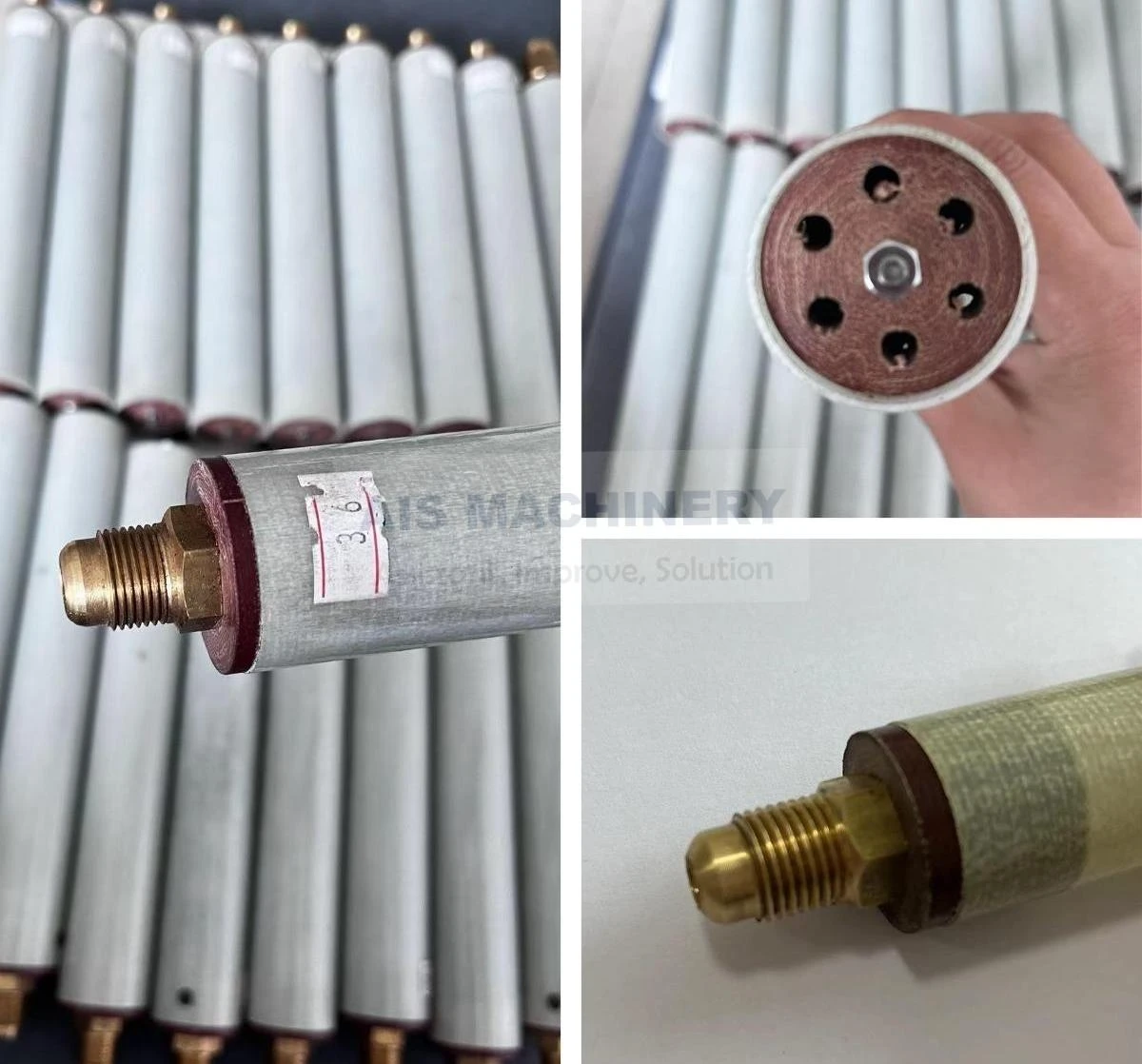
What is an Impeder and Ferrite Rods in ERW Tube Mill?
Struggling with impeder overheating or short service life in your ERW tube mill? This guide explains common impeder problems, the role of ferrite rods, and how to choose the right impeder for stable welding performance. Improve weld quality, reduce energy loss, and extend equipment lifespan with the right selection and proper cooling solutions.
2026-04-21 10:22:25
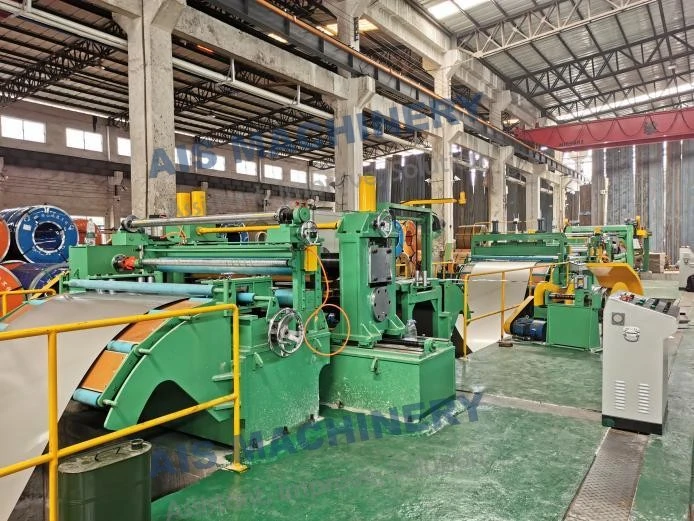
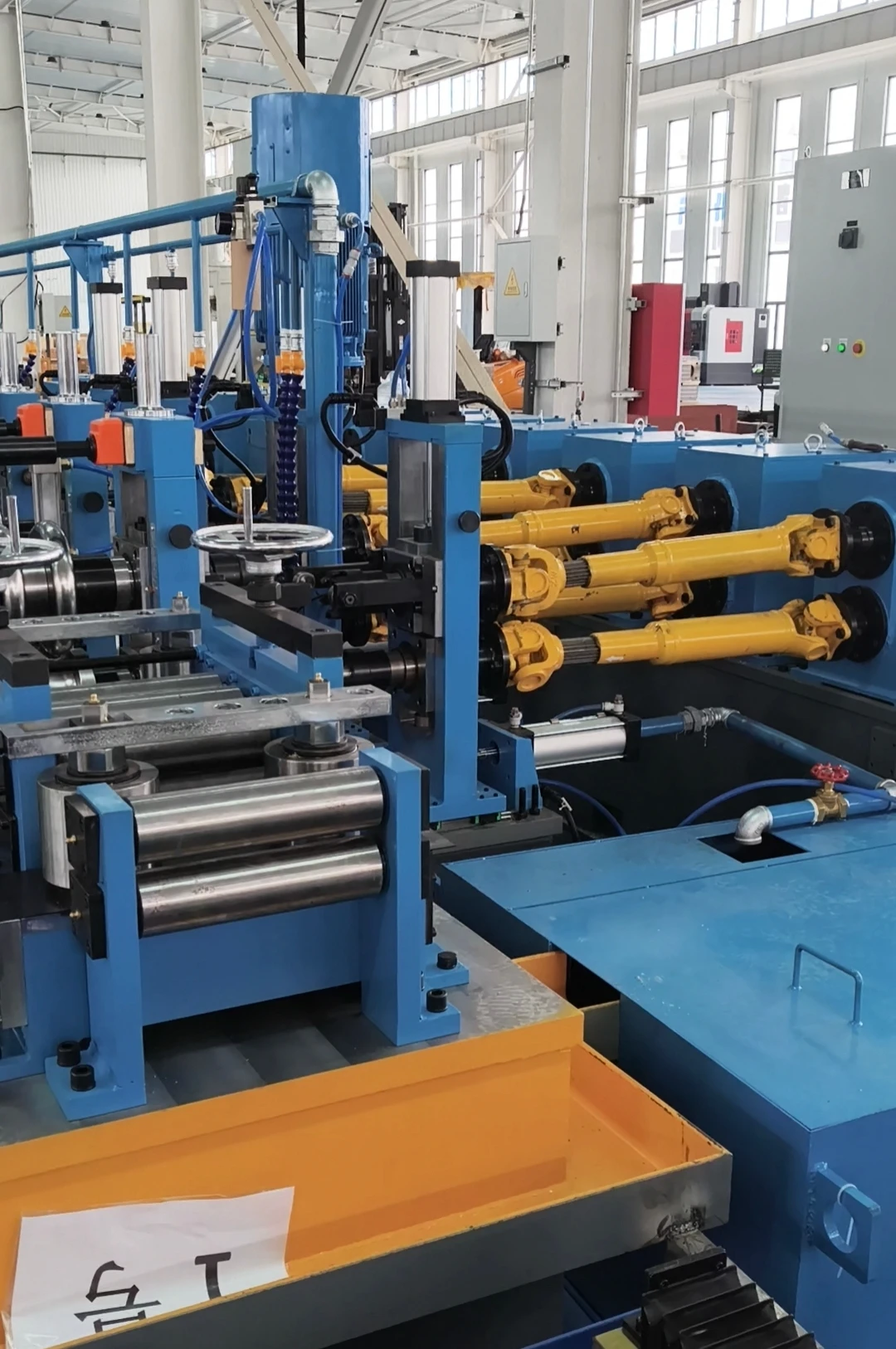
Slitting & Cut-to-Length Combined Production Line: A Smarter Way to Process Steel Coils
Discover the Slitting & Cut-to-Length Combined Production Line, a flexible solution for steel coil processing. This system integrates slitting line and cut-to-length line functions in one machine, saving space, reducing costs, and improving efficiency. Ideal for processing both steel strips and sheets, it is widely used in service centers and manufacturing industries. Learn its advantages, limitations, and applications.
2026-04-18 03:20:20
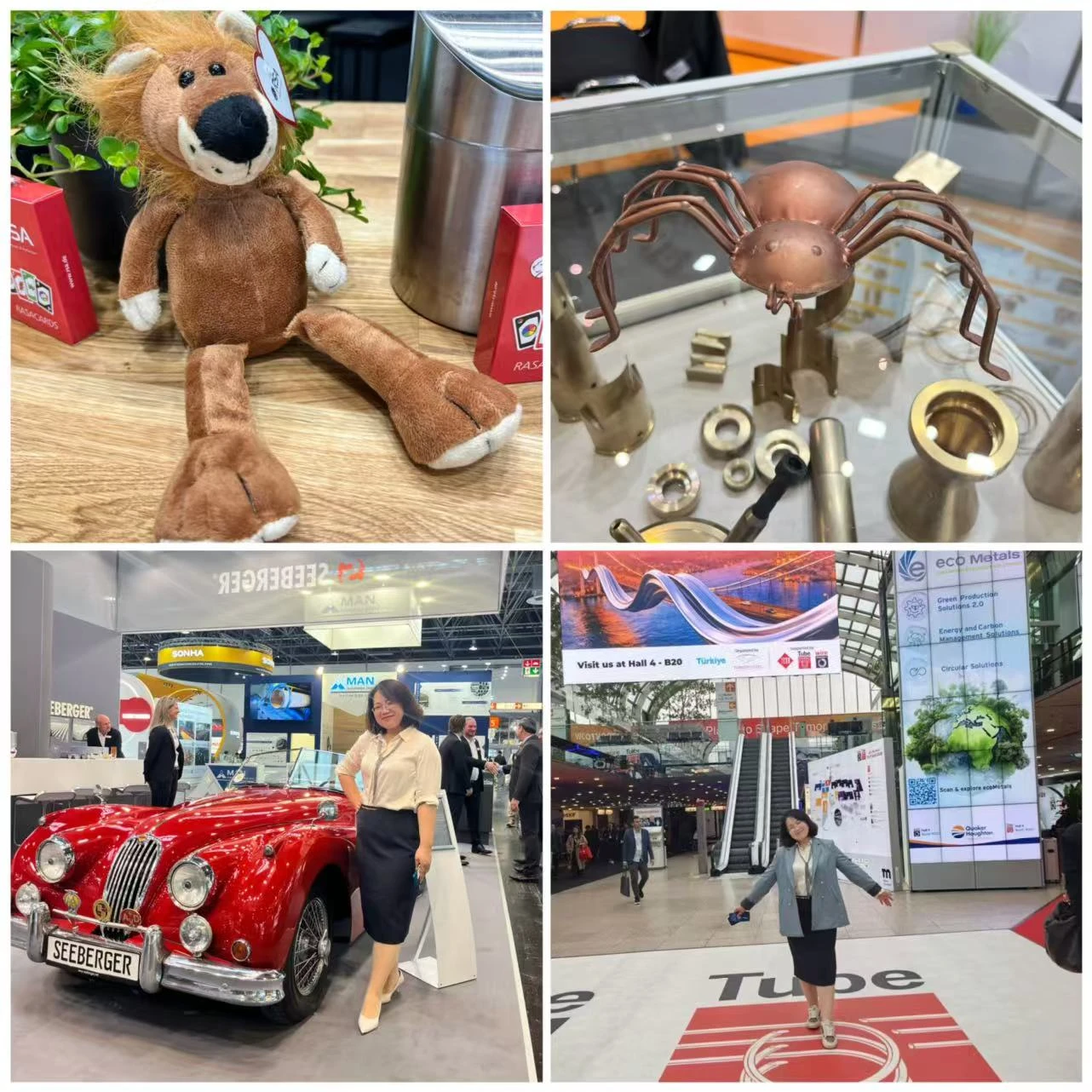
AIS Machinery Showcases Advanced Tube Solutions at Tube & Wire Düsseldorf 2026
Tube & Wire Düsseldorf 2026, one of the most influential exhibitions in the global tube and wire industry, held biennially in Düsseldorf, Germany
2026-04-17 00:00:00
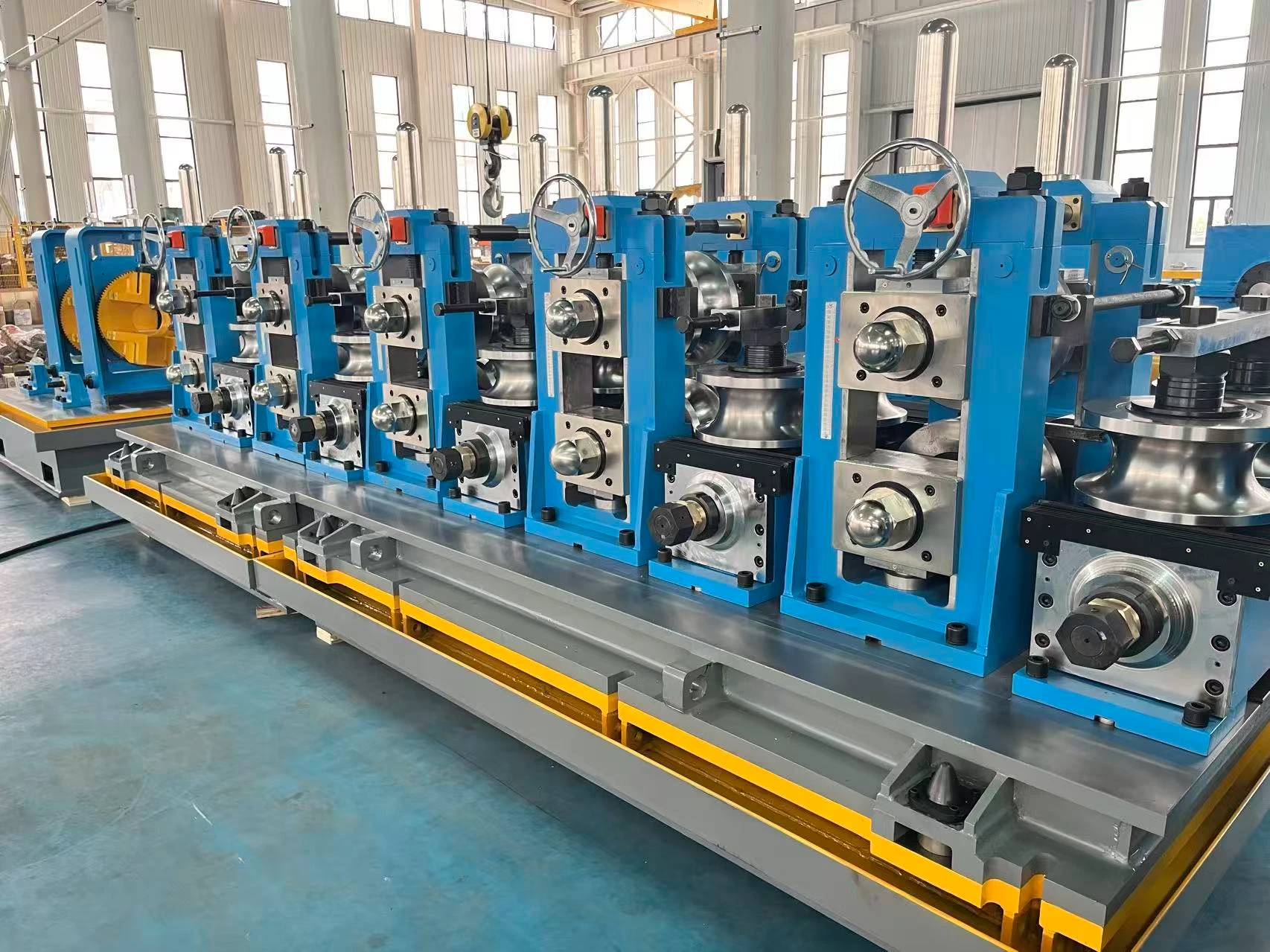
Southeast Asia Client Visits Our Factory | Customized Tube Mill Solution Delivered
A Southeast Asia client visited our ERW tube mill factory to inspect production lines and discuss a customized tube mill solution. Impressed by our machine quality, welding performance, and engineering support, the client confirmed strong cooperation intentions. Discover how our ERW tube mill solutions improve efficiency, precision, and long-term production reliability.
2026-04-15 10:37:55
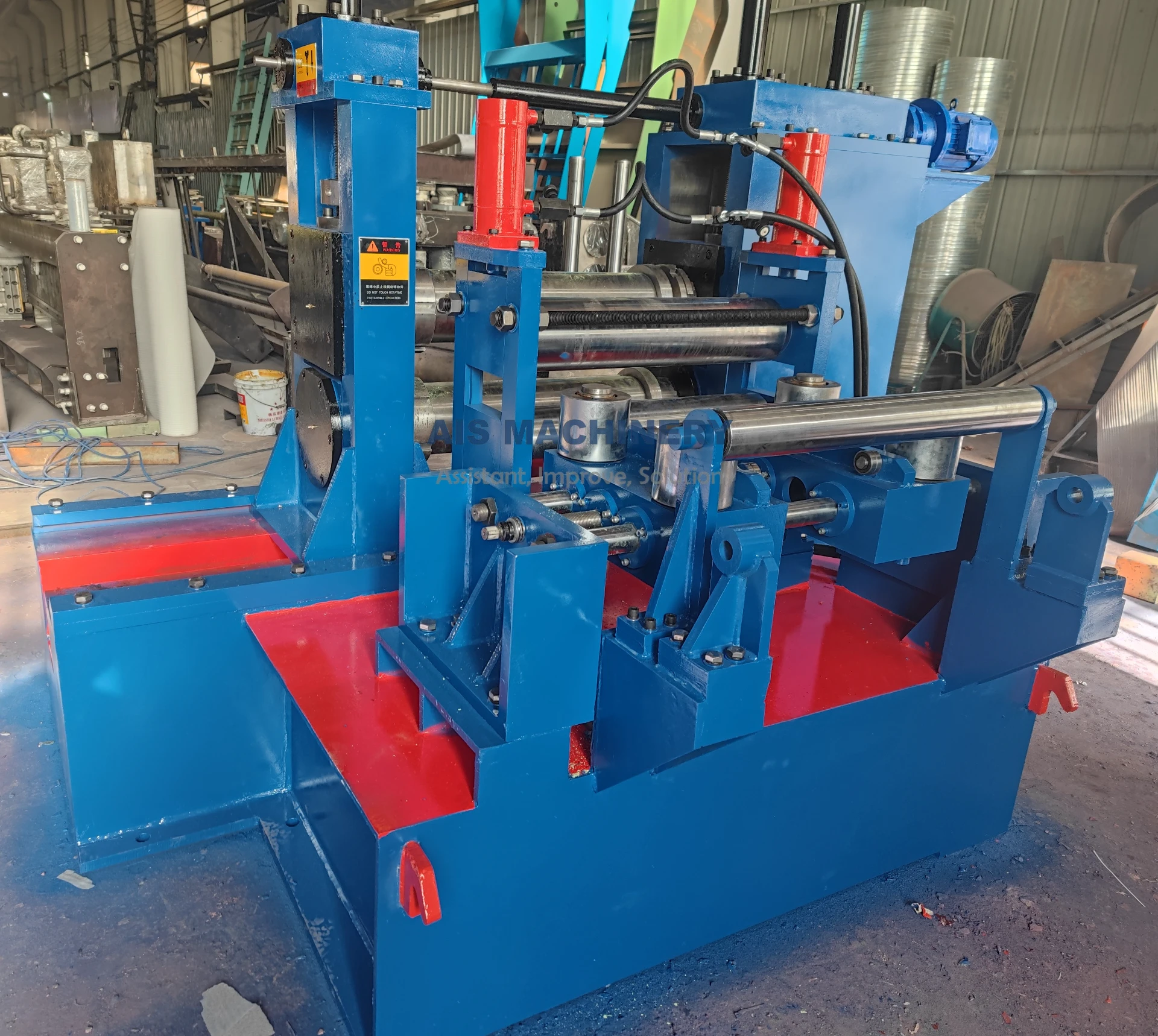
Flat Bar Production Line for Steel Coils: How It Works & Why It Matters
Looking for a flat bar production line? Learn how it turns steel coils into ready-to-use flat bars with precise length and high straightness. Compare it with slitting lines and get the best solution for your steel processing needs.
2026-04-14 00:00:00
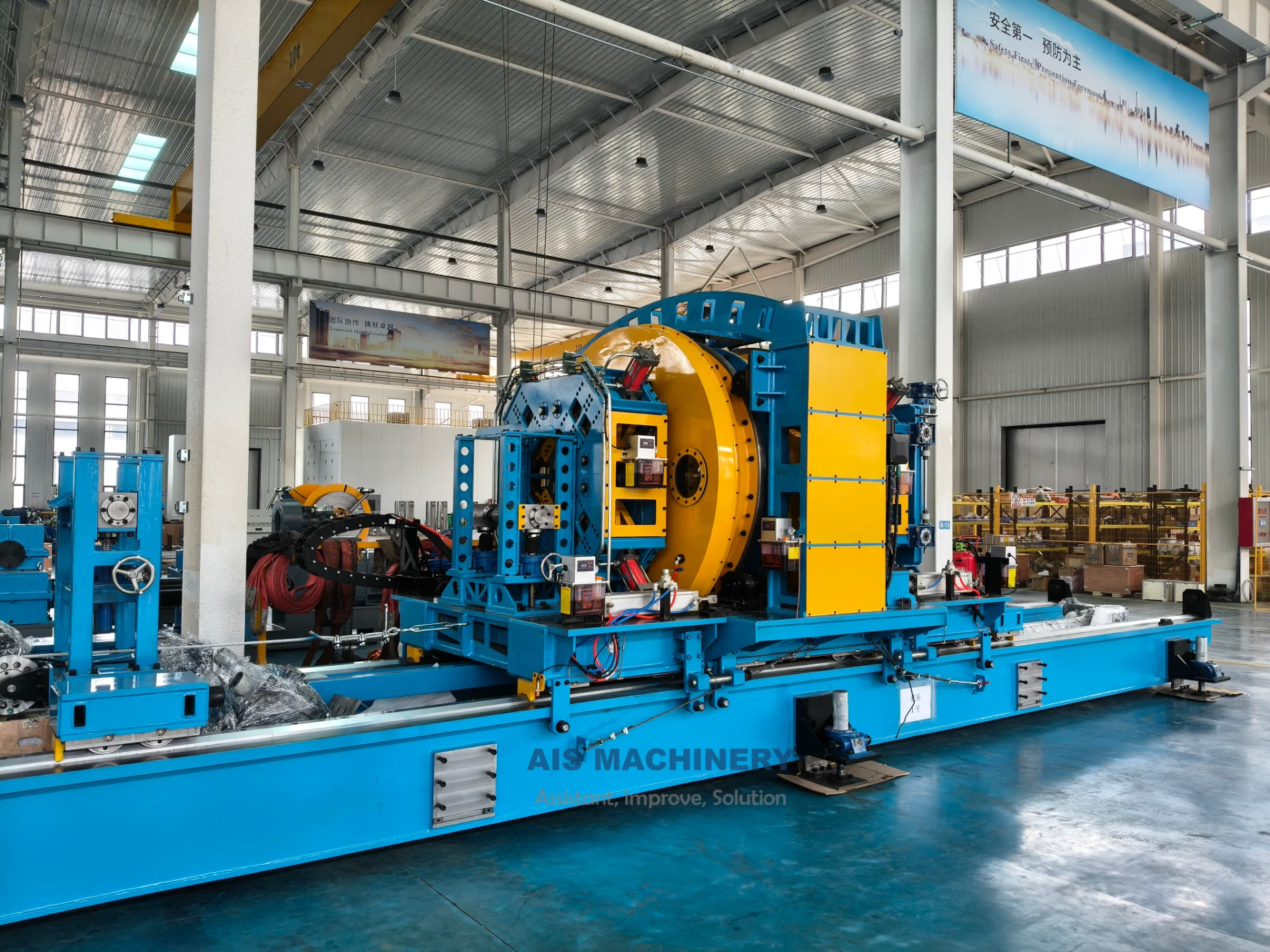
Looking for a Milling Saw for ERW Tube Mill? Here’s What You Need to Know
Looking for a high-performance milling saw for your ERW tube mill? Upgrade to burr-free, high-precision pipe cutting with advanced flying saw technology. Improve efficiency, reduce rework, and meet export standards for carbon steel, stainless steel, and API pipes. Contact us today for expert solutions and competitive pricing tailored to your production needs.
2026-04-09 16:15:19
5-Inch (127mm) ERW Tube Making Machine Delivered with Heavy-Duty Design and Advanced Quick Change System
2027-04-07 00:00:00
Metal Embossing Machine: Turn Flat Sheets into High-Value Textured Products
Discover how a metal embossing machine transforms flat steel, stainless steel, and aluminum sheets into high-value textured products. Learn about its working principle, key components, and applications. Ideal for decorative and industrial use, embossing machines improve both appearance and performance. Explore complete embossing line solutions and find the right machine for your production needs.
Send a Message
Dear customer, thank you for your attention! We provide high-quality machinery and equipment and look forward to your orders. Please inform us of your needs and we will respond quickly!
 English
  Albanian
  Arabic
  French
  German
  Indonesian
  Italian
  Japanese
  Kazakh
  Korean
  Latin
Latin  Macedonian
  Portuguese
  Russian
  Spanish
  Thai
Thai  Turkish
  Ukrainian
  Uzbek
Uzbek