
-
 Tel:86-15176910262
-

Search

Comprehensive Guide to Steel Slitting Line – Industry Insights & Future Trends
Nov . 15, 2025 13:30
The Steel Slitting Line: Why It’s More Important Than You Might Think
At first glance, a steel slitting line might just sound like another piece of industrial jargon. But peel back a bit, and you’ll find this technology plays a crucial role in shaping everything from car bodies to electrical enclosures worldwide. Simply put, a steel slitting line slices large coils of steel sheet into narrower strips tailored for specific manufacturing needs — a process that saves costs, reduces waste, and improves production speed across industries. Understanding these lines is not just for industry insiders; it’s key to grasping modern manufacturing’s efficiency and sustainability issues.
Steel Slitting Line in a Global Context: Meeting Industrial Demands
Steel production is a cornerstone of modern economies. According to the World Steel Association, the global crude steel output reached approximately 1.9 billion tonnes in 2023, supporting everything from infrastructure to consumer goods. Yet, challenges remain in optimizing steel use and minimizing excess material. This is where steel slitting lines come in, enabling producers across continents—from Asia’s massive manufacturing hubs to European automotive plants—to customize steel coil widths precisely, reducing waste and downtime.
Oddly enough, with the rising emphasis on sustainability and resource efficiency (check ISO standards on steel processing), steel slitting lines answer a global need: precision meets scale. It’s one of those “unseen heroes” quietly helping industries meet volume demands without sacrificing quality or planet-friendly practices.
What Exactly Is a Steel Slitting Line?
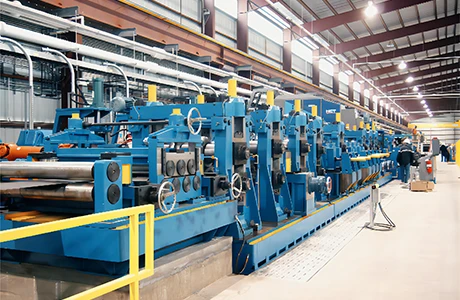
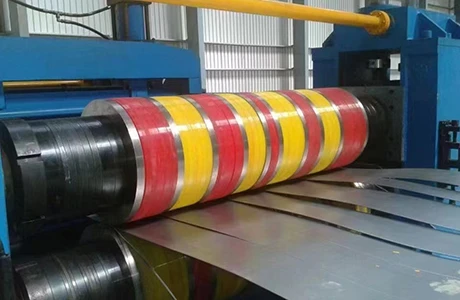
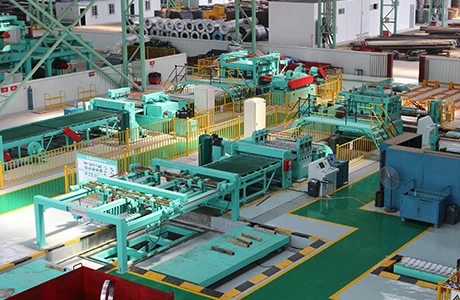
In plain terms, a steel slitting line is a mechanical system designed to uncoil, slit, and rewind steel coils. Imagine a giant roll of sheet metal—too wide for your exact manufacturing purpose. The slitting line takes that big coil and slices it into narrower strips that can be used immediately for production, whether it’s for appliances, automotive parts, roofing materials, or shipbuilding.
This process is vital, not just for factories but also for communities relying on timely manufacturing — in post-disaster rebuilding or infrastructure development programs, for example. The speed and accuracy of these lines ensure materials arrive ready-to-use, minimizing delays and extra labor.
Mini Takeaway:
At its core, steel slitting lines combine precision engineering with flexible production, making them an indispensable tool in global steel processing and manufacturing.
Understanding the Core Components of a Steel Slitting Line
1. Durability: Building for Heavy-Duty Use
Steel slitting equipment has to withstand constant intrepid use — often running 24/7 in harsh industrial conditions. That means blades and motors are made from high-grade materials to resist wear and tear. Many engineers I’ve spoken to stress that robust design lowers downtime, ultimately saving huge amounts on maintenance.
2. Scalability: From Small Batches to High Volume Production
The range of needs can vary wildly—some factories handle small specialized orders, while others churn out thousands of tons monthly. Modern slitting lines are modular and customizable, able to adapt coil widths and thicknesses without lengthy retooling. This scalability is no small feat.
3. Cost Efficiency: Less Waste, More Profit
Accurate slitting reduces scrap, which translates directly into less money lost. There’s also a savings on energy due to more streamlined operation. And, by producing exactly sized materials, downstream processes run smoother, cutting overall costs.
4. Precision Control Systems
Today’s slitting lines use digital controls with real-time feedback, allowing operators to monitor blade wear, coil tension, and alignment instantly. It’s kind of like precision surgery but on metal. This high degree of control improves product quality and repeatability.
5. Safety Features
Cutting steel isn’t for the faint-hearted. Automated safety interlocks, emergency stops, and protective barriers have become standard to protect workers, which is a relief for operators spending hours alongside the machines.
Mini Takeaway:
These core components combine to make steel slitting lines robust, flexible, and efficient — attributes critical to meeting the rigorous demands of modern manufacturing.
Worldwide Uses: Where and How Steel Slitting Lines Shine
Steel slitting lines are everywhere—from the sprawling industrial parks of China and India to specialized automotive plants in Germany and North America. They’re essential in industries such as:
- Automotive manufacturing, for body panels and structural parts
- Electrical appliances, ensuring precise sheet sizes for casing and components
- Construction, creating roofing, framing, and cladding materials
- Packaging, slicing steel strips used in drums and barrels
For instance, in remote industrial zones like those in Brazil’s resource-rich interior, slitting lines enable the production of steel components onsite, reducing dependency on costly imports. In humanitarian contexts, steel slitting lines speed up production of building materials for rapid reconstruction efforts after natural disasters.
Mini Takeaway:
The versatility of these lines is genuinely global, supporting both advanced economies and emerging markets with equal ease.
Why Steel Slitting Lines Matter for the Long Haul
Aside from technical prowess, steel slitting lines represent a significant leap in manufacturing sustainability and reliability. Let’s break down why they’re invaluable:
- Cost Savings: Cutting precise widths cuts scrap, lowering raw material usage and cost.
- Environmental Impact: Reduced waste means less landfill and lower energy consumption.
- Supply Chain Reliability: Faster turnaround times improve factory throughput and reduce bottlenecks.
- Customer Trust: Consistent quality enhances brand reputation, especially in tight-specced industries like automotive.
On a more emotional note, I think many in manufacturing feel reassured by the quiet efficiency of these machines — they symbolize progress, careful resource use, and a commitment to getting things right.
Future Trends: What’s Next in Steel Slitting Technology?
As green energy initiatives ramp up and digital transformation sweeps manufacturing floors, steel slitting lines are evolving fast. Here’s where the future seems headed:
- Automation & AI: Smarter slitting lines auto-adjust based on coil specifications and predictive maintenance forecasts.
- Eco-Friendly Materials: Use of recyclable lubricants and energy-efficient motors reducing carbon footprint.
- Integration with Industry 4.0: Lines linked through IoT devices enable data analytics and remote monitoring.
- Advanced Blade Technologies: Longer-lasting blades mean fewer replacements, less downtime.
Manufacturers who adopt these innovations will likely gain a competitive edge while contributing to global sustainability goals.
Real-World Specifications: A Typical Steel Slitting Line Model
| Specification | Details |
|---|---|
| Max Coil Width | 2000 mm |
| Slitting Thickness Range | 0.3 – 3.0 mm |
| Max Coil Weight | 25 metric tons |
| Line Speed | Up to 300 m/min |
| Automation Level | High (PLC control with operator interface) |
| Safety Features | Emergency stops, safety interlocks, protective guards |
Vendor Comparison: Leading Steel Slitting Line Manufacturers
| Brand | Max Coil Width | Automation Features | Typical Price Range | Customer Support Rating |
|---|---|---|---|---|
| Brand A | 2100 mm | Full PLC with remote diagnostics | $450,000 - $650,000 | 4.5/5 |
| Brand B | 1800 mm | Basic automation, manual override | $300,000 - $450,000 | 4.0/5 |
| Brand C | 2000 mm | Advanced AI-assisted operation | $600,000 - $850,000 | 4.7/5 |
Challenges Commonly Faced and How They’re Tackled
So, it’s not all smooth engineering. Some common issues include:
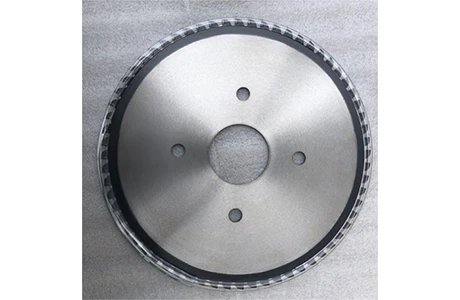
- Blade Wear and Tear: Frequent blade replacement can slow production but using high-grade alloys and coated blades increases lifespan.
- Handling Heavy Coils: Requires precise control systems and powerful uncoilers; modern lines include auto-centering to reduce manual intervention.
- Maintaining Precision at High Speeds: Vibration dampeners and advanced servo motors help maintain cut accuracy even when running fast.
Experts advocate for predictive maintenance using IoT sensors to flag issues before they become costly breakdowns — a trend we're eager to see grow.
FAQ: Your Steel Slitting Line Questions Answered
Q1: How quickly can a slitting line be adjusted for a new coil width?
Typically, modern steel slitting lines can be adjusted in under 30 minutes thanks to modular blade positioning and computerized controls, which helps reduce downtime significantly during changeovers.
Q2: What thicknesses of steel can a standard slitting line handle?
Most standard lines handle sheets from as thin as 0.3 mm up to around 3 mm, allowing wide applications from delicate appliance components to heavy structural parts.
Q3: Can slitting lines process stainless steel as well as carbon steel?
Yes, with the appropriate blades and settings, slitting lines can process a variety of steels, including stainless, which is important for high corrosion resistance applications.
Q4: How can an organization source a steel slitting line internationally?
Many vendors offer turnkey solutions and work with freight forwarders for global shipment. It’s wise to partner with manufacturers experienced in international customs and logistics to ease import challenges.
In Closing: Why Steel Slitting Lines Deserve Your Attention
In the vast machine ecosystem supporting modern manufacturing, steel slitting lines quietly punch above their weight. They blend precision, cost savings, and flexibility — three essentials that keep industries humming and economies growing.
For businesses looking to refine their coil processing or upgrade their steel supplies, exploring cutting-edge steel slitting lines online can be a game-changer. I recommend hopping over to steel slitting line specialists for deeper insights and tailored solutions.
Final Thought:
Much like the steel they slice, these lines are strong, adaptable, and enduring — quite vital in our fast-changing world.
References:

Related Products

Related News
2026-04-18 03:20:20
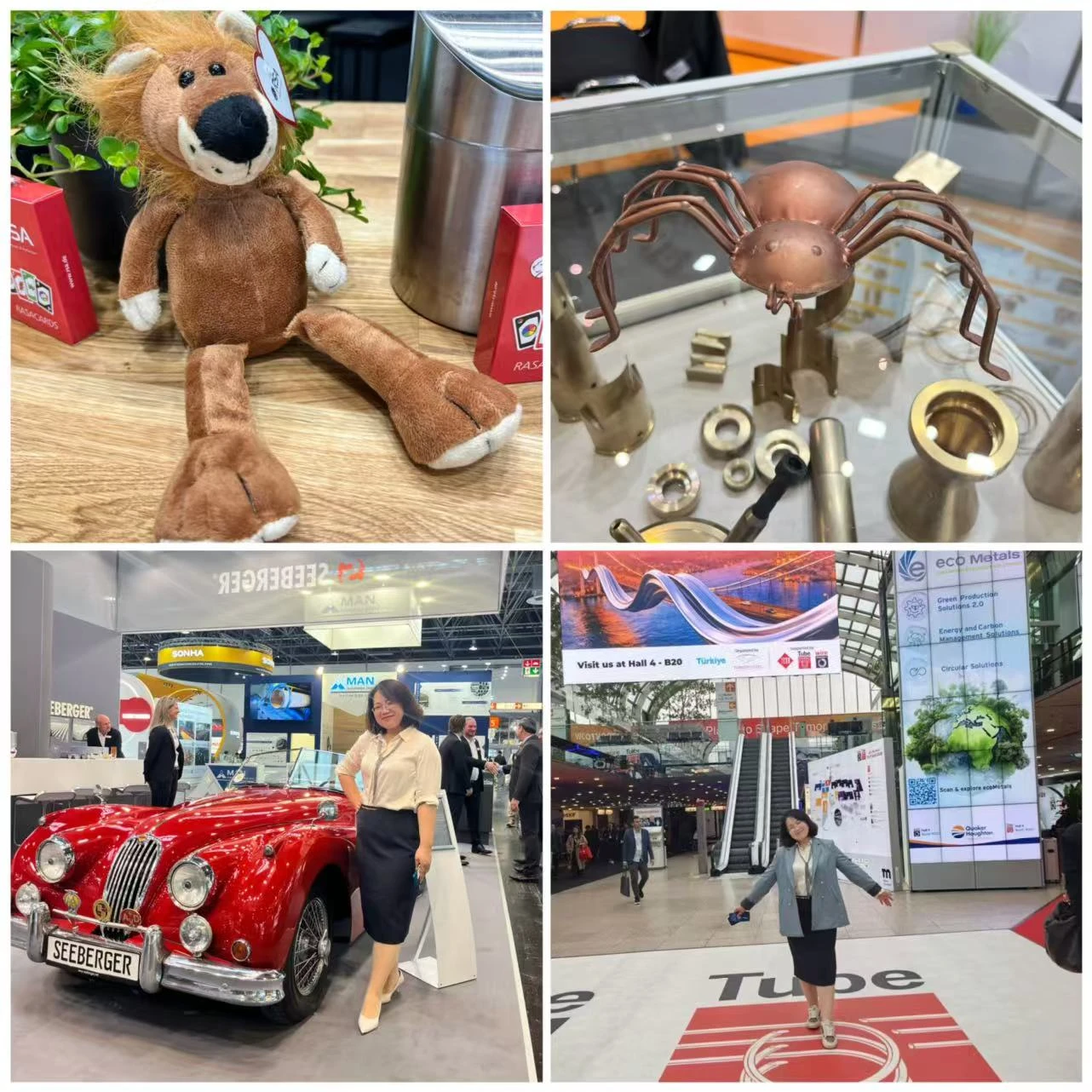
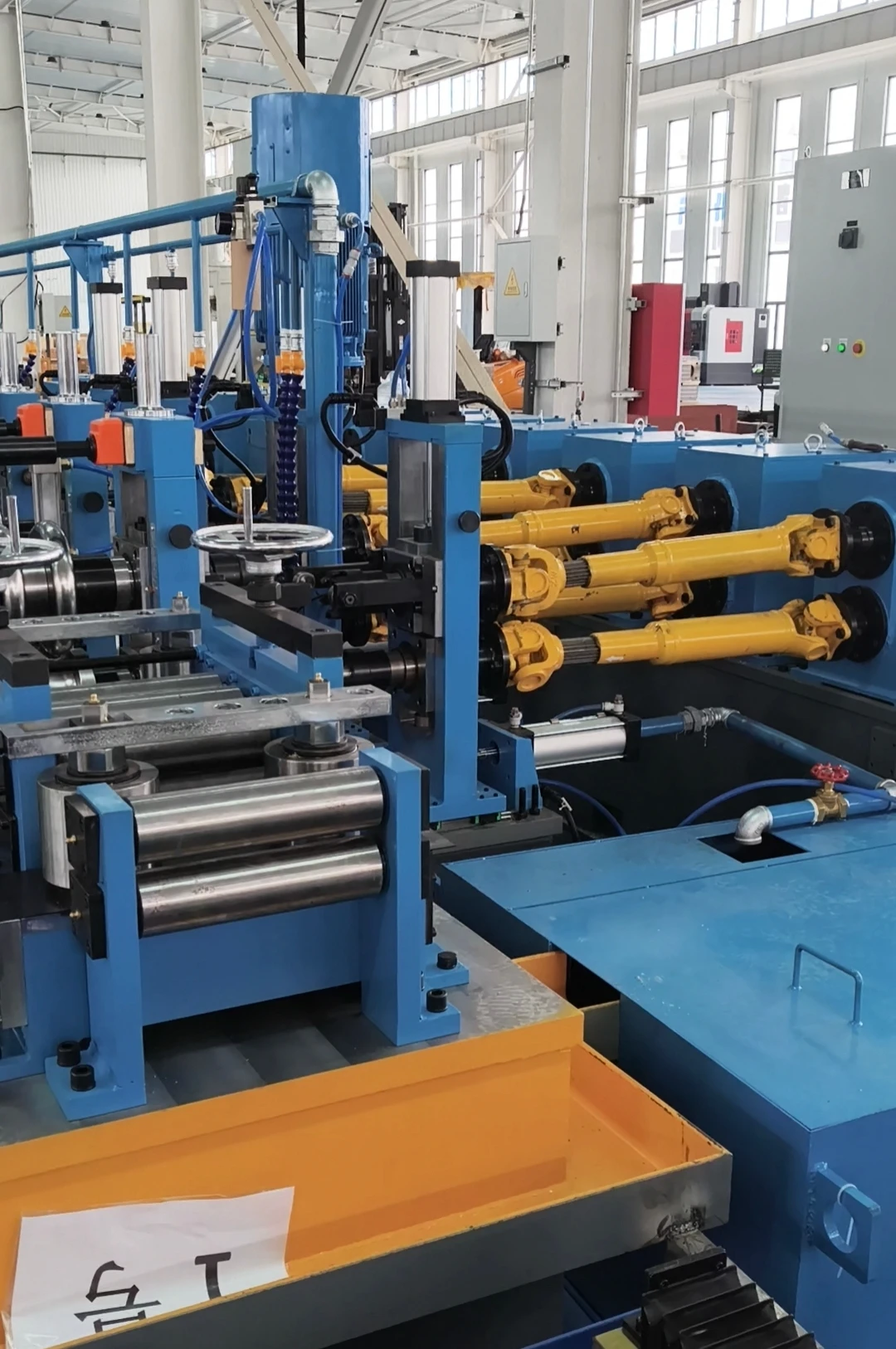
AIS Machinery Showcases Advanced Tube Solutions at Tube & Wire Düsseldorf 2026
Tube & Wire Düsseldorf 2026, one of the most influential exhibitions in the global tube and wire industry, held biennially in Düsseldorf, Germany
2027-04-17 00:00:00
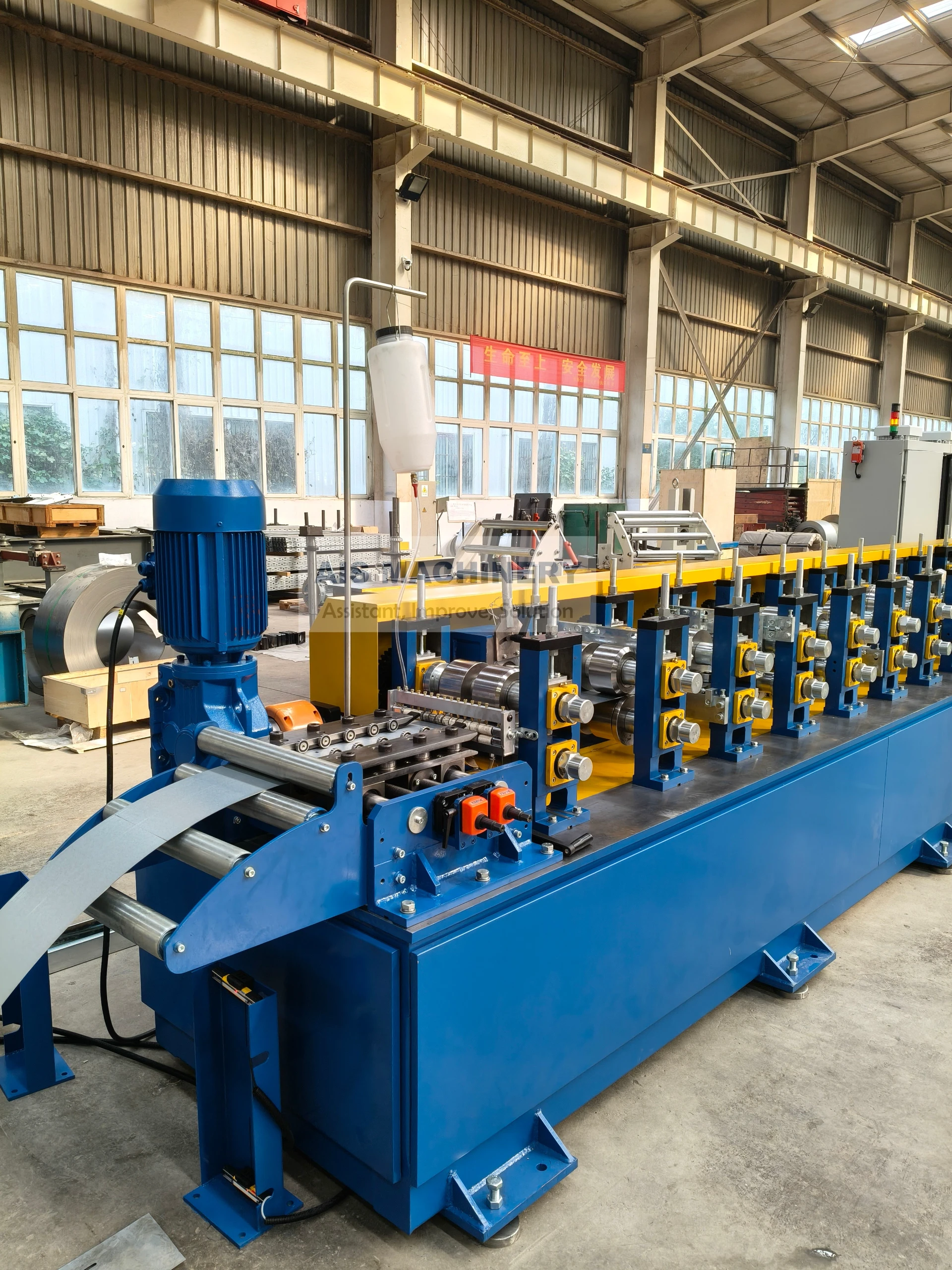
Southeast Asia Client Visits Our Factory | Customized Tube Mill Solution Delivered
A Southeast Asia client visited our ERW tube mill factory to inspect production lines and discuss a customized tube mill solution. Impressed by our machine quality, welding performance, and engineering support, the client confirmed strong cooperation intentions. Discover how our ERW tube mill solutions improve efficiency, precision, and long-term production reliability.
2026-04-16 02:35:12
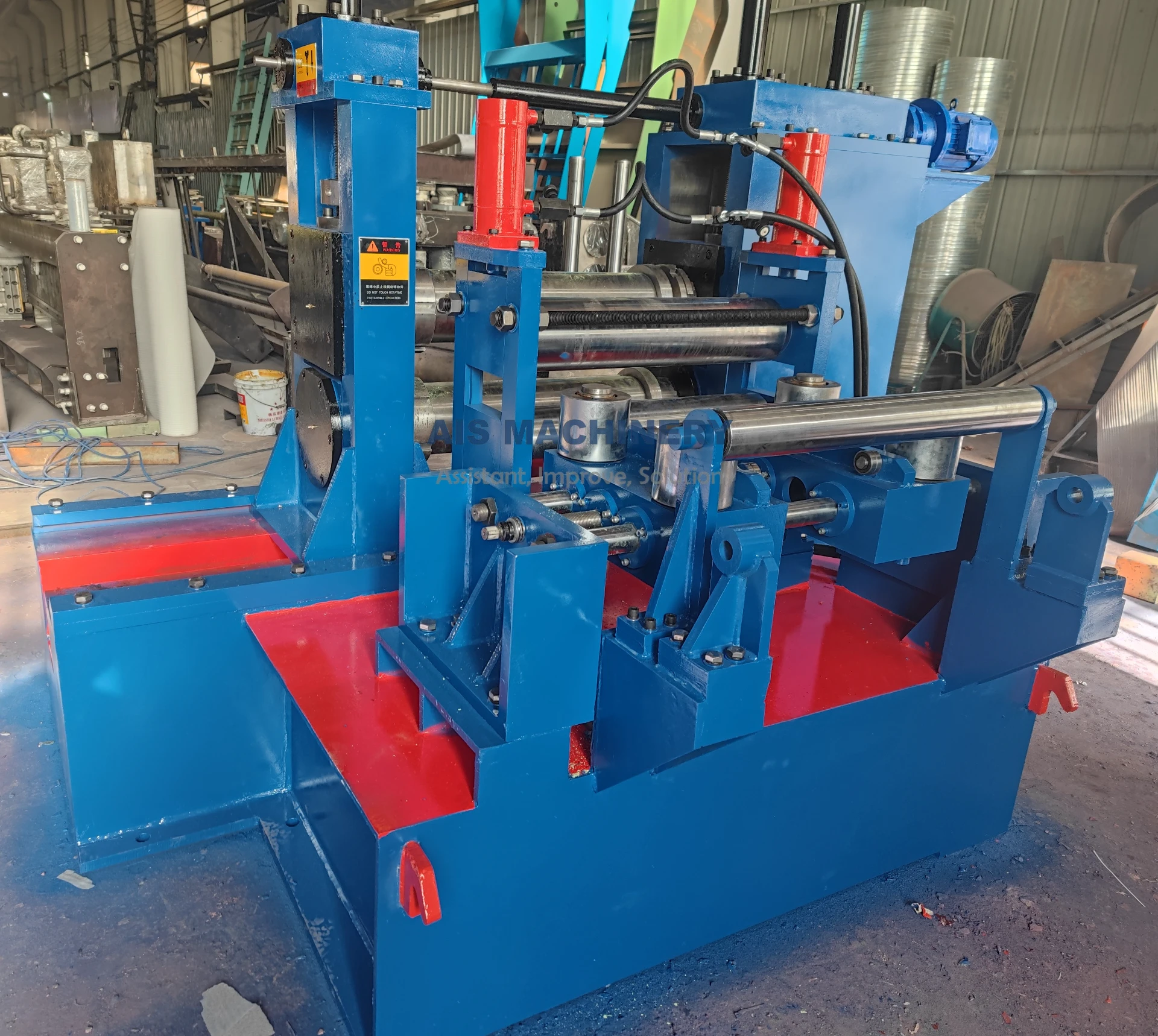
Professional Cold Roll Forming Machine Factory for Production
In the modern industrial landscape, the precision of metal shaping is the cornerstone of quality manufacturing. Partnering with a professional cold roll forming machine factory is essential for businesses looking to optimize their production lines, reduce material waste, and ensure high-dimensional accuracy. Whether you are producing C-channels, square tubes, or custom profiles, the choice of machinery determines your competitive edge in the market. This guide will explore the critical factors in selecting a factory and the technical advantages of advanced roll forming technology to help you make an informed investment.
2026-04-15 10:37:55
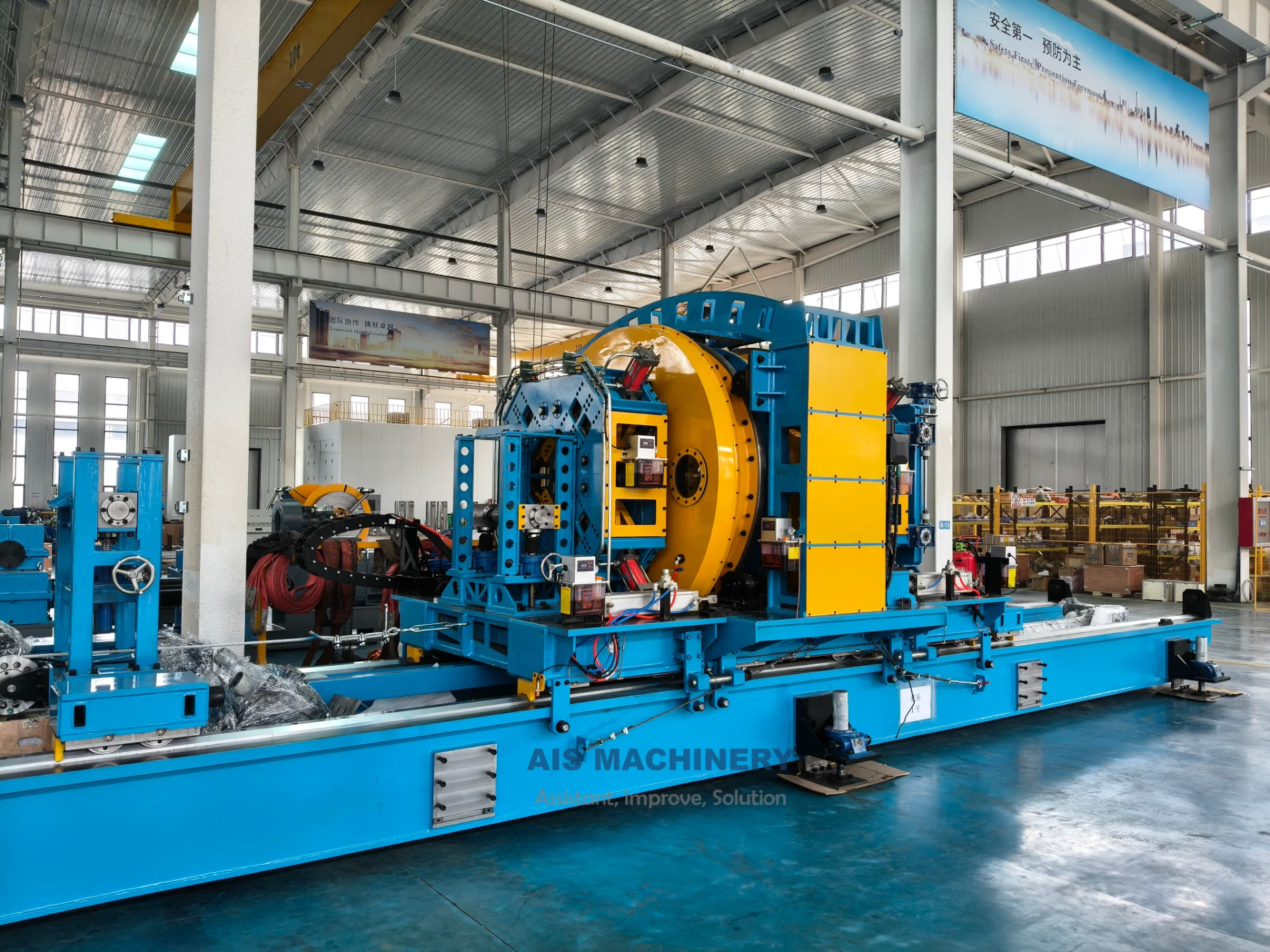
Flat Bar Production Line for Steel Coils: How It Works & Why It Matters
Looking for a flat bar production line? Learn how it turns steel coils into ready-to-use flat bars with precise length and high straightness. Compare it with slitting lines and get the best solution for your steel processing needs.
2026-04-14 00:00:00
Looking for a Milling Saw for ERW Tube Mill? Here’s What You Need to Know
Looking for a high-performance milling saw for your ERW tube mill? Upgrade to burr-free, high-precision pipe cutting with advanced flying saw technology. Improve efficiency, reduce rework, and meet export standards for carbon steel, stainless steel, and API pipes. Contact us today for expert solutions and competitive pricing tailored to your production needs.
2026-04-09 16:15:19
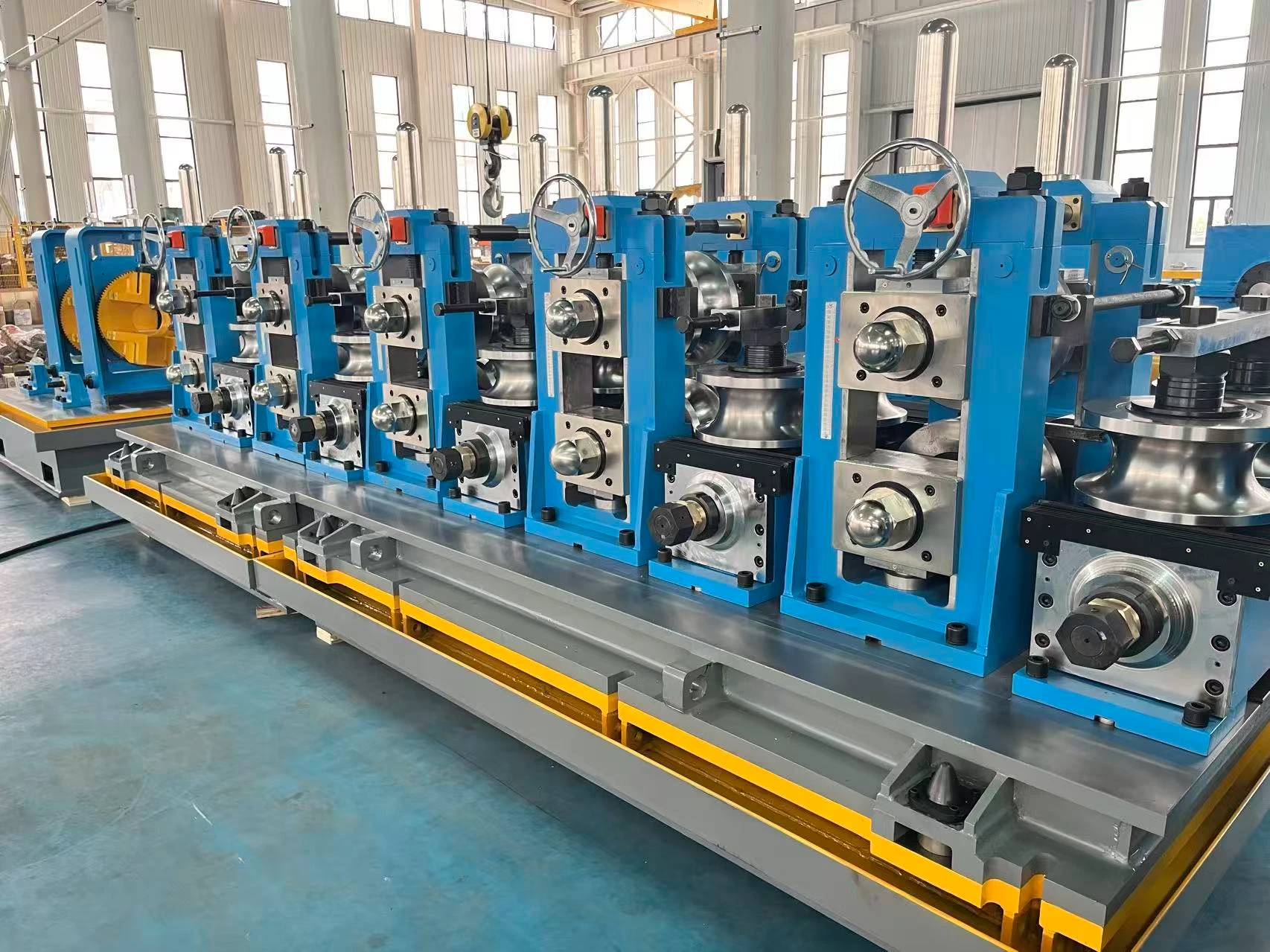
5-Inch (127mm) ERW Tube Making Machine Delivered with Heavy-Duty Design and Advanced Quick Change System
2027-04-07 00:00:00
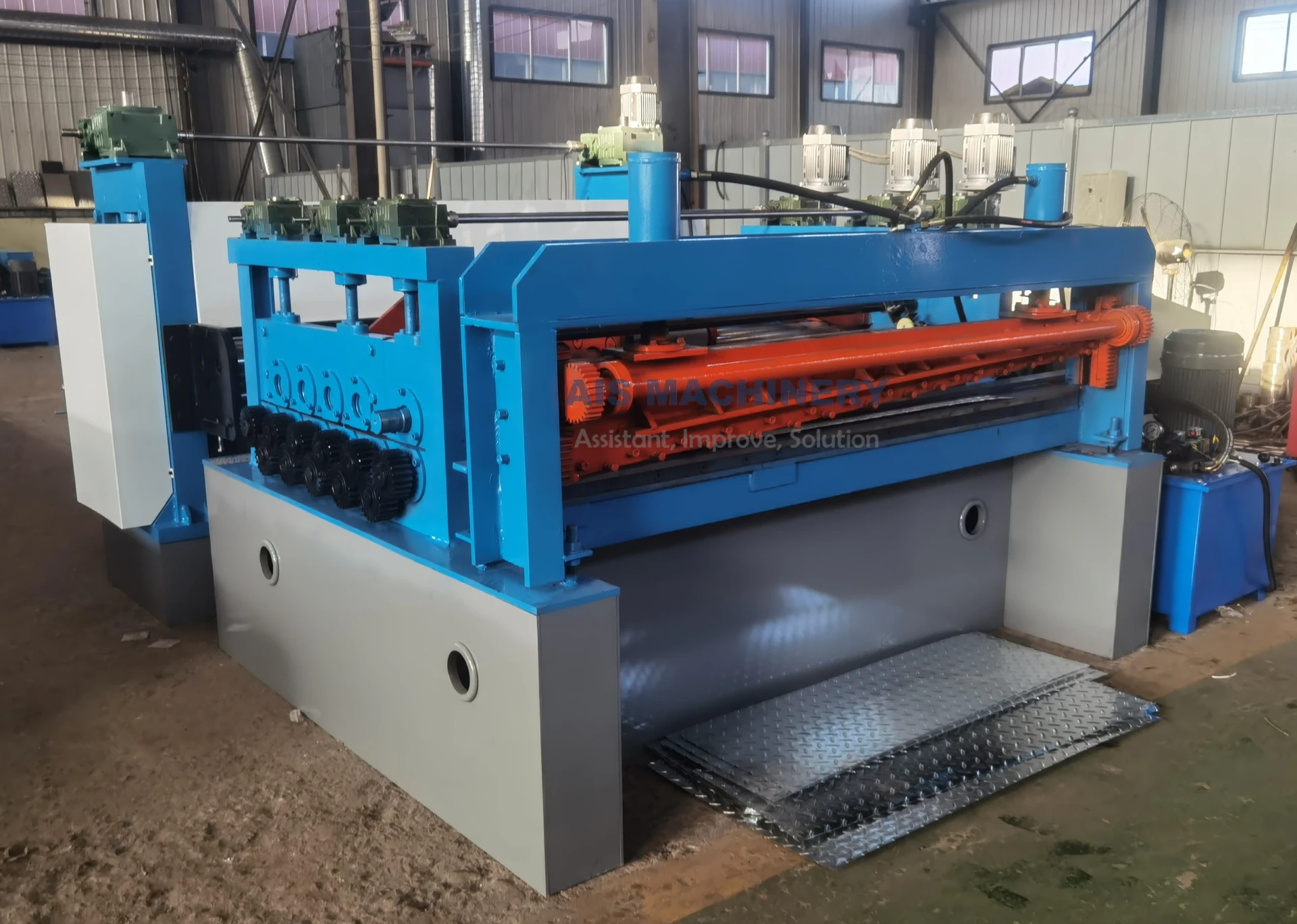
Metal Embossing Machine: Turn Flat Sheets into High-Value Textured Products
Discover how a metal embossing machine transforms flat steel, stainless steel, and aluminum sheets into high-value textured products. Learn about its working principle, key components, and applications. Ideal for decorative and industrial use, embossing machines improve both appearance and performance. Explore complete embossing line solutions and find the right machine for your production needs.
2026-04-04 20:37:18
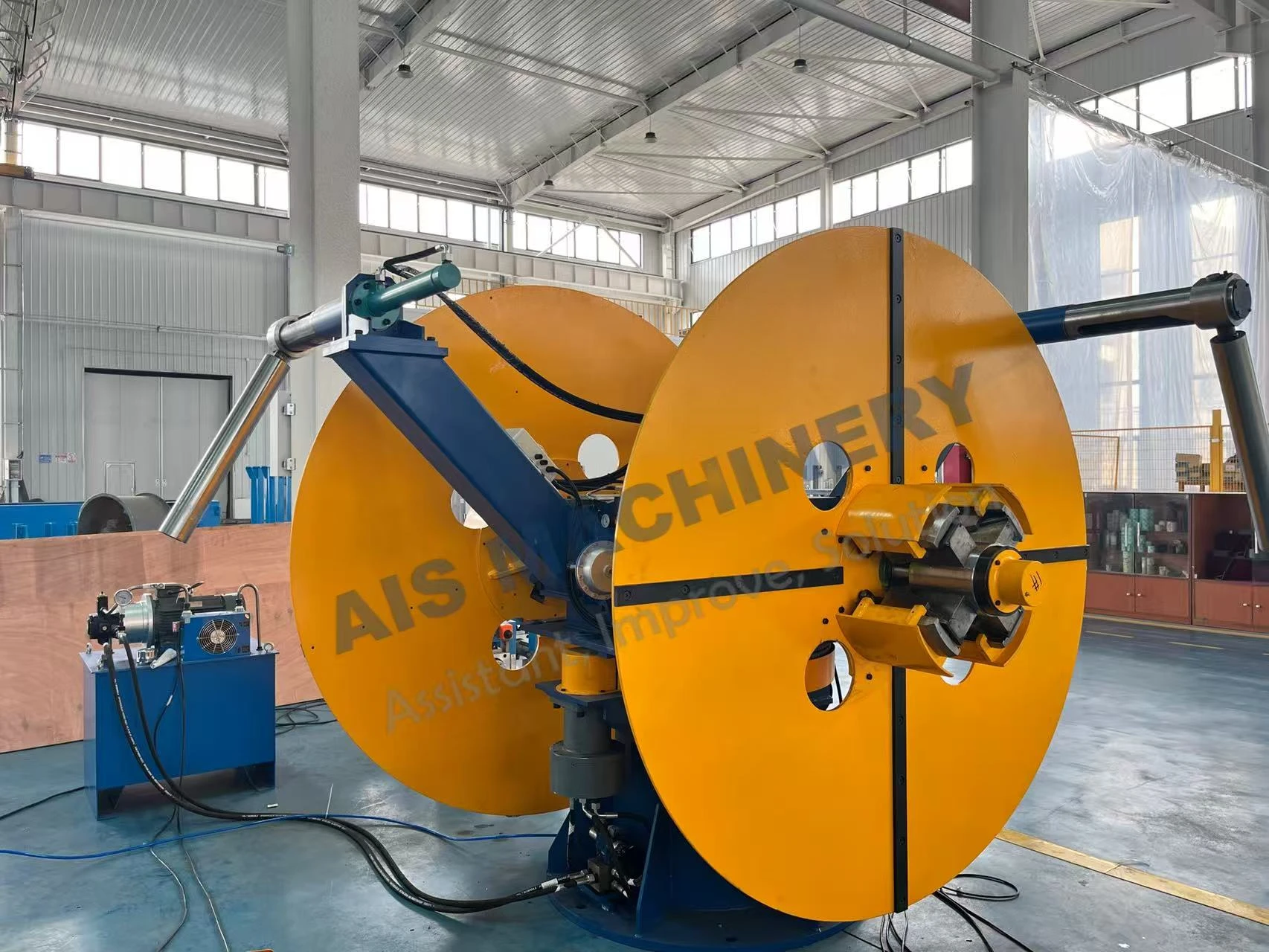
Automatic Double Side Uncoiler with Hydraulic Expansion and Auto Rotation for Steel Coil Processing
The Automatic Double Side Uncoiler is a high-efficiency solution designed for modern steel coil processing lines, including tube mills, roll forming machines, and slitting lines. With a maximum capacity of 4 tons per side, this machine ensures stable and continuous coil feeding while reducing downtime during coil change.
Send a Message
Dear customer, thank you for your attention! We provide high-quality machinery and equipment and look forward to your orders. Please inform us of your needs and we will respond quickly!
 English
  Albanian
  Arabic
  French
  German
  Indonesian
  Italian
  Japanese
  Kazakh
  Korean
  Latin
Latin  Macedonian
  Portuguese
  Russian
  Spanish
  Thai
Thai  Turkish
  Ukrainian
  Uzbek
Uzbek