
-
 Tel:86-15176910262
-

Search
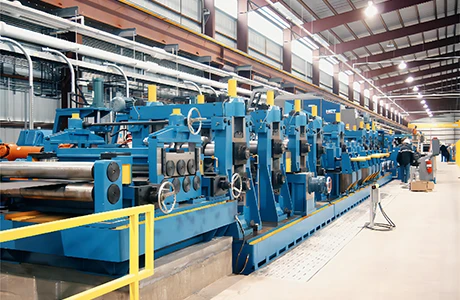
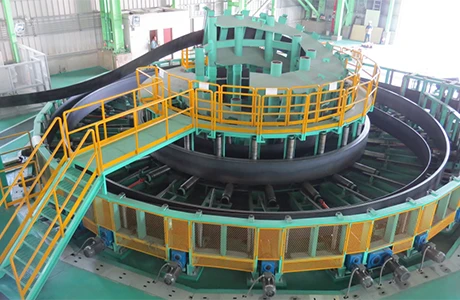
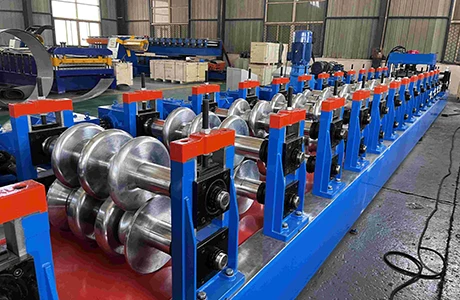

Exploring the ss Coil Slitting Machine: Precision, Efficiency, and Global Impact
Nov . 15, 2025 23:00
Understanding the ss coil slitting machine: A Global Necessity
At first glance, an ss coil slitting machine might sound like a fairly niche piece of industrial equipment. But behind this understated name lies a technology that quietly powers much of the modern metal processing landscape. With supply chains stretched across continents and industries racing toward efficiency and sustainability, understanding what an ss coil slitting machine does and why it matters globally becomes more than a curiosity — it’s essential. These machines slice stainless steel coils into precise widths, transforming raw metal into the fundamental parts for everything from kitchen appliances to skyscraper facades.
Why does this matter globally? Because the metallurgical industries underpin so many sectors — automotive, construction, aerospace, and even humanitarian infrastructure. The ability to efficiently and accurately slit stainless steel coils impacts not just manufacturing costs, but also environmental footprints and supply chain resilience worldwide.
Mini takeaway: ss coil slitting machines form an invisible backbone of metal processing, helping industries worldwide thrive and evolve.
The global backdrop: Why ss coil slitting machines matter today
It's not just about cutting steel strips. According to the International Organization for Standardization (ISO), stainless steel production has seen steady growth, with demand rising roughly 5% annually across Asia, Europe, and North America (ISO, 2023). Amid this surge, the ss coil slitting machine has become a key player in tackling two big industrial headaches: resource efficiency and precision manufacturing.
Take the automotive industry, for example. Lightweight yet durable automotive parts depend on precisely cut stainless steel strips. In regions like Southeast Asia and Europe, where production timelines are tight and regulatory pressures high, even minor slitting errors can translate into costly reworks and material waste.
Global concerns about resource depletion and carbon emissions also spotlight the need for machines that optimize material usage — which the ss coil slitting machine addresses directly. Plus, in a world still recovering from disrupted supply chains, flexibility to process different coil widths without massive downtime is no small feat.
Mini takeaway: The ss coil slitting machine doesn’t just slice metal; it slices through inefficiency and waste on an international scale.
What exactly is an ss coil slitting machine?
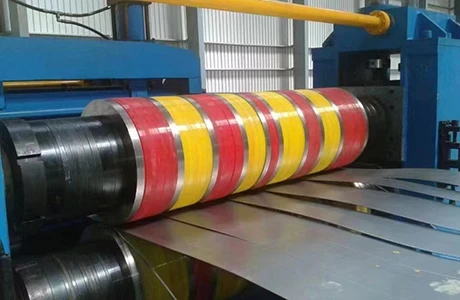
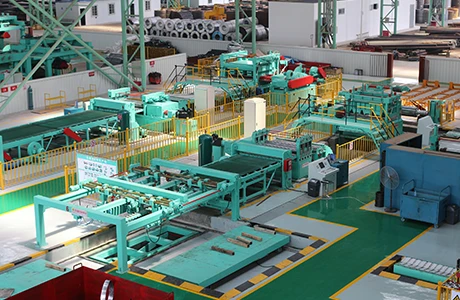
In simple terms, an ss coil slitting machine is a specialized industrial machine that uncoils, slits, and recoils stainless steel coils into narrower strips. Imagine a giant, precise pair of scissors that works continuously, but with far greater control and speed. The stainless steel (ss) feedstock in coil form arrives in large rolls. The machine unwinds them, slits the metal along the length to desired widths, and rewinds these into smaller coils for further processing or shipment.
This process might sound straightforward but requires exceptional precision — the quality of the cut affects downstream production and the mechanical integrity of products using these metal strips.
Oddly enough, these machines also have humanitarian value. Stainless steel components feature in everything from water treatment plants in developing nations to durable shelter structures after disasters. Precisely cut coils ensure that quality materials reliably reach such projects without costly wastage or excess bulk.
Core components and factors influencing ss coil slitting machines
1. Cutting precision and blade quality
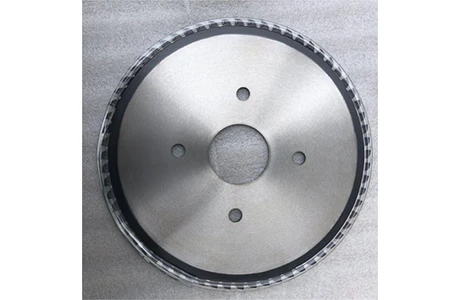
At the heart of every ss coil slitting machine are its blades. Their hardness, sharpness, and alignment determine slit edge quality and the minimum slit width achievable. Engineers often debate the merits of tungsten carbide vs. high-speed steel blades, factoring in wear rates versus initial cost.
2. Durability and machine rigidity
For heavy-gauge stainless steel, machine rigidity ensures vibration-free operation, improving slit consistency and component lifespan. Many vendors now emphasize heavy steel frame constructions with vibration damping technology.
3. Speed and throughput
Modern production demands rapid line speeds. Machines capable of maintaining accuracy at faster speeds help manufacturers meet tight delivery schedules without quality tradeoffs.
4. Automation and control systems
PLC-based control units allow real-time monitoring of tension, blade position, and coil dimension, reducing manual errors. Some models integrate ss coil slitting machine with smart sensor technology, aiding predictive maintenance.
5. Flexibility in coil width and thickness
Industries are dealing with diverse coil sizes. Machines offering quick adjustment mechanisms and broad processing ranges tend to offer better ROI in multi-product facilities.
6. Energy efficiency
The shift towards greener manufacturing sees manufacturers preferring energy-saving motors and drives on their ss coil slitting machines — it cuts energy bills and supports sustainability goals.
Mini takeaway: The best ss coil slitting machines balance precision, speed, durability, smart controls, and environmental considerations.
Where do these machines find their global homes?
The ss coil slitting machine is a globally relevant tool, but some regions punch well above their weight in their use and innovation.
- Asia-Pacific: Countries like China, India, and South Korea have burgeoning stainless steel production sectors heavily reliant on these machines. The rise of electric vehicle manufacturing here also drives demand for precision-cut metal parts.
- Europe: Precision engineering hubs in Germany and Italy leverage these machines for high-end automotive and aerospace parts.
- North America: Energy sector expansions and infrastructure modernization rely heavily on cut stainless steel tubes and strips.
- Africa: Smaller but growing industrial sectors increasingly adopt slitting technologies for manufacturing water tanks and durable shelters.
In one notable case, a manufacturer in Poland upgraded to an automated ss coil slitting machine and saw a 30% reduction in material waste while increasing throughput — a practical win that rippled through their supply chain efficiency.
Mini takeaway: From big industrial hubs to emerging markets, ss coil slitting machines play crucial roles adapting steel for every purpose imaginable.
Why invest in a good ss coil slitting machine? Benefits at a glance
- Cost efficiency: Better material utilization means less scrap and lower raw material costs.
- Sustainability: Precision cutting reduces waste and energy demand per unit of production.
- Reliability & quality: Consistent slit edges reduce defects during downstream manufacturing.
- Flexibility: Ability to quickly adjust for different coil widths supports diverse product ranges.
- Trust & safety: For sectors like aerospace or medical devices, material integrity is paramount.
It's rare to find a machine that checks both your balance sheet and your conscience — but the ss coil slitting machine often does, at least in part.
Innovation on the horizon: Future trends shaping ss coil slitting machines
Manufacturers are pushing the envelope in several directions:
- Integration of AI and IoT: For predictive maintenance and minimal downtime.
- Use of advanced alloys and coatings: To increase blade life and quality of cut edges.
- Green power options: Energy-efficient motors, variable frequency drives, and regenerative braking reduce power consumption.
- Additive manufacturing: Experimentation with 3D printing machine parts to reduce manufacturing lead times.
- Modular machine designs: For rapid reconfiguration on the factory floor.
All this points to a future where ss coil slitting machines aren’t just workhorses, but smart, adaptive partners.
Challenges faced, and smart ways to overcome them
Slitting stainless steel isn’t without its hurdles:
- Blade wear: Stainless steel’s hardness causes frequent wear and potential burrs — smart blade materials and cooling strategies can mitigate this.
- Material variability: Differences in alloy composition affect cutting forces, requiring adaptive controls.
- Downtime during changeovers: Modular tooling helps but demands operator skill.
- Cost barriers: High upfront price can be daunting for small workshops — leasing and modular upgrades offer flexible solutions.
Industry experts emphasize training operators and investing in ongoing maintenance — just like any precision tool, the ss coil slitting machine can only perform as well as its caretakers allow.
Frequently Asked Questions about ss coil slitting machines
- Q: How does an ss coil slitting machine differ from a simple shearing machine?
- A: Unlike simple shearers that cut sheets or plates, ss coil slitting machines operate continuously on coiled stainless steel, precisely slicing it into narrow strips with minimal distortion. This makes them ideal for high-volume, consistent output in manufacturing lines.
- Q: What maintenance practices extend the life of the slitting blades?
- A: Regular blade sharpening, proper alignment checks, and using coolant systems to reduce heat buildup are key. Additionally, choosing blades matched to the specific stainless steel grade reduces premature wear.
- Q: Are these machines scalable for different production volumes?
- A: Absolutely. Modern ss coil slitting machines come in various sizes and automation levels—from semi-manual units perfect for small batches to fully automated high-speed lines designed for large-scale industrial output.
- Q: Can an ss coil slitting machine handle different thicknesses in one setup?
- A: Typically, a machine is set for a range of thicknesses, but sudden changes require recalibration. Quick-change tooling systems and flexible control units have made this more feasible in recent years.
- Q: How do I select the right ss coil slitting machine vendor?
- A: Consider machine specs, after-sales service, availability of spare parts, training offerings, and, importantly, vendor reputation in your specific industry. The comparison table below might help.
Product Specification Table for a Typical ss Coil Slitting Machine
| Specification | Details |
|---|---|
| Coil Width (max) | 1500 mm |
| Coil Thickness Range | 0.2 mm – 3.0 mm |
| Maximum Slitting Speed | 120 m/min |
| Number of Slitting Blades | Up to 40 |
| Power Requirement | 35 kW |
| Control System | PLC with touchscreen interface |
| Machine Dimensions (L×W×H) | 7.5 m × 2.8 m × 2.3 m |
Comparing Top ss Coil Slitting Machine Vendors
| Vendor | Machine Range (mm) | Automation Level | After-Sales Support | Estimated Price |
|---|---|---|---|---|
| Alpha Metals Tech | 500 – 2000 | High (full automation) | 24/7 global support | $450,000 – $850,000 |
| Beta Industrial Co. | 750 – 1750 | Medium (semi-automated) | Standard business hours support | $280,000 – $600,000 |
| Gamma Equipments | 350 – 1500 | Low (manual adjustments) | On-site training included | $90,000 – $250,000 |
Wrapping it up: Why the ss coil slitting machine remains indispensable
Looking back, it’s quite clear the unassuming ss coil slitting machine quietly drives massive industrial activity around the world — from high-tech automotive parts in Germany to water tanks in Africa. It facilitates efficiency, reduces waste, and allows for precision that modern industries and humanitarian projects rely on. While challenges exist, ongoing innovation and smart maintenance make these machines ever more reliable and cost-effective.
If you’re intrigued by the versatile potential of ss coil slitting machines or considering an upgrade, visit our website for more information on world-class solutions tailored to your needs.
It almost feels like these machines are the quiet unsung heroes of modern metalworking — and honestly, that’s kind of refreshing.
References:
- International Organization for Standardization (ISO) – Industry standards and reports
- Wikipedia: Stainless Steel
- World Bank Industry Data

Related Products






Related News

2026-11-02 02:23:25
ERW Pipe Mill for Sale: Buyer FAQs for a 76 mm Line
Review the 21.3 mm to 76 mm range, materials, equipment, speed, power, cutting methods, and production controls for an ERW pipe mill for sale.

2026-10-29 00:44:48
High-Speed Steel Coil Slitting Line FAQ: Specifications, Ordering and Support Questions
Get direct answers about High-Speed Steel Coil Slitting Line specifications, material compatibility, component layout, process steps, quality standards, and after-sales support from HEBEI AIS MACHINERY EQUIPMENT CO.,LTD.

2026-10-28 00:06:34
Learn the key working requirements and integration criteria for selecting a steel pipe making machine manufacturer. Covers diameter range, wall thickness, strip grade, HF welding power, footprint, and electrical supply using the 10inch 273mm ERW Pipe Making Machine from HEBEI AIS MACHINERY EQUIPMENT CO.,LTD.

2026-10-28 00:05:55
Choosing a Flying Cold Saw: Working Requirements and Integration Fit
Learn the key selection criteria for a flying cold saw — pipe diameter, line speed, cut precision, blade type, and PLC integration — to find the right cold cutting flying saw machine for your ERW tube mill.

2026-10-28 00:05:28
Evaluate whether the GGP 100kw Solid State High Frequency Induction Heating Welding Machine fits your ERW pipe production line. This guide covers power requirements, cooling infrastructure, electrical supply, and control integration criteria.

2026-10-28 00:04:41
Choosing Quick-Change System for Forming & Sizing Section: Application Fit and Specification Checks
Learn the key selection criteria for a Quick-Change System for Forming & Sizing Section in ERW tube mills — covering changeover frequency, cassette structure, pneumatic couplings, and application scope for structural, automotive, and export tube production.

2026-10-23 17:54:55
Compare a steel pipe seam annealing machine and a pipe threading machine: function, published ranges, PLC/HMI and CNC controls, operating steps and maintenance.

2026-10-04 16:13:15
HEBEI AIS MACHINERY at Tube & Wire Shanghai 2026 | Tube Mill Solutions
HEBEI AIS MACHINERY participated in Tube & Wire Shanghai 2026, meeting new and long-term customers to discuss ERW tube mills, steel processing equipment, new projects, and future cooperation.
Send a Message
Dear customer, thank you for your attention! We provide high-quality machinery and equipment and look forward to your orders. Please inform us of your needs and we will respond quickly!
 English
 Albanian
 Arabic
 French
 German
 Indonesian
 Italian
 Japanese
 Kazakh
 Korean
 Latin
 Macedonian
 Portuguese
 Russian
 Spanish
 Thai
 Turkish
 Ukrainian
 Uzbek