
-
 Tel:86-15176910262
-

Search

Durable Polyurethane Rings for Industrial Excellence | AISTubemill
Dec . 03, 2025 11:42
Polyurethane Rings are a key solution in the industry, specifically within heavy machinery, manufacturing lines, and material handling sectors. This article explores how https://www.aistubemill.com supports professionals with durable, high-performance products, and explains why this product is an ideal choice for businesses in these sectors.
Table of Contents
- Polyurethane Rings Overview
- Benefits & Use Cases of Polyurethane Rings
- Cost, Maintenance & User Experience
- Sustainability & Market Trends
Polyurethane Rings Overview
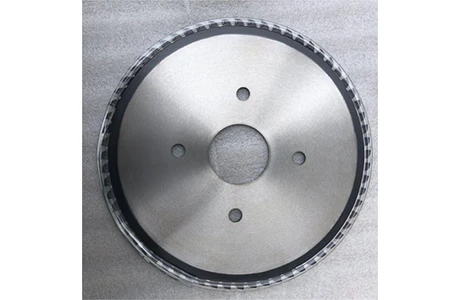
Polyurethane Rings are elastic, high-strength sealing components made primarily from polyurethane elastomers. They serve as durable seals, buffers, or vibration dampeners in various industrial equipment. Unlike traditional rubber O-rings, these rings boast superior resistance to abrasion, oils, and a wide temperature range — qualities that make them highly relevant in harsh manufacturing environments.
Technically, these rings are custom-formulated to meet specific mechanical requirements like compression set and tensile strength. For instance, a typical polyurethane ring from AISTubemill features a Shore A hardness ranging from 70 to 90, tensile strength above 30 MPa, and elongation percentages around 450%. There's a sort of robust consistency here that engineers appreciate when precision is non-negotiable.
| Specification | Typical Value |
|---|---|
| Material | Polyurethane Elastomer |
| Shore A Hardness | 70-90 |
| Tensile Strength | ≥ 30 MPa |
| Elongation at Break | ~450% |
| Temperature Range | -40°C to 90°C |
Benefits & Use Cases of Polyurethane Rings
Oddly enough, while polyurethane isn’t exactly new, its application in rings for industrial sealing and shock absorption continues to grow. The main industries using these include automotive manufacturing, hydraulics, and construction equipment. These rings perform admirably as seals that endure both mechanical stress and chemical exposure — think hydraulic cylinders or heavy-duty pipe connectors.
What stands out is their exceptional abrasion resistance. Many engineers say this adds up to a longer service life — translating directly to fewer unscheduled downtimes. On top of that, polyurethane rings resist oil and solvent degradation better than rubber, which frankly surprises some first-timers. From a competitive standpoint, their dimensional stability and elasticity at low temperatures give them an edge, especially in colder climates.
Cost, Maintenance & User Experience
From a total cost of ownership angle, polyurethane rings initially might be a little pricier than generic rubber alternatives. But durability and lower replacement rates tend to balance that out—and then some. Some clients operating high-cycle hydraulic systems report a 30–50% reduction in maintenance intervals, which frankly makes budgeting a lot simpler.
Customer feedback often highlights the ease of installation and reliable performance even under fluctuating pressures. In real terms, that means fewer leaks, less waste, and fewer emergency shutdowns. One case involved a manufacturing plant that switched to polyurethane rings for their presses — they noted a doubled runtime before any seal degradation, which was quite a win for their operations team.
Sustainability & Market Trends
Sustainability is more than a buzzword here — it’s practically a mandate. Polyurethane materials, when chosen wisely, can be produced with less environmental footprint than some petrochemical-based alternatives. The industry is rapidly moving toward formulations that allow for recycling or easier disposal. While not fully biodegradable, research continues on polyurethanes that incorporate bio-based polyols, which could be a game changer.
Market growth for polyurethane rings is steady, driven in part by stricter regulatory requirements on emissions and waste in industrial maintenance. Companies that embed sustainability into their workflows usually find better acceptance with eco-conscious clients, plus potential cost savings long term — a bit of a win-win if you ask me.
| Vendor | Range of Sizes | Customization Options | Typical Lead Time | Certifications |
|---|---|---|---|---|
| AISTubemill | 5mm - 500mm OD | Color, Hardness, Dimensions | 2-4 weeks | ISO 9001, RoHS |
| XYZ Elastomers | 10mm - 400mm OD | Limited Hardness Options | 3-6 weeks | ISO 9001 |
| PolySeal Inc. | 8mm - 450mm OD | Standard Colors Only | 4-5 weeks | None Listed |
Frequently Asked Questions about Polyurethane Rings
- What is Polyurethane Rings and how does it work?
- Polyurethane Rings are circular sealing or cushioning components made from polyurethane elastomers. They work by providing a flexible yet durable barrier or buffer that fits snugly into machinery joints, preventing leaks, absorbing shocks, or dampening vibrations in industrial applications.
- What are the main benefits of using Polyurethane Rings in industrial applications?
- The main benefits include high abrasion resistance, excellent flexibility over a broad temperature range, outstanding chemical resistance (especially to oils and solvents), and a longer service life compared to traditional rubber counterparts.
- How does Polyurethane Rings compare to traditional alternatives?
- Compared to rubber or plastic seals, polyurethane rings typically offer superior durability, better resistance to wear and tear, and maintain their mechanical properties under a wider variety of environmental conditions—leading to fewer replacements and less downtime.
- What industries can benefit most from Polyurethane Rings implementation?
- Industries such as automotive manufacturing, hydraulics, material handling, heavy machinery, and even aerospace frequently rely on polyurethane rings for sealing and cushioning solutions. For example, hydraulic cylinders in construction equipment greatly benefit from these rings’ durability.
Conclusion on Polyurethane Rings from china
To wrap things up, polyurethane rings really bring a robust combination of strength, flexibility, and longevity to the table, making them a standout choice for demanding industrial environments. Their ability to reduce maintenance cycles and withstand harsh conditions adds considerable value for B2B decision makers aiming for operational efficiency.
- Recap the value of Polyurethane Rings.
- - "Visit our website: https://www.aistubemill.com"

Related Products






Related News

2026-11-02 02:23:25
ERW Pipe Mill for Sale: Buyer FAQs for a 76 mm Line
Review the 21.3 mm to 76 mm range, materials, equipment, speed, power, cutting methods, and production controls for an ERW pipe mill for sale.

2026-10-29 00:44:48
High-Speed Steel Coil Slitting Line FAQ: Specifications, Ordering and Support Questions
Get direct answers about High-Speed Steel Coil Slitting Line specifications, material compatibility, component layout, process steps, quality standards, and after-sales support from HEBEI AIS MACHINERY EQUIPMENT CO.,LTD.

2026-10-28 00:06:34
Learn the key working requirements and integration criteria for selecting a steel pipe making machine manufacturer. Covers diameter range, wall thickness, strip grade, HF welding power, footprint, and electrical supply using the 10inch 273mm ERW Pipe Making Machine from HEBEI AIS MACHINERY EQUIPMENT CO.,LTD.

2026-10-28 00:05:55
Choosing a Flying Cold Saw: Working Requirements and Integration Fit
Learn the key selection criteria for a flying cold saw — pipe diameter, line speed, cut precision, blade type, and PLC integration — to find the right cold cutting flying saw machine for your ERW tube mill.

2026-10-28 00:05:28
Evaluate whether the GGP 100kw Solid State High Frequency Induction Heating Welding Machine fits your ERW pipe production line. This guide covers power requirements, cooling infrastructure, electrical supply, and control integration criteria.

2026-10-28 00:04:41
Choosing Quick-Change System for Forming & Sizing Section: Application Fit and Specification Checks
Learn the key selection criteria for a Quick-Change System for Forming & Sizing Section in ERW tube mills — covering changeover frequency, cassette structure, pneumatic couplings, and application scope for structural, automotive, and export tube production.

2026-10-23 17:54:55
Compare a steel pipe seam annealing machine and a pipe threading machine: function, published ranges, PLC/HMI and CNC controls, operating steps and maintenance.

2026-10-04 16:13:15
HEBEI AIS MACHINERY at Tube & Wire Shanghai 2026 | Tube Mill Solutions
HEBEI AIS MACHINERY participated in Tube & Wire Shanghai 2026, meeting new and long-term customers to discuss ERW tube mills, steel processing equipment, new projects, and future cooperation.
Send a Message
Dear customer, thank you for your attention! We provide high-quality machinery and equipment and look forward to your orders. Please inform us of your needs and we will respond quickly!
 English
 Albanian
 Arabic
 French
 German
 Indonesian
 Italian
 Japanese
 Kazakh
 Korean
 Latin
 Macedonian
 Portuguese
 Russian
 Spanish
 Thai
 Turkish
 Ukrainian
 Uzbek