
-
 Tel:86-15176910262
-

Search

Rotary Slitter Knives: Precision Cutting Tools for Modern Industry
Dec . 03, 2025 12:00
Rotary Slitter Knives: Precision Tools Shaping Modern Industry
When we talk about rotary slitter knives, it might sound niche, maybe even a little obscure. But in reality, these tools quietly drive countless industries worldwide – from packaging and paper to textiles and film production. Their precise cutting action makes modern manufacturing efficient, sustainable, and adaptable, especially in an era where speed and quality can make or break a business. Understanding rotary slitter knives is not just about the tool itself; it’s about grasping a small but critical piece of global industrial workflows.
Introduction: The Global Pulse Behind Rotary Slitter Knives
Globally, manufacturing accounts for nearly 16% of the world’s GDP, according to the World Bank. Within that, precision cutting tools like rotary slitter knives play a pivotal role in enabling scalability and quality control. For example, in packaging—a sector projected to grow around 5% annually—these knives ensure films, foils, and papers are cut cleanly and consistently. Without them, waste increases, costs rise, and timelines stretch. Yet, these tools solve challenges tied to material conservation and production speed, both critical in industries facing mounting environmental regulations (ISO 14001) and consumer demand for sustainability.
Mini takeaway: Rotary slitter knives are a small cog in a massive machine but solving big efficiency and sustainability challenges.
What Exactly Are Rotary Slitter Knives?
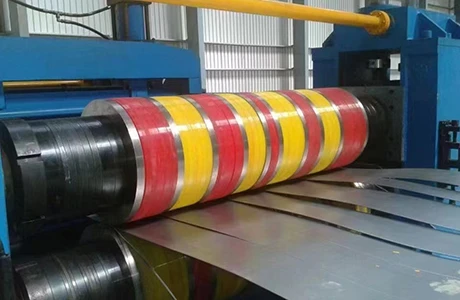
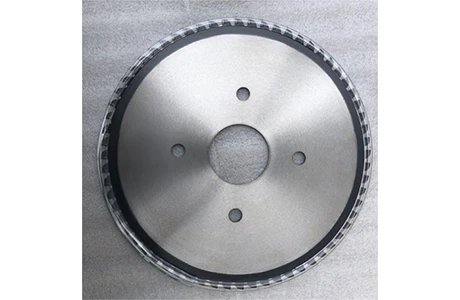
Simply put, a rotary slitter knife is a circular blade that spins to slice continuous rolls of material into narrower strips or specific shapes. Think of it as a chef’s knife, but engineered for ultra-high-speed industrial applications cutting everything from plastic films and paper to metal foils. They connect the dots between raw materials and usable products—and yes, even humanitarian needs where packaging and sealing food or medicine is vital in crisis zones.
Key Aspects of Rotary Slitter Knives
Durability
The longevity of rotary slitter knives often dictates production uptime. They're usually made from high-speed steel or tungsten carbide, balancing sharpness with wear resistance. In real terms, this means fewer replacements, less machine downtime, and sustained quality.
Precision
Sharp, accurate cuts mean less material waste and better product quality—critical in industries like pharmaceuticals or electronics. Slight deviations cause defects down the line, so consistent blade performance is a must.
Cost-Efficiency
Choosing the right knife impacts operating costs heavily. Yes, premium materials and coatings might seem pricey upfront but typically pay off through longevity and less scrap. You know the old adage: spend smart, save smart.
Scalability & Customization
Knives come in various sizes and profiles to match specific product lines and machines. Scalability means you can switch blades as your production evolves without massive overhauls, a huge plus for dynamic industrial setups.
Product Specification Table
| Feature | Description | Common Material |
|---|---|---|
| Blade Diameter | 50mm to 300mm | Steel, Carbide |
| Blade Thickness | 0.3mm to 3mm | Varies by application |
| Cutting Speed | Up to 1000 m/min | N/A |
| Coatings | Titanium Nitride, DLC | Wear resistance |
Global Applications & Use Cases
Rotary slitter knives have broad footprints—from packaging plants in Europe to film manufacturing in Asia and paper mills in North America. For instance:
- Packaging Industry: In countries like Germany and Japan, slitter knives ensure efficient food packaging—vital for safety and freshness.
- Textile Manufacturing: India’s booming fabric industry uses slitters to produce varied widths of synthetic and natural fibers.
- Disaster Relief: NGOs leverage flexible packaging solutions made possible by these knives to distribute medical supplies during emergencies.
Mini takeaway: These knives quietly power industries and humanitarian efforts across continents, enabling precise material handling everywhere.
Advantages & Long-Term Value
Here’s the thing—we often overlook how such technical tools influence cost savings, sustainability, and even human dignity. With efficient rotary slitter knives, manufacturers reduce waste, contributing to environmental goals (think ISO 14000 standards). From a safety standpoint, clean cuts prevent sharp edges that could injure workers, while high reliability builds trust among clients wanting defect-free products.
Vendor Comparison Table
| Vendor | Material Quality | Customization | Pricing | Lead Time |
|---|---|---|---|---|
| AISTubemill | High-speed steel, carbide options | Tailored blade profiles | Competitive | 2-3 weeks |
| BladeMaster Inc. | Premium tungsten carbide | Standard sizes mostly | Premium priced | 4-6 weeks |
| CutPro Tools | Steel with TiN coating | Moderate options | Affordable | 1-2 weeks |
Future Trends & Innovations
Looking ahead, the knife technology is evolving to keep pace with industry needs: smarter materials like ceramic composites resist wear longer; nano-coatings help reduce friction; and automation integrates blades with IoT-enabled machinery for real-time condition monitoring. Oddly enough, digital transformation is just as vital here as in software development—predictive maintenance can avoid costly shutdowns, while greener designs align with tightening sustainability policies worldwide.
Challenges & Solutions
The main headaches? Blade wear, maintenance downtime, and sometimes inconsistent quality in cheaper alternatives. Experts often suggest investing in premium coatings and scheduling regular sharpening routines. Some manufacturers offer blade refurbishment services extending knife lifespan. Frankly, staying proactive beats unplanned production halts any day.
FAQ: Frequently Asked Questions About Rotary Slitter Knives
-
Q: How often should rotary slitter knives be sharpened?
A: It depends on usage intensity and material type, but typically after 40-80 hours of operation. Regular inspection is key to avoid quality loss or blade damage. -
Q: Can rotary slitter knives cut different materials without replacement?
A: Generally, knives are optimized for certain materials. Switching between thin films and thicker textiles often requires a specific blade selection to maintain precision. -
Q: Are coated knives worth the extra cost?
A: Usually yes – coatings like Titanium Nitride reduce wear and extend blade life, saving cost over time through fewer replacements and less downtime. -
Q: How are rotary slitter knives installed on machinery?
A: Typically mounted on a rotating shaft or arbor with secured fasteners, ensuring proper alignment to avoid vibration and uneven cuts. Professional installation is recommended.
Conclusion: Why Rotary Slitter Knives Matter Long Term
In summary, rotary slitter knives may not be headline news, but they’re a linchpin in countless processes that define manufacturing quality and efficiency worldwide. They matter because each clean cut saves material, time, money, and ultimately supports sustainable industrial growth. If your business depends on precision slitting, they’re tools worth understanding—and investing in.
Ready to explore premium rotary slitter knives tailored to your needs? Visit our website for expert advice and custom solutions!
Reflecting on the subtle art of these blades, I often think about how behind every product—from a candy wrapper to a medical pouch—lies a story of precision, craft, and quiet innovation. Sometimes the smallest tools tell the biggest stories.
References

Related Products

Related News
2026-04-18 03:20:20
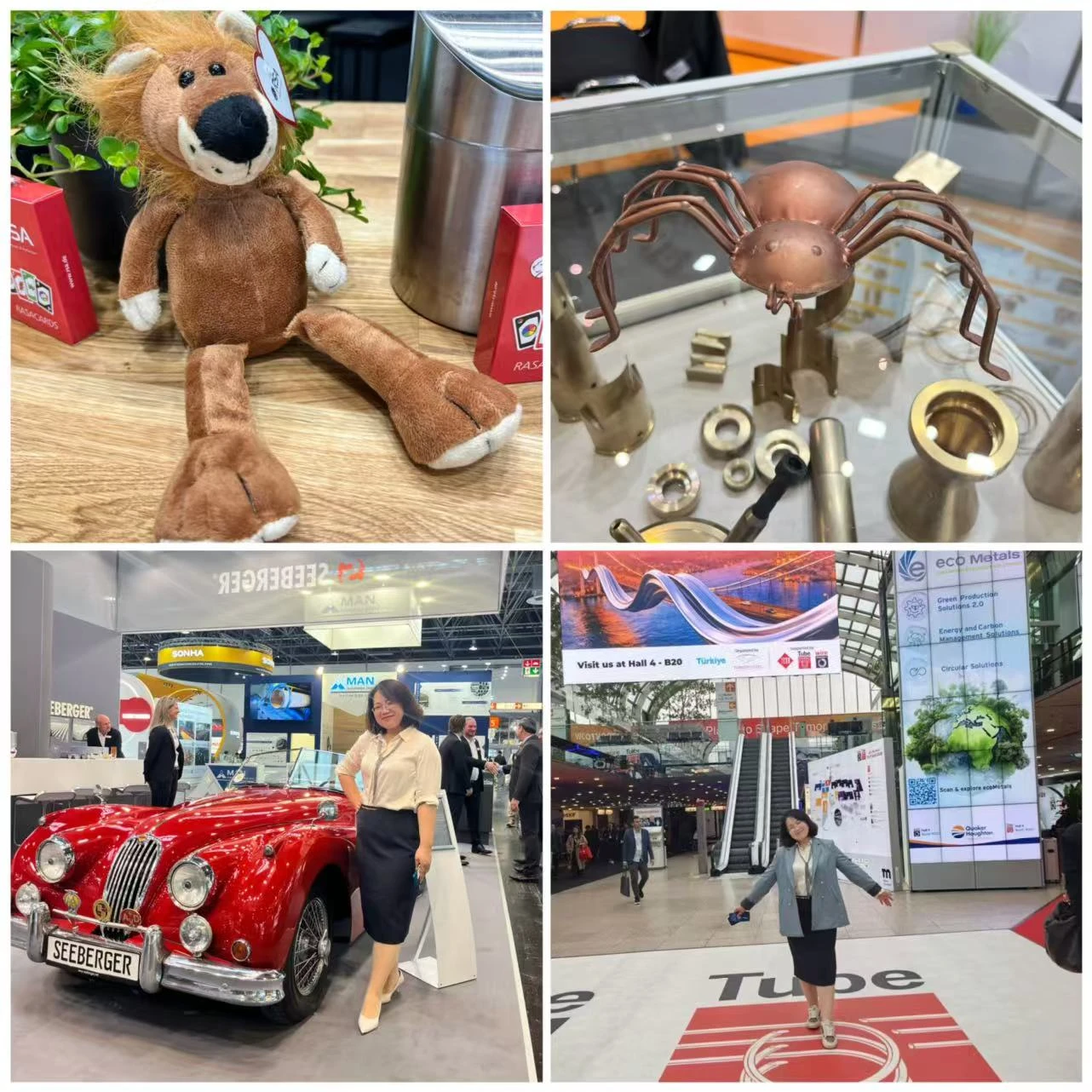
AIS Machinery Showcases Advanced Tube Solutions at Tube & Wire Düsseldorf 2026
Tube & Wire Düsseldorf 2026, one of the most influential exhibitions in the global tube and wire industry, held biennially in Düsseldorf, Germany
2027-04-17 00:00:00
Southeast Asia Client Visits Our Factory | Customized Tube Mill Solution Delivered
A Southeast Asia client visited our ERW tube mill factory to inspect production lines and discuss a customized tube mill solution. Impressed by our machine quality, welding performance, and engineering support, the client confirmed strong cooperation intentions. Discover how our ERW tube mill solutions improve efficiency, precision, and long-term production reliability.
2026-04-16 02:35:12
Professional Cold Roll Forming Machine Factory for Production
In the modern industrial landscape, the precision of metal shaping is the cornerstone of quality manufacturing. Partnering with a professional cold roll forming machine factory is essential for businesses looking to optimize their production lines, reduce material waste, and ensure high-dimensional accuracy. Whether you are producing C-channels, square tubes, or custom profiles, the choice of machinery determines your competitive edge in the market. This guide will explore the critical factors in selecting a factory and the technical advantages of advanced roll forming technology to help you make an informed investment.
2026-04-15 10:37:55
Flat Bar Production Line for Steel Coils: How It Works & Why It Matters
Looking for a flat bar production line? Learn how it turns steel coils into ready-to-use flat bars with precise length and high straightness. Compare it with slitting lines and get the best solution for your steel processing needs.
2026-04-14 00:00:00
Looking for a Milling Saw for ERW Tube Mill? Here’s What You Need to Know
Looking for a high-performance milling saw for your ERW tube mill? Upgrade to burr-free, high-precision pipe cutting with advanced flying saw technology. Improve efficiency, reduce rework, and meet export standards for carbon steel, stainless steel, and API pipes. Contact us today for expert solutions and competitive pricing tailored to your production needs.
2026-04-09 16:15:19
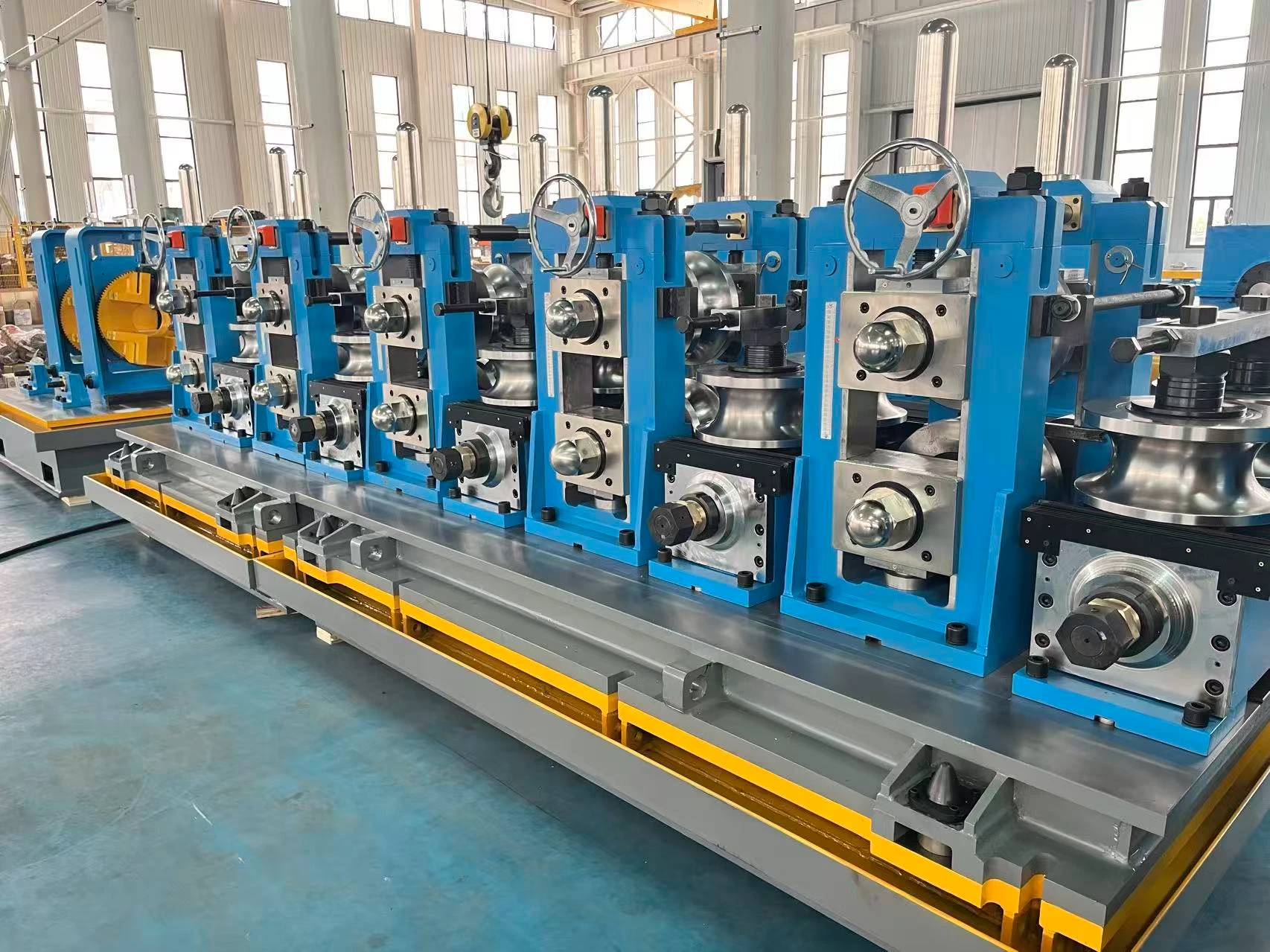
5-Inch (127mm) ERW Tube Making Machine Delivered with Heavy-Duty Design and Advanced Quick Change System
2027-04-07 00:00:00
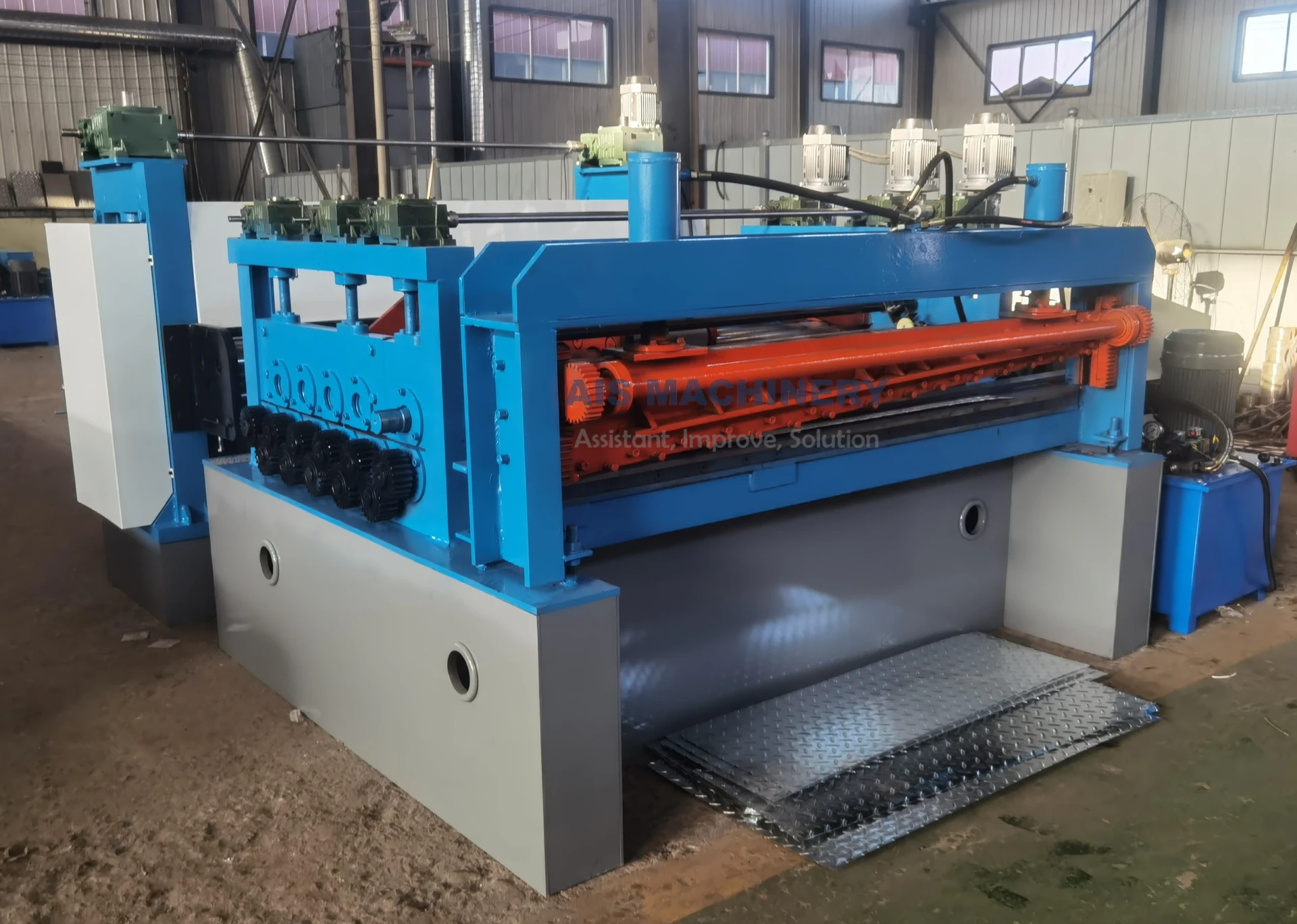
Metal Embossing Machine: Turn Flat Sheets into High-Value Textured Products
Discover how a metal embossing machine transforms flat steel, stainless steel, and aluminum sheets into high-value textured products. Learn about its working principle, key components, and applications. Ideal for decorative and industrial use, embossing machines improve both appearance and performance. Explore complete embossing line solutions and find the right machine for your production needs.
2026-04-04 20:37:18
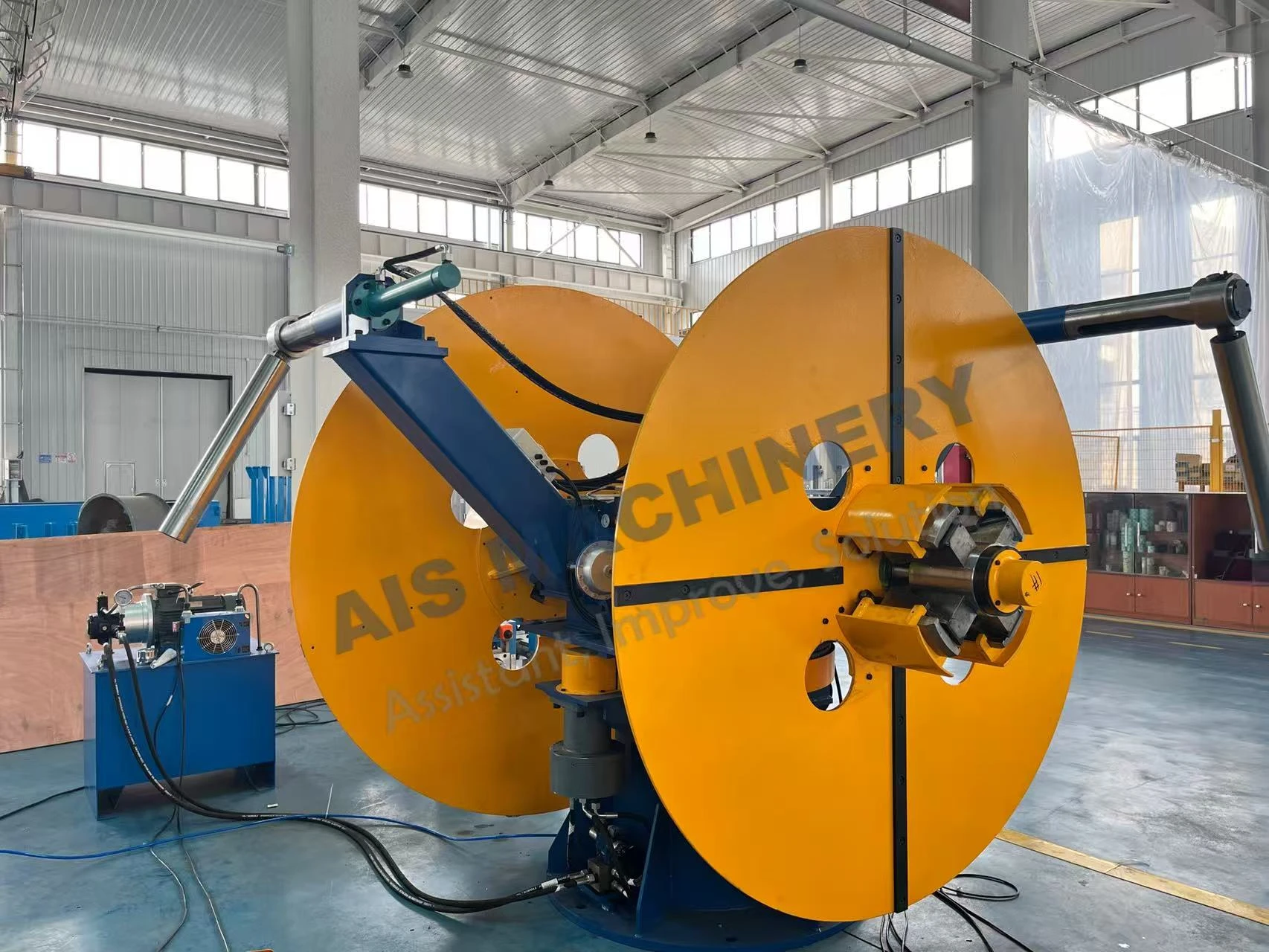
Automatic Double Side Uncoiler with Hydraulic Expansion and Auto Rotation for Steel Coil Processing
The Automatic Double Side Uncoiler is a high-efficiency solution designed for modern steel coil processing lines, including tube mills, roll forming machines, and slitting lines. With a maximum capacity of 4 tons per side, this machine ensures stable and continuous coil feeding while reducing downtime during coil change.
Send a Message
Dear customer, thank you for your attention! We provide high-quality machinery and equipment and look forward to your orders. Please inform us of your needs and we will respond quickly!
 English
  Albanian
  Arabic
  French
  German
  Indonesian
  Italian
  Japanese
  Kazakh
  Korean
  Latin
Latin  Macedonian
  Portuguese
  Russian
  Spanish
  Thai
Thai  Turkish
  Ukrainian
  Uzbek
Uzbek