
-
 Tel:86-15176910262
-

Search

Pipe Threading Machine: Automatic, Fast—Why Choose?
Oct . 06, 2025 00:45
If you work around tube mills or fab shops, you already know the quiet star of the end-finishing cell: the pipe threading machine. Lately, demand has been oddly steady—oil & gas cycles aside—because MEP contractors, fire protection outfits, and even desal plants keep calling for clean, leak-tight threads. To be honest, automation has done the heavy lifting: servo-driven spindles, closed-loop coolant, digital gauges. It feels less like an old-school toolroom chore and more like a predictable, data-friendly station.
What it does, where it fits
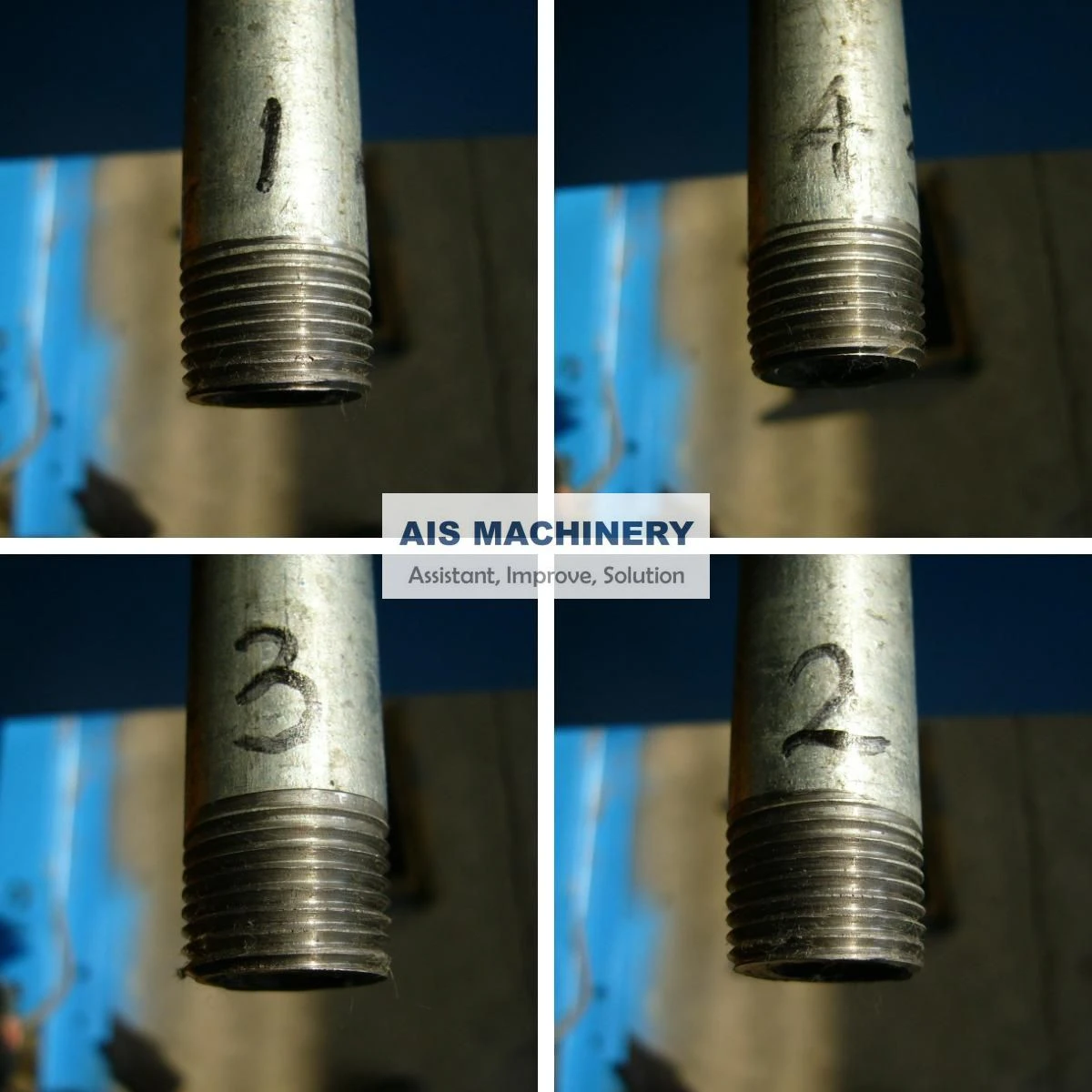
A modern pipe threading machine cuts internal or external threads on carbon steel, stainless, or alloy pipe for NPT, BSPT, API, and straight threads. Typical gigs: sprinkler mains, oilfield pup joints, scaffolding couplers, and utility risers. Many customers say they switched to in-house threading to shrink lead times and keep tolerances consistent; surprisingly, the coolant management matters as much as the spindle.
Process flow (real shop version)
- Materials: ERW or seamless pipe (Q235/ASTM A53, 304/316L, 4130), usually deburred and chamfered.
- Method: Self-centering chuck, carbide insert die head, flood emulsion or synthetic coolant, programmable spindle (≈60–320 rpm) and feed.
- Gauging: Ring/plug gauges per ISO 7-1 (BSPT), ASME B1.20.1 (NPT), API Spec 5B (OCTG) with thread profile verification.
- Testing: Thread effective diameter and taper, crest/root finish (Ra), go/no-go acceptance; hydro tests when specified by the job.
- Service life: around 8–12 years with routine way lube, coolant care, and insert changes; real-world use may vary.
- Industries: Oil & gas, construction, firefighting, HVAC/MEP, mining, waterworks.
Typical QC snapshot (internal FAT example)
- Concentricity: ≤0.03 mm at 150 mm from face (API taper) on Ø60.3 mm pipe.
- Runout: ±0.05 mm (face to first full thread) on NPT 2".
- Surface roughness: Ra 1.6–3.2 µm at flanks after two-pass finish.
Key specifications (representative)
| Model | PTM-ERW Series |
| Pipe OD Range | ½"–6" (≈21.3–168.3 mm) |
| Thread Types | NPT, BSPT, API, straight (G/ISO 228) |
| Spindle Speed | ≈60–320 rpm, VFD controlled |
| Main Motor | 7.5–15 kW (depending on size) |
| Chuck/Clamping | Self-centering, replaceable jaws |
| Coolant | Flood, 120 L tank, 2-stage filtration |
| Repeatability | ±0.05 mm on effective dia (typ.) |
| Power Supply | 380–480 V, 50/60 Hz, 3PH |
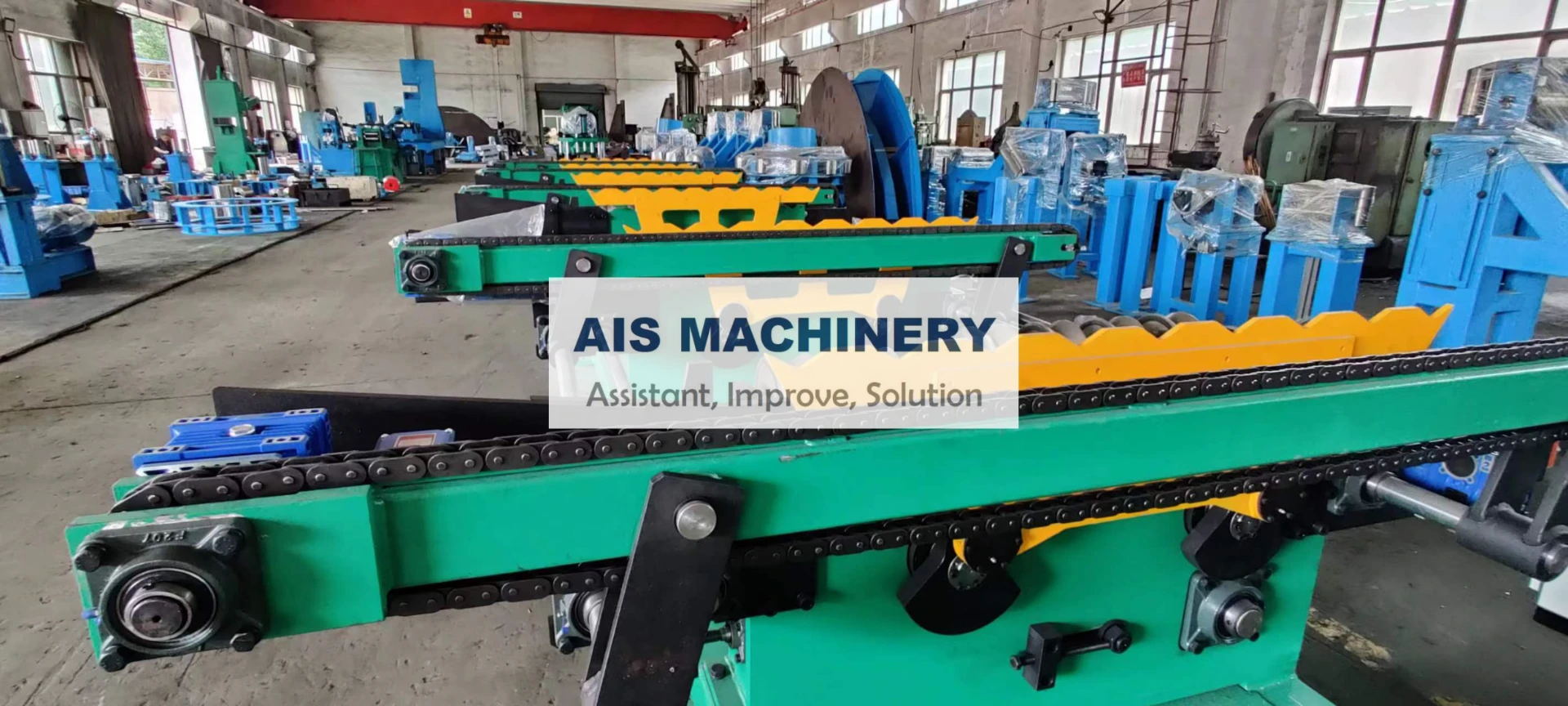
Customization that actually matters
- API 5B die heads and certified gauges for OCTG work.
- Auto length stop + servo feed for repeat fixtures.
- Mist extraction, splash guards, and CE safety interlocks.
- Stainless package: corrosion-resistant coolant plumbing.
- Data tags: thread count, batch ID, pass/fail to MES.
Vendor snapshot (quick compare)
| Item | AISTubemill PTM-ERW | Vendor B (Generic) | Vendor C (Budget) |
| Max OD | ≈168 mm | ≈141 mm | ≈114 mm |
| Thread Support | NPT/BSPT/API/Straight | NPT/BSPT | NPT only |
| Automation | Servo feed + MES option | Manual feed | Manual |
| After-sales | Remote + on-site, spares 48–72h | Email support | Limited |
| Lead Time | ≈6–10 weeks | ≈10–14 weeks | ≈4–6 weeks |
Field notes and mini case studies
Fire-sprinkler fabricator, Dubai: switched to a pipe threading machine with auto stops; first-pass yield climbed from 92% to 98% on BSPT 3" mains, mostly due to steadier coolant and better jaw grip. A US oilfield service yard reported faster changeovers—about 35% quicker—when moving from NPT 2" to API taper thanks to preset die heads.
Feedback is usually about uptime. One supervisor told me, “If the gauge goes, the job goes.” Fair point—so spec good gauges and keep them calibrated per ISO/IEC 17025.
Certifications, origin, and standards alignment
- CE safety package, ISO 9001 quality management at factory level.
- Threading compliance: ISO 7-1 (BSPT), ASME B1.20.1 (NPT), API Spec 5B (OCTG).
- Origin: RM604 SHENXING BUILDING, XINHUA STREET, SHIJIAZHUANG CITY, HEBEI PROVINCE, CHINA CN, 050000.
References:
- ISO 7-1: Pipe threads where pressure-tight joints are made on the threads.
- ASME B1.20.1: Pipe Threads, General Purpose (NPT, NPSC, NPTR).
- API Spec 5B: Threading, Gauging, and Thread Inspection of Casing, Tubing, and Line Pipe Threads.
- ISO 9001: Quality management systems—Requirements.

Related Products

Related News
2026-04-30 09:35:04
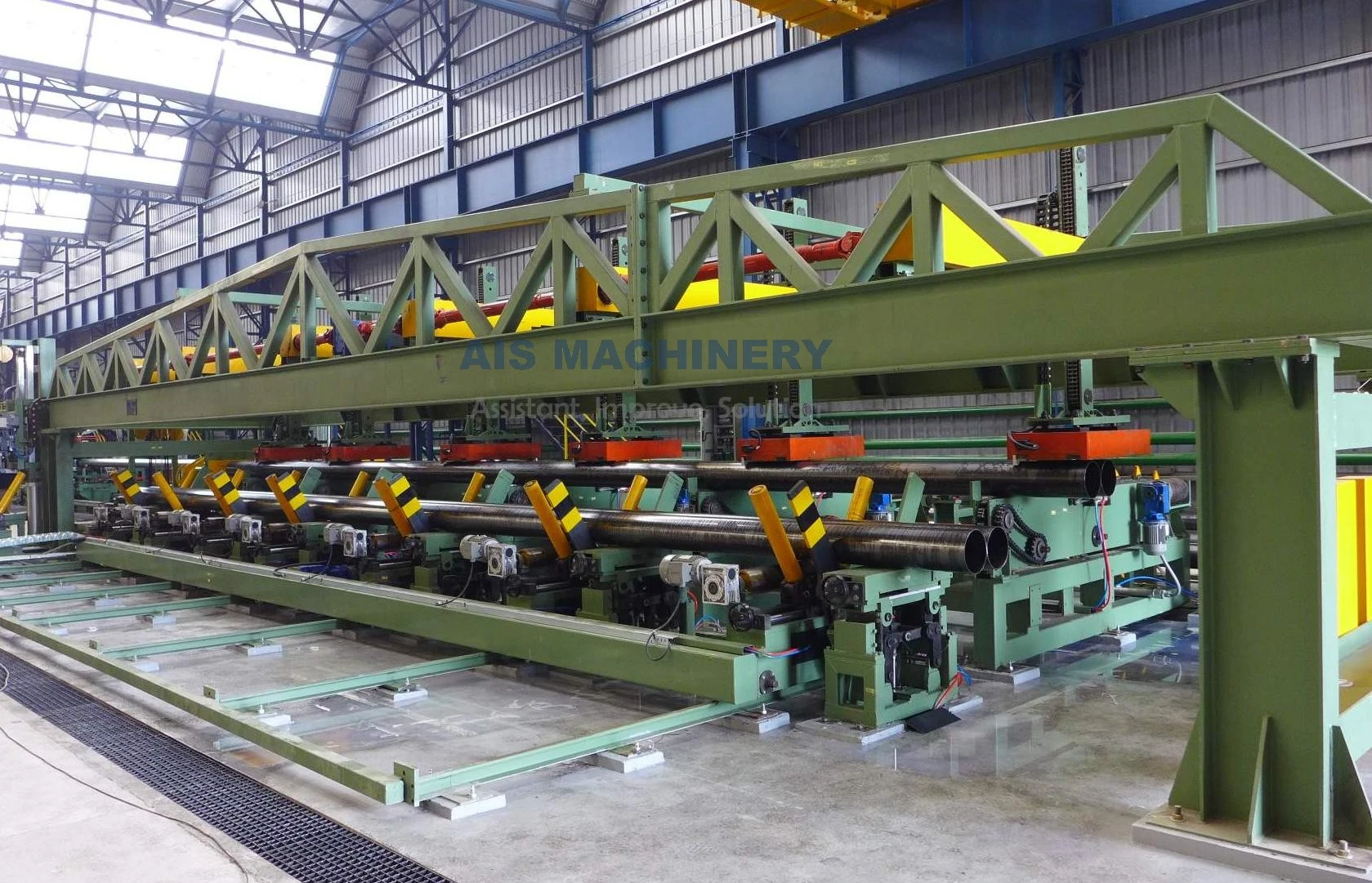
Automatic Stacking Machine (Magnetic Chuck Type)
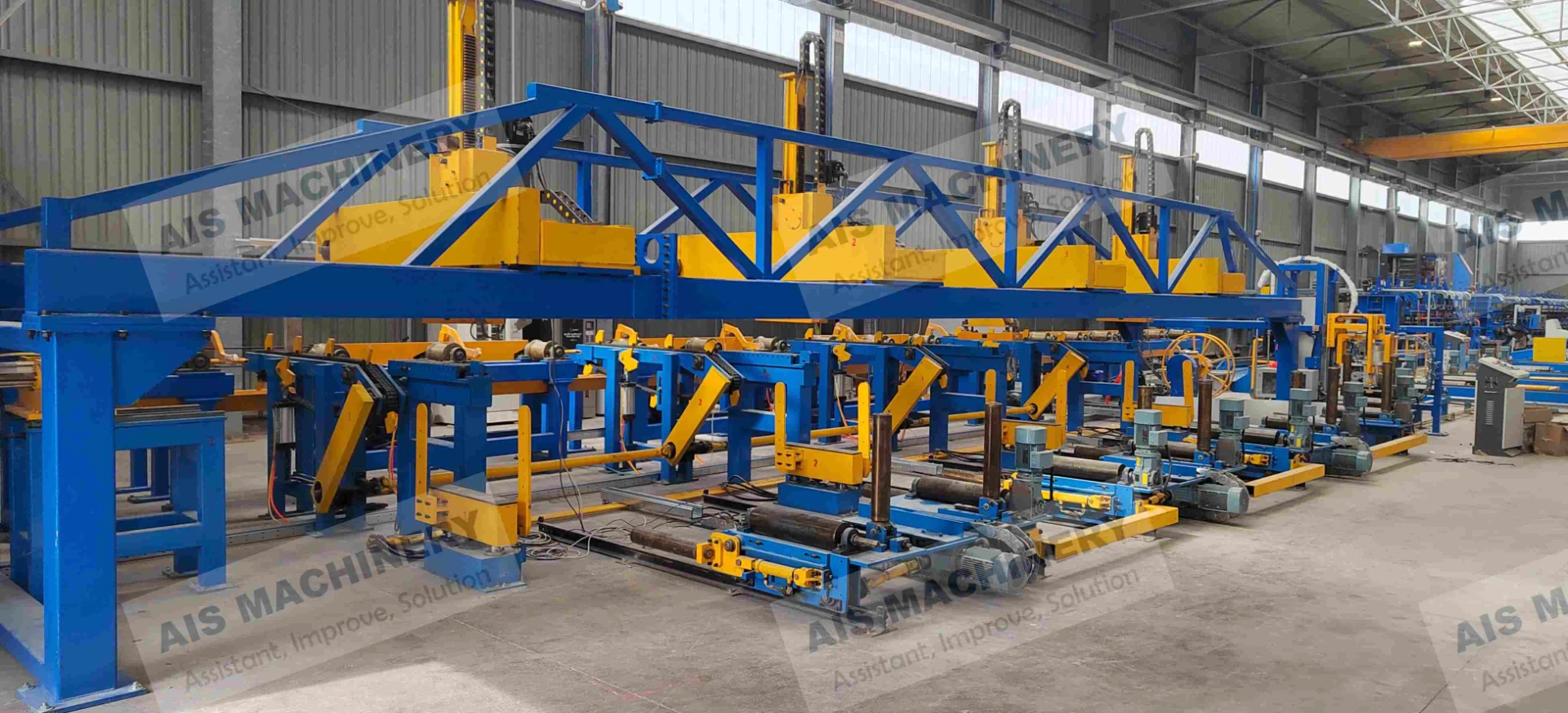
The Automatic Stacking Machine (Magnetic Chuck Type) from AIS Machinery is designed to efficiently collect and stack steel tubes in ERW tube mill production lines. Using electromagnetic lifting, it can pick up multiple tubes at once and place them neatly in layers. This reduces manual labor, improves stacking accuracy, and increases overall production efficiency. It is installed after the flying saw and works seamlessly with the mill line, making it an ideal solution for modern tube manufacturers.
2026-04-28 08:56:05
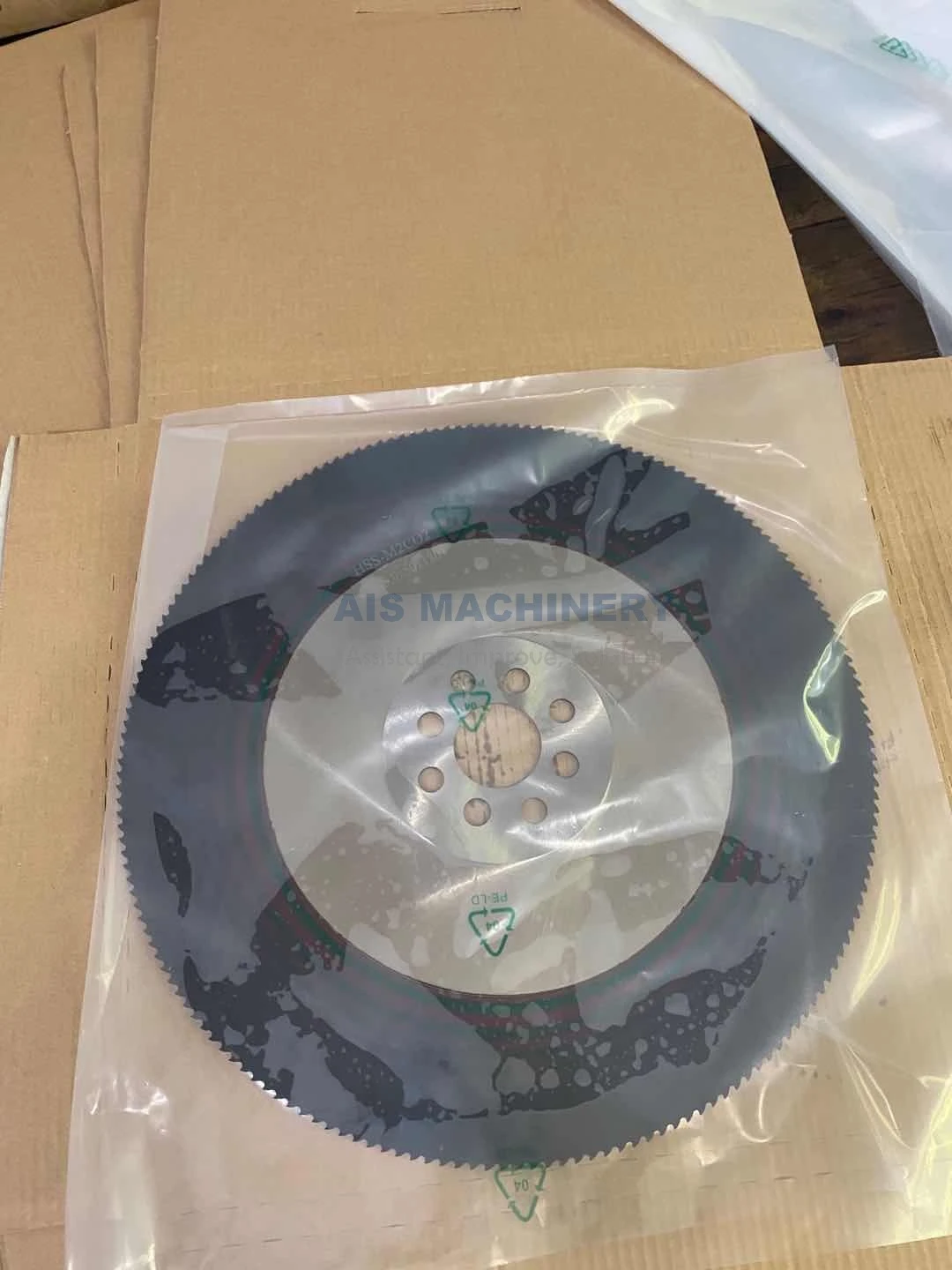
Saw Blade Guide for Tube Mills: Friction vs HSS vs TCT — Which One Should You Choose?
Confused about friction saw, HSS, and TCT blades? This guide explains their uses in cold saw and friction saw machines, with pros, cons, and expert selection tips.
2026-04-24 08:54:16
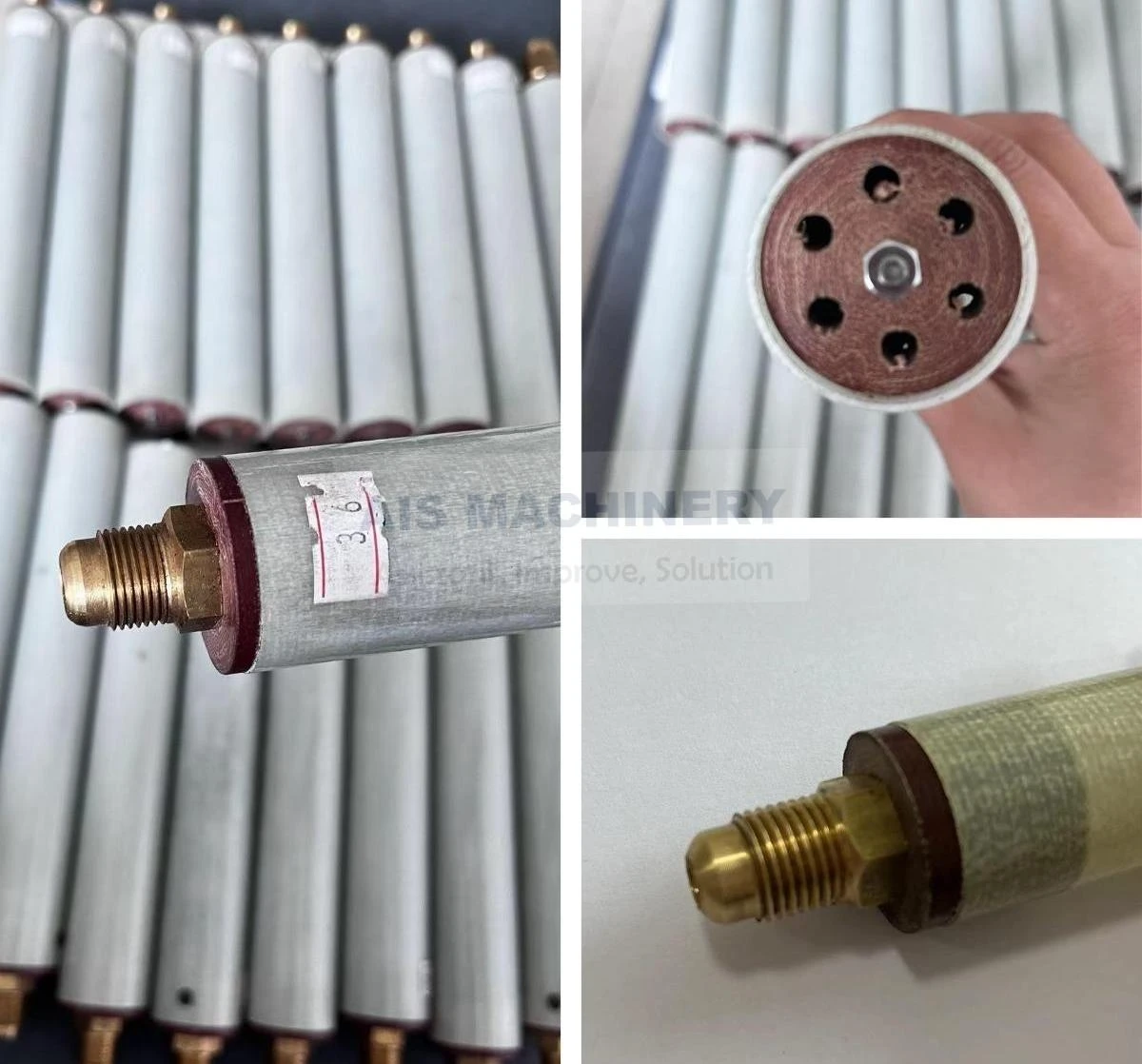
What is an Impeder and Ferrite Rods in ERW Tube Mill?
Struggling with impeder overheating or short service life in your ERW tube mill? This guide explains common impeder problems, the role of ferrite rods, and how to choose the right impeder for stable welding performance. Improve weld quality, reduce energy loss, and extend equipment lifespan with the right selection and proper cooling solutions.
2026-04-21 10:22:25
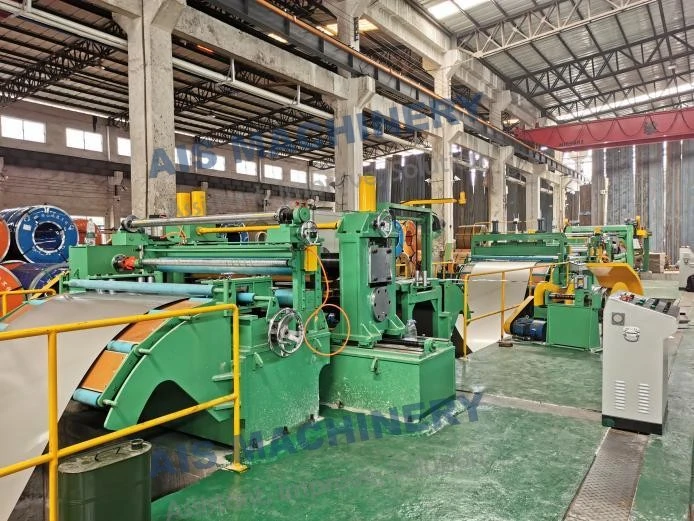
Slitting & Cut-to-Length Combined Production Line: A Smarter Way to Process Steel Coils
Discover the Slitting & Cut-to-Length Combined Production Line, a flexible solution for steel coil processing. This system integrates slitting line and cut-to-length line functions in one machine, saving space, reducing costs, and improving efficiency. Ideal for processing both steel strips and sheets, it is widely used in service centers and manufacturing industries. Learn its advantages, limitations, and applications.
2026-04-18 03:20:20
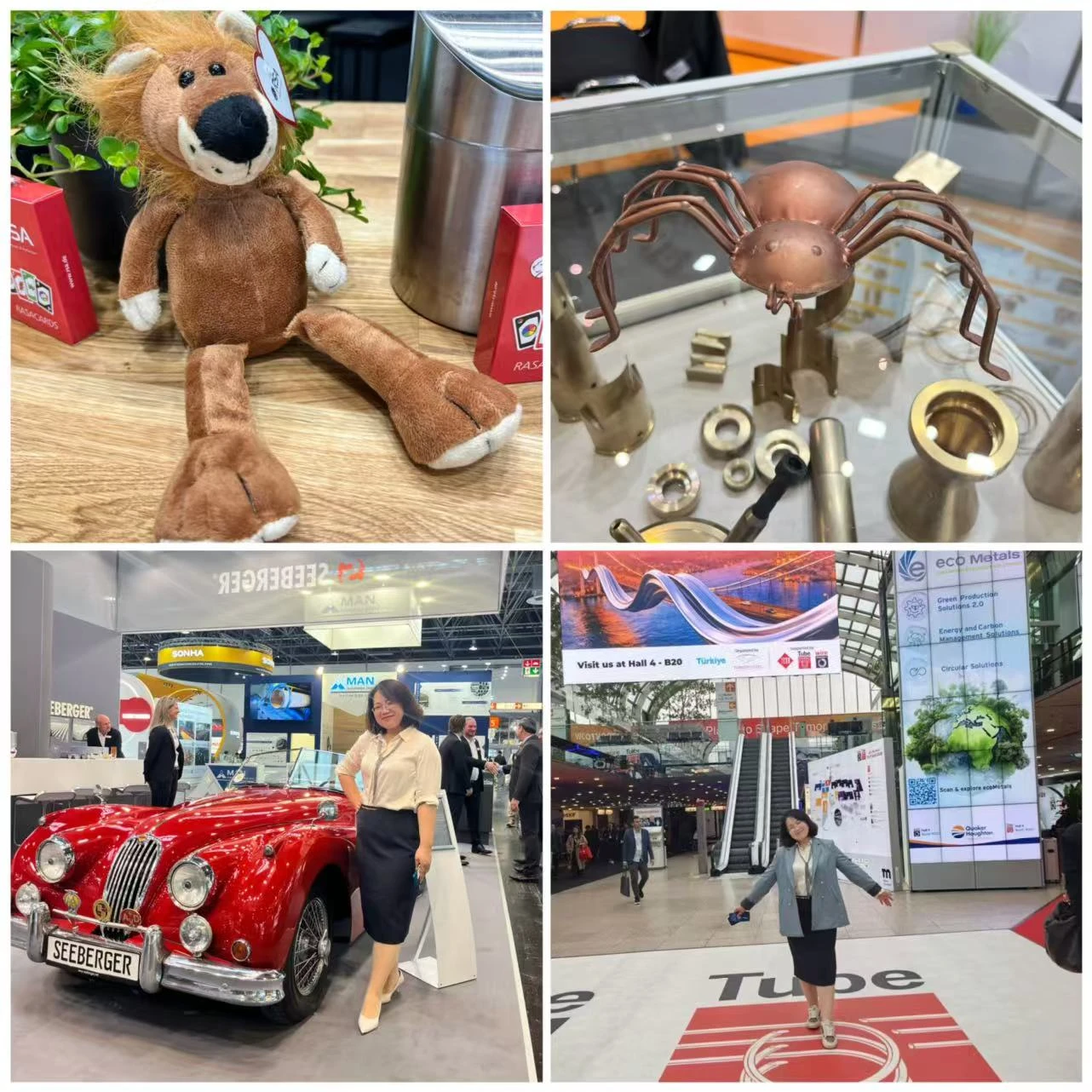
AIS Machinery Showcases Advanced Tube Solutions at Tube & Wire Düsseldorf 2026
Tube & Wire Düsseldorf 2026, one of the most influential exhibitions in the global tube and wire industry, held biennially in Düsseldorf, Germany
2026-04-17 00:00:00
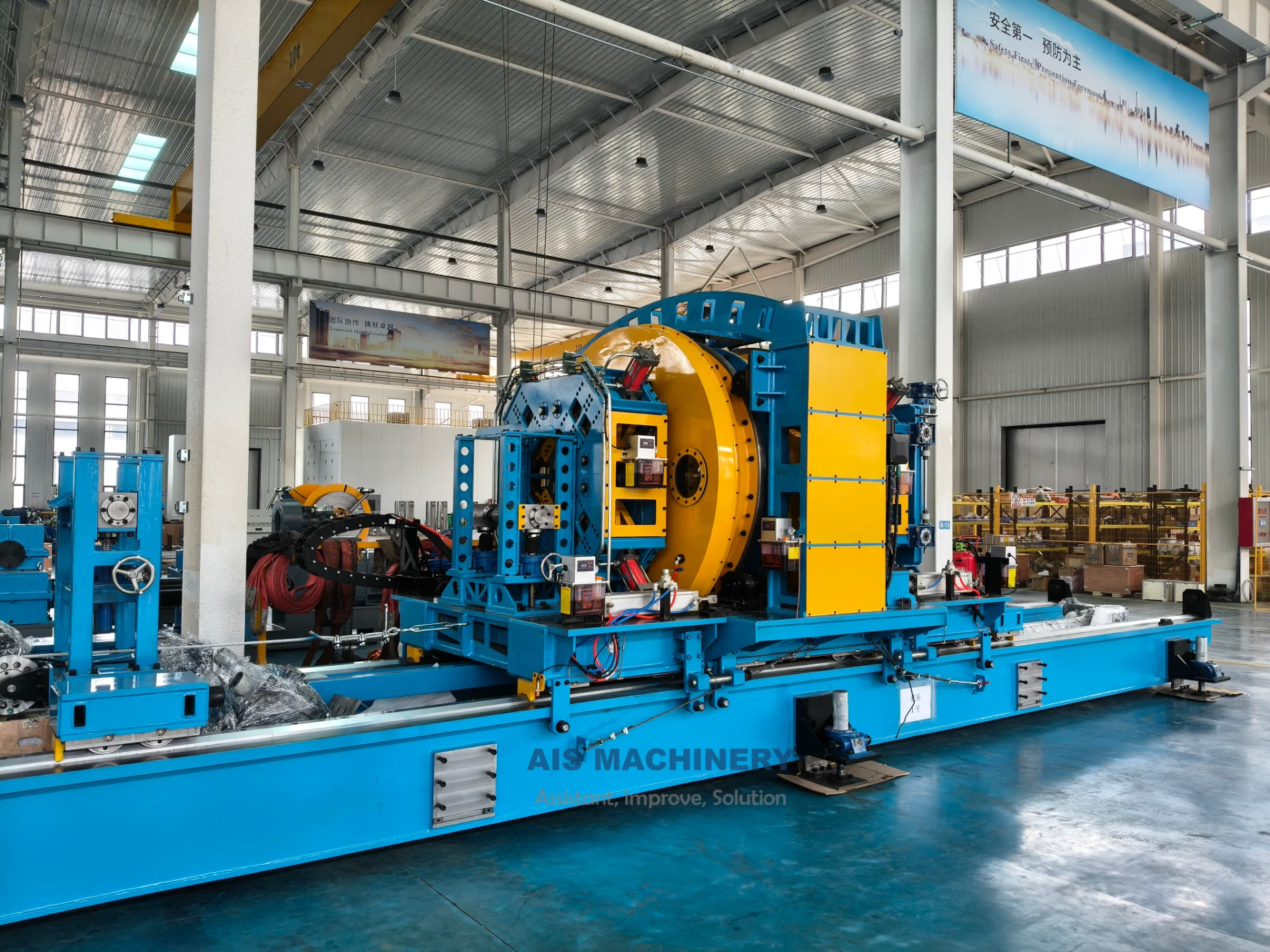
Southeast Asia Client Visits Our Factory | Customized Tube Mill Solution Delivered
A Southeast Asia client visited our ERW tube mill factory to inspect production lines and discuss a customized tube mill solution. Impressed by our machine quality, welding performance, and engineering support, the client confirmed strong cooperation intentions. Discover how our ERW tube mill solutions improve efficiency, precision, and long-term production reliability.
2026-04-15 10:37:55
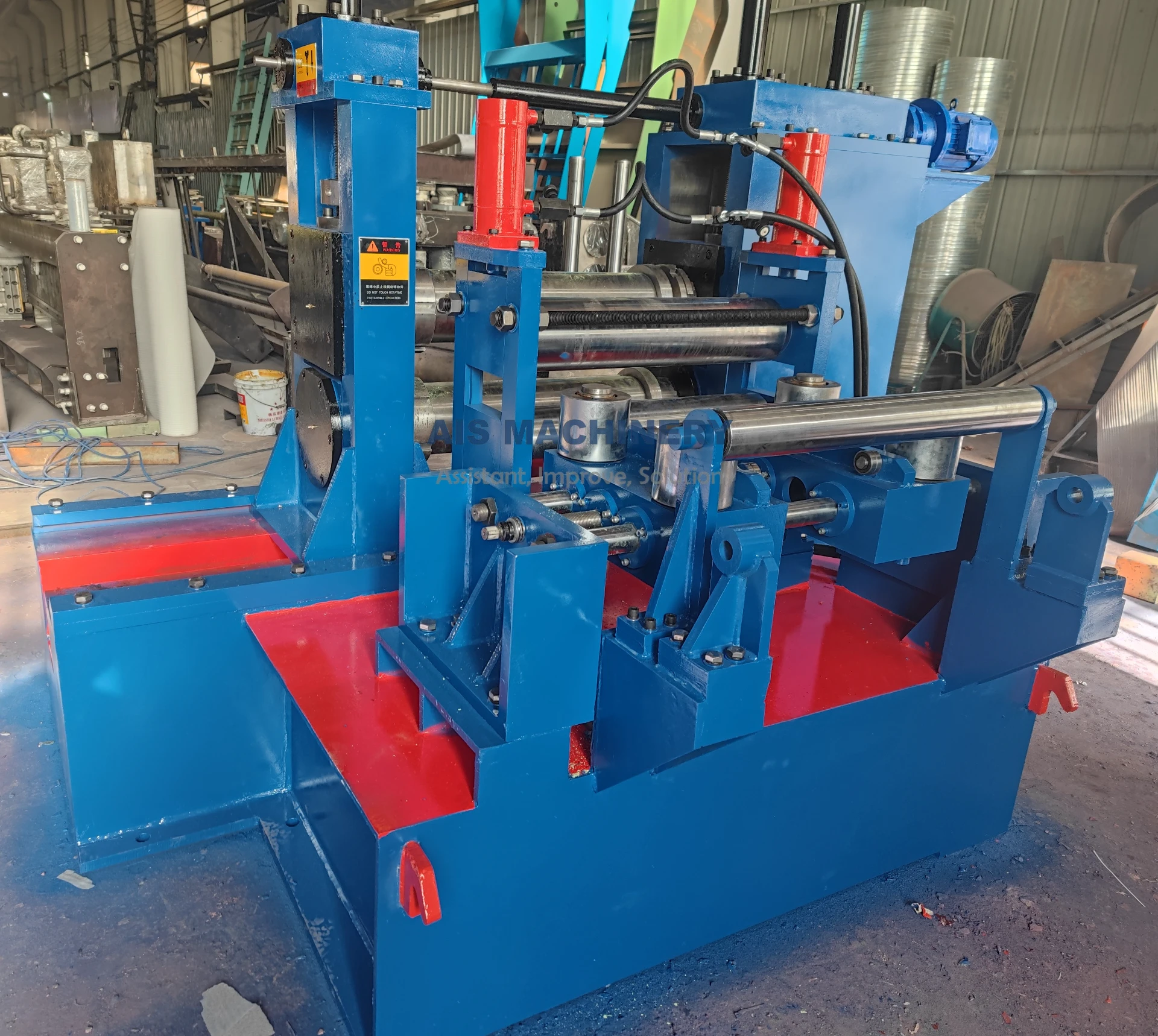
Flat Bar Production Line for Steel Coils: How It Works & Why It Matters
Looking for a flat bar production line? Learn how it turns steel coils into ready-to-use flat bars with precise length and high straightness. Compare it with slitting lines and get the best solution for your steel processing needs.
2026-04-14 00:00:00
Looking for a Milling Saw for ERW Tube Mill? Here’s What You Need to Know
Looking for a high-performance milling saw for your ERW tube mill? Upgrade to burr-free, high-precision pipe cutting with advanced flying saw technology. Improve efficiency, reduce rework, and meet export standards for carbon steel, stainless steel, and API pipes. Contact us today for expert solutions and competitive pricing tailored to your production needs.
Send a Message
Dear customer, thank you for your attention! We provide high-quality machinery and equipment and look forward to your orders. Please inform us of your needs and we will respond quickly!
 English
  Albanian
  Arabic
  French
  German
  Indonesian
  Italian
  Japanese
  Kazakh
  Korean
  Latin
Latin  Macedonian
  Portuguese
  Russian
  Spanish
  Thai
Thai  Turkish
  Ukrainian
  Uzbek
Uzbek