
-
 Tel:86-15176910262
-

Search
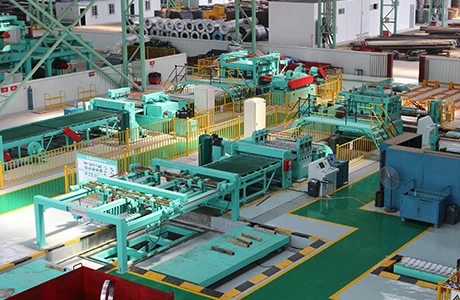
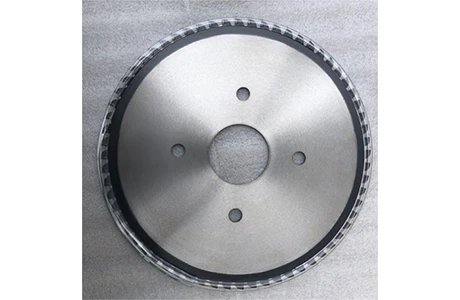
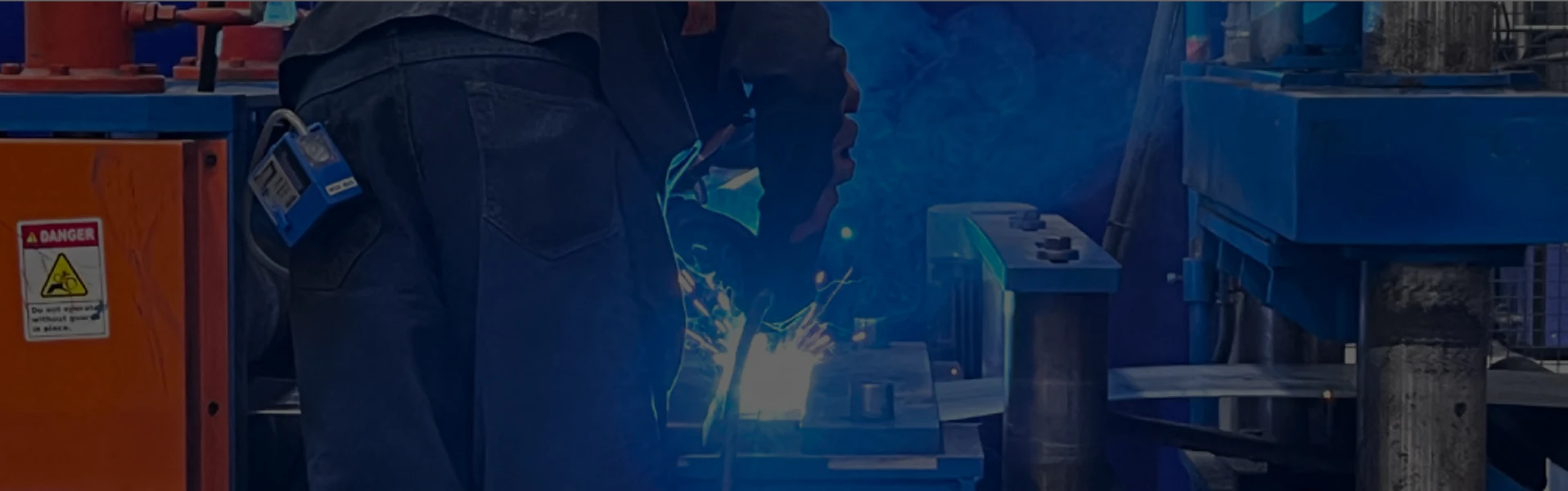

Roll Forming Machine for W Beam & Highway Guardrail Production High Precision
May . 07, 2025 16:12
- Industry Overview & Market Demand for Roll Forming Solutions
- Technical Superiority in Modern Roll Forming Machine Design
- Performance Comparison: Leading Manufacturers Analyzed
- Custom Engineering for Highway Safety Infrastructure
- Material Efficiency & Production Cost Analysis
- Case Study: W Beam Guardrail Implementation in ASEAN Countries
- Future-Proofing Your Purchase: Why Roll Forming Machines Matter

(roll forming machine)
Roll Forming Machines: Catalysts in Metal Fabrication Evolution
The global roll forming equipment market reached $12.7B in 2023, with 6.8% CAGR projected through 2030. This growth stems from infrastructure investments requiring high-speed production of standardized profiles - particularly evident in the 23% year-over-year demand increase for W beam guardrail roll forming machine
s from transportation authorities.
Technical Superiority in Modern Roll Forming Machine Design
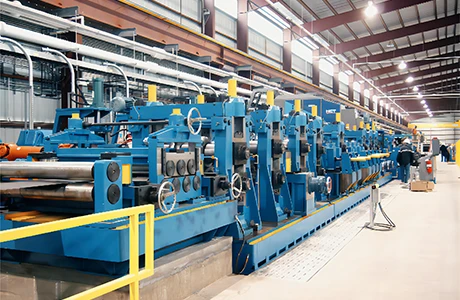
Contemporary roll forming systems integrate three critical advancements:
- Servo-driven synchronization reducing material waste by 18-22%
- Real-time thickness monitoring (±0.05mm accuracy)
- Modular tooling enabling profile changes in <45 minutes
These innovations enable production speeds exceeding 45m/min for highway guardrail lines, compared to traditional systems averaging 28m/min.
Manufacturer Capability Assessment
| Brand | Max Speed (m/min) | Tooling Change Time | Guardrail Compatibility |
|---|---|---|---|
| FormTech Pro | 48 | 38 min | ASTM M180, EN 1317 |
| GuardMaster HD | 52 | 42 min | AASHTO M180, AS/NZS 3845 |
| ProfileUltra 9000 | 45 | 29 min | Global Standards |
Application-Specific Configuration Strategies
For highway projects requiring highway guardrail roll forming machine solutions, optimal configurations typically include:
- Dual-stage punching units for 3mm+ steel
- Automatic stacking systems (800-1200 units/shift)
- Galvanization-ready profile outputs
Modular designs allow retrofitting existing lines with sensor packages for ≤0.2% defect rates.
Operational Cost Breakdown
Analysis of 27 active installations shows:
• Energy consumption: $0.18/meter
• Labor cost: $0.12/meter
• Maintenance: $0.07/meter
Total operational cost: $0.37/meter (±5% variance)
Regional Implementation Success Story
The Jakarta-Surabaya highway expansion (2022-2024) utilized 8 W beam guardrail roll forming machine units to produce 1,240km of barriers. Key outcomes:
  Production timeline: 14 months
  Quality compliance: 99.4%
  Cost per km: $8,720 (18% below budget)
Strategic Advantages of Advanced Roll Forming Machines
Selecting next-generation roll forming systems translates to 22-25% faster ROI compared to conventional models. With global infrastructure spending exceeding $2.3T annually, operators prioritizing roll forming machine upgrades position themselves for 70%+ government contract eligibility in developed markets.
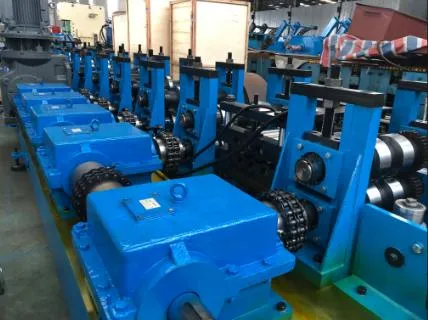
(roll forming machine)
FAQS on roll forming machine
Q: What is a roll forming machine used for?
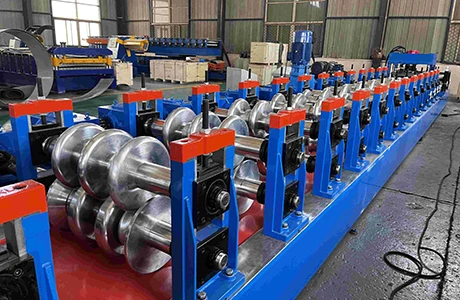
A: A roll forming machine is a specialized tool that shapes metal sheets or coils into desired profiles using a series of rollers. It is widely used in manufacturing industries for producing continuous, uniform components like roofing panels, guardrails, and structural parts.
Q: How does a W beam guardrail roll forming machine work?
A: The W beam guardrail roll forming machine processes metal coils through sequential rollers to form the distinctive W-shaped profile. This automated process ensures precision, durability, and compliance with highway safety standards.
Q: What are the advantages of a highway guardrail roll forming machine?
A: A highway guardrail roll forming machine offers high-speed production, consistent quality, and minimal material waste. It ensures guardrails meet strict safety regulations while reducing labor costs and production time.
Q: Can roll forming machines handle different materials?
A: Yes, roll forming machines can process various materials like steel, aluminum, and galvanized metal. Material compatibility depends on the machine's design, roller strength, and application requirements.
Q: How to maintain a roll forming machine for optimal performance?
A: Regular lubrication of rollers, inspection for wear, and alignment checks are essential. Scheduled maintenance ensures longevity, reduces downtime, and maintains product quality in roll forming operations.

Related Products

Related News
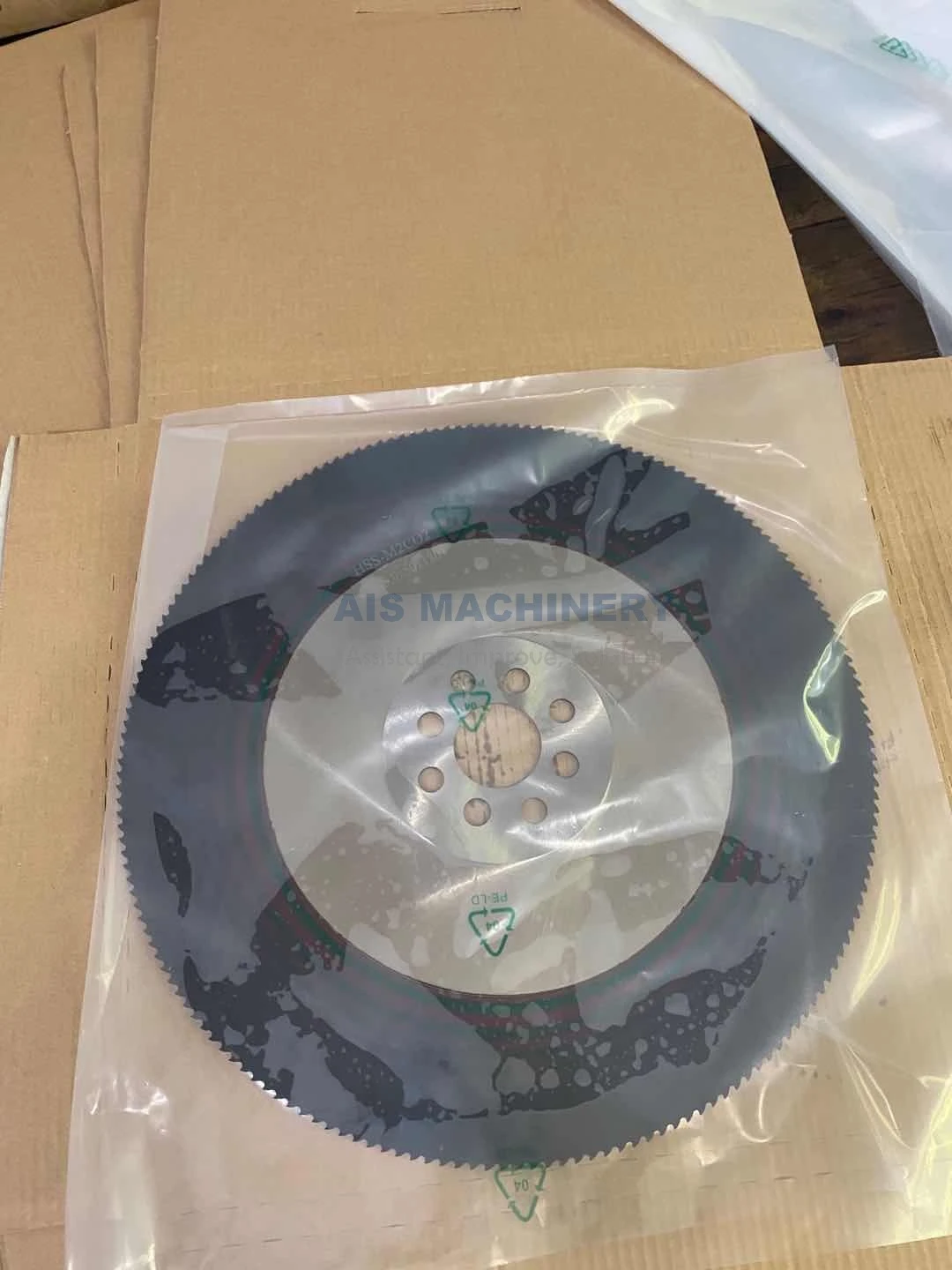
2026-04-28 08:56:05
Saw Blade Guide for Tube Mills: Friction vs HSS vs TCT — Which One Should You Choose?
Confused about friction saw, HSS, and TCT blades? This guide explains their uses in cold saw and friction saw machines, with pros, cons, and expert selection tips.
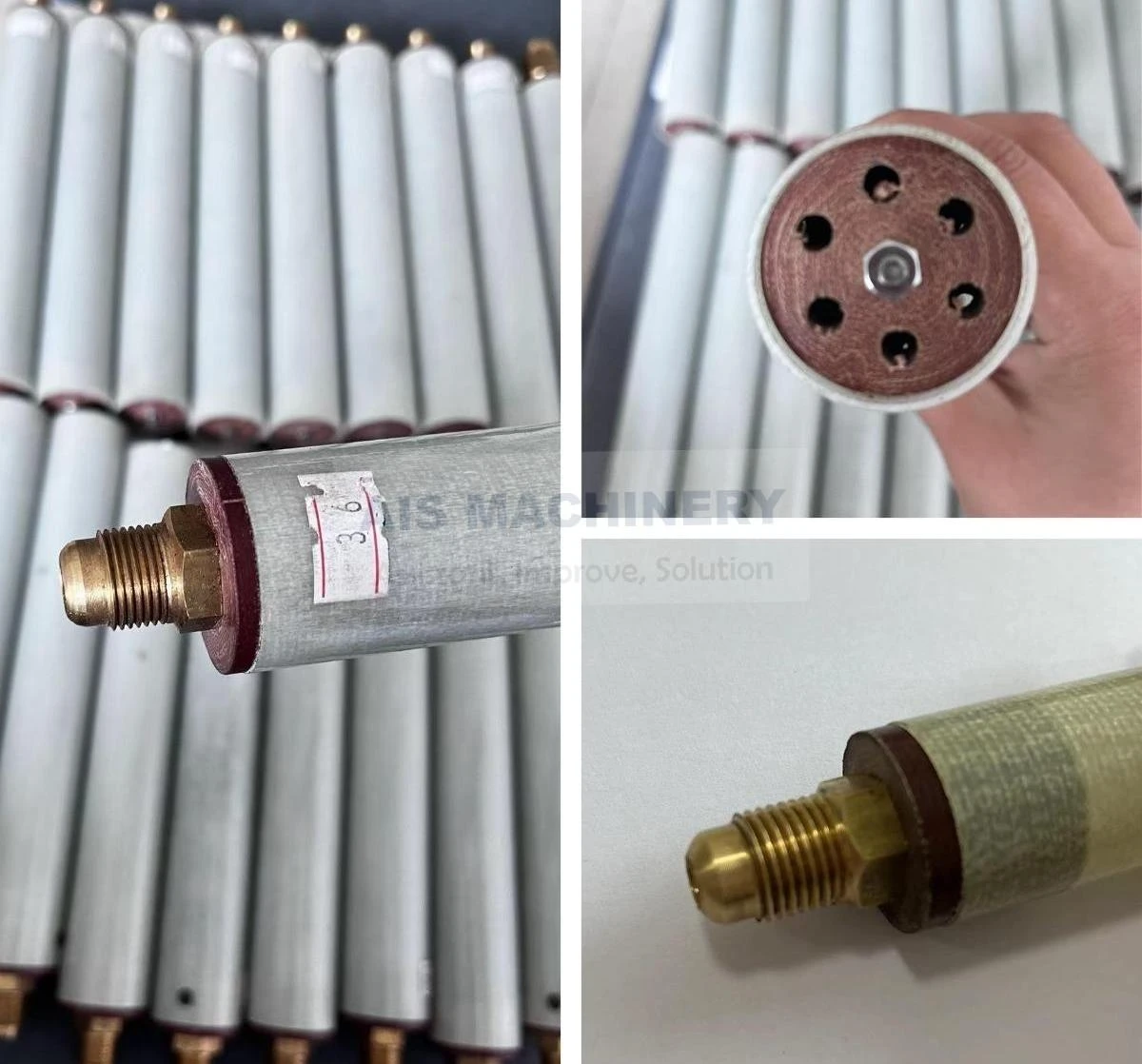
2026-04-24 08:54:16
What is an Impeder and Ferrite Rods in ERW Tube Mill?
Struggling with impeder overheating or short service life in your ERW tube mill? This guide explains common impeder problems, the role of ferrite rods, and how to choose the right impeder for stable welding performance. Improve weld quality, reduce energy loss, and extend equipment lifespan with the right selection and proper cooling solutions.
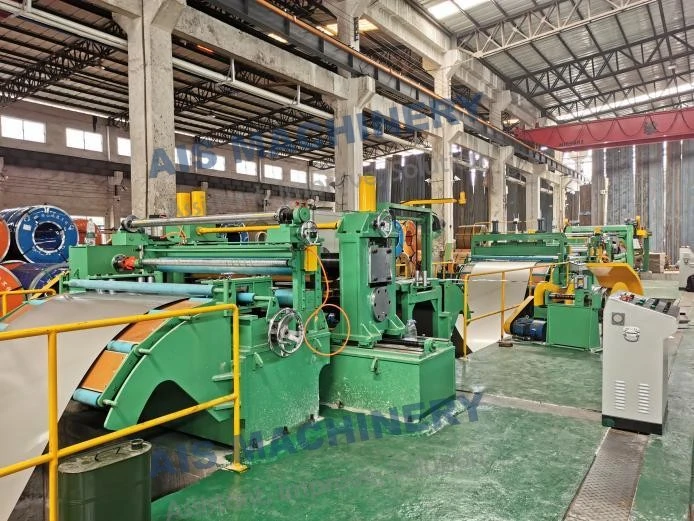
2026-04-21 10:22:25
Slitting & Cut-to-Length Combined Production Line: A Smarter Way to Process Steel Coils
Discover the Slitting & Cut-to-Length Combined Production Line, a flexible solution for steel coil processing. This system integrates slitting line and cut-to-length line functions in one machine, saving space, reducing costs, and improving efficiency. Ideal for processing both steel strips and sheets, it is widely used in service centers and manufacturing industries. Learn its advantages, limitations, and applications.
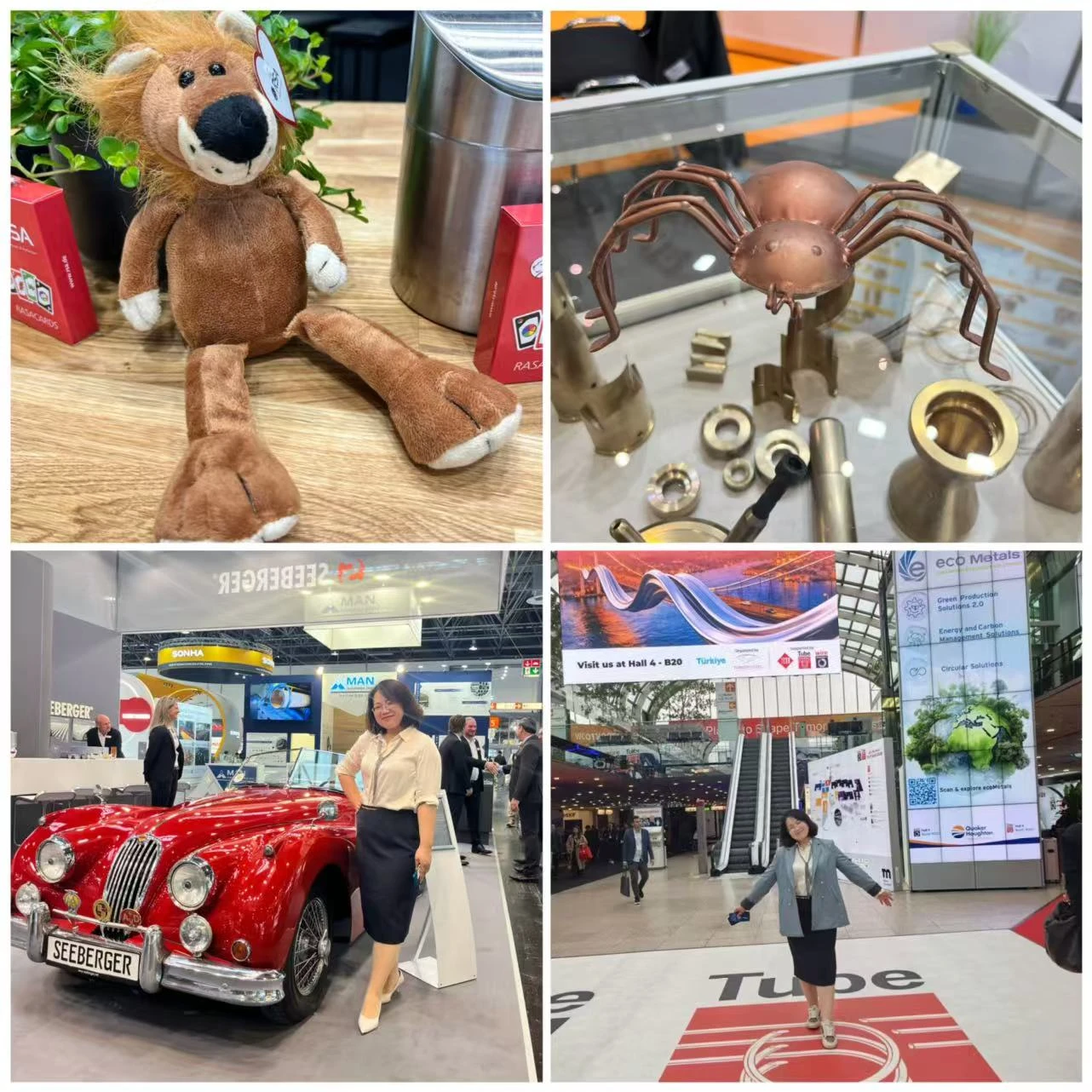
2026-04-18 03:20:20
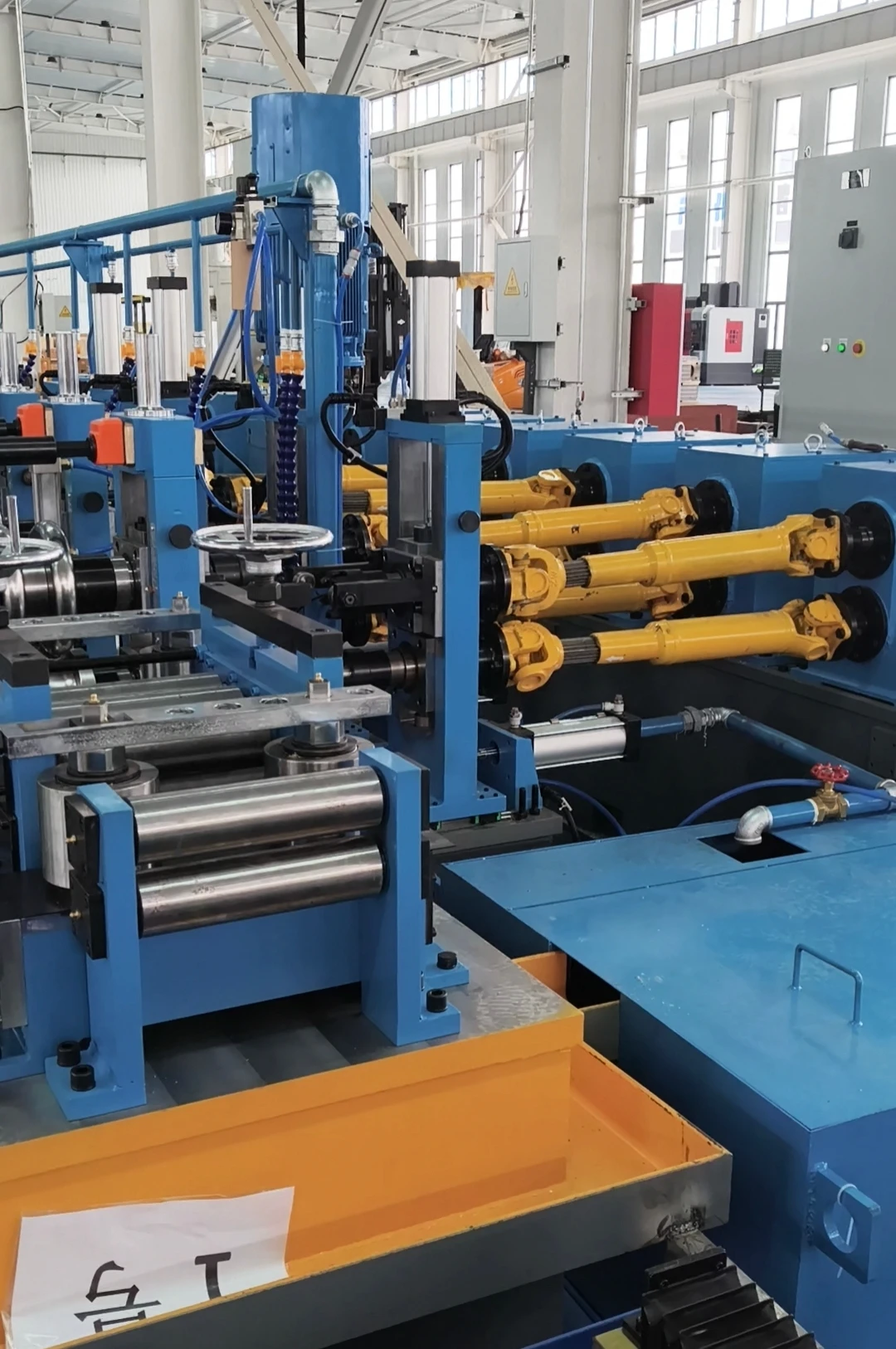
AIS Machinery Showcases Advanced Tube Solutions at Tube & Wire Düsseldorf 2026
Tube & Wire Düsseldorf 2026, one of the most influential exhibitions in the global tube and wire industry, held biennially in Düsseldorf, Germany
2026-04-17 00:00:00
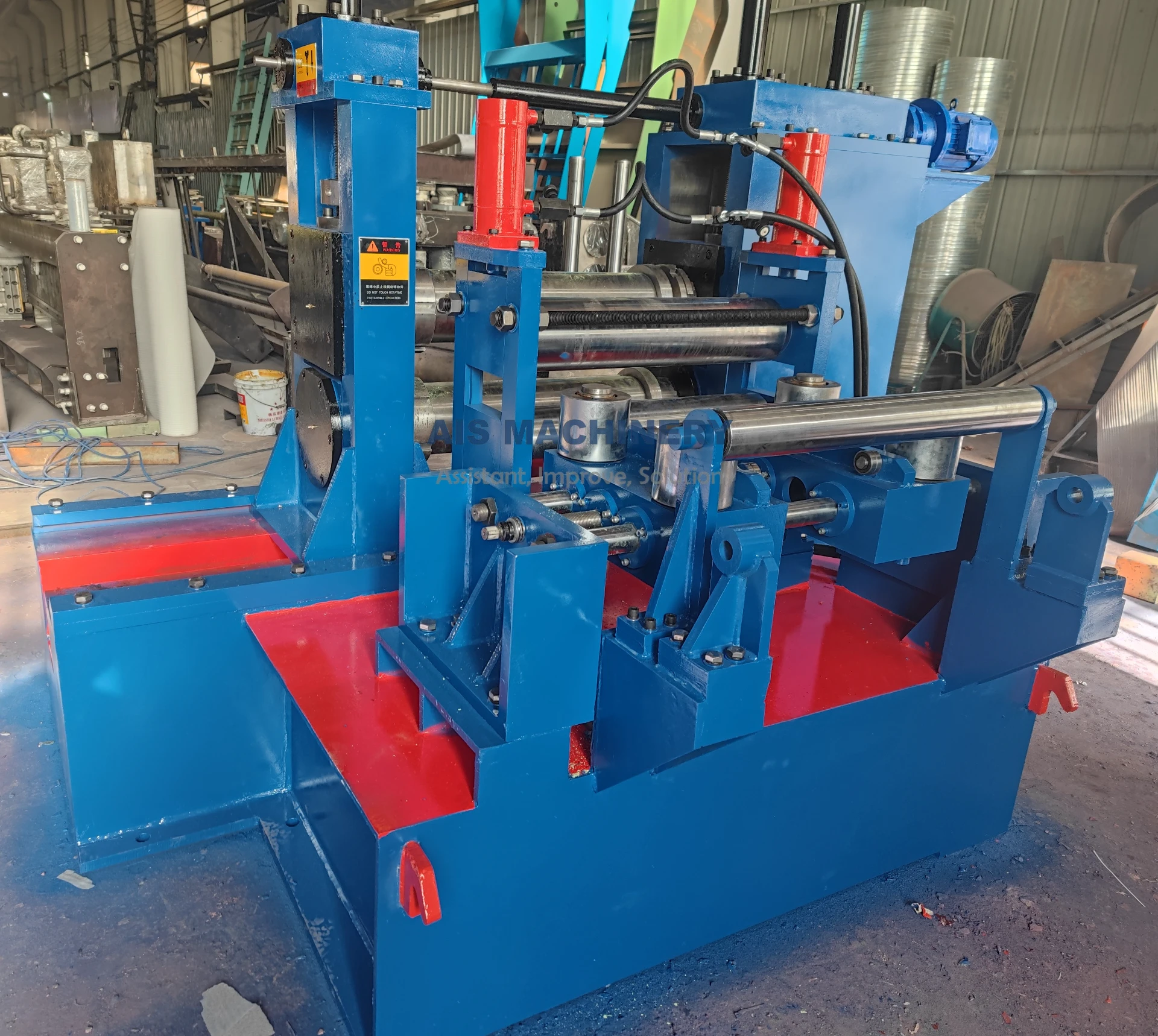
Southeast Asia Client Visits Our Factory | Customized Tube Mill Solution Delivered
A Southeast Asia client visited our ERW tube mill factory to inspect production lines and discuss a customized tube mill solution. Impressed by our machine quality, welding performance, and engineering support, the client confirmed strong cooperation intentions. Discover how our ERW tube mill solutions improve efficiency, precision, and long-term production reliability.
2026-04-15 10:37:55
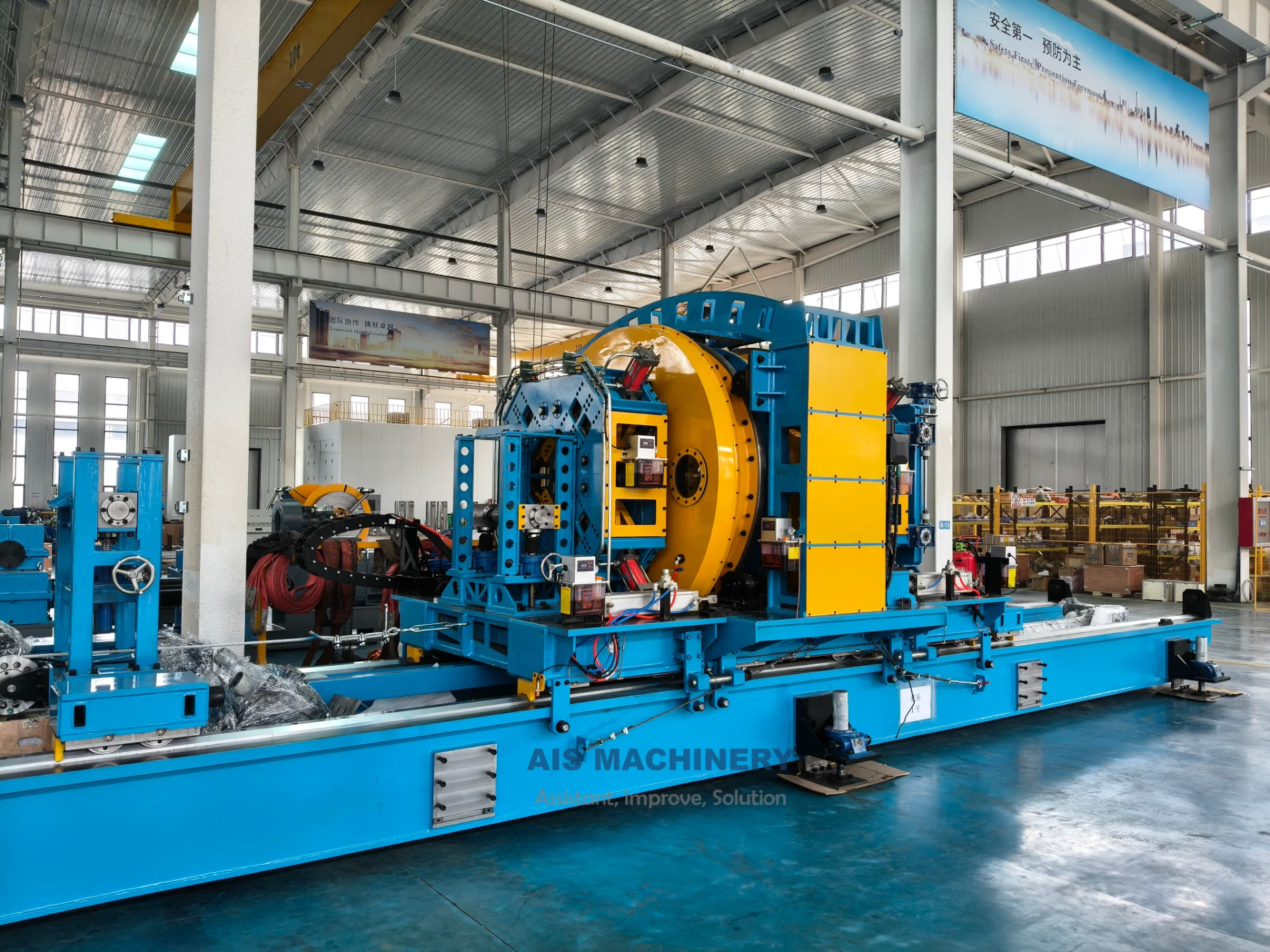
Flat Bar Production Line for Steel Coils: How It Works & Why It Matters
Looking for a flat bar production line? Learn how it turns steel coils into ready-to-use flat bars with precise length and high straightness. Compare it with slitting lines and get the best solution for your steel processing needs.
2026-04-14 00:00:00
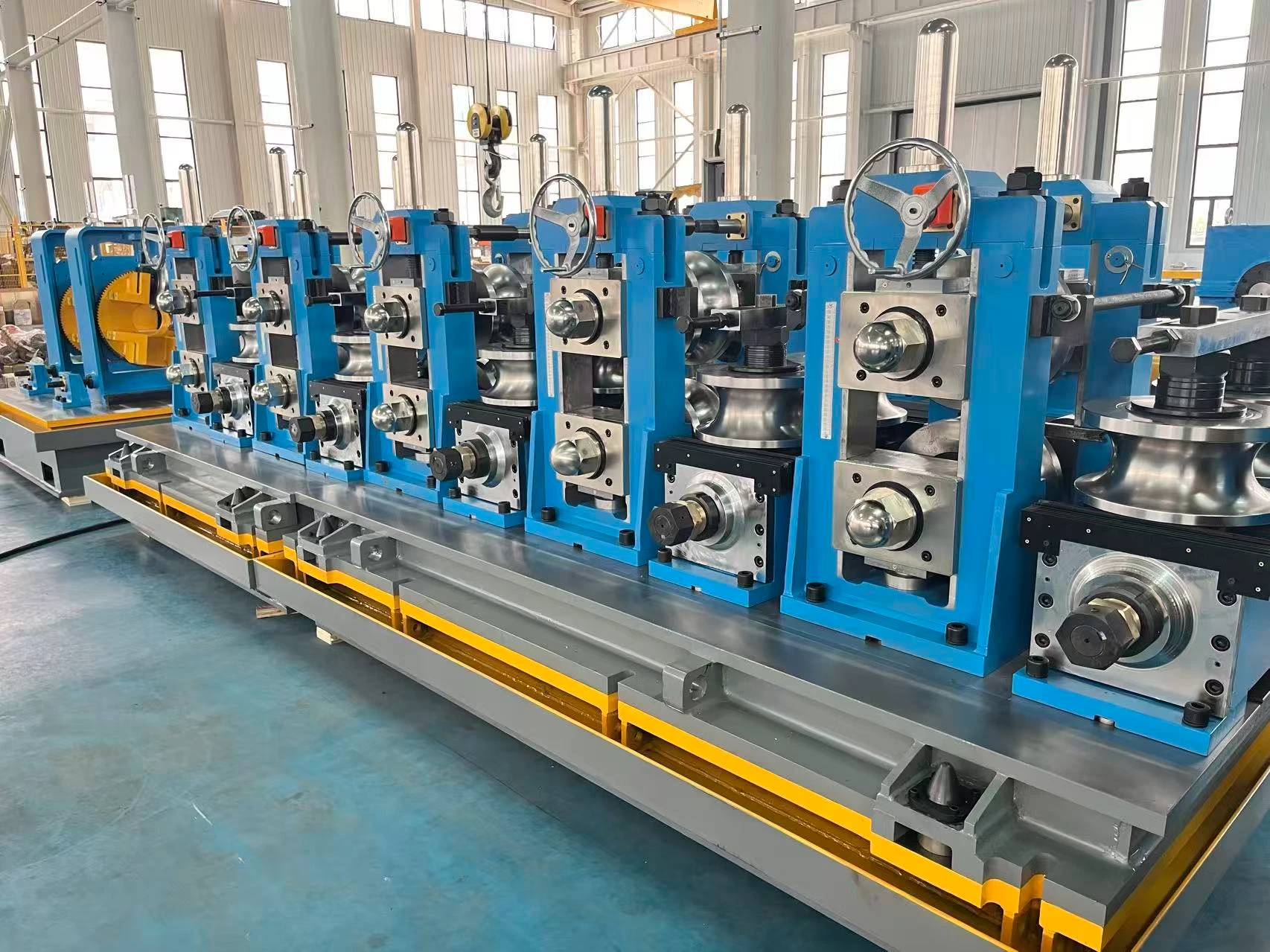
Looking for a Milling Saw for ERW Tube Mill? Here’s What You Need to Know
Looking for a high-performance milling saw for your ERW tube mill? Upgrade to burr-free, high-precision pipe cutting with advanced flying saw technology. Improve efficiency, reduce rework, and meet export standards for carbon steel, stainless steel, and API pipes. Contact us today for expert solutions and competitive pricing tailored to your production needs.
2026-04-09 16:15:19
5-Inch (127mm) ERW Tube Making Machine Delivered with Heavy-Duty Design and Advanced Quick Change System
Send a Message
Dear customer, thank you for your attention! We provide high-quality machinery and equipment and look forward to your orders. Please inform us of your needs and we will respond quickly!
 English
  Albanian
  Arabic
  French
  German
  Indonesian
  Italian
  Japanese
  Kazakh
  Korean
  Latin
Latin  Macedonian
  Portuguese
  Russian
  Spanish
  Thai
Thai  Turkish
  Ukrainian
  Uzbek
Uzbek