
-
 Tel:86-15176910262
-

Search
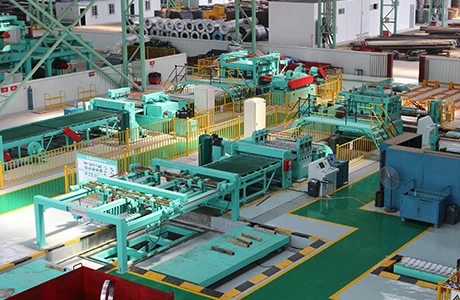

Steel Tube Making Machine Maintenance Tips
Sep . 03, 2025 15:01
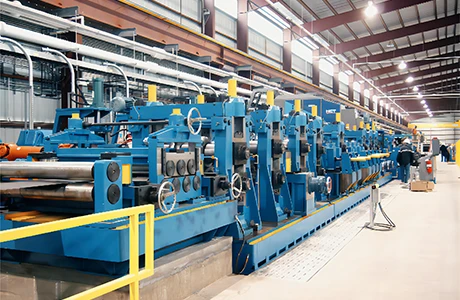
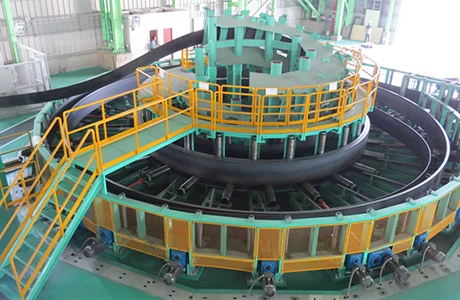
Proper maintenance of steel tube making machine systems is essential for maximizing productivity, minimizing downtime, and ensuring consistent product quality. As a wholesaler, guiding customers on effective maintenance practices for steel tube making machine, steel pipe manufacturing machine, and metal pipe making machine equipment strengthens their operations and builds long-term trust. HEBEI AIS MACHINERY EQUIPMENT CO.,LTD, a leading manufacturer of these systems, emphasizes that proactive maintenance extends equipment lifespan by up to 50% and reduces operational costs significantly. This guide outlines key maintenance tips for steel tube making machine components, specialized care for steel pipe manufacturing machine and metal pipe making machine systems, and troubleshooting strategies, empowering wholesalers to support customers in maintaining peak equipment performance.
Steel Tube Making Machine Routine Maintenance
Daily Inspection Checklist
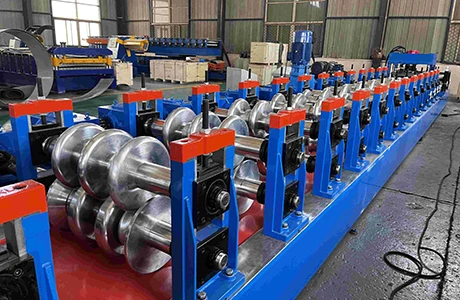
Roller Alignment: Check steel tube making machine forming rollers for proper alignment daily, as misalignment causes uneven wear and dimensional inaccuracies in tubes. Use a laser alignment tool to ensure rollers are parallel within 0.02mm. HEBEI AIS MACHINERY EQUIPMENT CO.,LTD. recommends marking roller positions with reference points to simplify alignment checks.
Lubrication Points: Apply lubricant to all moving parts of the steel tube making machine, including drive chains, gearboxes, and bearing housings. Use the manufacturer-specified lubricant—typically high-temperature grease for welding zones and oil for gear systems. HEBEI AIS MACHINERY EQUIPMENT CO.,LTD.’s steel tube making machinemanuals include a detailed lubrication chart with recommended frequencies and product types.
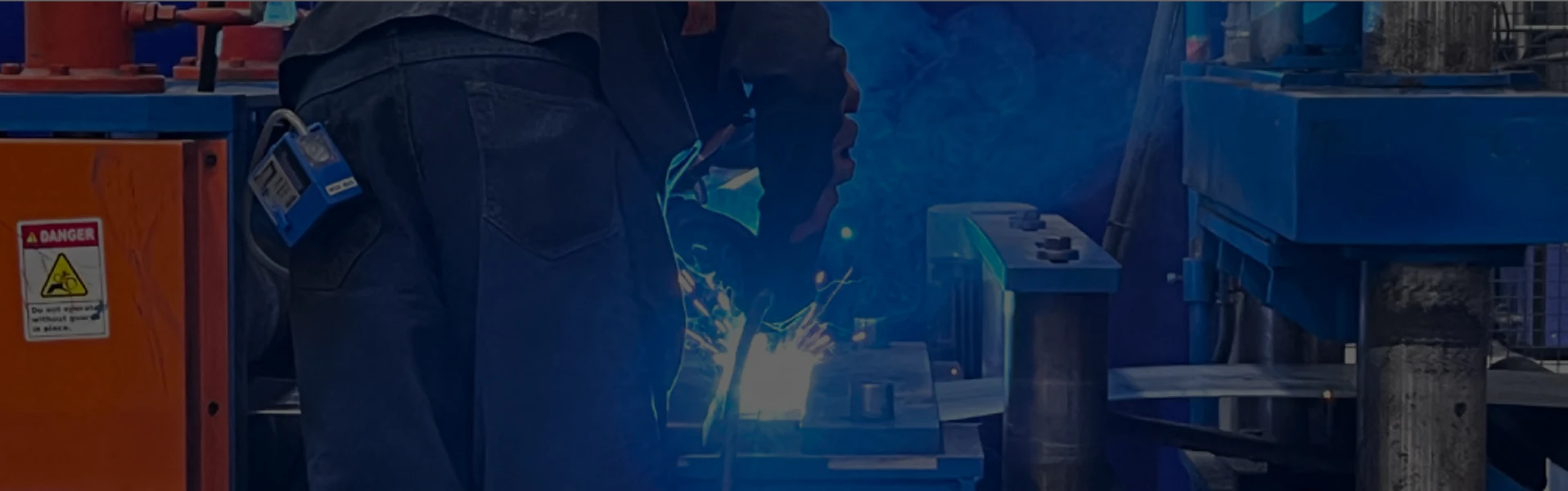
Welding Electrode Condition: Inspect electrodes in steel tube making machinewelding units for wear or corrosion. Replace electrodes when they show signs of pitting or reduced conductivity, as damaged electrodes cause weld defects. HEBEI AIS MACHINERY EQUIPMENT CO.,LTD. supplies replacement electrodes optimized for their steel tube making machine models, ensuring consistent performance.
Weekly Maintenance Tasks
Cleaning Weld Zones: Remove spatter and debris from steel tube making machineweld zones weekly to prevent buildup that can interfere with current flow. Use a wire brush and specialized cleaning solvents to avoid damaging sensitive components. HEBEI AIS MACHINERY EQUIPMENT CO.,LTD. offers weld zone cleaning kits tailored to their steel tube making machine systems, including non-abrasive tools that protect critical surfaces.
Tension Control Calibration: Check and calibrate the material tension controls on the steel tube making machineto ensure consistent feed rates. Fluctuating tension causes material wrinkling or stretching, affecting tube quality. HEBEI AIS MACHINERY EQUIPMENT CO.,LTD.’s steel tube making machine models feature digital tension readouts that simplify calibration, with recommended settings based on material thickness.
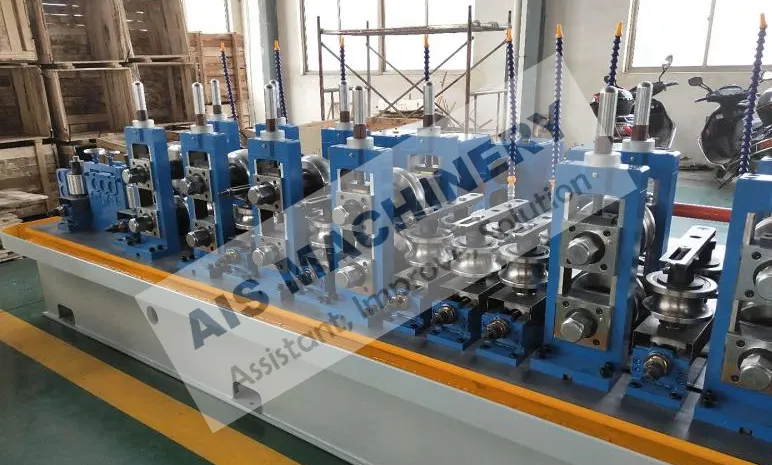
Steel Pipe Manufacturing Machine Component-Specific Maintenance
Welding System Maintenance
High-Frequency Transformer Care: The high-frequency transformer is a critical component in steel pipe manufacturing machinewelding systems, requiring monthly inspections for overheating or insulation damage. Keep transformer cooling fins clean and ensure airflow is unobstructed. HEBEI AIS MACHINERY EQUIPMENT CO.,LTD. advises replacing transformer oil annually in their steel pipe manufacturing machine models to maintain dielectric strength and cooling efficiency.
Weld Roll Maintenance: steel pipe manufacturing machineweld rolls must be inspected for wear weekly, as uneven surfaces cause poor weld penetration. Resurface rolls when wear exceeds 0.5mm, and replace them entirely after 12 months of continuous use. HEBEI AIS MACHINERY EQUIPMENT CO.,LTD. provides precision-ground replacement weld rolls for their steel pipe manufacturing machine systems, ensuring optimal weld quality.
Cutting and Sizing Unit Maintenance
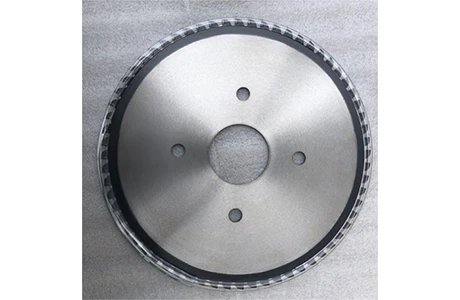
Blade Sharpening Schedule: steel pipe manufacturing machinecutting blades require sharpening every 500–1000 cuts, depending on material hardness. Dull blades cause burrs and uneven pipe ends, increasing post-processing work. HEBEI AIS MACHINERY EQUIPMENT CO.,LTD.’s steel pipe manufacturing machine models include blade wear indicators that alert operators when sharpening is needed, preventing quality issues.
Sizing Die Inspection: Inspect sizing dies in steel pipe manufacturing machinesystems monthly for cracks or deformation, which can alter pipe dimensions. Clean dies thoroughly after each shift to remove material buildup, using a soft brush and solvent. HEBEI AIS MACHINERY EQUIPMENT CO.,LTD. recommends applying a thin layer of anti-corrosion oil to dies during storage or extended downtime.
Metal Pipe Making Machine Preventive Maintenance
Preventing Corrosion in Metal Components
Environmental Controls: metal pipe making machinesystems are susceptible to corrosion in humid or coastal environments, requiring dehumidification systems to maintain relative humidity below 60%. Apply anti-rust coatings to exposed metal surfaces quarterly, focusing on unpainted areas like roller shafts and frame joints. HEBEI AIS MACHINERY EQUIPMENT CO.,LTD. offers corrosion-resistant metal pipe making machine models with galvanized frames and stainless steel components for high-moisture settings.
Water Cooling System Maintenance: metal pipe making machinecooling systems, used to cool weld zones and hydraulic components, require bi-annual cleaning to remove scale and sediment. Use a descaling solution compatible with the system’s materials, then flush thoroughly with clean water. HEBEI AIS MACHINERY EQUIPMENT CO.,LTD.’s metal pipe making machine cooling systems include filters that should be replaced monthly to prevent debris from clogging lines.
Hydraulic and Pneumatic System Care
Hydraulic Fluid Maintenance: metal pipe making machinehydraulic systems require fluid analysis every 6 months to check for contamination or degradation. Replace hydraulic fluid annually, and change filters whenever fluid is replaced. HEBEI AIS MACHINERY EQUIPMENT CO.,LTD. specifies ISO 46 hydraulic oil for their metal pipe making machine models, ensuring optimal performance of pumps and cylinders.
Pneumatic System Checks: Inspect metal pipe making machinepneumatic lines for leaks weekly, using a soapy water solution to identify bubbles at connections. Drain moisture separators daily to prevent water from entering valves and cylinders. HEBEI AIS MACHINERY EQUIPMENT CO.,LTD. recommends installing automatic drain valves on their metal pipe making machine pneumatic systems to reduce maintenance time and improve reliability.
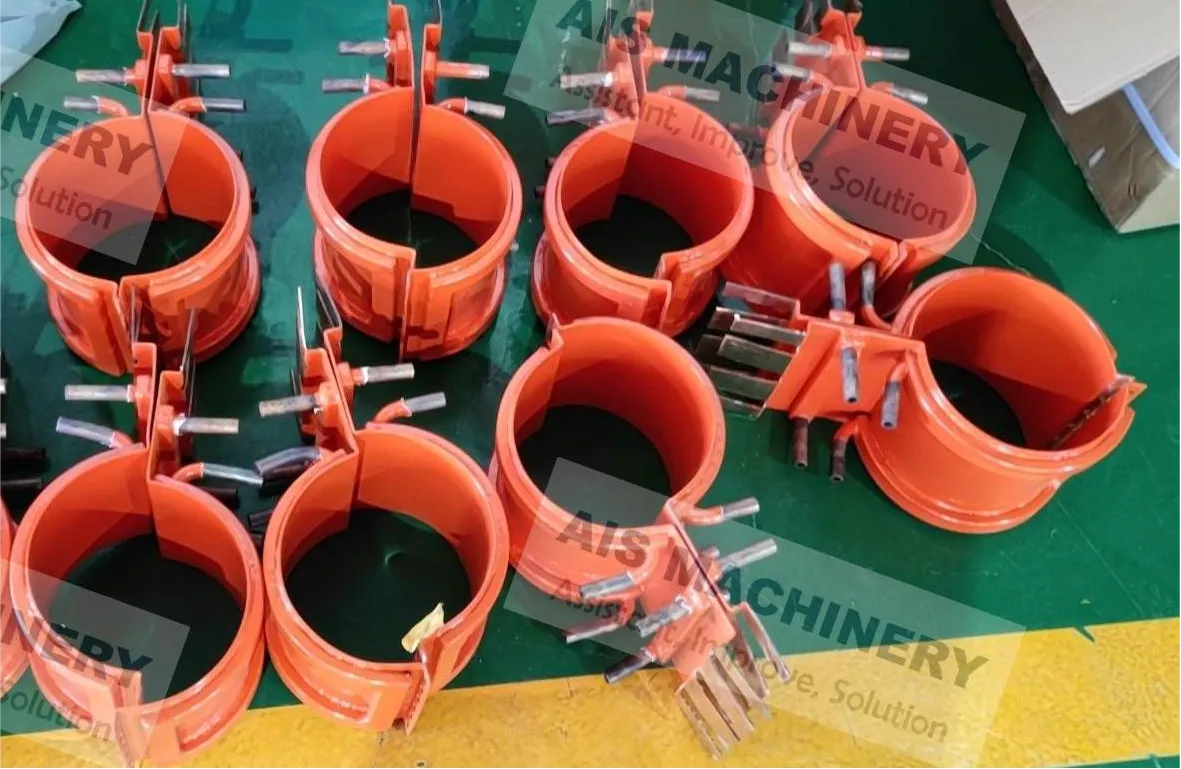
Table: Maintenance Schedule for Pipe Making Equipment
|
Equipment Component |
Inspection Frequency |
Maintenance Task |
steel tube making machine Specific Notes |
|
Forming Rollers |
Daily |
Check alignment, clean debris |
Use laser alignment tool for precision |
|
Welding Electrodes |
Weekly |
Inspect for wear, clean contact surfaces |
Replace when pitting exceeds 0.3mm |
|
Hydraulic Fluid |
6 Months |
Analyze for contamination, replace if needed |
Use ISO 46 oil for steel tube making machine models |
|
High-Frequency Transformer |
Monthly |
Check for overheating, clean cooling fins |
Replace oil annually in steel pipe manufacturing machine |
|
Pneumatic Lines |
Weekly |
Test for leaks, drain moisture separators |
Use soapy water solution for leak detection |
Steel Tube Making Machine FAQS
How often should steel tube making machine rollers be replaced?
steel tube making machine rollers should be replaced every 12–18 months under normal operating conditions, depending on usage intensity and material type. Rollers processing abrasive materials like high-carbon steel may need replacement every 6–9 months. HEBEI AIS MACHINERY EQUIPMENT CO.,LTD. recommends inspecting rollers weekly for wear patterns; if uneven wear exceeds 1mm, replacement is necessary to maintain tube dimensional accuracy. Regular lubrication and alignment checks can extend roller lifespan in steel tube making machine systems.
What is the best way to maintain weld quality in a steel pipe manufacturing machine?
Maintaining weld quality in a steel pipe manufacturing machine requires regular maintenance of the welding system, including weekly inspection of weld rolls for wear, monthly cleaning of the high-frequency transformer, and daily calibration of welding current and pressure settings. HEBEI AIS MACHINERY EQUIPMENT CO.,LTD. advises using their proprietary weld roll cleaning solution to remove spatter buildup, which can cause poor electrical contact. Additionally, annual replacement of welding cables and periodic testing of the high-frequency generator ensure consistent weld penetration in steel pipe manufacturing machine operations.
How can corrosion be prevented in a metal pipe making machine?
Preventing corrosion in a metal pipe making machine involves controlling environmental humidity (keeping it below 60%), applying anti-rust coatings to exposed metal surfaces quarterly, and using galvanized or stainless steel components where possible. HEBEI AIS MACHINERY EQUIPMENT CO.,LTD.’s metal pipe making machine models include corrosion-resistant options with zinc-plated frames and sealed bearings. Regular cleaning of moisture-prone areas, such as cooling system drains and hydraulic reservoirs, also helps prevent rust and extends the metal pipe making machine’s operational life.
What maintenance is required for the cutting system of a steel tube making machine?
The cutting system of a steel tube making machine requires frequent maintenance, including sharpening or replacing blades every 500–1000 cuts, cleaning cutting guides daily to remove debris, and lubricating moving parts weekly. HEBEI AIS MACHINERY EQUIPMENT CO.,LTD. recommends using their specially formulated cutting fluid to reduce friction and blade wear in steel tube making machine systems. Additionally, checking the cutting unit alignment monthly ensures square, burr-free cuts, reducing the need for post-processing and maintaining production efficiency.
How do I troubleshoot uneven material feeding in a metal pipe making machine?
Uneven material feeding in a metal pipe making machine is often caused by worn feed rollers, improper tension settings, or debris in the material path. To troubleshoot, first inspect and clean the feed rollers, removing any accumulated material. Then, recalibrate the tension controls using the metal pipe making machine’s digital readout, following HEBEI AIS MACHINERY EQUIPMENT CO.,LTD.’s recommended settings for the specific material thickness. If issues persist, check for worn drive belts or motor slippage, as these can also cause inconsistent feeding in metal pipe making machine operations.
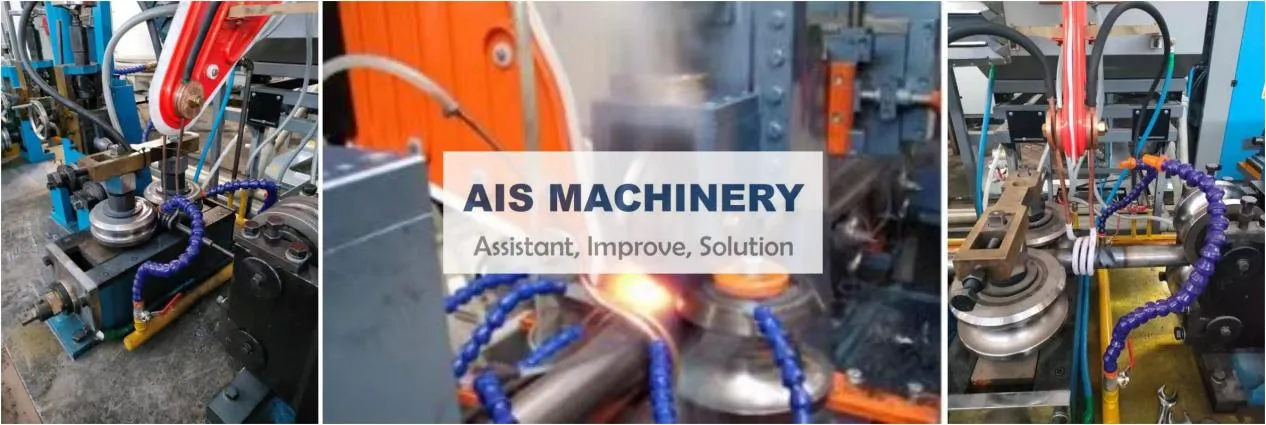
Effective maintenance of steel tube making machine, steel pipe manufacturing machine, and metal pipe making machine systems is a critical investment in operational efficiency and product quality. By following a structured maintenance schedule—from daily inspections of forming rollers to annual hydraulic fluid replacement—customers can minimize downtime, extend equipment lifespan, and ensure consistent tube and pipe production. HEBEI AIS MACHINERY EQUIPMENT CO.,LTD.’s commitment to designing maintainable equipment, paired with their comprehensive maintenance guides, empowers wholesalers to support customers in implementing these practices. As a wholesaler, emphasizing the importance of proactive maintenance not only enhances customer success but also strengthens your role as a trusted advisor in the pipe manufacturing industry, fostering long-term partnerships built on reliability and performance.

Related Products

Related News
2027-04-24 00:00:00
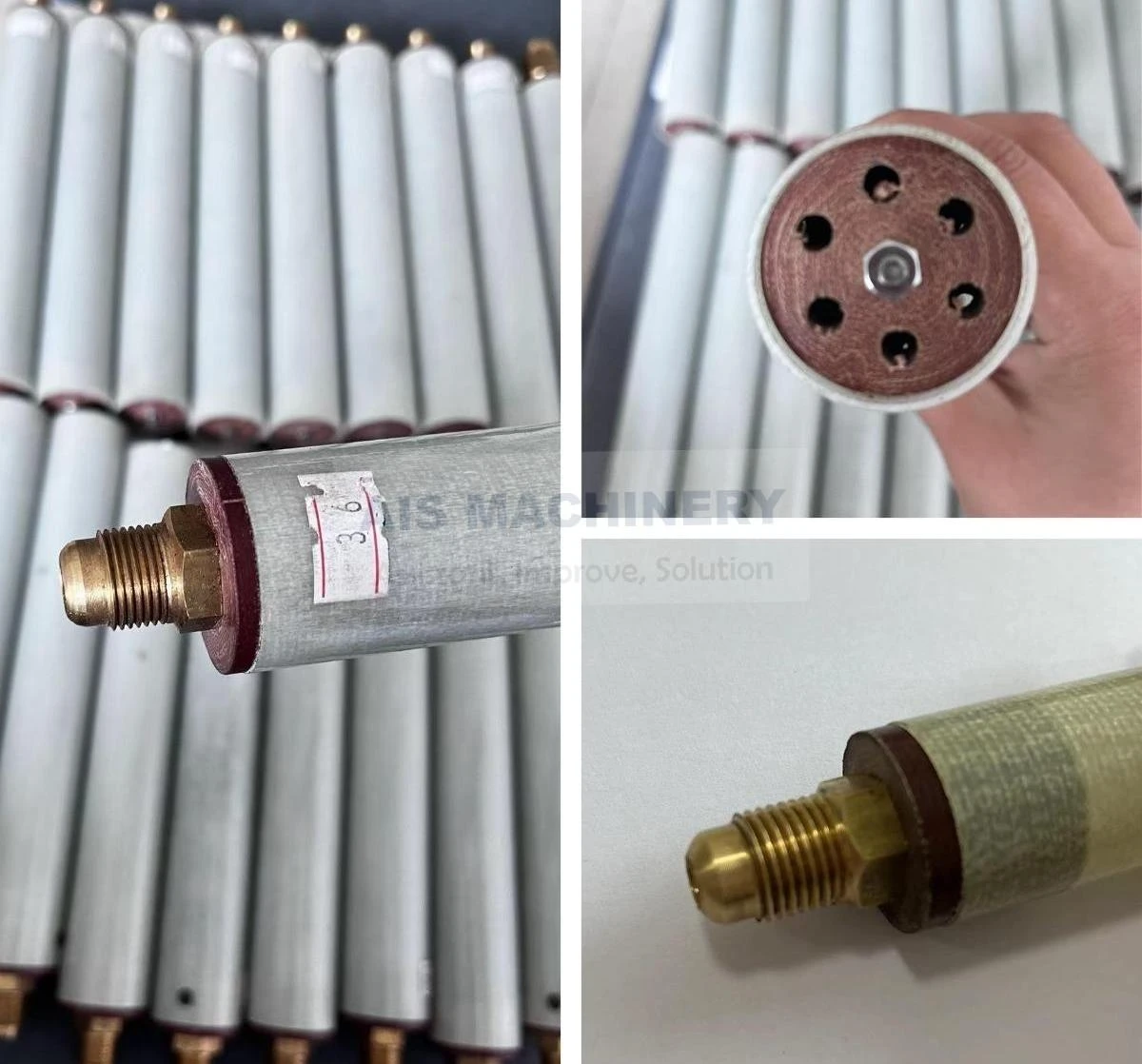
What is an Impeder and Ferrite Rods in ERW Tube Mill?
Struggling with impeder overheating or short service life in your ERW tube mill? This guide explains common impeder problems, the role of ferrite rods, and how to choose the right impeder for stable welding performance. Improve weld quality, reduce energy loss, and extend equipment lifespan with the right selection and proper cooling solutions.
2026-04-21 10:22:25
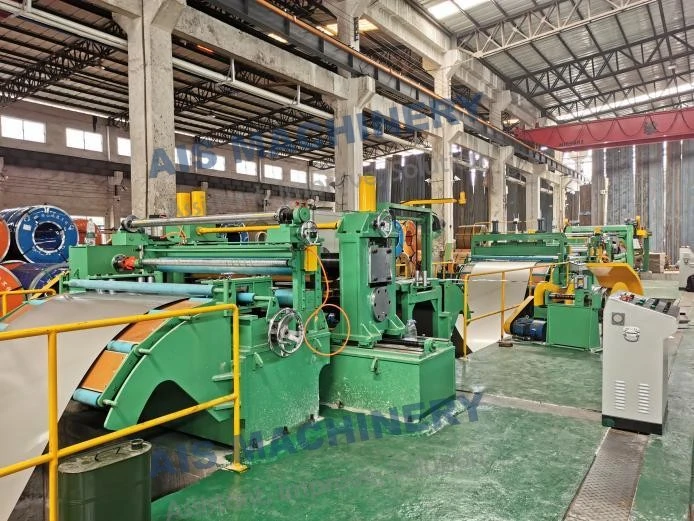
Slitting & Cut-to-Length Combined Production Line: A Smarter Way to Process Steel Coils
Discover the Slitting & Cut-to-Length Combined Production Line, a flexible solution for steel coil processing. This system integrates slitting line and cut-to-length line functions in one machine, saving space, reducing costs, and improving efficiency. Ideal for processing both steel strips and sheets, it is widely used in service centers and manufacturing industries. Learn its advantages, limitations, and applications.
2026-04-18 03:20:20
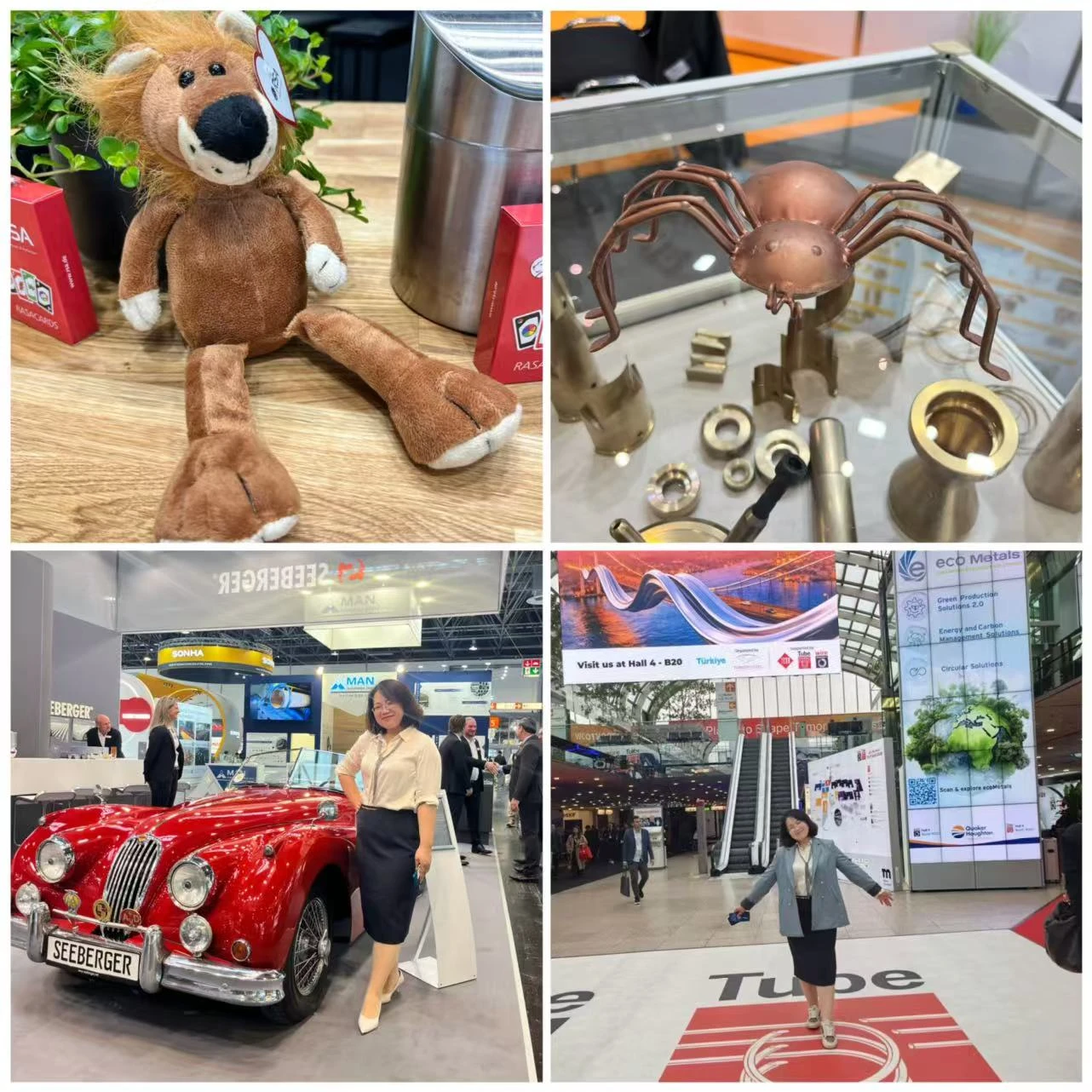
AIS Machinery Showcases Advanced Tube Solutions at Tube & Wire Düsseldorf 2026
Tube & Wire Düsseldorf 2026, one of the most influential exhibitions in the global tube and wire industry, held biennially in Düsseldorf, Germany
2026-04-17 00:00:00
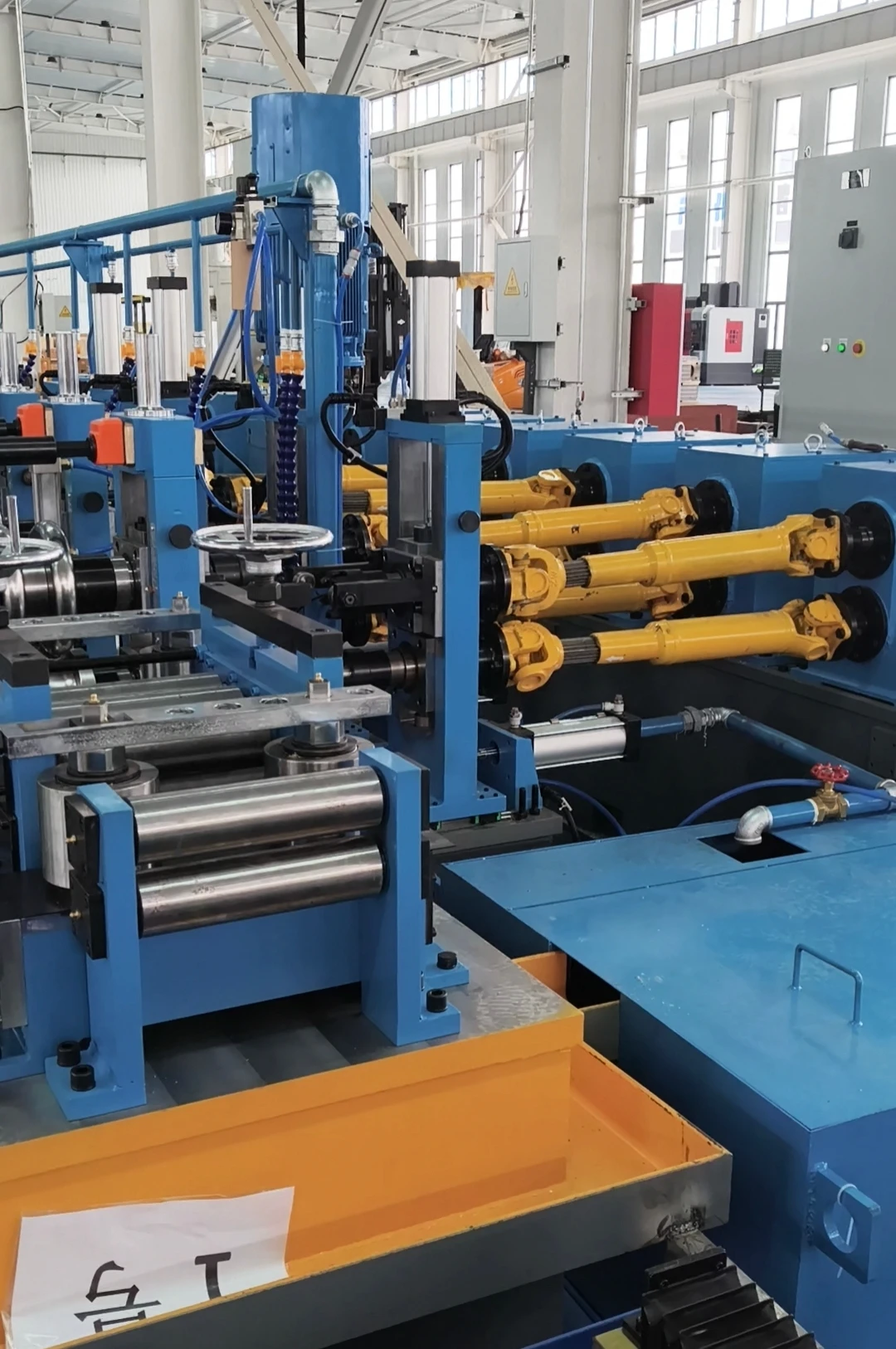
Southeast Asia Client Visits Our Factory | Customized Tube Mill Solution Delivered
A Southeast Asia client visited our ERW tube mill factory to inspect production lines and discuss a customized tube mill solution. Impressed by our machine quality, welding performance, and engineering support, the client confirmed strong cooperation intentions. Discover how our ERW tube mill solutions improve efficiency, precision, and long-term production reliability.
2026-04-15 10:37:55
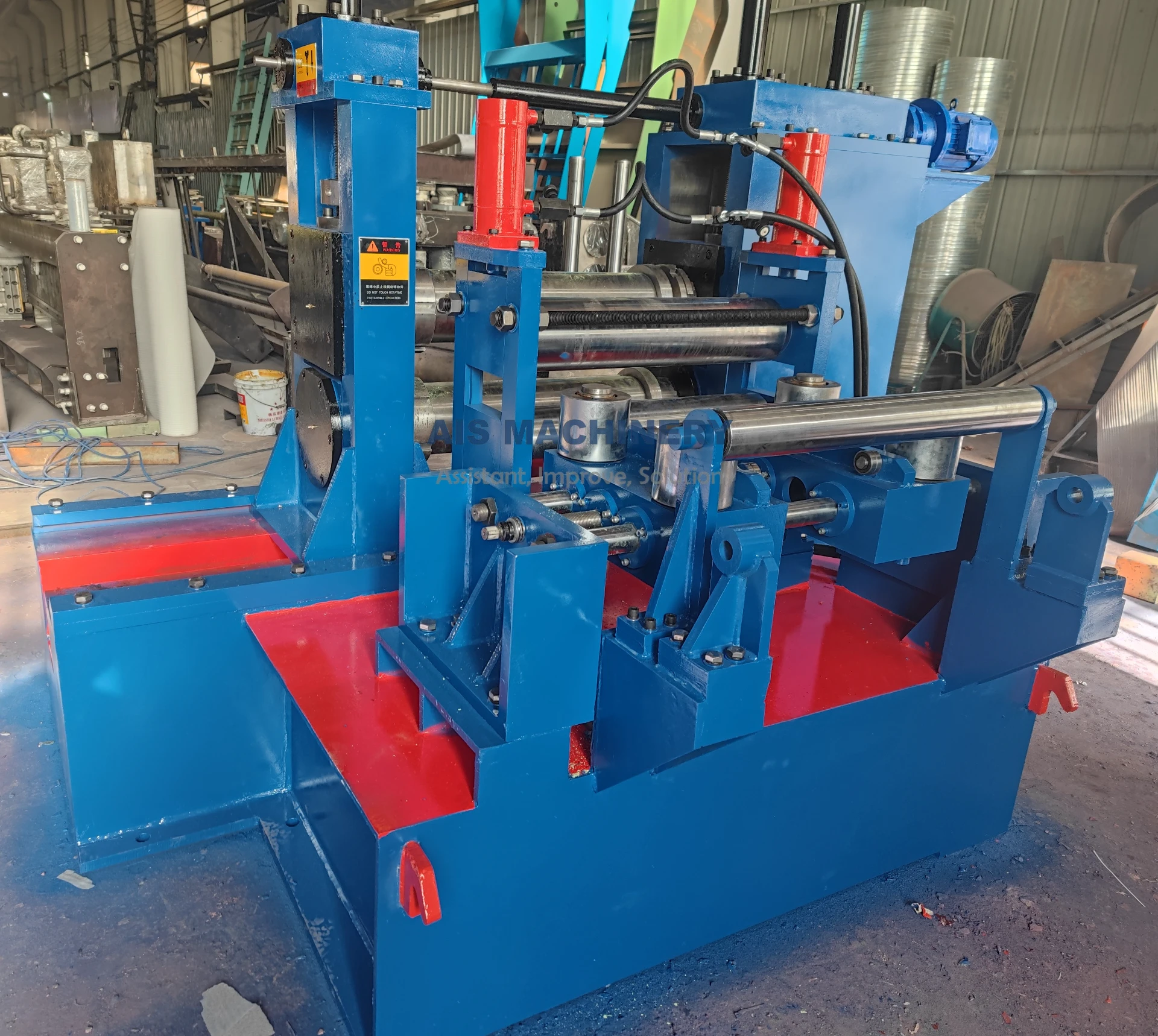
Flat Bar Production Line for Steel Coils: How It Works & Why It Matters
Looking for a flat bar production line? Learn how it turns steel coils into ready-to-use flat bars with precise length and high straightness. Compare it with slitting lines and get the best solution for your steel processing needs.
2026-04-14 00:00:00
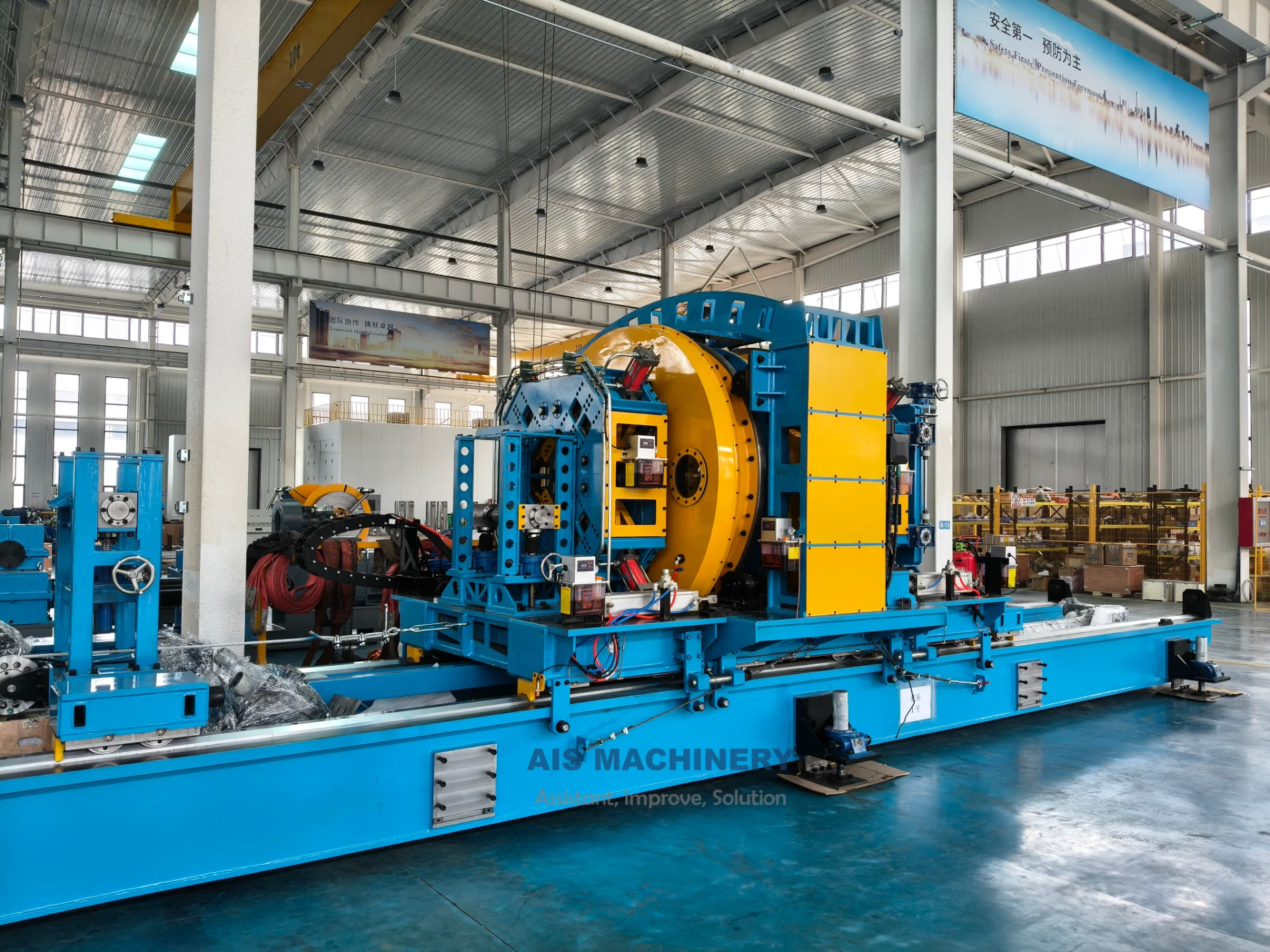
Looking for a Milling Saw for ERW Tube Mill? Here’s What You Need to Know
Looking for a high-performance milling saw for your ERW tube mill? Upgrade to burr-free, high-precision pipe cutting with advanced flying saw technology. Improve efficiency, reduce rework, and meet export standards for carbon steel, stainless steel, and API pipes. Contact us today for expert solutions and competitive pricing tailored to your production needs.
2026-04-09 16:15:19
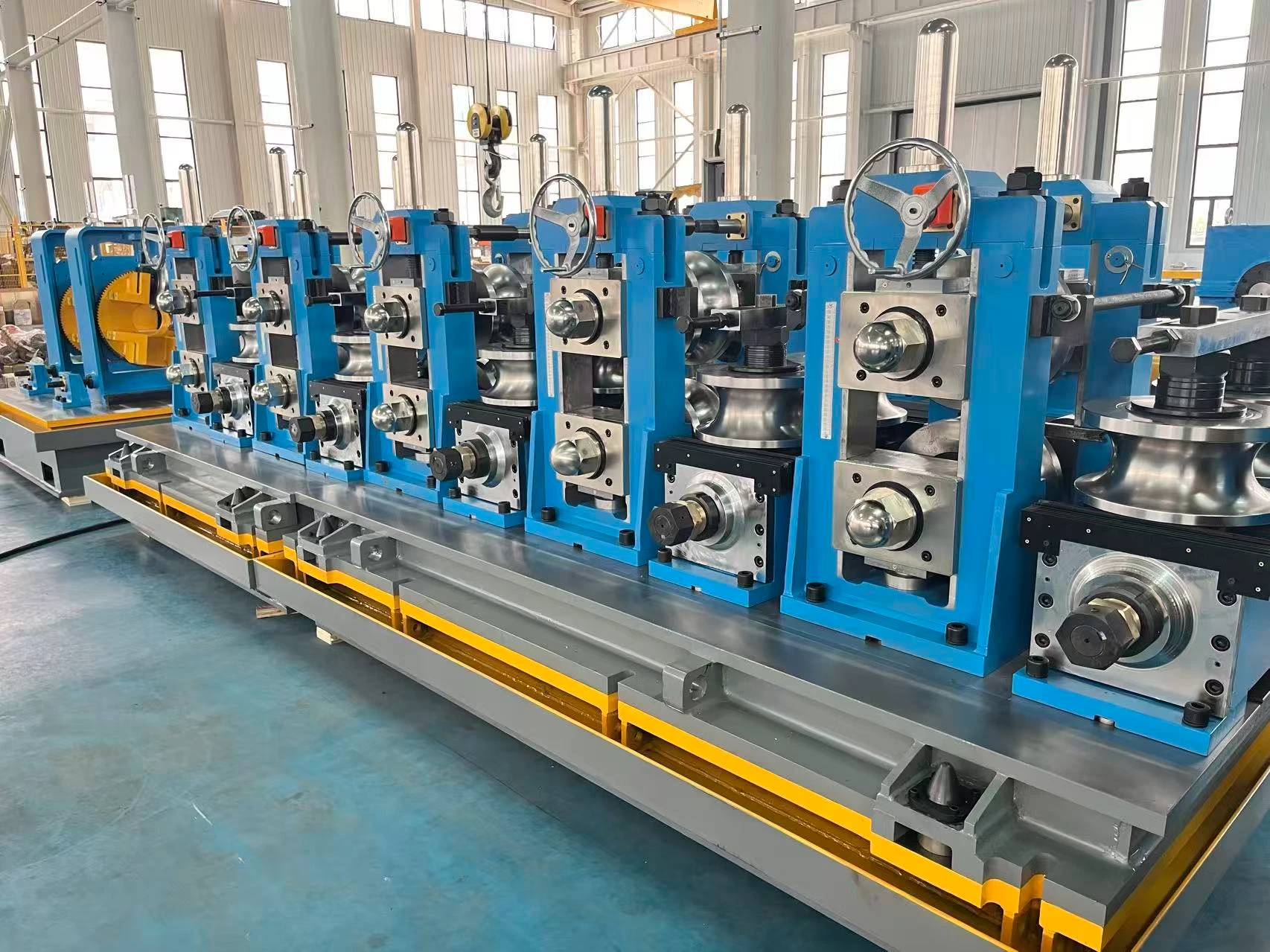
5-Inch (127mm) ERW Tube Making Machine Delivered with Heavy-Duty Design and Advanced Quick Change System
2027-04-07 00:00:00
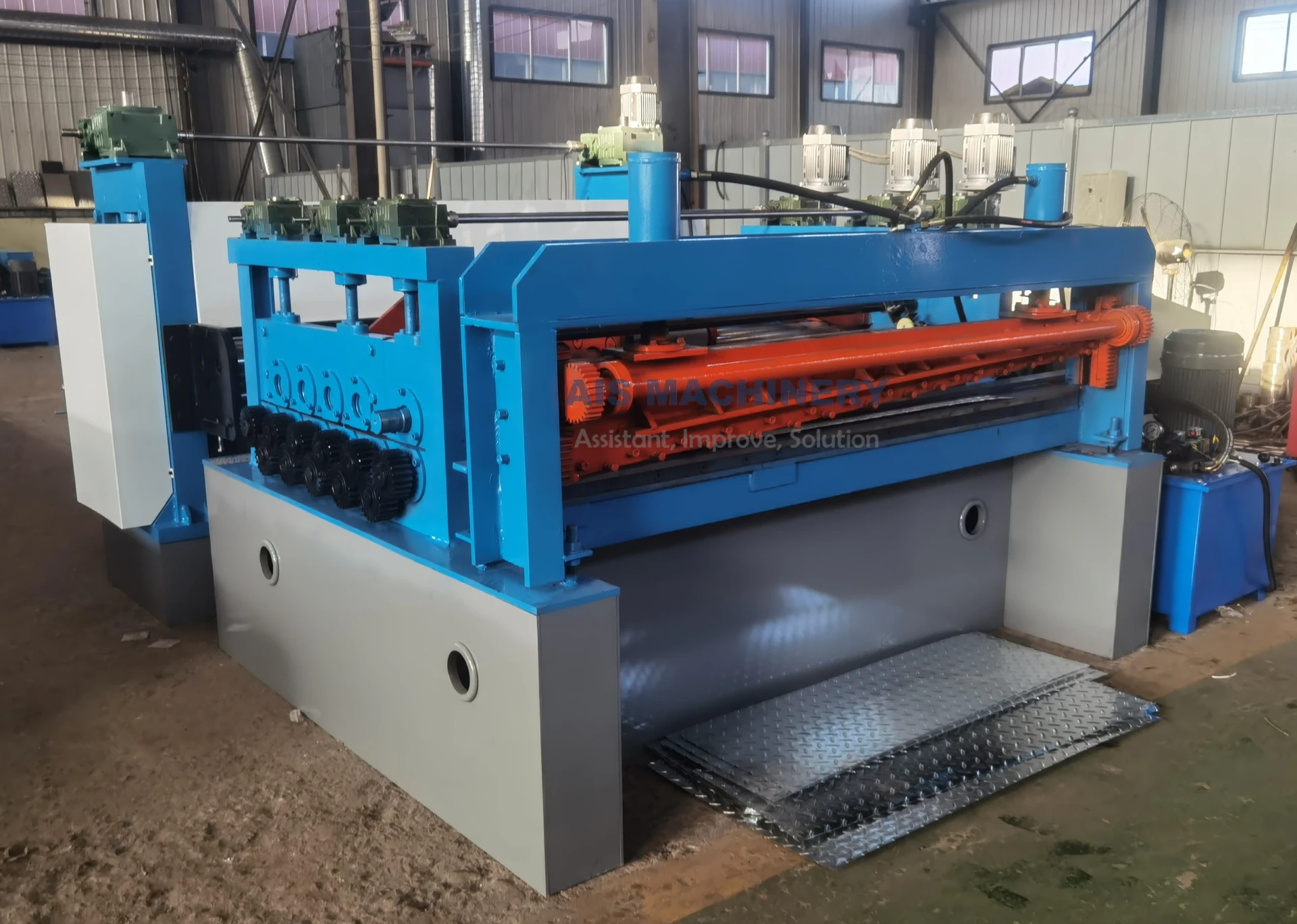
Metal Embossing Machine: Turn Flat Sheets into High-Value Textured Products
Discover how a metal embossing machine transforms flat steel, stainless steel, and aluminum sheets into high-value textured products. Learn about its working principle, key components, and applications. Ideal for decorative and industrial use, embossing machines improve both appearance and performance. Explore complete embossing line solutions and find the right machine for your production needs.
Send a Message
Dear customer, thank you for your attention! We provide high-quality machinery and equipment and look forward to your orders. Please inform us of your needs and we will respond quickly!
 English
  Albanian
  Arabic
  French
  German
  Indonesian
  Italian
  Japanese
  Kazakh
  Korean
  Latin
Latin  Macedonian
  Portuguese
  Russian
  Spanish
  Thai
Thai  Turkish
  Ukrainian
  Uzbek
Uzbek