
-
 Tel:86-15176910262
-

Search

TCT Circular Saw Blades: Precision Cutting & Durability
Sep . 08, 2025 14:30
The Advanced Engineering of TCT Circular Saw Blades
In the realm of industrial cutting, precision, durability, and efficiency are paramount. The evolution of cutting tools has led to the widespread adoption of advanced solutions, among which tct circular saw blades stand out as a cornerstone technology. These Tungsten Carbide Tipped (TCT) blades represent a significant leap from traditional high-speed steel (HSS) alternatives, offering superior performance across a diverse range of demanding applications. This comprehensive overview delves into the intricate world of TCT saw blades, exploring their manufacturing prowess, technical specifications, application versatility, and the strategic advantages they confer upon modern industrial operations. From intricate component fabrication to heavy-duty pipe cutting in critical infrastructure, understanding the capabilities of these blades is essential for optimizing productivity and achieving unparalleled cutting quality in B2B environments.
Industry Trends Shaping the TCT Saw Blade Market
The market for tct circular saw blades is characterized by continuous innovation driven by industrial demands for higher precision, faster processing speeds, and extended tool life. Several key trends are shaping this sector:
- Material Science Advancements: Ongoing research in carbide compositions and blade body alloys leads to tips with enhanced hardness, toughness, and wear resistance. This includes the development of nano-crystalline carbides and advanced binder phases, pushing the boundaries of what TCT saw blades can cut efficiently.
- Coating Technologies: The application of advanced coatings (e.g., TiN, TiAlN, AlCrN) significantly improves friction reduction, heat resistance, and adhesion, extending blade life and enabling dry cutting in more applications. This reduces the need for costly coolants and simplifies cleanup.
- Precision Manufacturing & Automation: The adoption of sophisticated CNC grinding machines and robotic brazing systems ensures unparalleled tooth accuracy, consistency, and optimized tooth geometry. This precision is crucial for achieving tighter tolerances and superior surface finishes in the end product.
- Sustainability and Energy Efficiency: Manufacturers are focusing on blades that enable faster cuts with less power consumption, contributing to energy savings. The extended life of TCT saw blades also means less material waste and reduced disposal frequency, aligning with broader sustainability goals.
- Customization for Niche Applications: A growing demand for application-specific blades, tailored in terms of diameter, tooth count, geometry, and coating, to optimize performance for unique materials like advanced alloys, composites, and specialized plastics. This trend moves away from one-size-fits-all solutions towards highly optimized tooling.
Understanding TCT Circular Saw Blades: Core Technology and Components
At its core, a tct circular saw blades design integrates a robust steel body with individually brazed tungsten carbide tips, a composite known for its exceptional hardness and resistance to abrasion. This strategic combination delivers superior cutting performance and longevity compared to conventional steel blades.
Key Structural Elements:
- Blade Body (Plate): Typically manufactured from high-grade alloy steel, such as 75Cr1 or SKS-5, offering high tensile strength and resilience. The body undergoes precision laser cutting or stamping, followed by advanced heat treatment processes to ensure optimal hardness (HRC 40-45) and flatness, which are critical for preventing deflection and maintaining cutting accuracy. Expansion slots are often incorporated to manage heat buildup and reduce noise during operation.
- Tungsten Carbide Tips: These are the cutting-edge components, composed of tungsten carbide (WC) particles sintered with a cobalt (Co) binder. The specific grade of carbide (e.g., K10, K20, P30) is selected based on the material to be cut, influencing hardness, toughness, and wear resistance. Higher cobalt content generally increases toughness, suitable for interrupted cuts, while lower cobalt offers higher hardness for continuous cutting of abrasive materials.
- Brazing Material: A specialized silver-copper-nickel alloy is used to bond the carbide tips securely to the steel blade body. The brazing process is critical; high-frequency induction brazing ensures a strong, uniform bond that can withstand extreme cutting forces and thermal cycles.
- Tooth Geometry: The shape and angle of the carbide teeth are meticulously designed for specific cutting tasks. Common geometries include:
- Alternate Top Bevel (ATB): Teeth are alternately beveled left and right, ideal for clean cuts in wood and non-ferrous metals.
- Triple Chip Grind (TCG): Features an alternating trapezoidal tooth followed by a flat tooth. The trapezoidal tooth pre-cuts, and the flat tooth cleans, making it excellent for cutting harder materials like steel, aluminum, and plastics.
- Flat Top (FT): Simple, robust teeth for fast, rough cuts, often used for ripping wood or cutting soft metals where finish is less critical.
- Conical Grinding (CG): Used for plastic or acrylic sheets to prevent chipping.
- Hook Angle (Rake Angle): The angle of the tooth face relative to the blade's center. Positive hook angles provide aggressive cutting for softer materials, while negative hook angles reduce self-feeding and are safer for harder materials and miter saws.
Manufacturing Process of TCT Circular Saw Blades
The production of high-performance tct circular saw blades is a multi-stage, precision-intensive process, blending advanced metallurgy with state-of-the-art machining and quality control. This ensures each blade meets stringent performance and safety criteria.
- Material Selection and Blank Preparation:
High-quality alloy steel sheets (e.g., 75Cr1, SKS-5) are selected based on their specific chemical composition and mechanical properties. These sheets are then precision laser cut or stamped to form the basic circular blade blank, complete with the arbor hole and expansion slots. Initial flatness and tensioning are also performed at this stage to prevent warping.
- Heat Treatment:
The steel blanks undergo a meticulously controlled heat treatment process, involving hardening and tempering. This process optimizes the blade body's hardness (typically HRC 40-45), toughness, and fatigue resistance, providing a stable foundation for the carbide tips. This stage is crucial for the blade's overall structural integrity and ability to withstand operational stresses.
- Tip Slotting:
Specialized milling machines accurately cut the tip seats into the perimeter of the blade body. The precision of these slots directly impacts the alignment and secure seating of the carbide tips.
- Brazing of Carbide Tips:
Tungsten carbide tips, pre-selected for their specific grade and geometry, are individually placed into the tip seats. Using high-frequency induction brazing technology, a silver-copper-nickel alloy is melted to form a strong, permanent bond between the carbide tip and the steel body. This critical step ensures the tips remain securely affixed even under high cutting forces and temperatures. Post-brazing, a rigorous inspection is carried out to check for braze integrity and tip alignment.
- Precision Grinding (CNC Machining):
This is perhaps the most critical stage for defining the blade's performance. Advanced CNC grinding machines precisely grind each carbide tip to the specified tooth geometry (e.g., ATB, TCG, FT), hook angle, and clearance angles. This ensures razor-sharp cutting edges and consistent tooth height, crucial for smooth, accurate cuts and extended tool life. The grinding process is often multi-axis and uses sophisticated software to maintain exacting tolerances.
- Tensioning and Balancing:
The blade body is meticulously tensioned to counteract centrifugal forces during high-speed rotation, preventing wobbling and ensuring stability. Dynamic balancing is also performed to eliminate vibrations, leading to smoother cuts, reduced noise, and longer machine spindle life. This step is critical for safety and operational efficiency.
- Cleaning, Coating (Optional), and Final Inspection:
Blades are thoroughly cleaned to remove any residue from manufacturing. Some blades receive advanced coatings (e.g., PVD, CVD coatings like TiN or AlCrN) to enhance wear resistance, reduce friction, and improve heat dissipation. A final, comprehensive quality inspection is performed, often utilizing optical measurement systems, to verify all dimensions, tooth geometries, and overall quality against rigorous standards such as ISO 9001:2015 and ANSI B7.1. Only blades passing these stringent checks proceed to packaging.
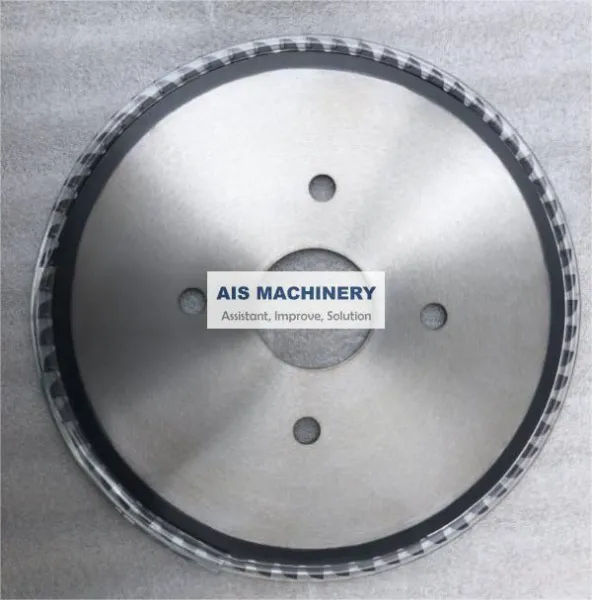
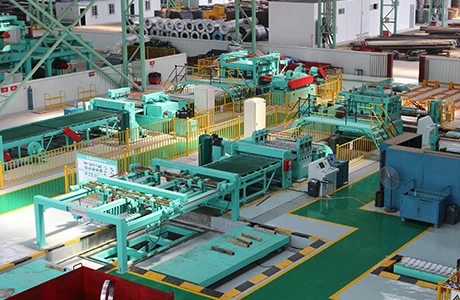
Figure 1: High-precision manufacturing ensures the quality of TCT circular saw blades.
Technical Specifications and Parameters of TCT Circular Saw Blades
Selecting the correct tct circular saw blades necessitates a detailed understanding of its technical specifications. These parameters dictate the blade's suitability for particular materials, cutting speeds, and desired finish.
Key Parameters for TCT Saw Blades:
- Diameter (D): The overall diameter of the blade, determining maximum cutting depth. Common sizes range from 150mm to 800mm and beyond for industrial applications.
- Kerf (B): The width of the cut made by the blade, slightly wider than the blade body due to the carbide tips. A thinner kerf conserves material and reduces power consumption.
- Bore Size (d): The diameter of the arbor hole, matching the spindle of the cutting machine. Standard industrial bores include 30mm, 32mm, 40mm, 50mm, and larger.
- Tooth Count (Z): The number of teeth on the blade. Fewer teeth (e.g., 24-40) are for faster, coarser cuts, while more teeth (e.g., 60-120+) provide smoother finishes.
- Tooth Geometry: As discussed (ATB, TCG, FT), chosen based on material and desired finish.
- Hook Angle (γ): Angle of the tooth face. Positive for aggressive feed, negative for safer, controlled cuts in harder materials.
- Rake Angle: Angle of the cutting edge relative to the radial line.
- Expansion Slots: Laser-cut slots in the blade body to allow for heat expansion and reduce noise.
- Material Compatibility: Specific carbide grades and geometries are optimized for different materials, including steel, aluminum, copper, brass, stainless steel, cast iron, and various plastics.
- Maximum RPM: The maximum rotational speed the blade can safely operate at, specified by the manufacturer.
Typical Product Specification Table for TCT Saw Blades:
| Parameter | Typical Range / Value | Application Relevance |
|---|---|---|
| Blade Diameter (D) | 150 mm - 800 mm | Determines cutting depth, machine compatibility. |
| Kerf (B) | 2.2 mm - 6.0 mm | Material saving, chip evacuation, power demand. |
| Bore Size (d) | 30 mm - 80 mm | Machine arbor compatibility. |
| Tooth Count (Z) | 24 - 120+ | Cut speed vs. finish quality (fewer teeth = faster/rougher, more teeth = slower/smoother). |
| Tooth Geometry | TCG, ATB, FT, CG | Material type, chip formation, heat generation. |
| Hook Angle (γ) | -7° to +18° | Feed rate, safety, material hardness. |
| Carbide Grade | K10, K20, P30, Micro-grain | Hardness, toughness, wear resistance for specific materials. |
| Max RPM | 1,500 - 8,000 RPM | Safe operating speed, machine compatibility. |
| Blade Body Hardness | HRC 40-45 | Stability, resistance to deformation. |
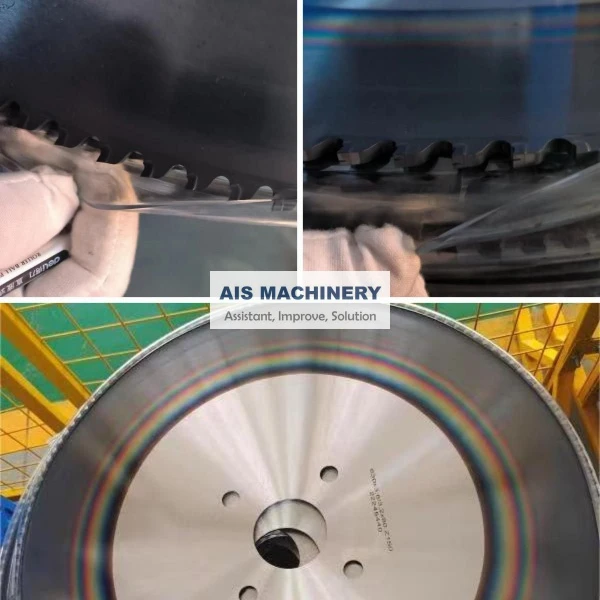
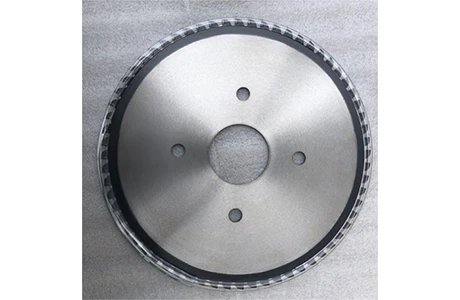
Figure 2: Precision-ground teeth are essential for optimal TCT saw blade performance.
Key Technical Advantages of TCT Circular Saw Blades
The superior design and material composition of tct circular saw blades translate into significant operational advantages that are crucial for modern industrial environments.
- Extended Durability and Service Life: Tungsten carbide tips are significantly harder and more wear-resistant than high-speed steel (HSS), leading to a substantially longer lifespan. This reduces the frequency of blade changes, minimizing downtime and maintenance costs. For instance, in cutting applications involving medium carbon steel, TCT blades can often achieve 5-10 times the life of comparable HSS blades.
- Superior Precision Cutting: The rigidity of carbide tips combined with advanced tooth geometries (like TCG) allows for exceptionally clean, burr-free cuts with tighter tolerances. This is vital for industries where subsequent machining steps need to be minimized, or where component fit-up is critical. A typical tolerance for a TCT cut can be within ±0.1mm, significantly better than other methods.
- Versatility Across Material Spectrum: TCT blades can effectively cut a wider array of materials, from mild steel and structural steel to challenging stainless steels, non-ferrous metals (aluminum, copper), and various composite materials. Specific carbide grades and tooth designs can be optimized for each material, offering unparalleled adaptability.
- Enhanced Efficiency and Energy Saving: The sharpness and optimized geometry of carbide teeth facilitate faster feed rates and cutting speeds, dramatically increasing throughput. Reduced cutting forces also lead to lower power consumption (an estimated 15-20% reduction compared to HSS for similar tasks), contributing to energy savings and reduced operational costs in high-volume production settings.
- Improved Heat Management and Corrosion Resistance: Specialized coatings (e.g., AlCrN) applied to TCT blades enhance their ability to resist heat buildup, reducing thermal degradation and extending tool life, particularly in dry cutting or high-speed applications. For specific environmental conditions, blades can be engineered with corrosion-resistant body materials or coatings, crucial for applications in petrochemical or marine environments where exposure to aggressive substances is common.
- Reduced Noise and Vibration: Precision tensioned blade bodies, combined with advanced anti-vibration slots and silent-running designs, significantly reduce noise levels and vibration during operation. This improves operator comfort, enhances safety, and extends the lifespan of both the blade and the cutting machine.
Application Scenarios and Target Industries
The versatility and robust performance of tct circular saw blades make them indispensable across a multitude of heavy industrial sectors, where high-volume, precise, and reliable cutting is non-negotiable.
- Petrochemical Industry: Used extensively for cutting various pipe materials (carbon steel, stainless steel, alloy steels) for pipeline construction, fabrication of pressure vessels, and structural components. The precision of TCT blades ensures clean cuts that minimize post-processing for welding preparation, and their durability withstands the rigors of continuous operation. Advantages include exceptional corrosion resistance for components handling corrosive media and significant energy savings due to efficient material removal rates in large-scale pipe mills.
- Metallurgy & Steel Tube Mills: Central to the production of steel tubes, profiles, and structural sections. TCT blades are employed in cold saw applications for cutting continuous cast bars, billets, and welded or seamless pipes. The high wear resistance ensures extended blade life in high-volume production lines, reducing tooling costs and maintaining consistent product quality. For instance, in a large tube mill processing 200mm diameter carbon steel pipes, a TCT blade can typically make over 5,000 cuts before needing regrinding, significantly outperforming HSS blades.
- Water Supply & Drainage Infrastructure: For cutting large-diameter ductile iron pipes, PVC, HDPE, and steel pipes used in municipal water and wastewater projects. TCT blades offer the necessary power and clean cutting to handle these diverse materials effectively, ensuring proper joint fitment and long-term system integrity.
- Automotive Manufacturing: Utilized for cutting structural components, chassis parts, exhaust systems, and specialized alloy sections. The precision of TCT blades helps meet strict dimensional tolerances required for automotive assembly, and their ability to cut various metals (including high-strength steels and aluminum alloys) makes them highly adaptable to complex production lines.
- Construction and Fabrication: Essential for cutting rebar, structural steel beams, angle iron, and other construction materials on-site or in fabrication shops. TCT blades provide the robustness needed for these tough applications, offering consistent performance and safety.
- Aerospace Industry: For cutting specialized high-temperature alloys (e.g., Inconel, Titanium) and advanced composites. Custom-engineered TCT blades with specific carbide grades and coatings are developed to handle these challenging materials, where precision and material integrity are paramount.
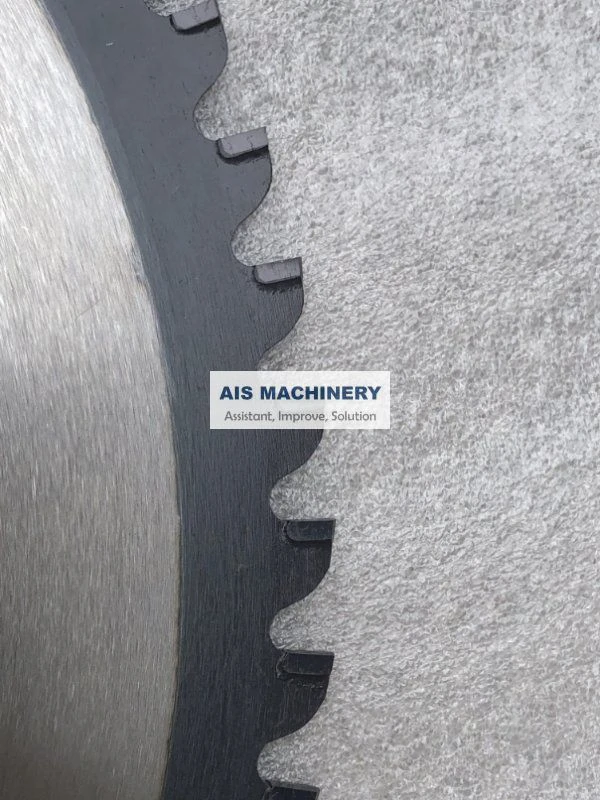
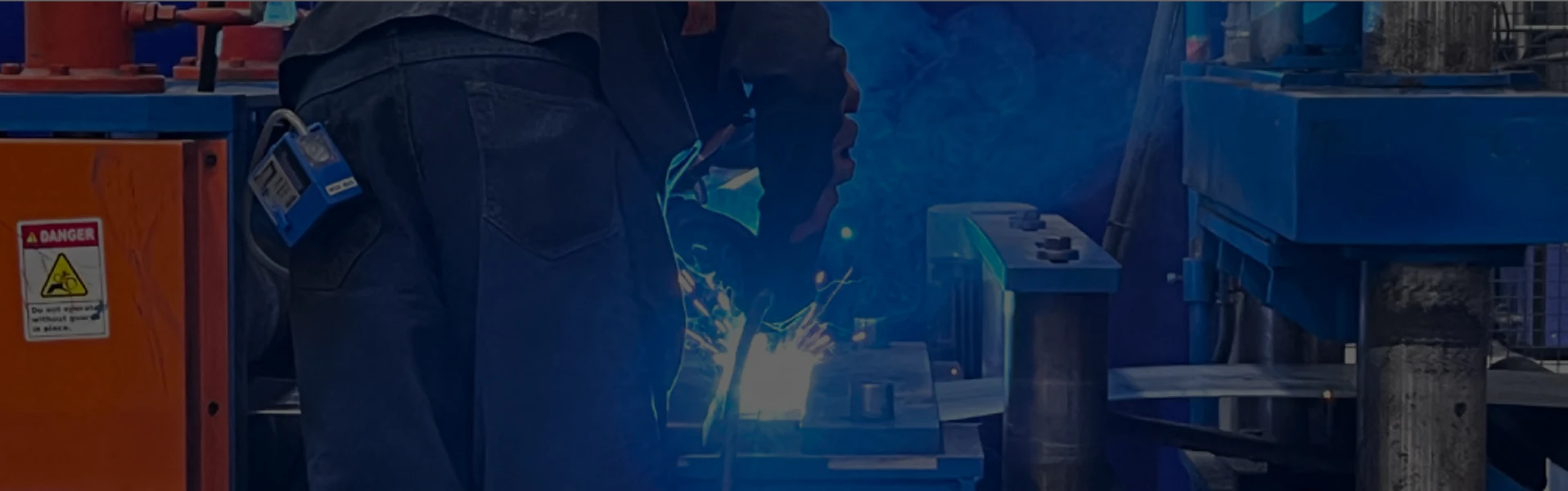
Figure 3: TCT blades are crucial for precision cutting in heavy industrial applications.
Vendor Comparison and Selection Criteria for TCT Circular Saw Blades
Choosing the right supplier for tct circular saw blades is a strategic decision that impacts operational efficiency, cost-effectiveness, and product quality. A thorough vendor comparison should consider several critical factors beyond just initial price.
Key Selection Criteria:
- Material Quality and Sourcing: Assess the quality of the blade body steel and the consistency of tungsten carbide tip sourcing. Reputable vendors use certified materials that meet international standards.
- Manufacturing Precision and Technology: Inquire about the vendor's manufacturing capabilities, including CNC grinding, robotic brazing, and quality control systems. Higher precision in manufacturing directly translates to better blade performance and longer life.
- R&D and Innovation: A vendor with strong R&D capabilities is more likely to offer cutting-edge solutions, including new carbide grades, coatings, and tooth geometries optimized for emerging materials and challenges.
- Product Range and Customization: Evaluate if the vendor offers a comprehensive range of standard blades and the ability to provide customized solutions for specific, challenging applications.
- Certifications and Standards Compliance: Verify adherence to international quality management standards (e.g., ISO 9001:2015) and relevant safety/performance standards (e.g., ANSI B7.1, EN 847-1). These certifications attest to manufacturing consistency and product reliability.
- Technical Support and Expertise: Access to experienced technical support is invaluable for troubleshooting, optimizing blade selection, and understanding performance metrics.
- After-Sales Services: Look for vendors offering regrinding services, prompt delivery, and strong warranty policies.
- Client Testimonials and Case Studies: Evidence of successful partnerships and positive feedback from other B2B clients in similar industries provides strong indicators of a vendor's reliability and performance.
Hypothetical Vendor Comparison Table:
| Feature | Vendor A (Premium) | Vendor B (Mid-Tier) | Vendor C (Cost-Effective) |
|---|---|---|---|
| Carbide Grade Quality | Ultra-fine micro-grain, proprietary blends | Standard micro-grain (K10/K20) | Commercial grade carbide |
| Manufacturing Precision | Robotic CNC grinding, <0.01mm tolerance | Advanced CNC grinding, <0.05mm tolerance | Standard CNC grinding, <0.1mm tolerance |
| Available Coatings | TiAlN, AlCrN, DLC (application specific) | TiN, some specialized coatings | Bare or basic black oxide |
| Customization Options | Full bespoke design, material R&D | Limited modifications to standard designs | Standard catalog only |
| Certifications | ISO 9001:2015, CE, ANSI B7.1 | ISO 9001:2015 | Basic quality control |
| Technical Support | Dedicated engineering support, on-site assistance | Email/phone support | Basic inquiry support |
| Avg. Blade Life (Steel) | Excellent (e.g., 5000+ cuts/regrind) | Good (e.g., 2500-4000 cuts/regrind) | Moderate (e.g., 1000-2000 cuts/regrind) |
Customized Solutions for Specialized Applications
While standard tct circular saw blades cover a broad spectrum of cutting needs, many industrial applications present unique challenges that necessitate bespoke tooling. Leading manufacturers understand this demand and offer comprehensive customization services.
Custom solutions involve tailoring several aspects of the blade to precisely match the material, machine, and desired output:
- Specific Dimensions: Non-standard diameters or bore sizes to fit specialized cutting machines.
- Optimized Tooth Geometry: Developing unique tooth profiles (e.g., variable pitch, specific grind angles) for materials with unusual hardness, ductility, or chip formation characteristics. This is particularly relevant for cutting advanced composites or exotic alloys.
- Proprietary Carbide Grades: Formulating or selecting specialized carbide compositions to maximize wear resistance or toughness for extremely abrasive materials, or those prone to severe work hardening.
- Advanced Coatings: Applying specific PVD or CVD coatings (e.g., diamond-like carbon for non-ferrous, or multi-layer AlCrN for high-temp alloys) to extend life, reduce friction, or facilitate dry cutting in specific environments.
- Noise and Vibration Dampening: Engineering unique expansion slot patterns or filling them with sound-dampening resins for extremely sensitive applications or stringent noise regulations.
This collaborative approach between client and manufacturer ensures that the cutting solution is perfectly matched, leading to superior performance, extended tool life, and significant cost savings over time by reducing material waste and post-processing.
Application Case Studies: TCT Circular Saw Blades in Action
Real-world applications underscore the transformative impact of tct circular saw blades on industrial productivity and quality.
Case Study 1: Large-Diameter Pipe Cutting in Petrochemical Fabrication
A leading petrochemical equipment fabricator faced challenges in cutting large-diameter (up to 600mm) stainless steel pipes (ASTM A312 TP316L) for a new refinery project. Their existing HSS blades were exhibiting excessive wear, requiring frequent changes and regrinds (every 50-70 cuts), leading to significant downtime and inconsistent cut quality with notable burring. This resulted in extensive secondary finishing operations.
- Solution Implemented: Transitioned to custom-engineered TCT saw blades, 650mm diameter, with a TCG tooth geometry, specific carbide grade (P30 equivalent) optimized for stainless steel, and an AlCrN coating for enhanced heat resistance. The blade body was precision-tensioned to minimize vibration.
- Results Achieved:
- Increased Blade Life: Average cuts per blade before regrind increased to over 800, representing a >1000% improvement.
- Enhanced Cut Quality: Virtually burr-free cuts, reducing post-cutting deburring and grinding by 70%.
- Productivity Boost: Overall cutting time reduced by 25% due to faster feed rates and minimized downtime for blade changes.
- Cost Savings: Reduced blade consumption, labor for secondary operations, and lower energy consumption due to optimized cutting parameters led to a 30% reduction in total cutting costs.
Case Study 2: High-Speed Production in a Steel Tube Mill
A high-volume steel tube manufacturer, producing ERW (Electric Resistance Welded) carbon steel tubes (diameter range 50-150mm), aimed to increase throughput and reduce tooling costs. Their existing cutting system, utilizing standard TCT saw blades, achieved approximately 1,500 cuts per regrind, with occasional issues of tooth chipping at peak production speeds.
- Solution Implemented: Partnered with a TCT blade specialist to develop a new blade profile featuring a high-toughness micro-grain carbide grade (K20 equivalent) and a unique tooth geometry designed for efficient chip evacuation at higher surface speeds. The blade body received enhanced tensioning and laser-cut dampening slots.
- Results Achieved:
- Doubled Blade Life: Achieved an average of 3,500-4,000 cuts per regrind, effectively halving tooling consumption.
- Increased Production Speed: Enabled a 15% increase in line speed without compromising cut quality or blade stability.
- Reduced Chipping: The enhanced carbide grade and tooth geometry virtually eliminated tooth chipping, even under aggressive feed conditions.
- Operational Savings: Annual savings in blade purchasing, regrinding, and reduced machine downtime estimated at over $150,000.
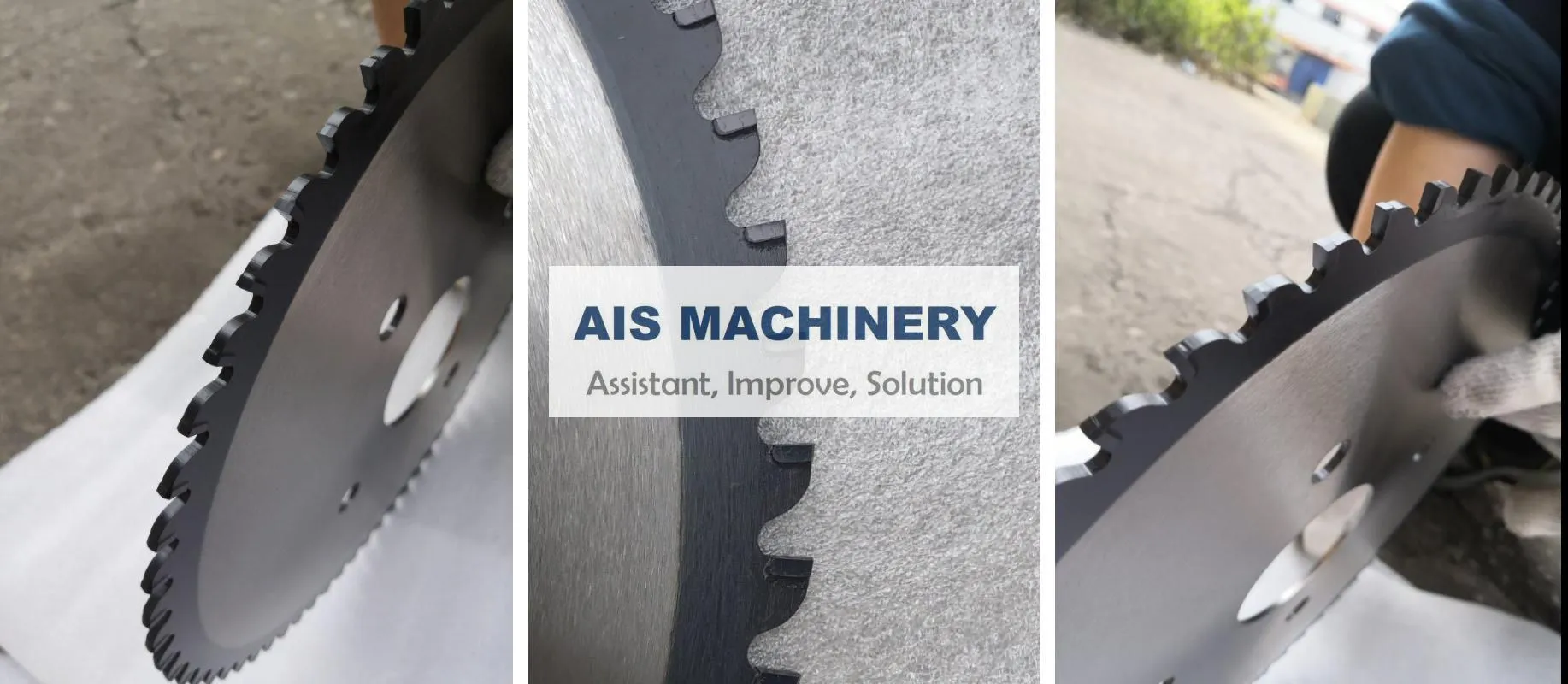
Figure 4: TCT circular saw blades deliver superior performance in demanding tube mill applications.
Ensuring Quality and Reliability: Commitment to Excellence
Our commitment to delivering superior tct circular saw blades is underpinned by a robust framework of quality assurance, adherence to international standards, and a customer-centric approach that fosters long-term partnerships.
- Certifications and Compliance: We rigorously adhere to international quality management systems, holding certifications such as ISO 9001:2015. Our products are designed and manufactured to comply with relevant industry standards like ANSI B7.1 for abrasive wheels safety and EN 847-1 for woodworking tools, ensuring both performance and operational safety.
- Partner Clients & Industry Presence: With over 20 years of experience in the industrial tooling sector, our TCT saw blades are trusted by leading fabricators, tube mills, and manufacturing enterprises across North America, Europe, and Asia. Our extensive client portfolio includes major players in the petrochemical, metallurgy, and automotive industries, reflecting our proven track record of reliability and performance.
- Rigorous Testing and Quality Control: Every blade undergoes multiple stages of stringent quality checks, from raw material inspection to final product validation. This includes metallurgical analysis of steel and carbide, dimensional accuracy checks using optical comparators and CMMs, dynamic balancing, and real-world performance testing in simulated cutting environments. Material traceability is maintained throughout the entire manufacturing process.
- Continuous Improvement & R&D: Our dedicated R&D team continuously explores new materials, coating technologies, and tooth geometries. We collaborate with academic institutions and material science experts to push the boundaries of TCT blade performance, ensuring our customers benefit from the latest advancements.
Frequently Asked Questions (FAQ)
- Q: How do TCT saw blades differ from HSS blades in terms of performance?
A: TCT circular saw blades offer significantly superior hardness and wear resistance due to their tungsten carbide tips, leading to much longer tool life (often 5-10x) and the ability to cut harder, more abrasive materials with greater precision and faster speeds compared to High-Speed Steel (HSS) blades. TCT blades also maintain their sharpness longer under high heat.
- Q: What factors should be considered when selecting the right TCT blade for a specific material?
A: Key factors include the material's hardness, thickness, and composition, the desired cut quality (rough vs. fine finish), and the machine's capabilities. This will dictate the optimal blade diameter, tooth count, tooth geometry (e.g., TCG for steel, ATB for aluminum), carbide grade, and hook angle. Our technical sales team can provide expert guidance.
- Q: Can TCT blades be reground? How many times?
A: Yes, high-quality TCT blades are designed for multiple regrinds. The number of regrinds depends on the initial amount of carbide on the tips and the extent of wear or damage. Typically, a quality TCT blade can be professionally reground 5-15 times, significantly extending its economic life cycle. We offer professional regrinding services.
- Q: What is the typical lead time for custom TCT saw blades?
A: Lead times for custom tct circular saw blades vary based on complexity and current production schedules. Standard custom orders typically range from 4-8 weeks from design approval to delivery. We work closely with clients to meet project deadlines and can expedite orders for critical requirements.
- Q: What kind of warranty do you offer on your TCT saw blades?
A: We stand behind the quality of our TCT saw blades with a comprehensive warranty against manufacturing defects in materials and workmanship. Specific warranty periods and conditions are provided with each purchase. Our customer support team is available to address any concerns promptly.
Lead Time, Fulfillment, and Customer Support
We understand the critical nature of timely delivery and reliable support in industrial operations. Our logistics and customer service are designed to ensure seamless experience for our clients.
- Lead Time & Fulfillment:
- Standard Blades: Typically 1-2 weeks for in-stock items, dispatched from our strategically located warehouses.
- Custom Blades: As detailed in the FAQ, generally 4-8 weeks, depending on design complexity and production queue. Project-specific timelines are provided upon request.
- Logistics: We partner with reputable global freight forwarders to ensure efficient and secure delivery worldwide. Expedited shipping options are available for urgent requirements.
- Warranty Commitments:
All our tct circular saw blades are backed by a robust warranty against manufacturing defects, underscoring our confidence in product quality. Detailed warranty terms and conditions are available upon request and accompany every purchase order. Should any issue arise, our team is committed to swift resolution.
- After-Sales and Technical Support:
Our dedicated customer support team and experienced technical engineers are available to provide comprehensive assistance, including blade selection guidance, troubleshooting, performance optimization, and regrinding advice. We offer responsive service via phone, email, and on-site visits when necessary, ensuring your operations run smoothly.
Conclusion: The Indispensable Role of TCT Circular Saw Blades in Modern Industry
The journey through the intricate world of tct circular saw blades reveals not just a cutting tool, but a sophisticated engineering marvel essential for the efficiency, precision, and economic viability of countless industrial operations. From their meticulous manufacturing process, leveraging advanced metallurgy and CNC precision, to their adaptable technical specifications and significant operational advantages in terms of durability, speed, and cut quality, TCT blades stand as a testament to continuous innovation in industrial tooling. Their pervasive application across critical sectors like petrochemical, metallurgy, and automotive underscores their indispensable role in shaping raw materials into finished products with unparalleled accuracy. As industries evolve and demand ever higher standards of performance and sustainability, the ongoing advancements in TCT saw blade technology will continue to drive productivity and set new benchmarks for cutting excellence, solidifying their position as a core asset in any advanced manufacturing toolkit.
References
- ASM Handbook, Volume 16: Machining. (2006). ASM International. ISBN: 978-0-87170-798-7.
- Schey, J. A. (2000). Introduction to Manufacturing Processes. 3rd Edition. McGraw-Hill. ISBN: 978-0-07246-881-2.
- Sandvik Coromant. (2018). Modern Metal Cutting: A Practical Handbook. 3rd Edition. Sandvik Coromant Press. ISBN: 978-91978255-4-1.
- ISO 9001:2015 - Quality management systems — Requirements. International Organization for Standardization.
- ANSI B7.1-2017: Safety Requirements for the Use, Care, and Protection of Abrasive Wheels. American National Standards Institute.

Related Products

Related News
2027-04-24 00:00:00
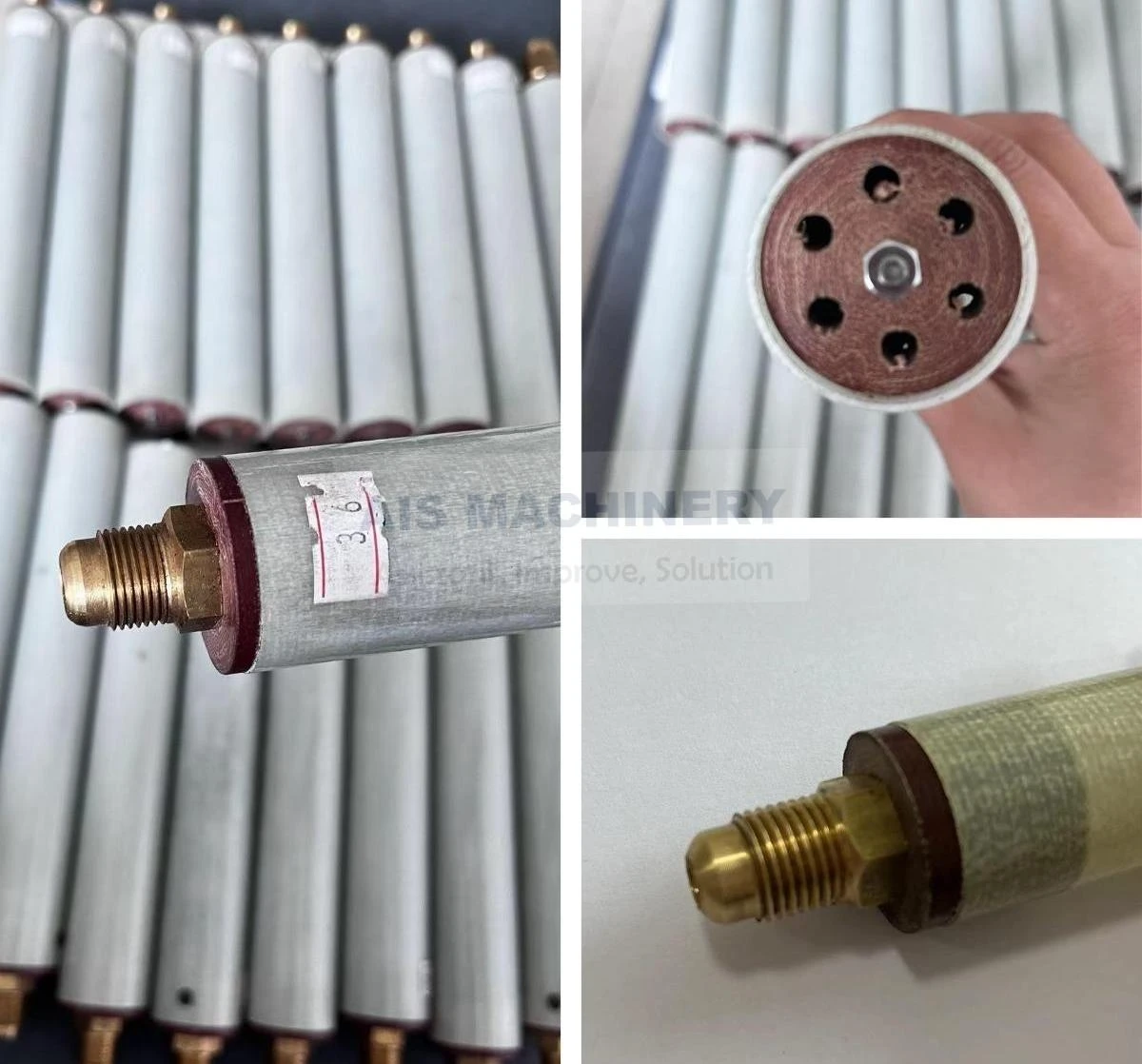
What is an Impeder and Ferrite Rods in ERW Tube Mill?
Struggling with impeder overheating or short service life in your ERW tube mill? This guide explains common impeder problems, the role of ferrite rods, and how to choose the right impeder for stable welding performance. Improve weld quality, reduce energy loss, and extend equipment lifespan with the right selection and proper cooling solutions.
2026-04-21 10:22:25
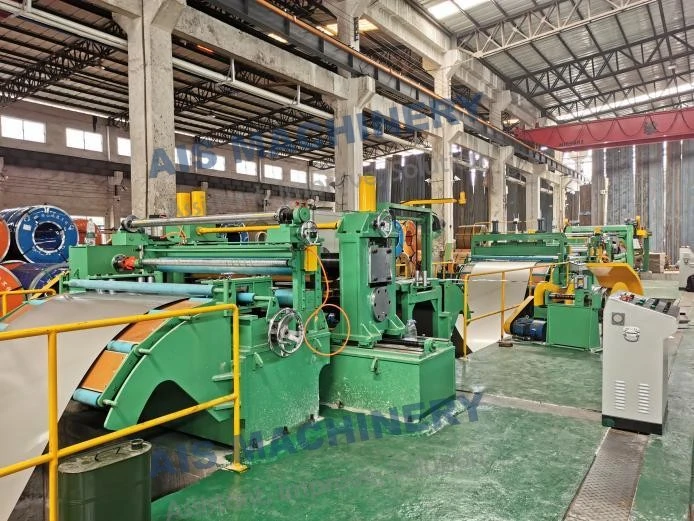
Slitting & Cut-to-Length Combined Production Line: A Smarter Way to Process Steel Coils
Discover the Slitting & Cut-to-Length Combined Production Line, a flexible solution for steel coil processing. This system integrates slitting line and cut-to-length line functions in one machine, saving space, reducing costs, and improving efficiency. Ideal for processing both steel strips and sheets, it is widely used in service centers and manufacturing industries. Learn its advantages, limitations, and applications.
2026-04-18 03:20:20
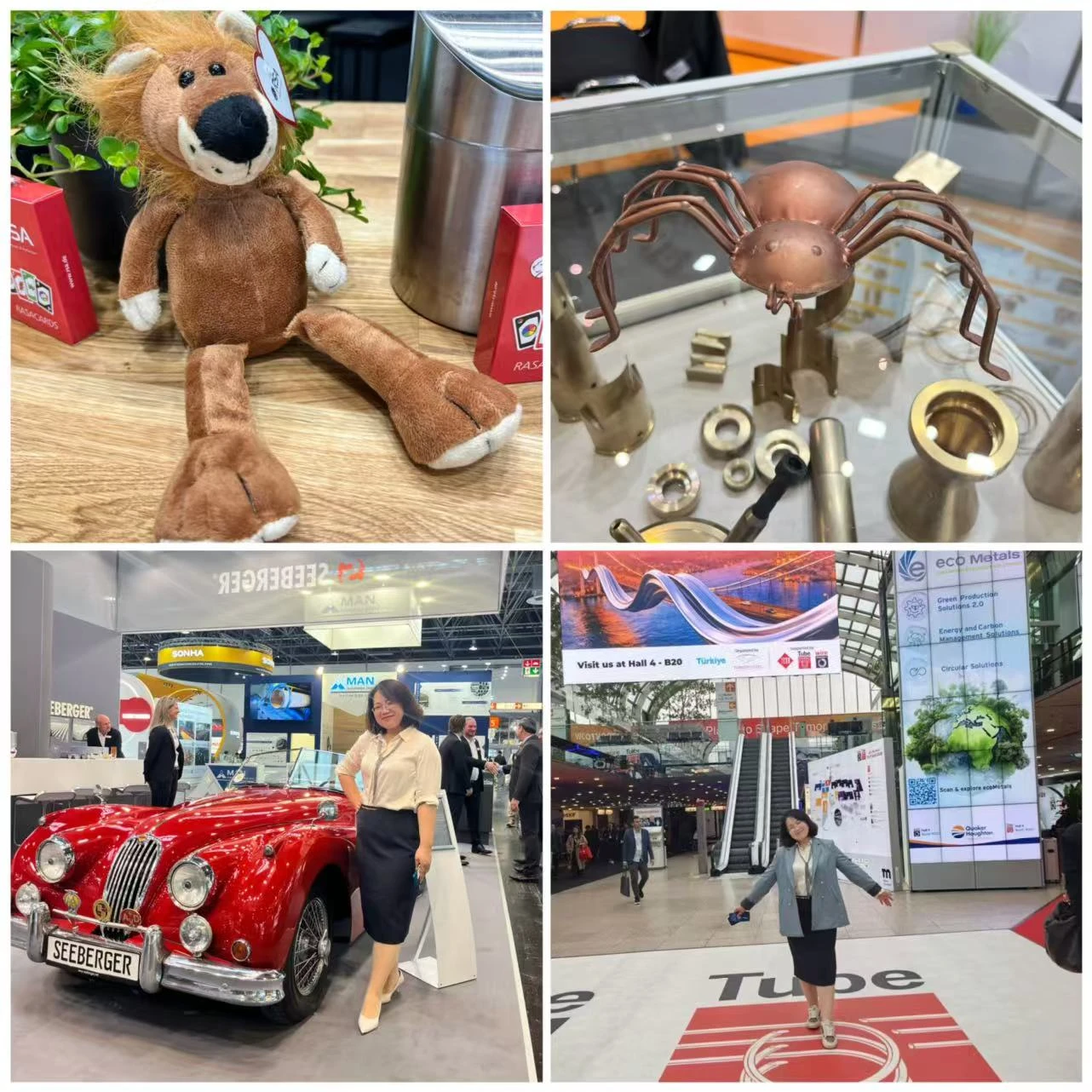
AIS Machinery Showcases Advanced Tube Solutions at Tube & Wire Düsseldorf 2026
Tube & Wire Düsseldorf 2026, one of the most influential exhibitions in the global tube and wire industry, held biennially in Düsseldorf, Germany
2026-04-17 00:00:00
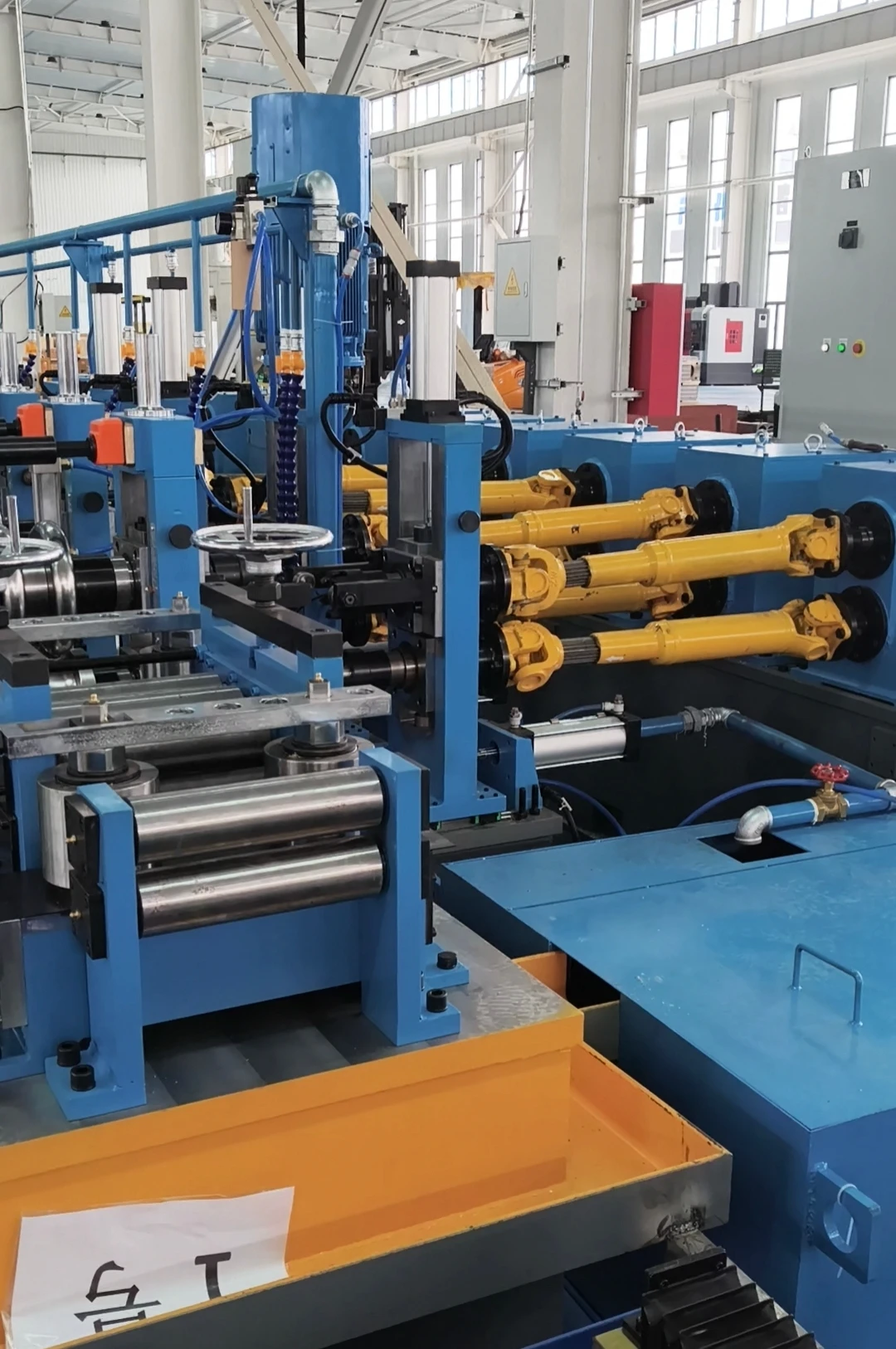
Southeast Asia Client Visits Our Factory | Customized Tube Mill Solution Delivered
A Southeast Asia client visited our ERW tube mill factory to inspect production lines and discuss a customized tube mill solution. Impressed by our machine quality, welding performance, and engineering support, the client confirmed strong cooperation intentions. Discover how our ERW tube mill solutions improve efficiency, precision, and long-term production reliability.
2026-04-15 10:37:55
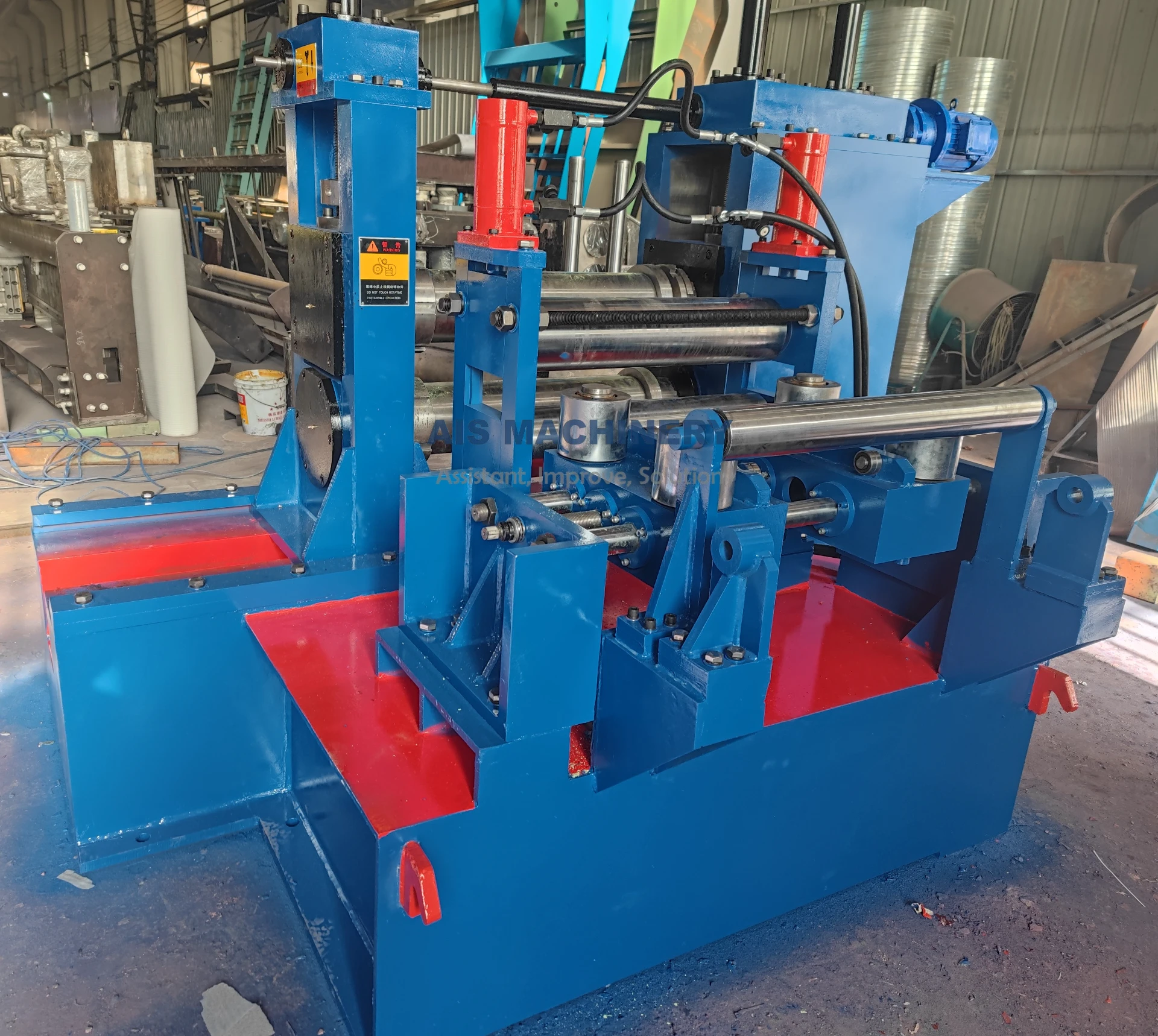
Flat Bar Production Line for Steel Coils: How It Works & Why It Matters
Looking for a flat bar production line? Learn how it turns steel coils into ready-to-use flat bars with precise length and high straightness. Compare it with slitting lines and get the best solution for your steel processing needs.
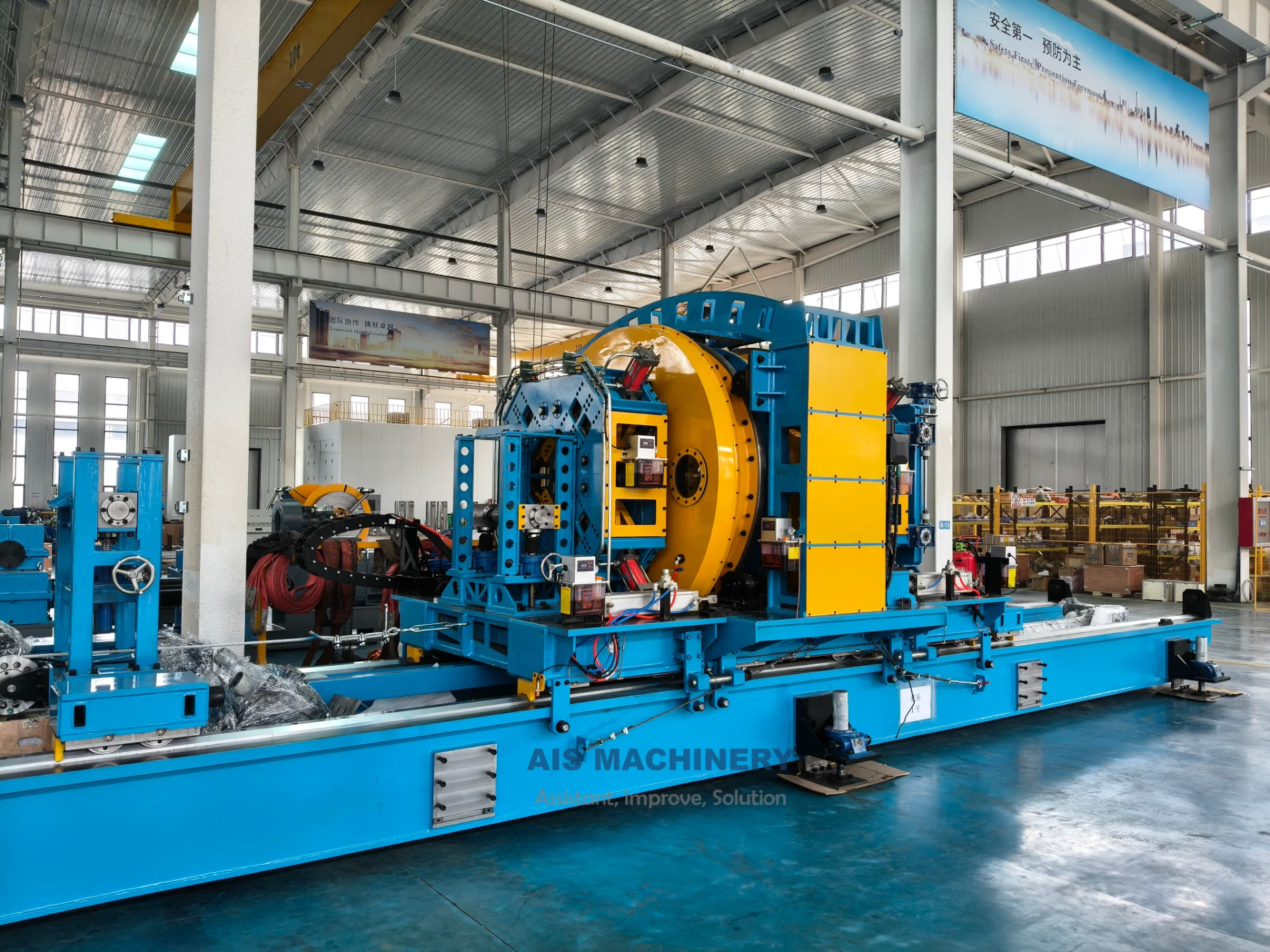
2026-04-14 00:00:00
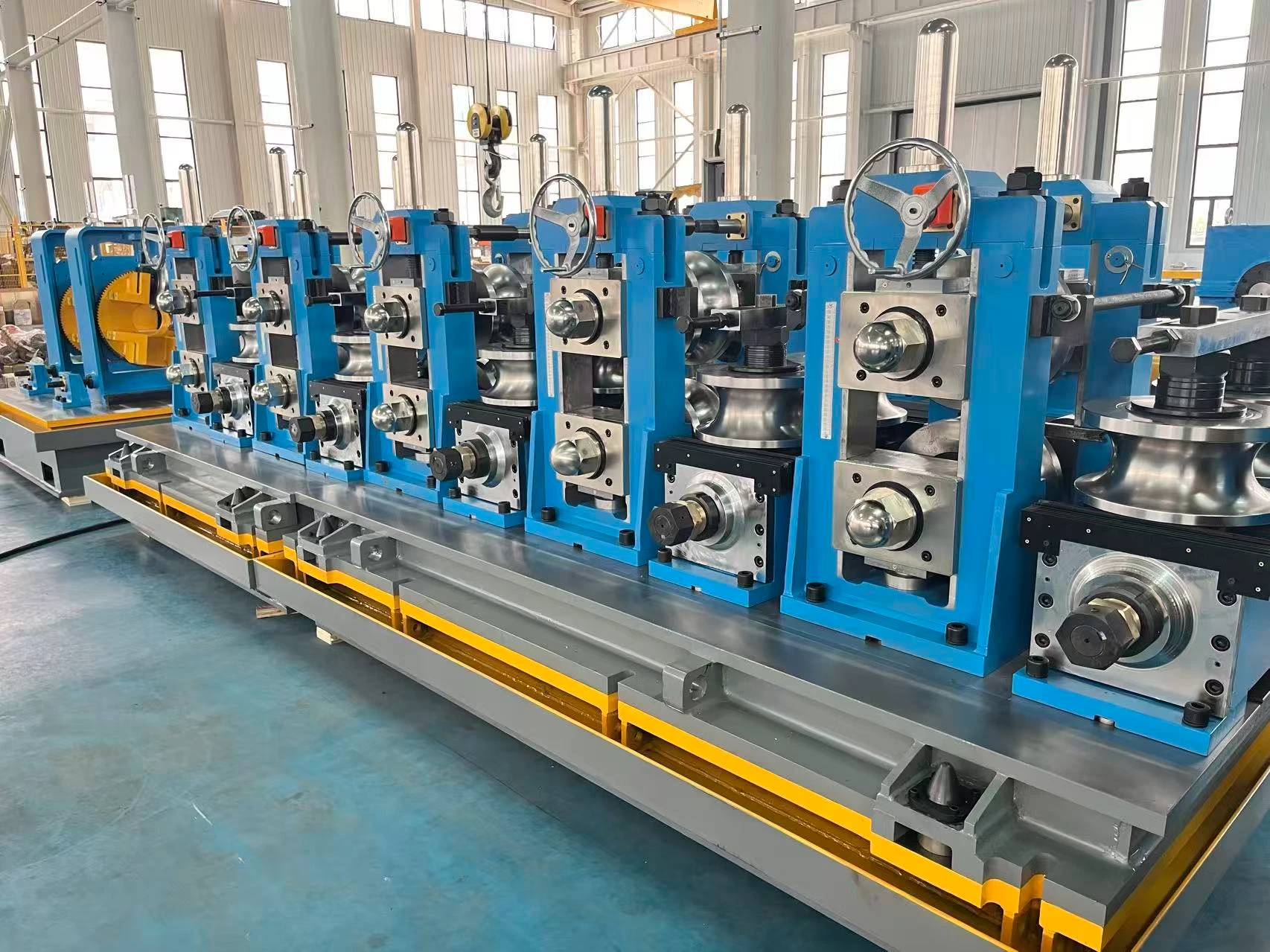
Looking for a Milling Saw for ERW Tube Mill? Here’s What You Need to Know
Looking for a high-performance milling saw for your ERW tube mill? Upgrade to burr-free, high-precision pipe cutting with advanced flying saw technology. Improve efficiency, reduce rework, and meet export standards for carbon steel, stainless steel, and API pipes. Contact us today for expert solutions and competitive pricing tailored to your production needs.
2026-04-09 16:15:19
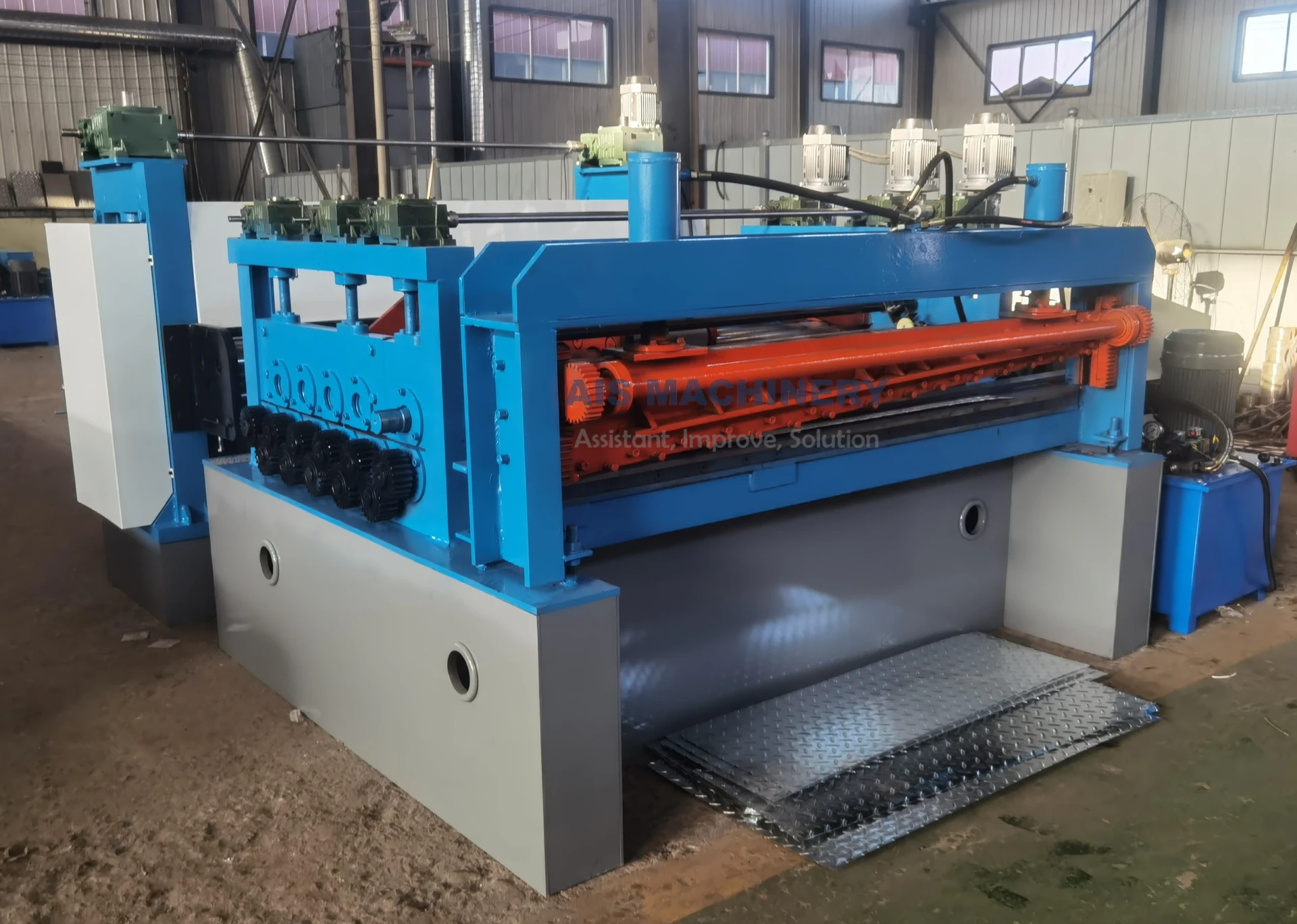
5-Inch (127mm) ERW Tube Making Machine Delivered with Heavy-Duty Design and Advanced Quick Change System
2027-04-07 00:00:00
Metal Embossing Machine: Turn Flat Sheets into High-Value Textured Products
Discover how a metal embossing machine transforms flat steel, stainless steel, and aluminum sheets into high-value textured products. Learn about its working principle, key components, and applications. Ideal for decorative and industrial use, embossing machines improve both appearance and performance. Explore complete embossing line solutions and find the right machine for your production needs.
Send a Message
Dear customer, thank you for your attention! We provide high-quality machinery and equipment and look forward to your orders. Please inform us of your needs and we will respond quickly!
 English
  Albanian
  Arabic
  French
  German
  Indonesian
  Italian
  Japanese
  Kazakh
  Korean
  Latin
Latin  Macedonian
  Portuguese
  Russian
  Spanish
  Thai
Thai  Turkish
  Ukrainian
  Uzbek
Uzbek