
-
 Tel:86-15176910262
-

Search

Tube Mill Accumulator Solutions Reliable Coil & Vertical Integration
May . 08, 2025 06:19
- Overview of Accumulator Systems in Tube Mills
- Technical Superiority in Modern Accumulator Design
- Performance Comparison: Leading Manufacturers Analyzed
- Custom Solutions for Diverse Production Needs
- Operational Data Impact on Mill Efficiency
- Industry Applications Across Multiple Sectors
- Future-Proofing Your Tube Mill Operations
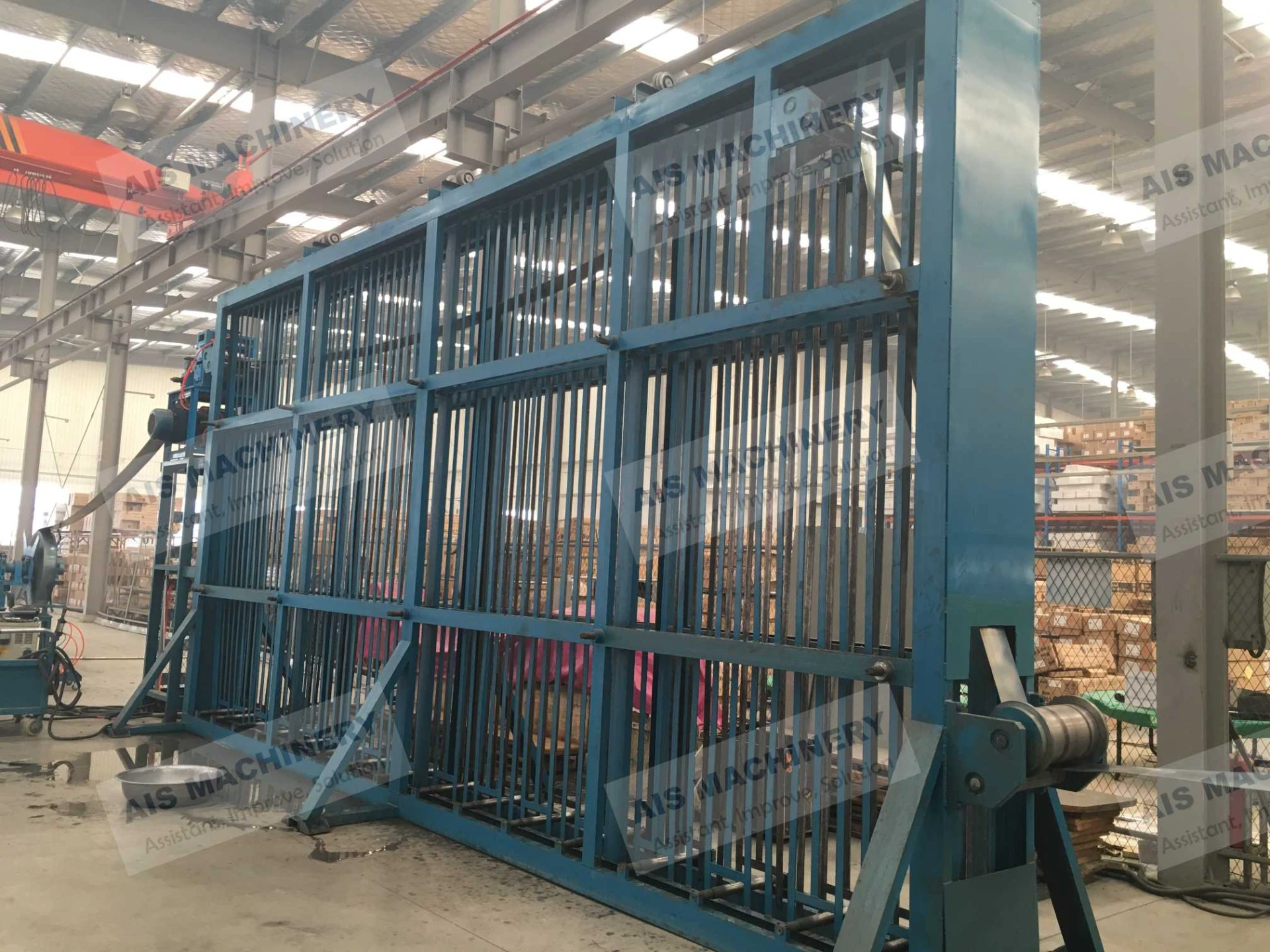
(tube mill accumulator)
Optimizing Tube Mill Accumulator Performance for Industrial Demands
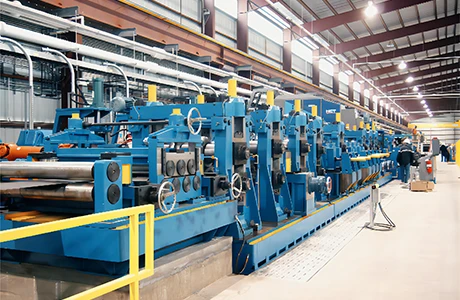
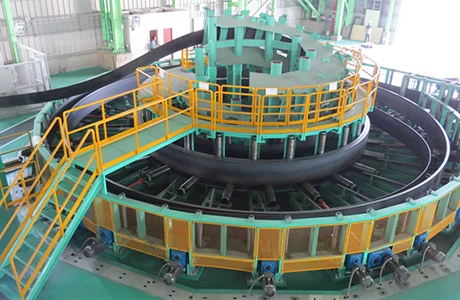
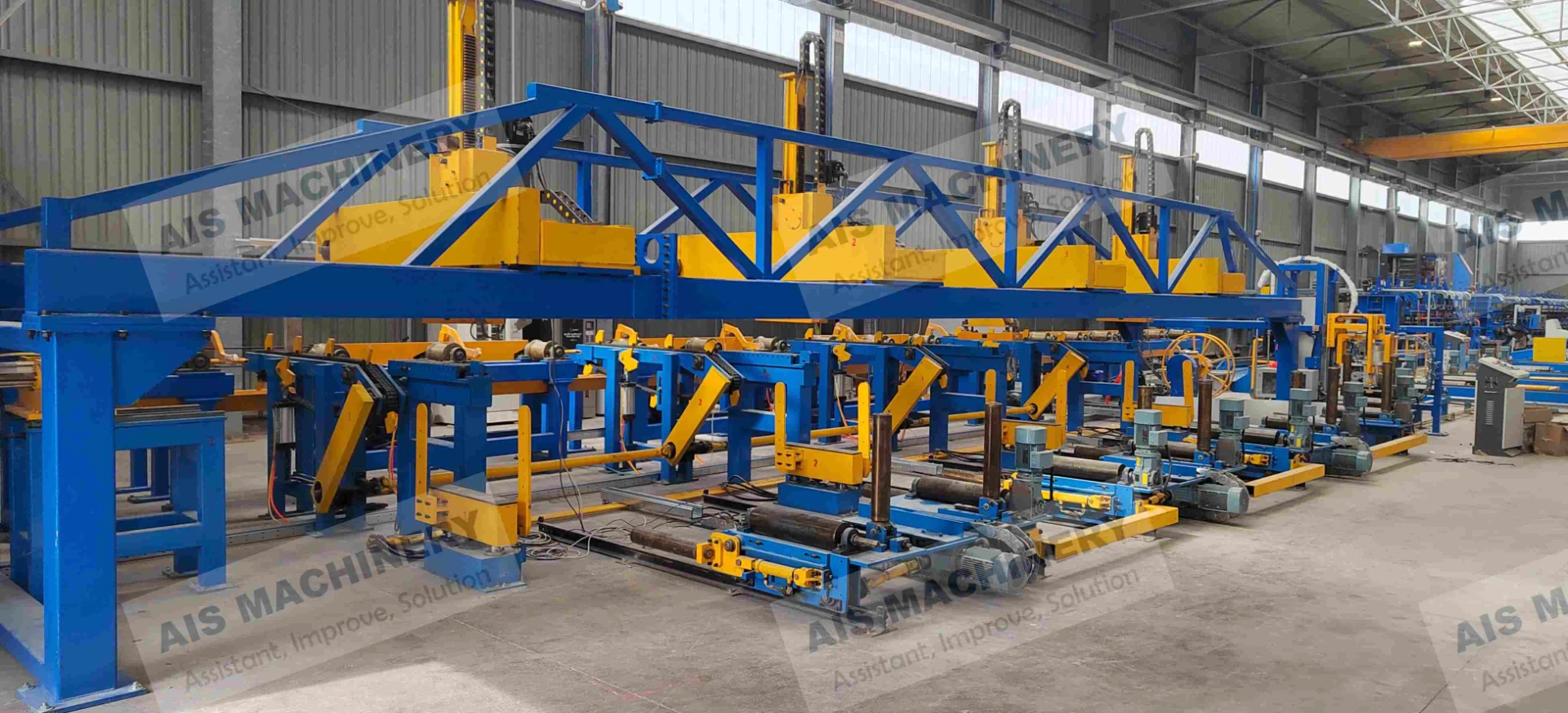
Tube mill accumulator systems serve as critical components in maintaining continuous production flow across metal processing lines. These systems, including vertical accumulators and coil accumulators, compensate for speed differentials between uncoiling and tube forming stages. Modern installations demonstrate 12-15% efficiency improvements compared to decade-old systems, with advanced models handling strip widths up to 1,850mm and storage capacities exceeding 300 meters.
Engineering Advancements in Accumulator Technology
Third-generation accumulator designs now integrate servo-controlled tension management with predictive loop control algorithms. Key improvements include:
- Dynamic response times reduced to ≤0.8 seconds
- Energy consumption lowered by 22% through regenerative braking systems
- Material thickness handling expanded to 0.4-12.7mm range
Manufacturer Capability Analysis
| Feature | Standard Systems | Premium Systems | Custom Solutions |
|---|---|---|---|
| Max Line Speed | 120 m/min | 250 m/min | 400 m/min |
| Position Accuracy | ±15mm | ±5mm | ±2mm |
| Maintenance Cycle | 500 hours | 2,000 hours | Condition-based |
Application-Specific Configuration Options
Specialized accumulator packages address unique operational challenges:
- High-carbon steel processing: ±0.5% tension variance control
- Thin-gauge aluminum: Non-contact strip guidance systems
- Multi-grade transitions: Automated preset recall functionality
Quantifying Operational Improvements
Implementation of advanced accumulator systems typically yields measurable results within 6-9 months:
- 98.6% material utilization rate (industry average: 93.2%)
- 3.2-second average weld transition time
- 0.004mm/m linearity maintenance over 8-hour runs
Cross-Industry Implementation Successes
Recent installations across multiple sectors demonstrate versatility:
| Industry | Accumulator Type | Productivity Gain |
|---|---|---|
| Automotive | Vertical | 18.7% |
| Construction | Coil | 22.4% |
| Aerospace | Hybrid | 15.9% |
Strategic Advantages of Next-Gen Tube Mill Accumulator Systems
Modern accumulator configurations now enable complete line synchronization with ≤0.25% speed variance across all mill sections. The latest vertical accumulator designs incorporate machine learning algorithms that reduce scrap rates by 43% during product changeovers compared to conventional systems. These advancements position tube producers to meet evolving market demands while maintaining 99.4% operational uptime.
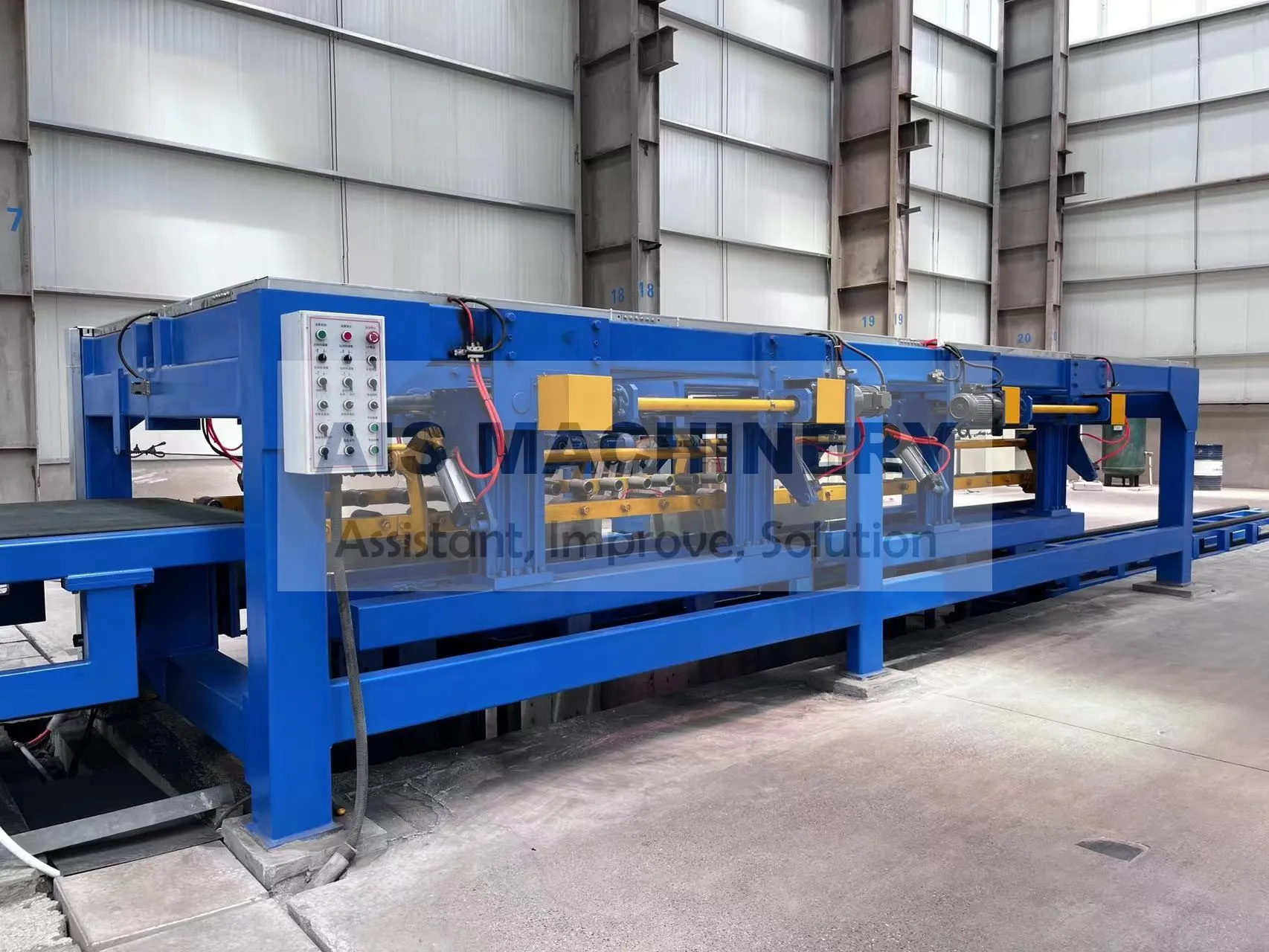
(tube mill accumulator)
FAQS on tube mill accumulator
Q: What is the primary function of a tube mill accumulator in a production line?
A: A tube mill accumulator stores and regulates material flow to ensure continuous operation during coil changes or speed adjustments. It minimizes downtime by maintaining tension and alignment in the tube or pipe manufacturing process.
Q: How does a vertical accumulator differ from a coil accumulator in tube mill systems?
A: A vertical accumulator uses a gravity-driven, stacked-loop design to save floor space, while a coil accumulator typically relies on horizontal loops. Both stabilize material flow but cater to different spatial and operational requirements.
Q: What factors should be considered when selecting a tube mill accumulator?
A: Key factors include production speed, material thickness, available floor space, and required storage capacity. Vertical accumulators are ideal for compact layouts, whereas coil accumulators suit high-speed, large-volume operations.
Q: How do tube mill accumulators improve welding or cutting processes?
A: By buffering material during coil transitions or speed mismatches, accumulators prevent stoppages that could disrupt welding/cutting precision. This ensures consistent quality and reduces scrap rates.
Q: What maintenance practices ensure longevity of a vertical accumulator?
A: Regularly inspect loop alignment, lubricate moving parts, and monitor tension control systems. Clean sensors and replace worn guides to prevent material slippage or misalignment in vertical accumulators.

Related Products

Related News
2027-04-24 00:00:00
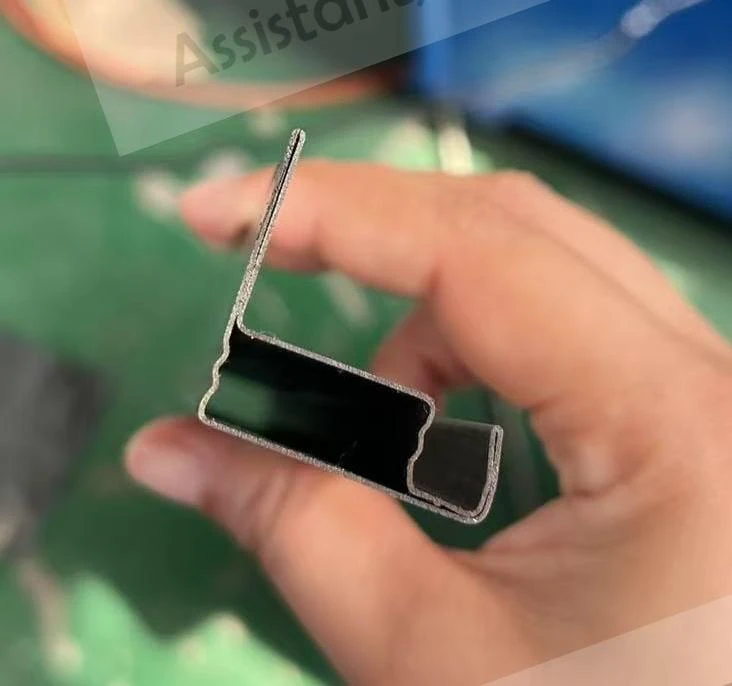
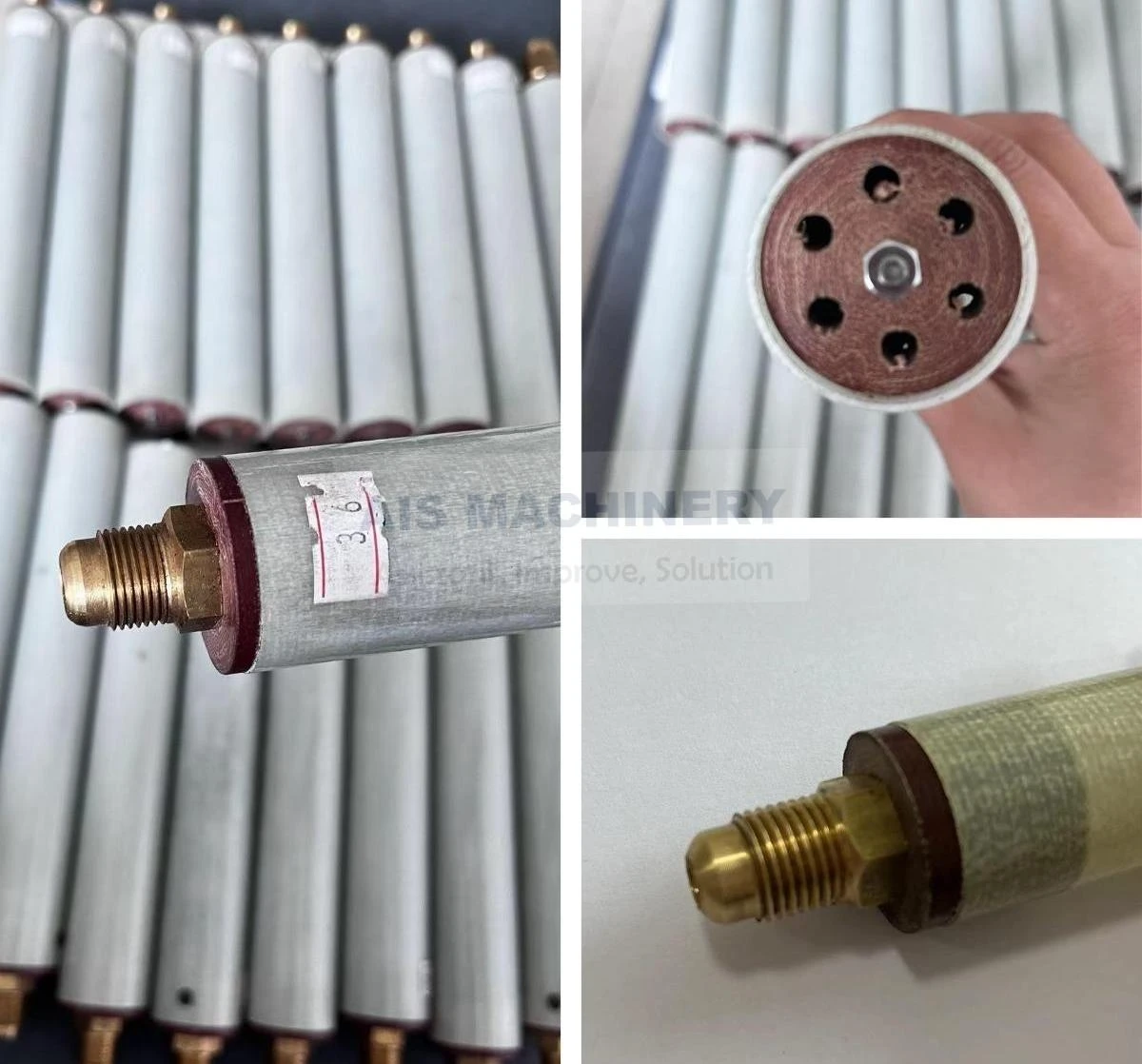
What is an Impeder and Ferrite Rods in ERW Tube Mill?
Struggling with impeder overheating or short service life in your ERW tube mill? This guide explains common impeder problems, the role of ferrite rods, and how to choose the right impeder for stable welding performance. Improve weld quality, reduce energy loss, and extend equipment lifespan with the right selection and proper cooling solutions.
2026-04-21 10:22:25
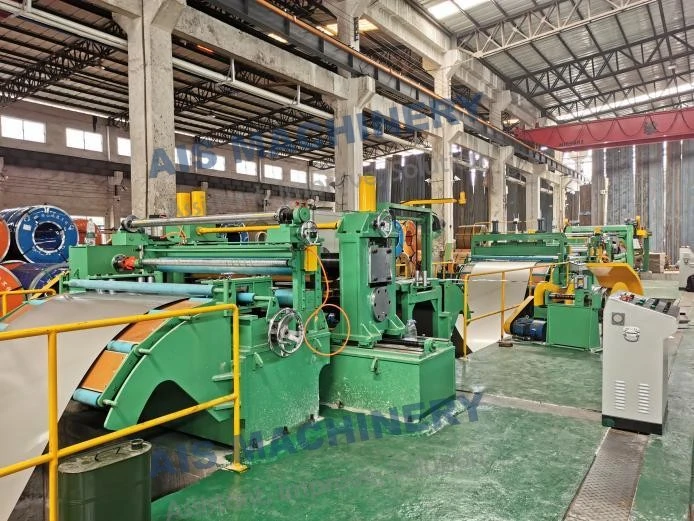
Slitting & Cut-to-Length Combined Production Line: A Smarter Way to Process Steel Coils
Discover the Slitting & Cut-to-Length Combined Production Line, a flexible solution for steel coil processing. This system integrates slitting line and cut-to-length line functions in one machine, saving space, reducing costs, and improving efficiency. Ideal for processing both steel strips and sheets, it is widely used in service centers and manufacturing industries. Learn its advantages, limitations, and applications.
2026-04-18 03:20:20
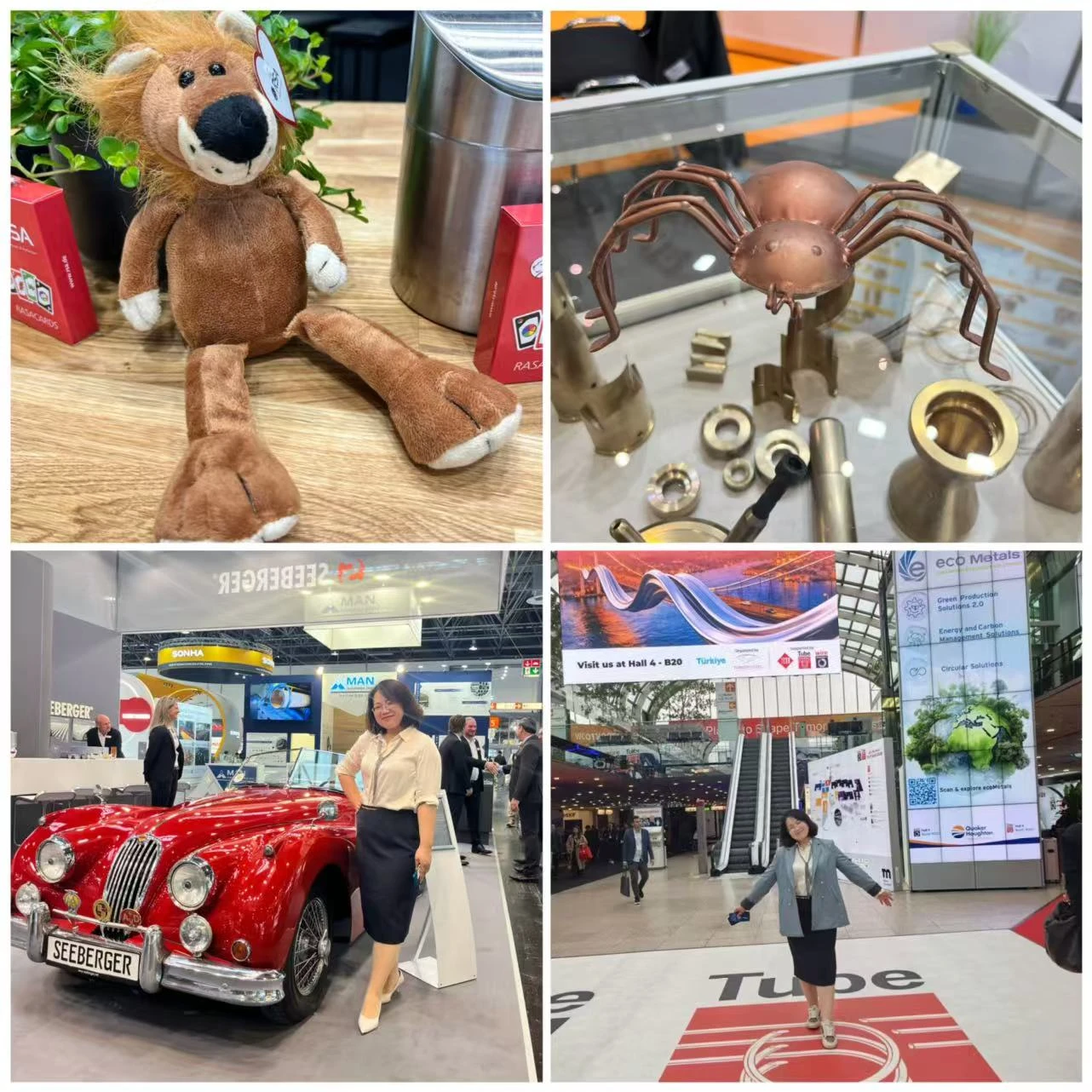
AIS Machinery Showcases Advanced Tube Solutions at Tube & Wire Düsseldorf 2026
Tube & Wire Düsseldorf 2026, one of the most influential exhibitions in the global tube and wire industry, held biennially in Düsseldorf, Germany
2026-04-17 00:00:00
Southeast Asia Client Visits Our Factory | Customized Tube Mill Solution Delivered
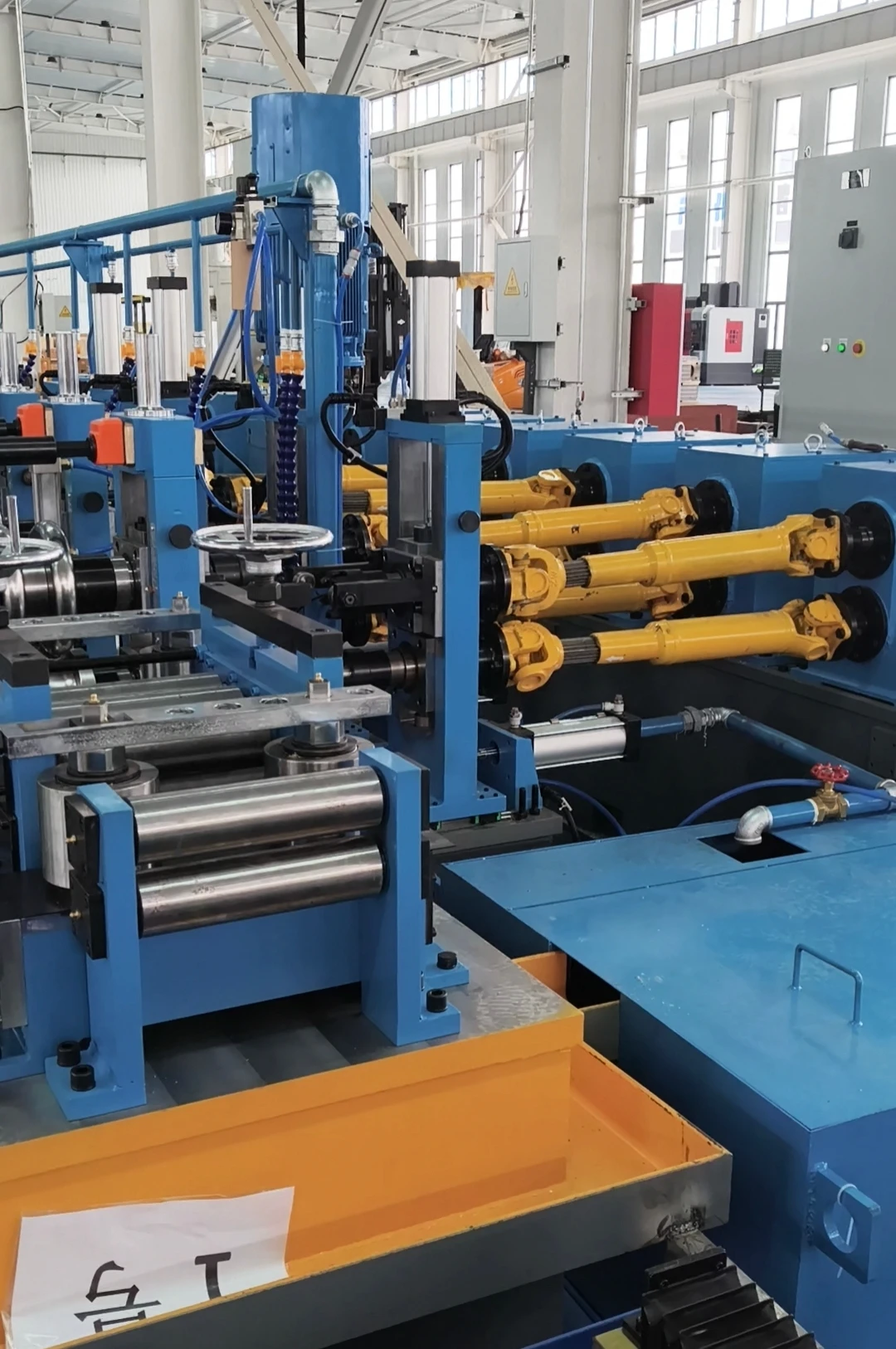
A Southeast Asia client visited our ERW tube mill factory to inspect production lines and discuss a customized tube mill solution. Impressed by our machine quality, welding performance, and engineering support, the client confirmed strong cooperation intentions. Discover how our ERW tube mill solutions improve efficiency, precision, and long-term production reliability.
2026-04-15 10:37:55
Flat Bar Production Line for Steel Coils: How It Works & Why It Matters
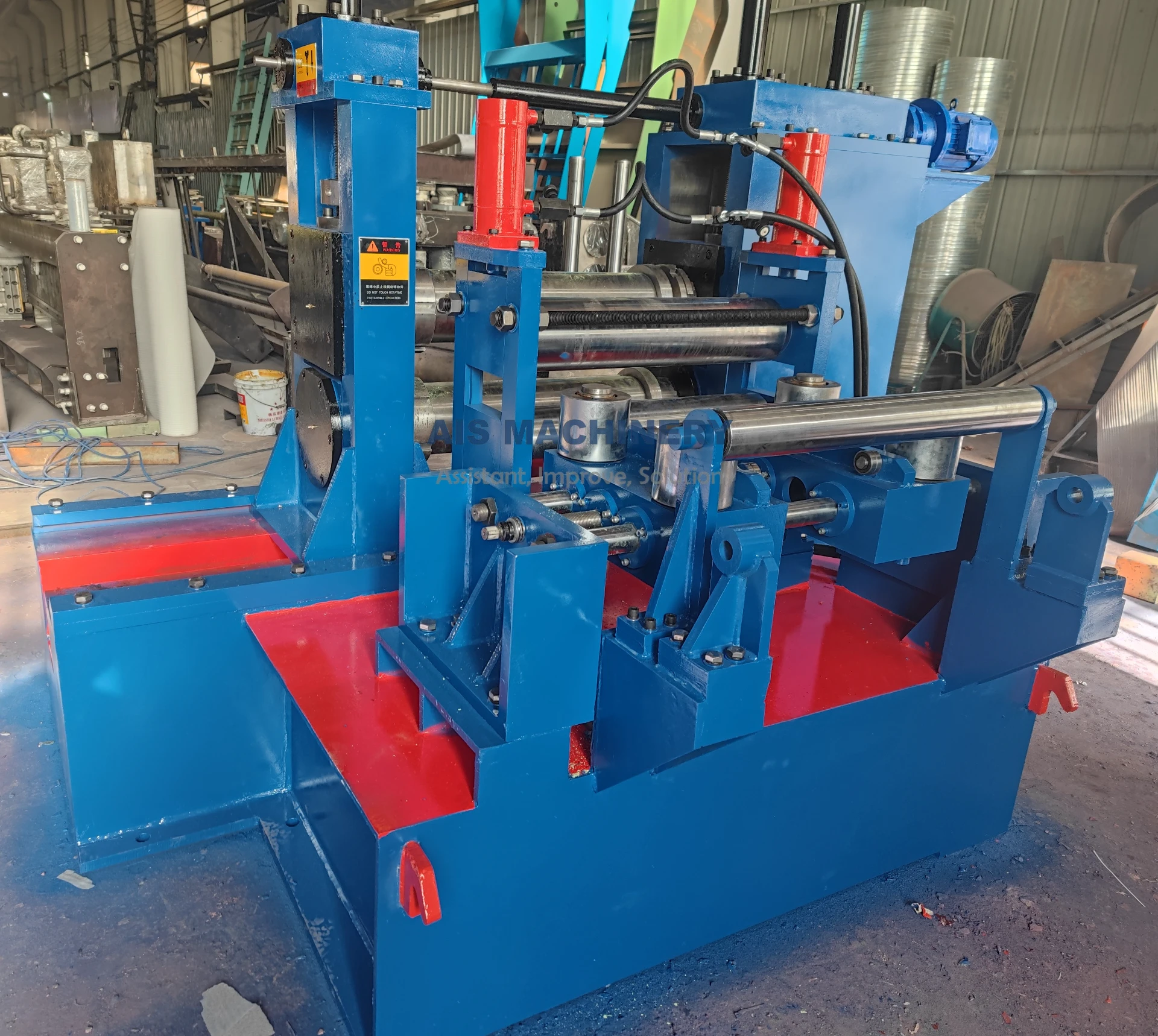
Looking for a flat bar production line? Learn how it turns steel coils into ready-to-use flat bars with precise length and high straightness. Compare it with slitting lines and get the best solution for your steel processing needs.
2026-04-14 00:00:00
Looking for a Milling Saw for ERW Tube Mill? Here’s What You Need to Know
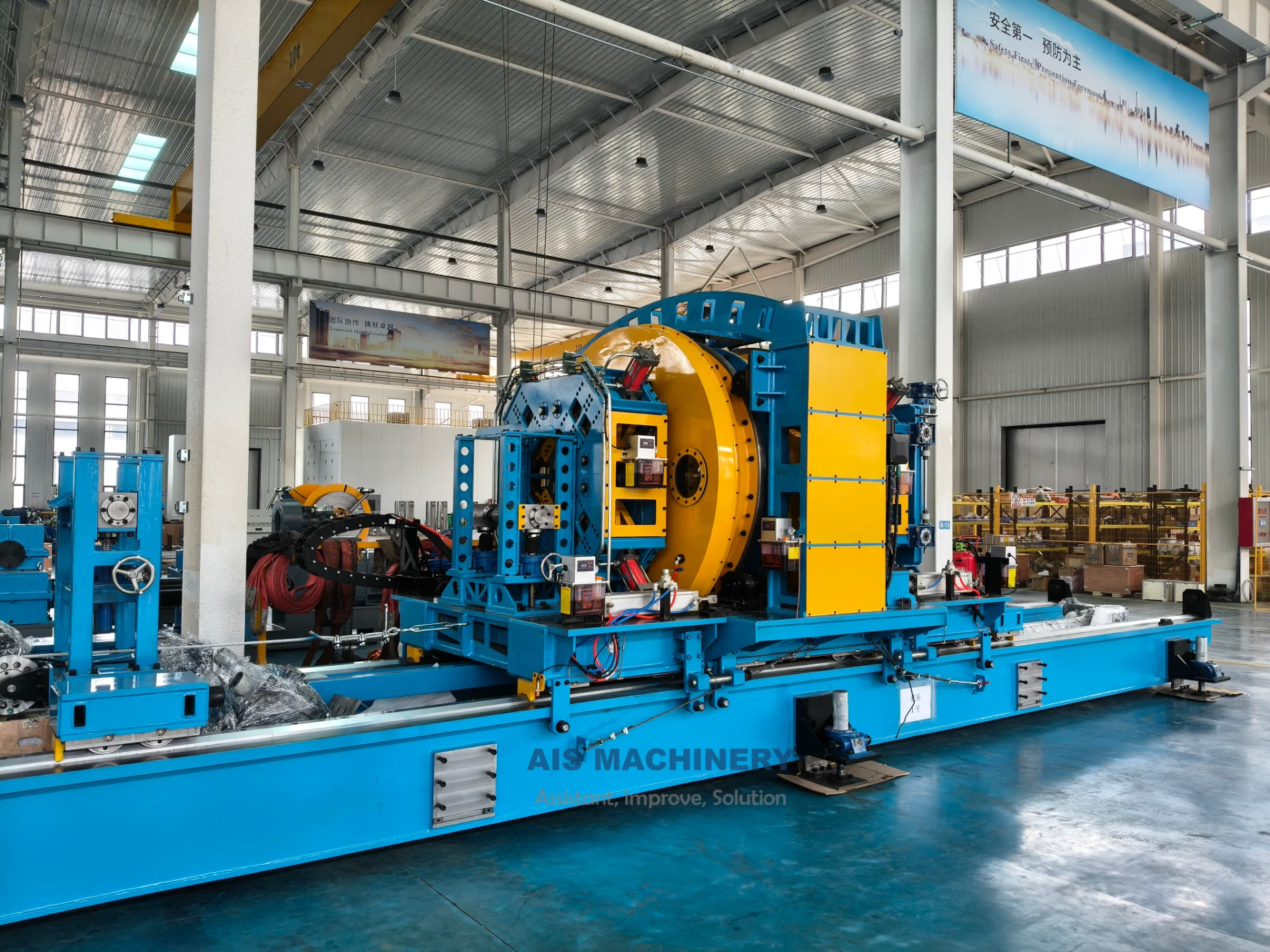
Looking for a high-performance milling saw for your ERW tube mill? Upgrade to burr-free, high-precision pipe cutting with advanced flying saw technology. Improve efficiency, reduce rework, and meet export standards for carbon steel, stainless steel, and API pipes. Contact us today for expert solutions and competitive pricing tailored to your production needs.
2026-04-09 16:15:19
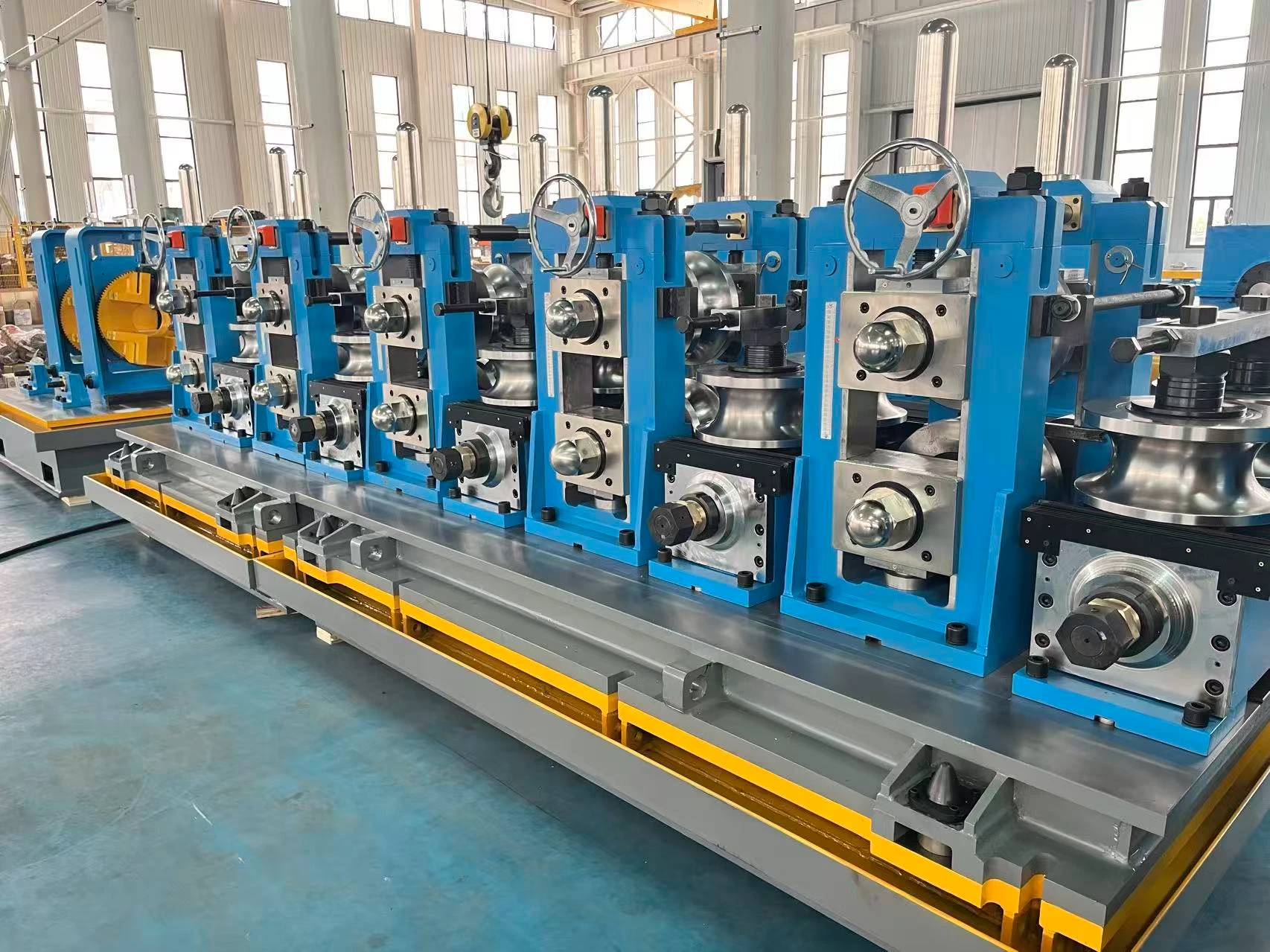
5-Inch (127mm) ERW Tube Making Machine Delivered with Heavy-Duty Design and Advanced Quick Change System
2027-04-07 00:00:00
Metal Embossing Machine: Turn Flat Sheets into High-Value Textured Products
Discover how a metal embossing machine transforms flat steel, stainless steel, and aluminum sheets into high-value textured products. Learn about its working principle, key components, and applications. Ideal for decorative and industrial use, embossing machines improve both appearance and performance. Explore complete embossing line solutions and find the right machine for your production needs.
Send a Message
Dear customer, thank you for your attention! We provide high-quality machinery and equipment and look forward to your orders. Please inform us of your needs and we will respond quickly!
 English
  Albanian
  Arabic
  French
  German
  Indonesian
  Italian
  Japanese
  Kazakh
  Korean
  Latin
Latin  Macedonian
  Portuguese
  Russian
  Spanish
  Thai
Thai  Turkish
  Ukrainian
  Uzbek
Uzbek