
-
 Tel:86-15176910262
-

Search
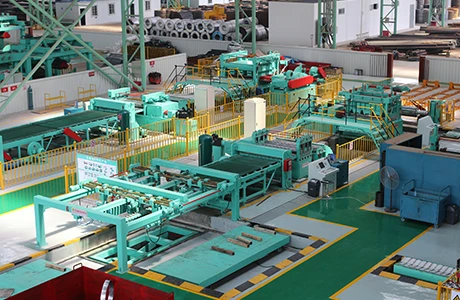
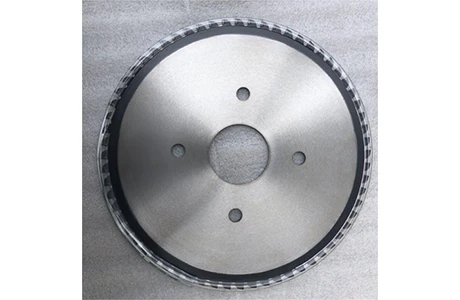
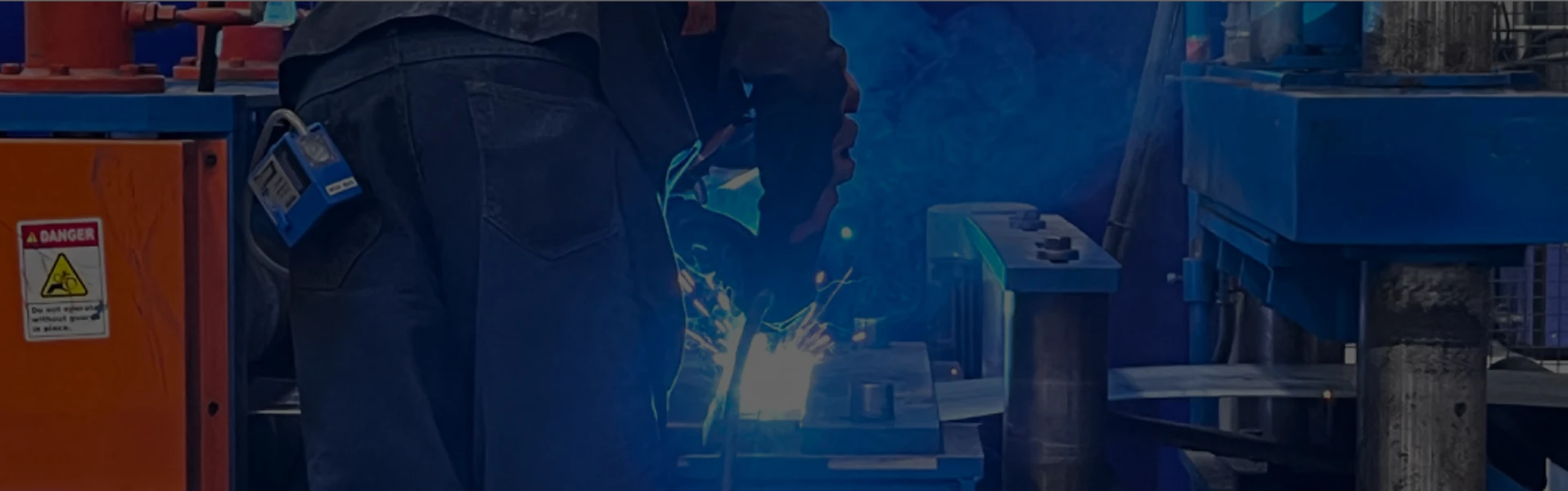

High-Efficiency Welded Tube Mill Precision Pipe Production Line
May . 21, 2025 13:50
- Understanding the Role of Welded Tube Mills in Modern Manufacturing
- Technological Advancements Driving Efficiency
- Comparative Analysis of Leading ERW Tube Mill Manufacturers
- Customization Strategies for Diverse Industrial Needs
- Real-World Applications and Success Stories
- Cost Considerations and ROI Metrics
- Future Trends in Welded Pipe Production Line Development
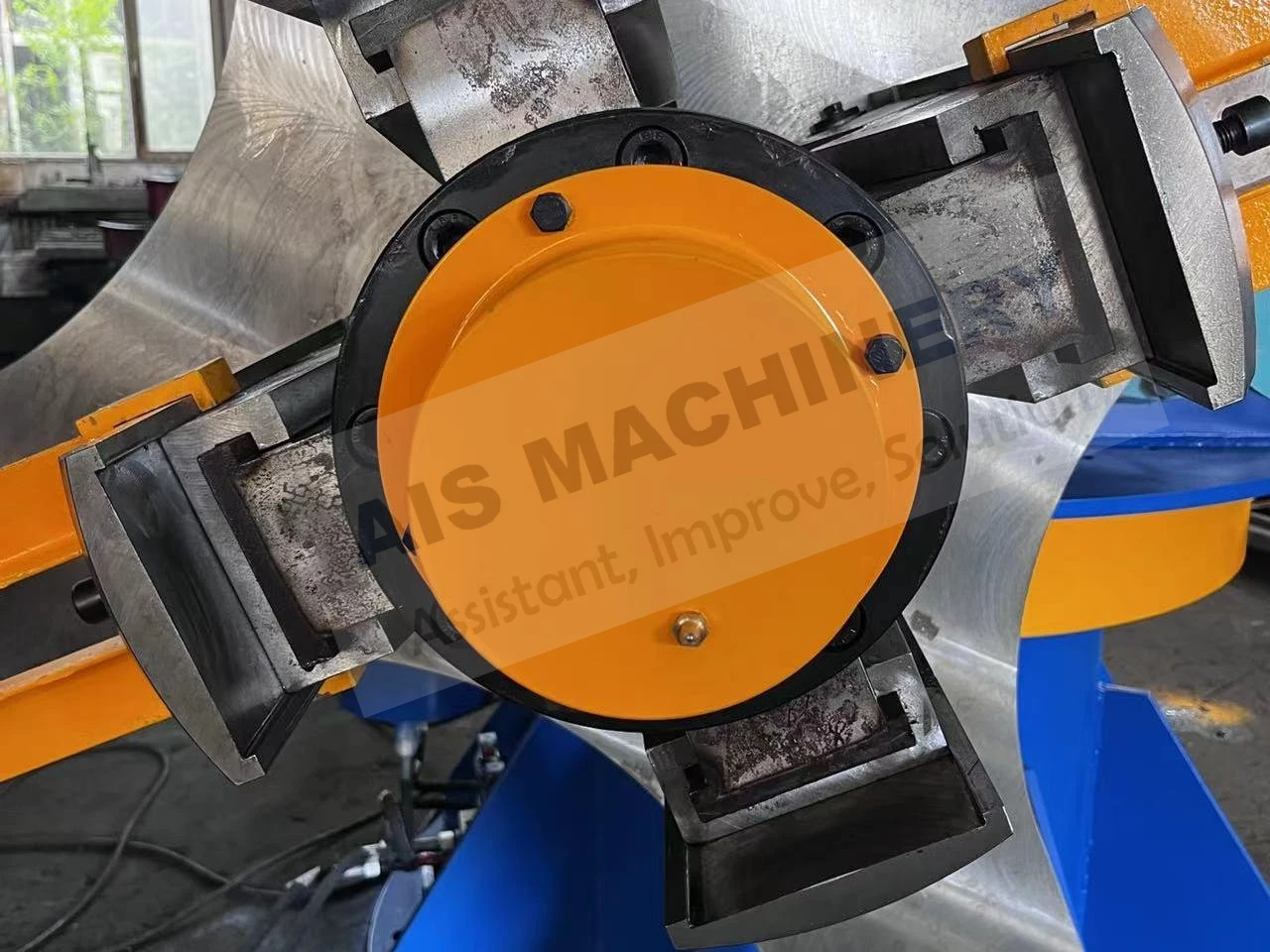
(welded tube mill)
Understanding the Role of Welded Tube Mills in Modern Manufacturing
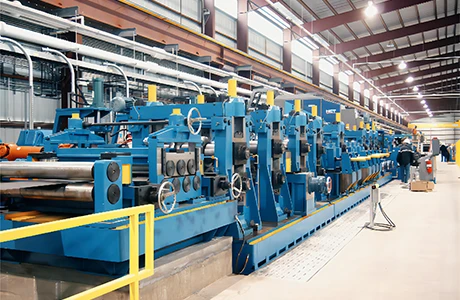
Welded tube mills are integral to producing high-quality pipes and tubes for industries ranging from construction to automotive. These systems utilize electric resistance welding (ERW) to create seamless joints, ensuring structural integrity and durability. With global demand for precision-engineered tubing rising by 8.2% annually (MarketWatch, 2023), manufacturers rely on advanced welded pipe production lines to meet stringent quality standards while optimizing output.
Technological Advancements Driving Efficiency
Modern ERW tube mills incorporate AI-driven quality control, laser-guided alignment, and energy-efficient motors. For example, a leading mill reduced material waste by 15% through real-time thickness monitoring. Key innovations include:
- High-frequency welding: Achieves 99.9% joint consistency.
- Automated coil feeding: Increases production speed to 120 m/min.
- Predictive maintenance systems: Cut downtime by 40%.
Comparative Analysis of Leading ERW Tube Mill Manufacturers
| Manufacturer | Production Speed (m/min) | Price Range ($) | Customization Options |
|---|---|---|---|
| Company A | 110-130 | 1.2M - 2.5M | Full modular design |
| Company B | 90-115 | 850K - 1.8M | Limited tooling flexibility |
| Company C | 125-150 | 2.0M - 3.4M | AI-powered optimization |
Data sourced from industry whitepapers (2023 Q2)
Customization Strategies for Diverse Industrial Needs
Tailored welded tube mill
configurations address specific requirements:
- Diameter adaptability: Systems handling 10mm to 610mm tubes
- Material specialization: Solutions for stainless steel, carbon steel, or alloys
- Smart integration: IoT-enabled production tracking modules
Real-World Applications and Success Stories
A European automotive supplier achieved 22% higher throughput using a customized ERW mill with automated sorting. Meanwhile, a U.S. energy company reduced defect rates from 3.1% to 0.4% after upgrading their welded pipe production line with ultrasonic testing units.
Cost Considerations and ROI Metrics
While ERW tube mill prices vary, operational metrics reveal compelling ROI:
- Average payback period: 2.3 years
- Energy consumption reduction: 18-25% with modern drives
- Labor cost savings: Up to 35% via automation
Future Trends in Welded Pipe Production Line Development
The next generation of welded tube mills will integrate blockchain for supply chain transparency and hybrid laser-ERW welding techniques. Industry analysts project a 12% CAGR for smart tube mills through 2030, driven by sustainability mandates and Industry 4.0 adoption.
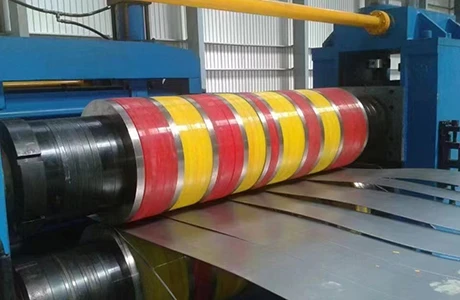
(welded tube mill)
FAQS on welded tube mill
Q: What is a welded tube mill used for?
A: A welded tube mill is a manufacturing system that produces welded steel tubes or pipes by forming and welding metal strips. It is widely used in industries like construction, automotive, and energy for creating seamless or structured tubing products.
Q: What are the key components of a welded pipe production line?
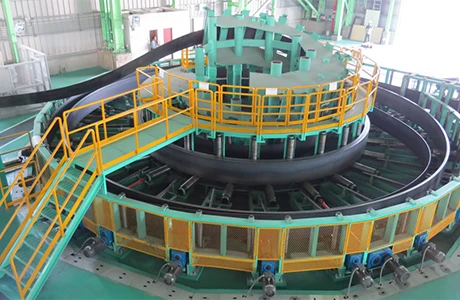
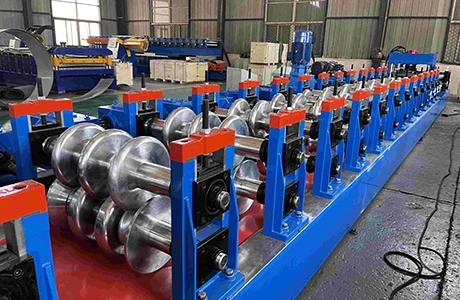
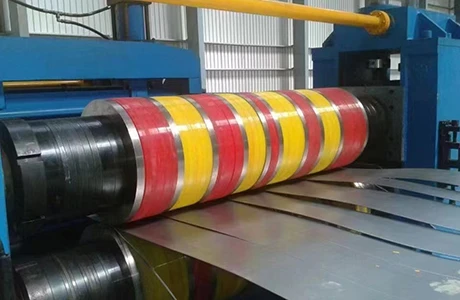
A: A welded pipe production line typically includes uncoiling, forming, welding, sizing, cutting, and finishing units. These components work together to shape raw metal strips into high-quality welded pipes with precise dimensions and durability.
Q: What factors influence the price of an ERW tube mill?
A: The price of an ERW (Electric Resistance Welding) tube mill depends on production capacity, automation level, material grade compatibility, and customization requirements. Additional costs may include installation, training, and after-sales support services.
Q: How does a welded tube mill differ from a welded pipe production line?
A: A welded tube mill refers specifically to the machinery that forms and welds metal, while a welded pipe production line encompasses the entire process, including material handling, processing, quality control, and packaging stages.
Q: Why is maintenance critical for welded tube mill operations?
A: Regular maintenance ensures optimal performance, reduces downtime, and extends the lifespan of the welded tube mill. Key tasks include inspecting welding heads, calibrating rollers, and replacing worn components to maintain product consistency.

Related Products

Related News
2025-08-22 10:23:03
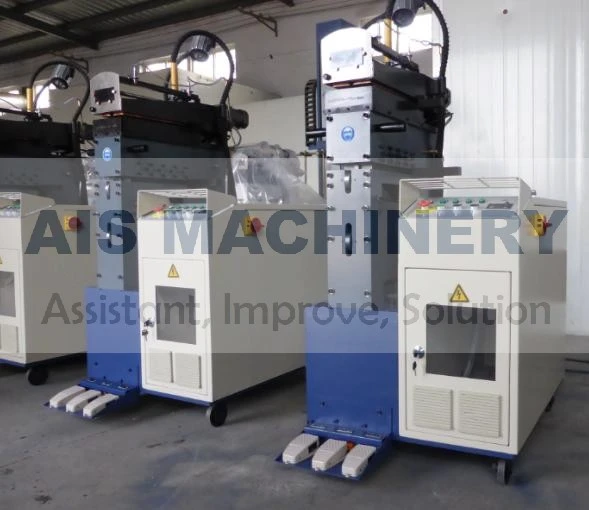
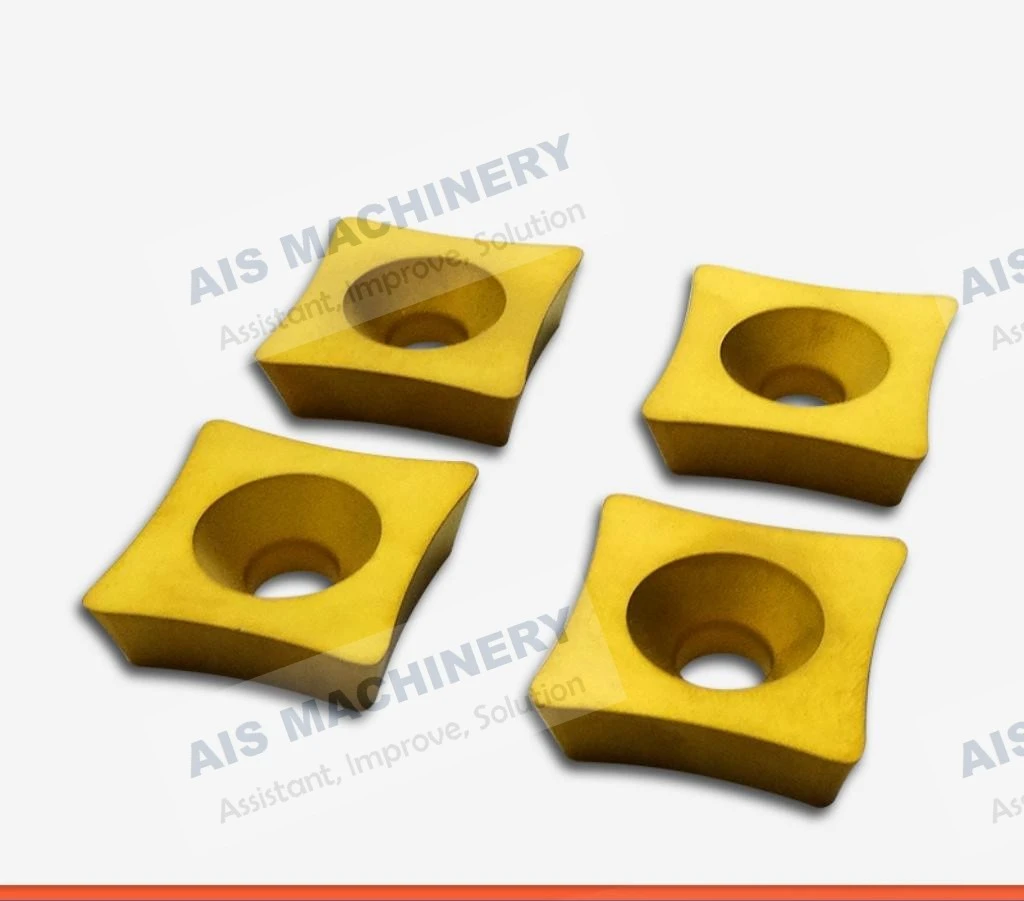
From Burrs to Smooth Pipes Made Simple
External burrs reduce surface quality, while internal burrs block smooth flow inside pipes. With external burr scraping blades and specialized internal deburring tools, both issues are solved efficiently. This ensures tubes have a clean surface, smooth inner walls, and excellent performance — making your pipe products stronger, safer, and more durable.
2025-08-21 16:23:41
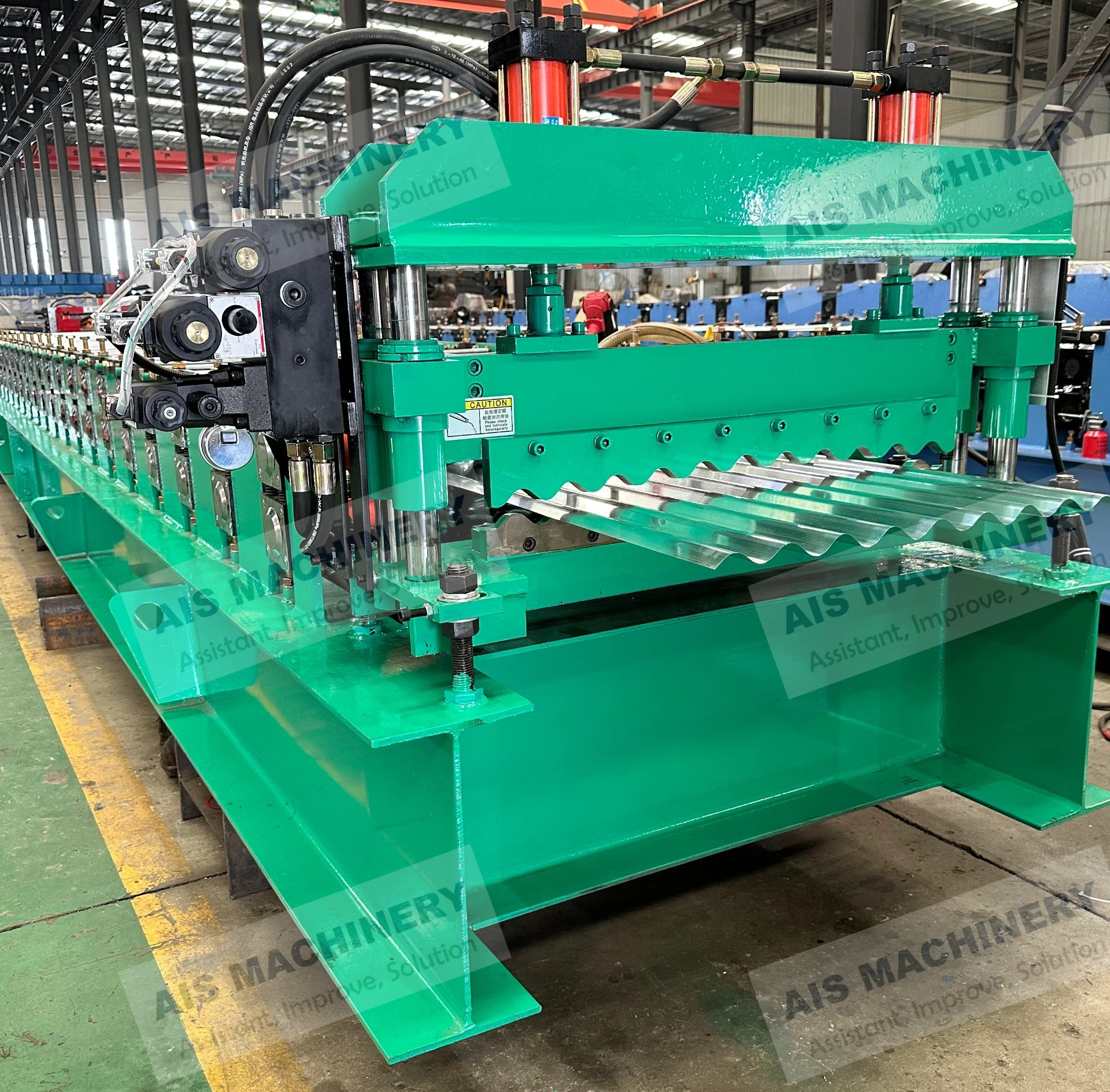
From Coil to Roof: Fast & Reliable Roll Forming
A roofing sheet roll forming machine transforms steel coils into corrugated, trapezoidal, tile, or double-layer profiles with precise shapes and smooth finishes. Widely used in residential, industrial, and commercial construction.Our machines help manufacturers reduce costs while producing durable and waterproof roofing panels for modern projects.
2025-08-21 10:43:36
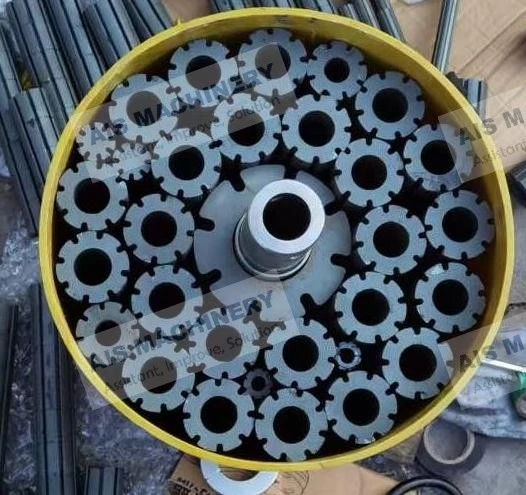
Ferrite VS Impeder: Key Differences in ERW Tube Mill
Ferrite used to guide and concentrate high-frequency current. The impeder is composed of ferrite rods, a protective sleeve, and a cooling tube. Installed inside ERW tube mills, it focuses the welding current on the seam, thereby improving efficiency and weld quality.
2025-07-28 15:14:17
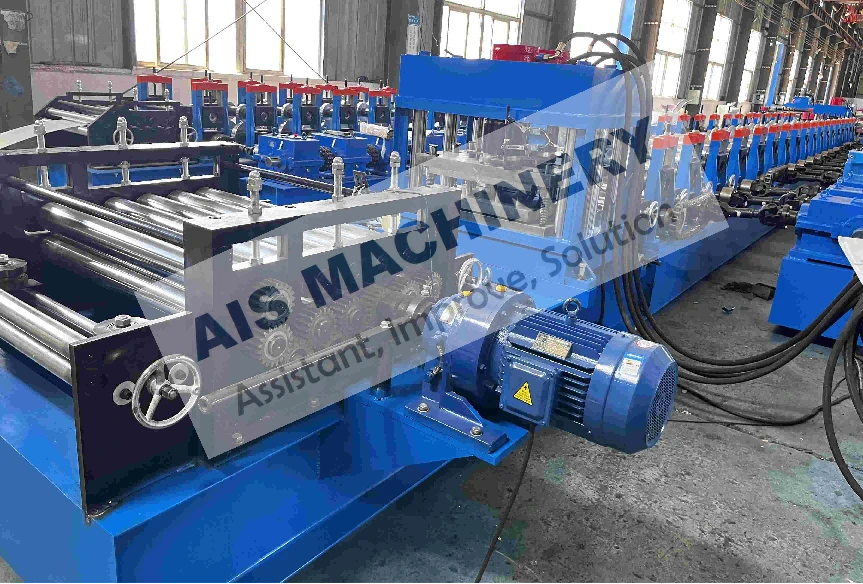
Steel Pipe Making Machine Material Compatibility
Understanding material compatibility in steel pipe making machine operations is crucial for ensuring product quality, equipment longevity, and production efficiency.
2025-07-28 15:10:43
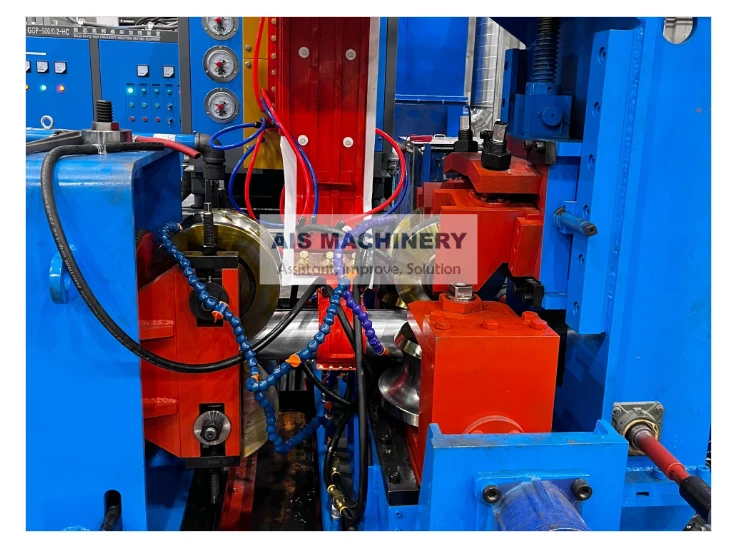
Solid State Welding Machine Material Compatibility
Understanding material compatibility is foundational to maximizing the performance of solid state welding machine systems, ensuring strong, durable welds while protecting equipment integrity.
2025-07-28 15:07:32
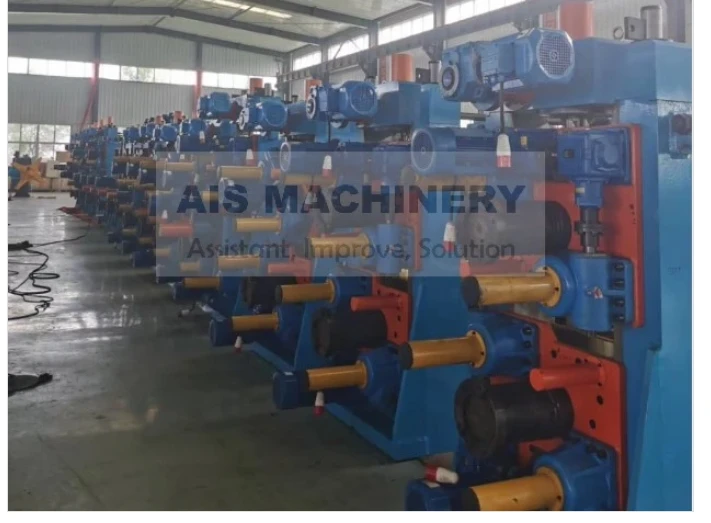
Production speed is a critical metric for pipe mill operations, directly impacting productivity, cost efficiency, and customer satisfaction.
2025-07-28 15:02:13
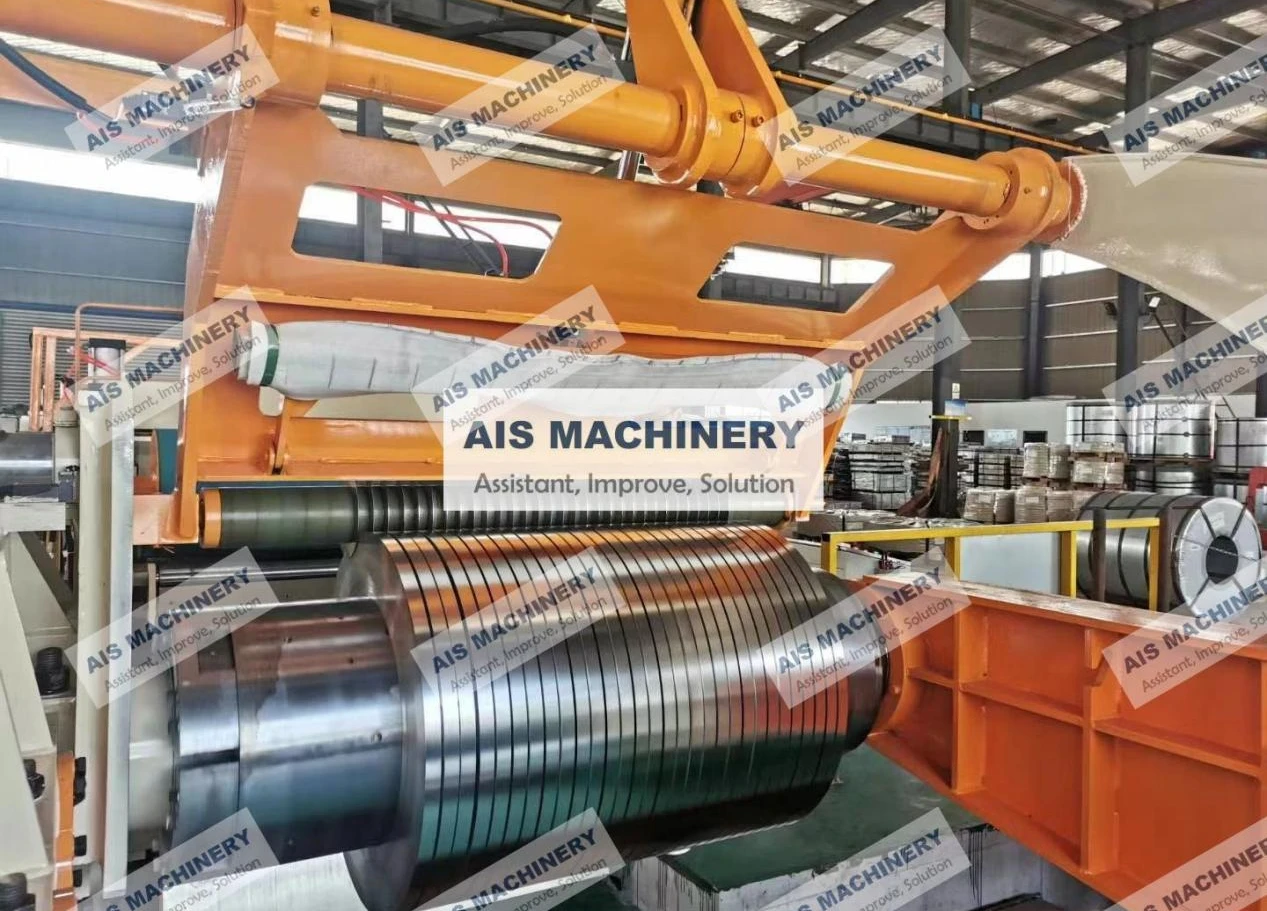
Metal Slitting Line Coil Width Range
Understanding the coil width range capabilities of a metal slitting line is essential for selecting equipment that aligns with diverse material processing needs, from narrow strips to wide coils.
2025-07-28 14:57:53
ERW Pipe Mill Material Compatibility
Material compatibility is a cornerstone of efficient and high-quality pipe production in ERW Pipe Mill operations.
Send a Message
Dear customer, thank you for your attention! We provide high-quality machinery and equipment and look forward to your orders. Please inform us of your needs and we will respond quickly!
 English
  Albanian
  Arabic
  French
  German
  Indonesian
  Italian
  Japanese
  Kazakh
  Korean
  Latin
Latin  Macedonian
  Portuguese
  Russian
  Spanish
  Thai
Thai  Turkish
  Ukrainian
  Uzbek
Uzbek