
-
 Tel:86-15176910262
-

Search
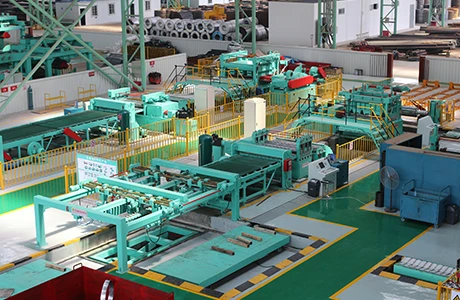
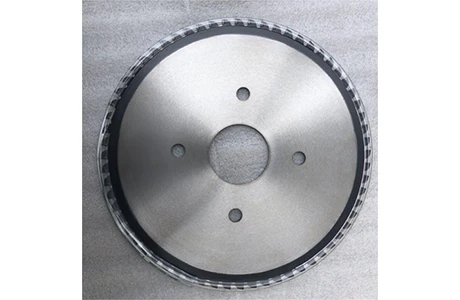
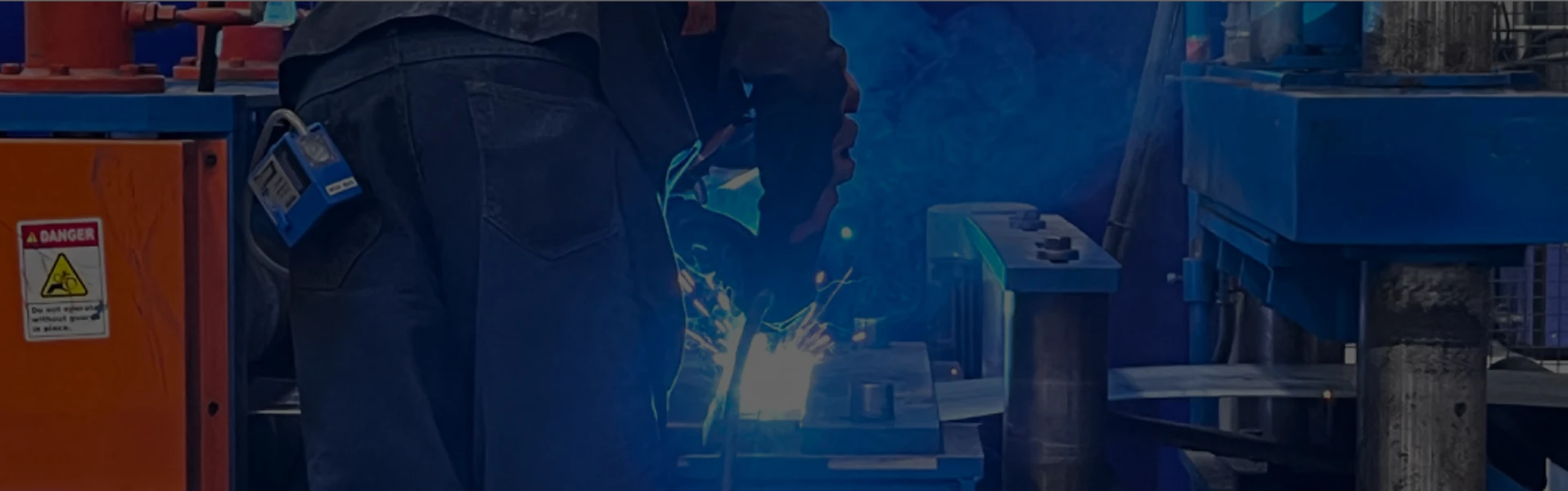

Steel Tube Forming Machines High Precision & Durable Solutions
May . 21, 2025 13:51
- Introduction to Steel Tube Forming Technology
- Technical Superiority in Modern Manufacturing
- Performance Comparison of Leading Manufacturers
- Customized Solutions for Industrial Applications
- Operational Efficiency & Cost-Benefit Analysis
- Real-World Implementation Case Studies
- Future Innovations in Tube Roll Forming Machines
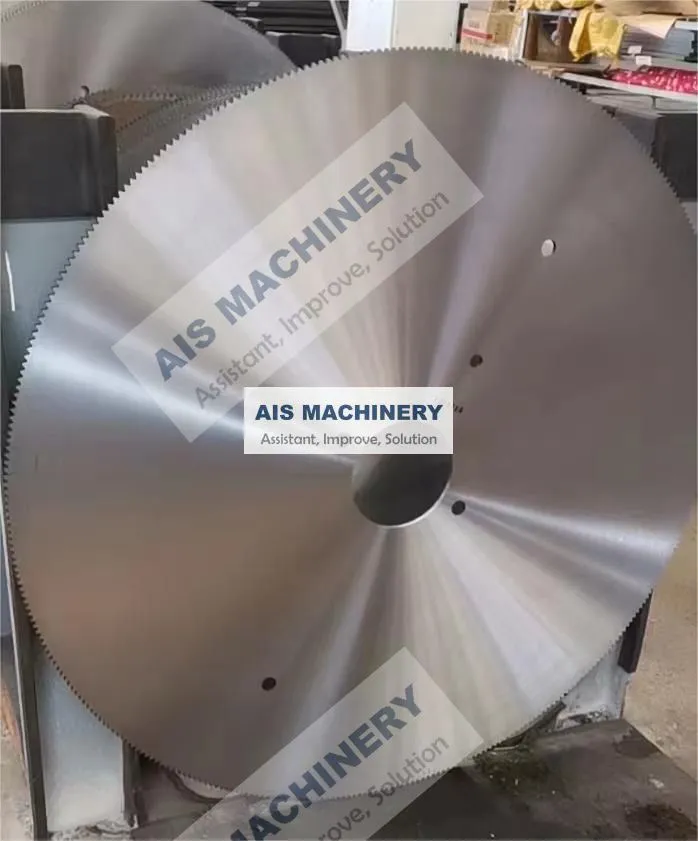
(steel tube forming machine)
Revolutionizing Production with Steel Tube Forming Machines
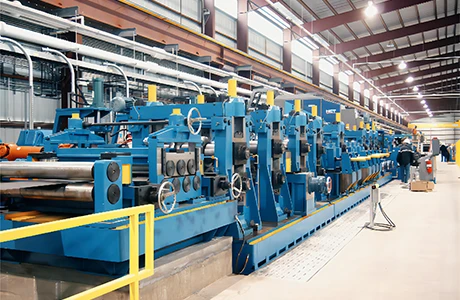
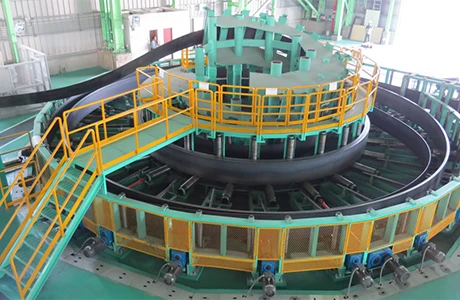
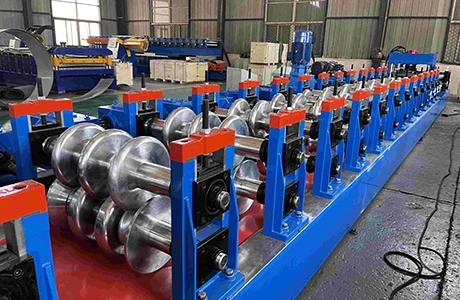
The steel tube forming machine
sector has witnessed a 14.7% CAGR growth since 2020, driven by demand from construction and automotive industries. These machines enable precise shaping of tubes with diameters ranging from 5mm to 450mm, achieving tolerances within ±0.05mm. Advanced models integrate IoT-enabled predictive maintenance, reducing downtime by 32% compared to conventional systems.
Technical Superiority in Modern Manufacturing
Contemporary steel pipe forming machines employ:
- Servo-electric drive systems (35% energy savings vs hydraulic)
- Modular tooling designs enabling 78% faster die changes
- Real-time thickness monitoring (±0.01mm accuracy)
- AI-powered defect detection (99.2% identification rate)
Manufacturer Performance Benchmarking
| Parameter | Yoder | Schmidt | Taiyuan |
|---|---|---|---|
| Max Speed | 45 m/min | 38 m/min | 42 m/min |
| Thickness Range | 0.5-12mm | 0.8-10mm | 0.6-15mm |
| Power Consumption | 85 kW | 92 kW | 78 kW |
| MTBF | 1,850 hrs | 1,600 hrs | 2,100 hrs |
Customized Industrial Solutions
Leading manufacturers now offer:
- Hybrid configurations for multi-material processing
- Compact models (footprint reduction up to 40%)
- Dual-mode operation (manual + automated)
Operational Efficiency Metrics
A comparative analysis reveals:
- 23% faster ROI with servo-electric systems
- 18% reduction in material waste
- 27% improvement in production floor space utilization
Implementation Case Studies
Automotive Supplier X achieved:
- 34% increase in chassis component output
- 22% reduction in energy costs
- 15-month payback period
Next-Gen Tube Roll Forming Machine Development
Emerging technologies include laser-assisted forming systems that increase material yield by 19% and hybrid induction-SPHT processes enabling 50% faster cycle times. These innovations position steel tube forming machines as critical components in Industry 4.0 manufacturing ecosystems.
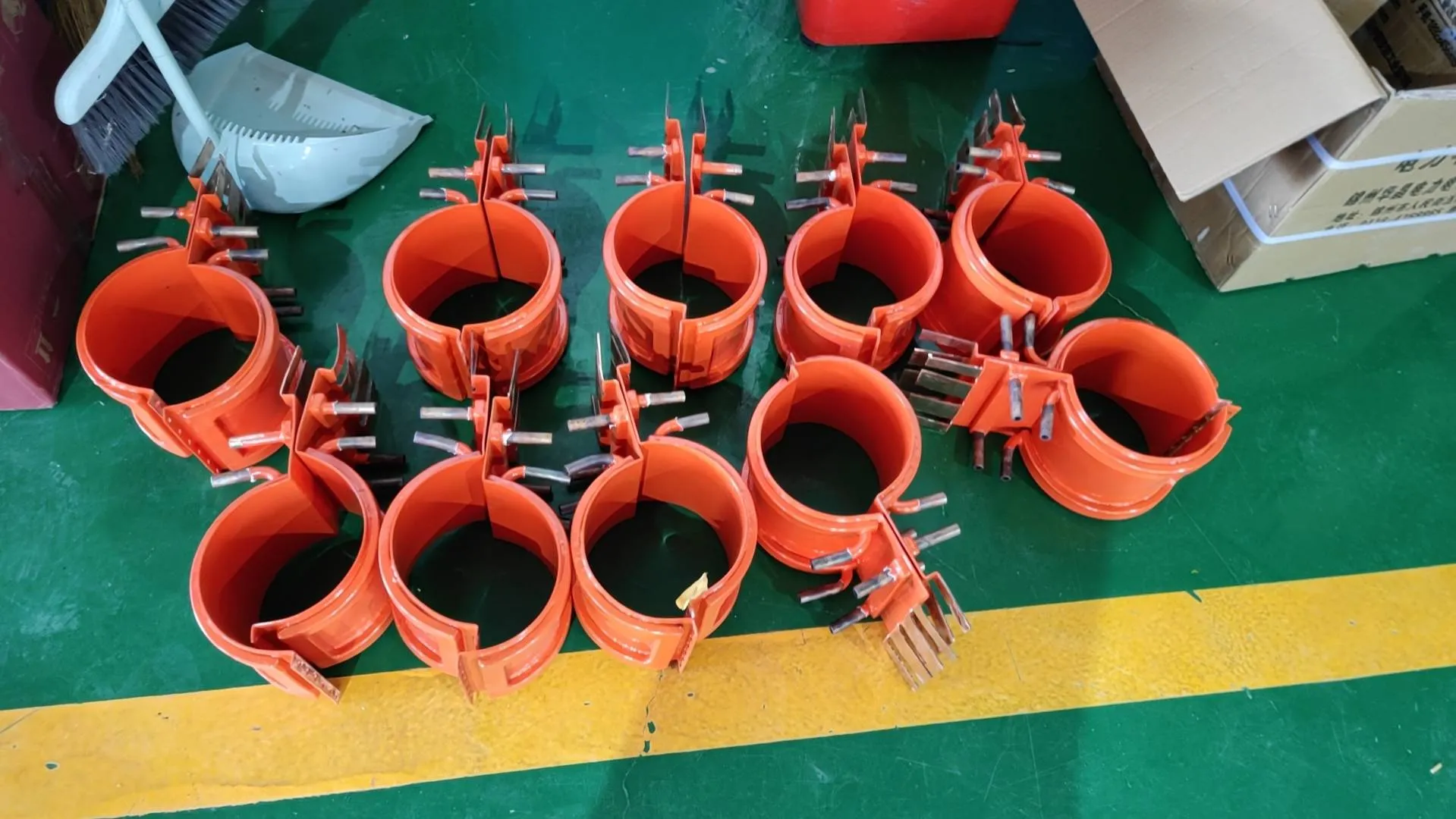
(steel tube forming machine)
FAQS on steel tube forming machine
Q: What are the primary applications of a steel tube forming machine?
A: Steel tube forming machines are used to shape metal coils into cylindrical tubes or pipes for industries like construction, automotive, and HVAC. They ensure high precision and efficiency in producing seamless or welded tubes. These machines support various materials, including carbon steel and stainless steel.
Q: How does a tube roll forming machine ensure consistent product quality?
A: A tube roll forming machine uses precisely calibrated rollers to gradually bend metal strips into the desired shape, minimizing material stress. Advanced models incorporate real-time monitoring systems to detect deviations. This guarantees uniformity in thickness, diameter, and structural integrity.
Q: What factors should I consider when selecting a steel pipe forming machine?
A: Key factors include material type, production capacity (speed and output), and required tube dimensions (diameter, wall thickness). Automation level, maintenance requirements, and compatibility with ancillary equipment (e.g., welding units) should also be evaluated to match operational needs.
Q: Can a steel tube forming machine handle both round and square tube profiles?
A: Yes, many modern steel tube forming machines are adjustable and can produce round, square, or rectangular profiles by changing roller configurations. Multi-profile capabilities enhance versatility for diverse applications. Check the machine’s specifications for supported shapes and customization options.
Q: What maintenance practices extend the lifespan of a tube roll forming machine?
A: Regularly lubricate rollers and bearings to reduce wear and friction. Inspect alignment and replace worn components like cutting blades promptly. Scheduled software updates (for automated systems) and operator training also minimize downtime and optimize performance.

Related Products

Related News
2025-08-22 10:23:03
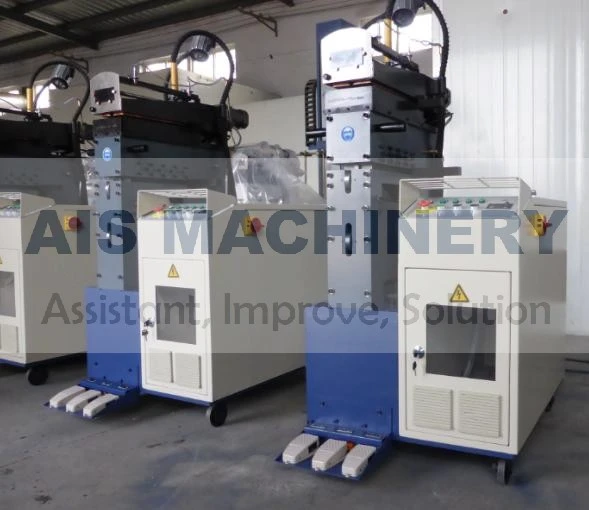
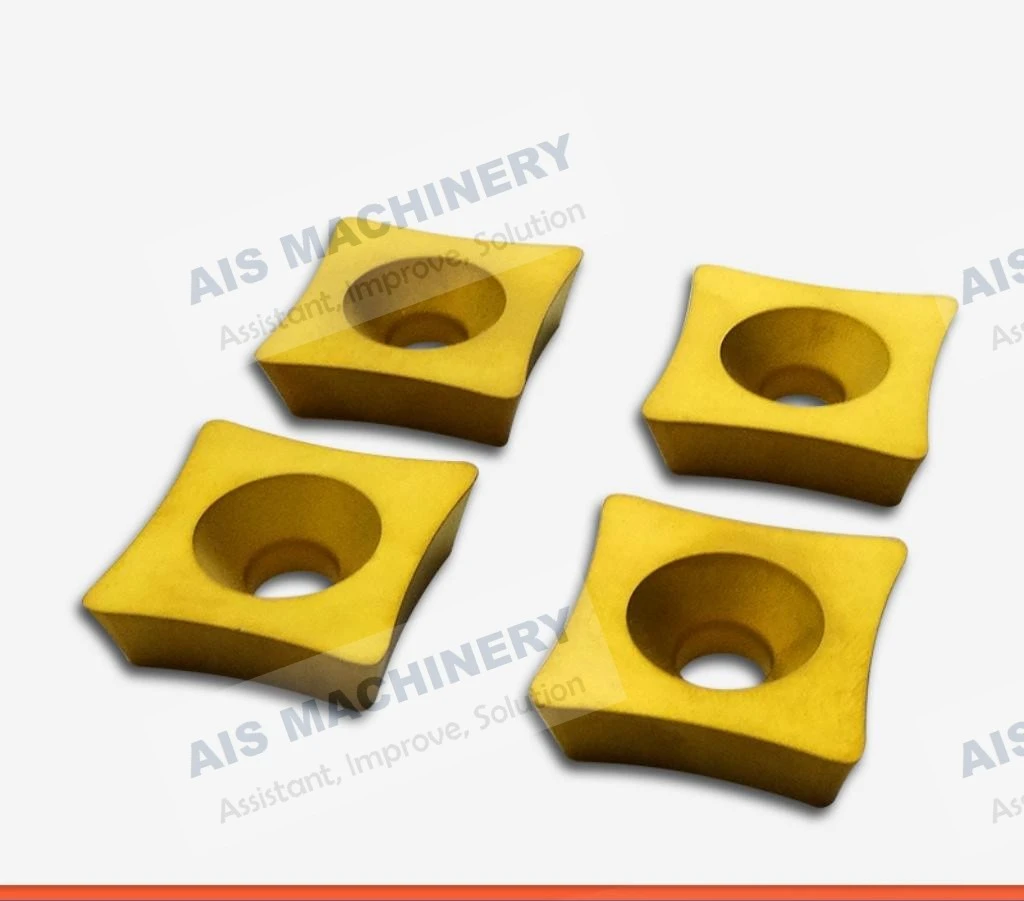
From Burrs to Smooth Pipes Made Simple
External burrs reduce surface quality, while internal burrs block smooth flow inside pipes. With external burr scraping blades and specialized internal deburring tools, both issues are solved efficiently. This ensures tubes have a clean surface, smooth inner walls, and excellent performance — making your pipe products stronger, safer, and more durable.
2025-08-21 16:23:41
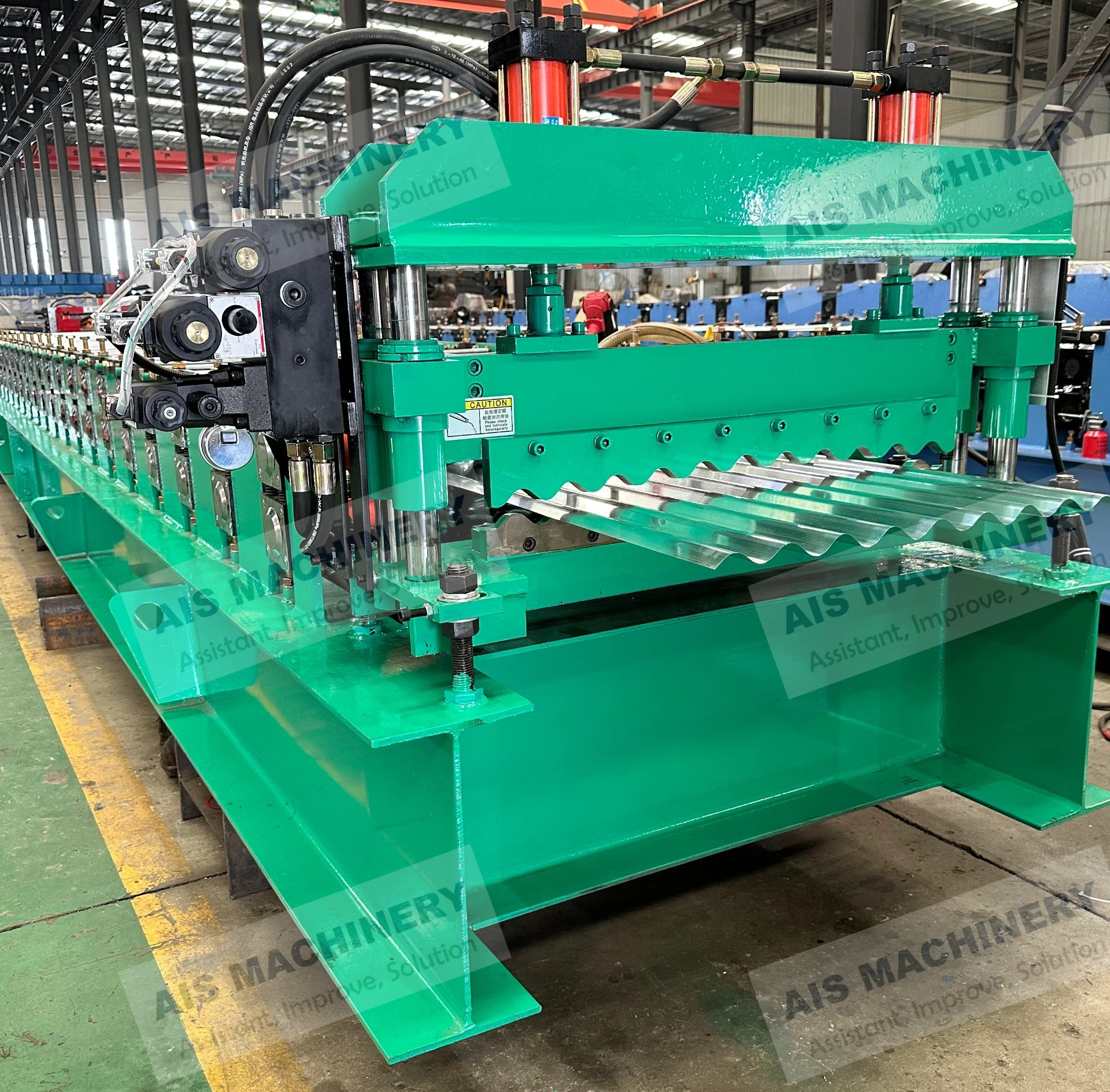
From Coil to Roof: Fast & Reliable Roll Forming
A roofing sheet roll forming machine transforms steel coils into corrugated, trapezoidal, tile, or double-layer profiles with precise shapes and smooth finishes. Widely used in residential, industrial, and commercial construction.Our machines help manufacturers reduce costs while producing durable and waterproof roofing panels for modern projects.
2025-08-21 10:43:36
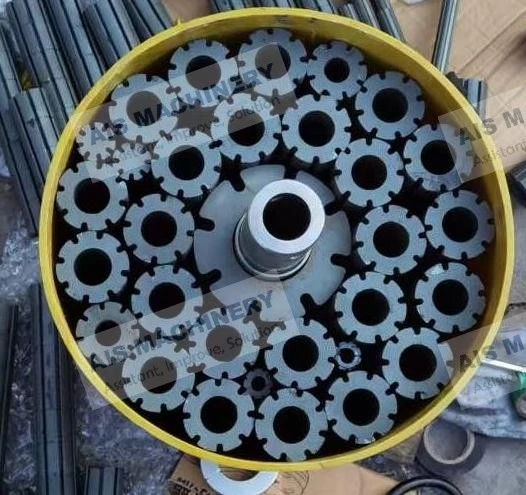
Ferrite VS Impeder: Key Differences in ERW Tube Mill
Ferrite used to guide and concentrate high-frequency current. The impeder is composed of ferrite rods, a protective sleeve, and a cooling tube. Installed inside ERW tube mills, it focuses the welding current on the seam, thereby improving efficiency and weld quality.
2025-07-28 15:14:17
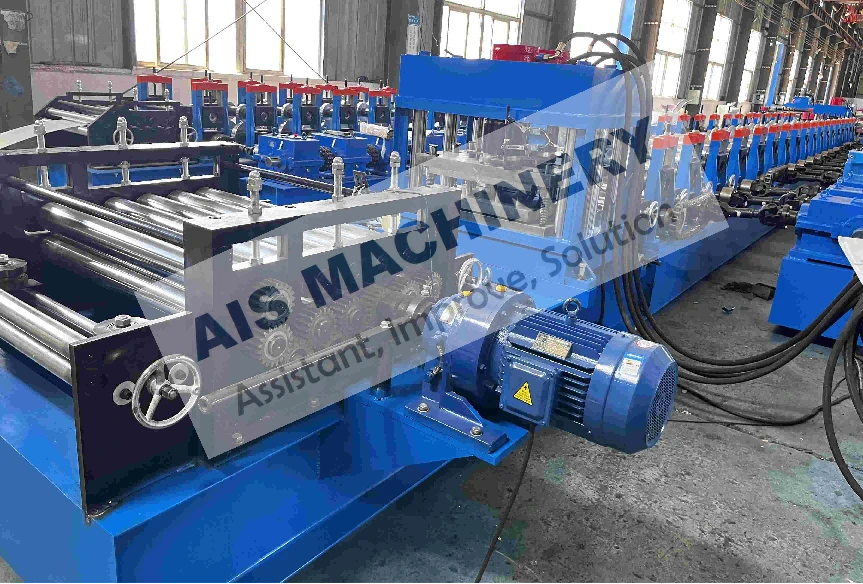
Steel Pipe Making Machine Material Compatibility
Understanding material compatibility in steel pipe making machine operations is crucial for ensuring product quality, equipment longevity, and production efficiency.
2025-07-28 15:10:43
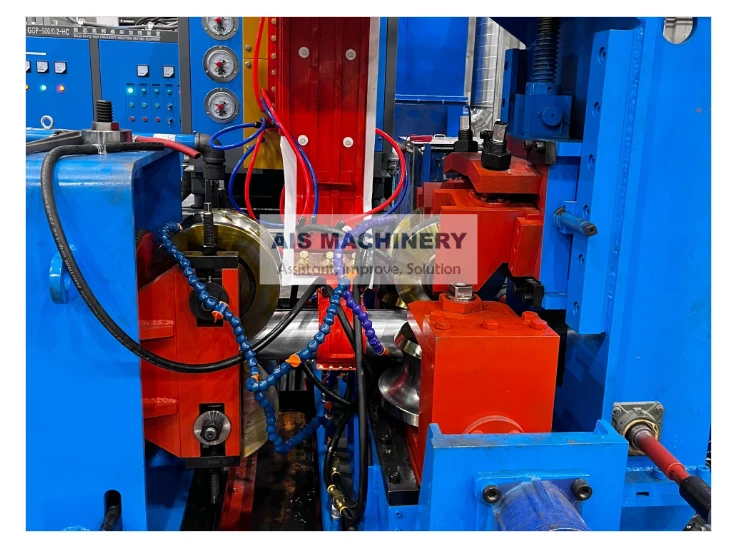
Solid State Welding Machine Material Compatibility
Understanding material compatibility is foundational to maximizing the performance of solid state welding machine systems, ensuring strong, durable welds while protecting equipment integrity.
2025-07-28 15:07:32
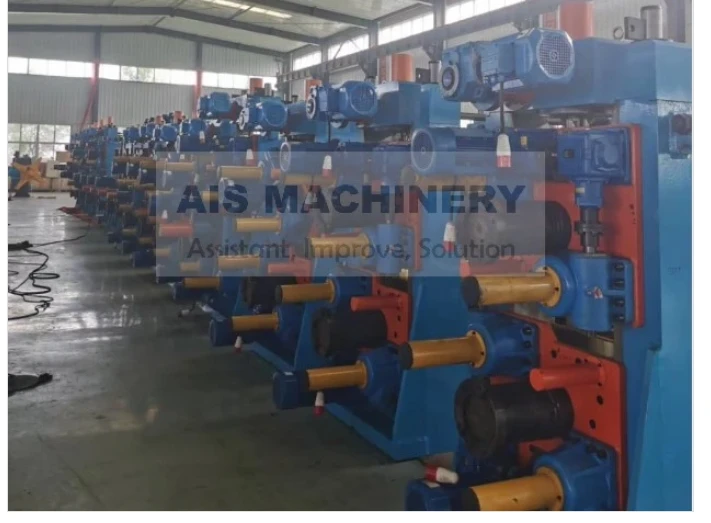
Production speed is a critical metric for pipe mill operations, directly impacting productivity, cost efficiency, and customer satisfaction.
2025-07-28 15:02:13
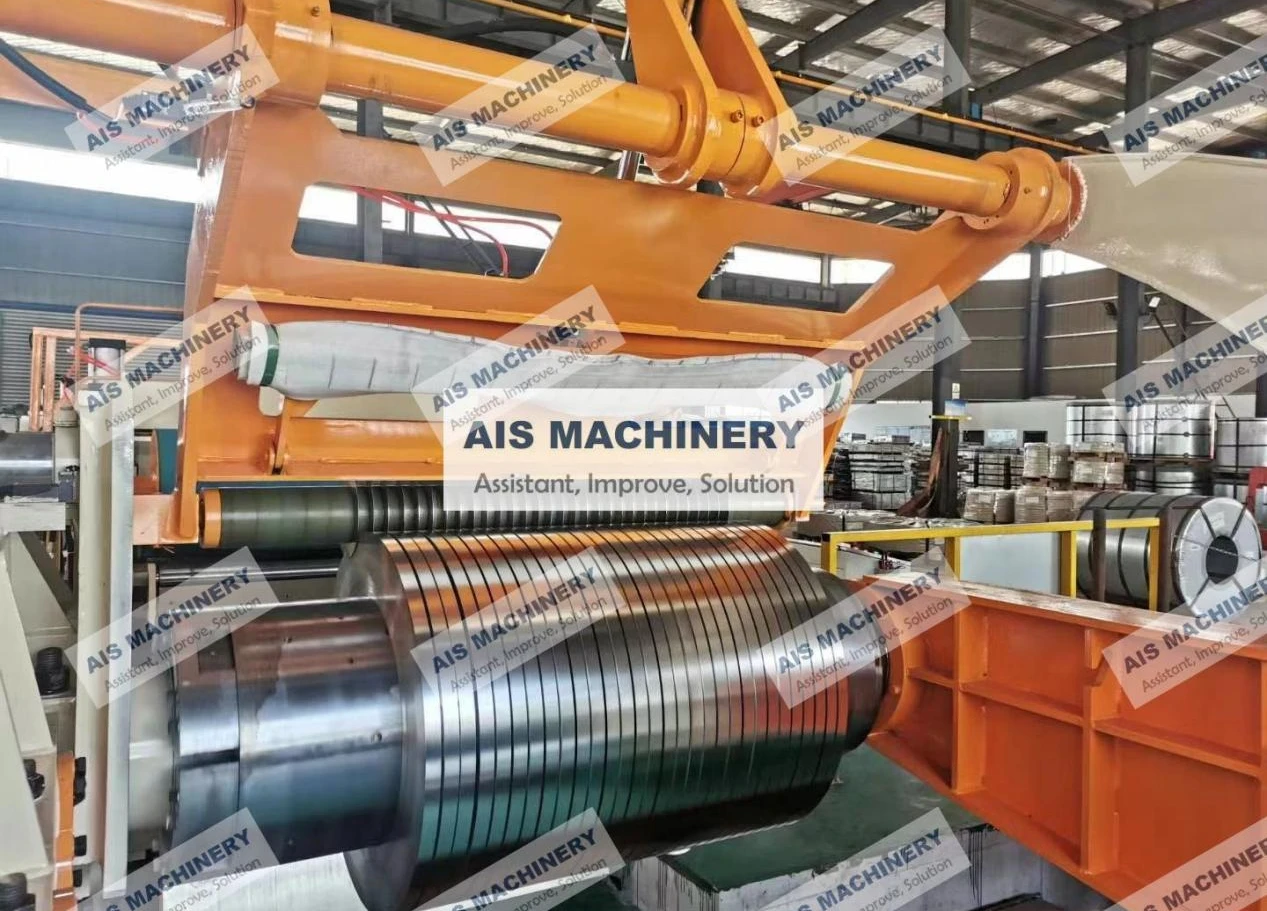
Metal Slitting Line Coil Width Range
Understanding the coil width range capabilities of a metal slitting line is essential for selecting equipment that aligns with diverse material processing needs, from narrow strips to wide coils.
2025-07-28 14:57:53
ERW Pipe Mill Material Compatibility
Material compatibility is a cornerstone of efficient and high-quality pipe production in ERW Pipe Mill operations.
Send a Message
Dear customer, thank you for your attention! We provide high-quality machinery and equipment and look forward to your orders. Please inform us of your needs and we will respond quickly!
 English
  Albanian
  Arabic
  French
  German
  Indonesian
  Italian
  Japanese
  Kazakh
  Korean
  Latin
Latin  Macedonian
  Portuguese
  Russian
  Spanish
  Thai
Thai  Turkish
  Ukrainian
  Uzbek
Uzbek