
-
 Tel:86-15176910262
-

Search

Precision Top Slitter Knives & Rotary Slitter Blades
Aug . 21, 2025 22:00
The Indispensable Role of Slitting Knives in Modern Industrial Manufacturing
In the intricate landscape of modern industrial manufacturing, precision and efficiency are paramount. At the heart of many metal processing, paper, plastic, and textile operations lies the critical process of slitting, where large material coils are precisely cut into narrower strips. This fundamental transformation is enabled by specialized tooling, among which top slitter knives play an indispensable role. These cutting-edge components are engineered to deliver clean, accurate, and burr-free cuts, directly impacting product quality, material yield, and operational throughput. Their performance is a direct determinant of manufacturing efficiency and cost-effectiveness in high-volume production environments.
The demand for ever-tighter tolerances and higher production speeds necessitates a deep understanding of slitting knife technology. Manufacturers across various sectors, from the rigorous demands of the steel industry to the delicate precision required in film processing, rely on these tools. This document delves into the sophisticated world of industrial slitting, focusing on the design, manufacturing, application, and strategic importance of advanced slitter knives and associated components like rotary slitter knives, circular slitter knives, and polyurethane rings. We aim to provide a comprehensive technical overview for B2B decision-makers and technical personnel seeking to optimize their slitting operations.
The continuous evolution of materials and manufacturing processes demands slitting solutions that can adapt and excel. From high-strength alloys to delicate films, the precision cutting delivered by these specialized blades ensures material integrity and facilitates subsequent processing steps. Investing in superior quality slitter blade technology is not merely an operational expenditure but a strategic decision that enhances productivity, reduces waste, and elevates overall product quality.
The Advanced Manufacturing Process of High-Performance Slitting Knives
The creation of high-quality top slitter knives is a testament to precision engineering, combining advanced metallurgy with sophisticated manufacturing techniques. The process is meticulous, ensuring each blade meets stringent performance criteria for durability, sharpness, and dimensional accuracy. Understanding this process is key to appreciating the value proposition of superior slitting tools.
1. Material Selection: The Foundation of Performance
The choice of material is critical for a slitter blade's performance and lifespan. Manufacturers select high-grade tool steels and specialty alloys based on the application's demands for hardness, toughness, wear resistance, and corrosion resistance. Common materials include:
- High-Speed Steel (HSS): Known for excellent hardness and wear resistance at high temperatures, typically M2, M42. Ideal for general-purpose metal slitting.
- D2 Tool Steel (DIN 1.2379/JIS SKD-11): A high-carbon, high-chromium tool steel offering exceptional wear resistance and dimensional stability after heat treatment. Widely used for cutting abrasive materials.
- Powder Metallurgy (PM) Steels: Such as CPM 10V, CPM S30V. These offer superior toughness and wear resistance due to their fine, uniform carbide distribution, leading to extended edge retention and reduced regrinding frequency.
- Tungsten Carbide (WC): For extreme wear resistance and cutting non-ferrous metals, plastics, and abrasive composites. Carbide circular slitter knives maintain their edge significantly longer, reducing downtime for blade changes.
Each material undergoes rigorous testing to confirm its chemical composition and mechanical properties, ensuring it meets specific industry standards before entering the manufacturing line.
2. Forging and Annealing: Shaping the Core
Initial shaping often begins with forging, which refines the grain structure of the material, enhancing its strength and toughness. After forging, the material undergoes an annealing process, heating it to a specific temperature and then slowly cooling it. This process relieves internal stresses, improves machinability, and prepares the steel for subsequent heat treatment, ensuring uniform hardness throughout the blade.
3. CNC Machining: Precision Profiling
Once the material is prepared, sophisticated Computer Numerical Control (CNC) machining centers are employed. This stage is crucial for achieving the precise dimensions, intricate profiles, and specific bore sizes required for rotary slitter knives. CNC technology allows for incredibly tight tolerances, ensuring that each slitter blade perfectly matches engineering specifications, which is vital for maintaining proper clearance and alignment in the slitting line.
4. Heat Treatment: Achieving Optimal Hardness and Toughness
Heat treatment is a transformative stage, imparting the desired hardness, wear resistance, and toughness to the blade. This typically involves:
- Hardening: Heating the blade to a high temperature, then rapidly quenching it in oil, salt, or gas. This forms a hard martensitic structure.
- Tempering: Reheating the blade to a lower temperature and holding it for a specific duration. This reduces brittleness, improves toughness, and achieves the desired final hardness (e.g., 60-64 HRC for D2 steel, 62-66 HRC for HSS).
- Cryogenic Treatment (Optional but Recommended): For high-performance blades, deep cryogenic treatment is applied after hardening and before tempering. This process converts retained austenite to martensite and precipitates fine carbides, further enhancing wear resistance, dimensional stability, and edge retention, significantly extending the service life of top slitter knives.
5. Precision Grinding and Lapping: The Finishing Touches
After heat treatment, the blades undergo multiple stages of precision grinding. Surface grinding ensures flatness and parallelism, while internal and external diameter grinding achieves precise concentricity and runout tolerances. Advanced CNC grinding machines can achieve surface finishes down to Ra 0.2 µm and dimensional tolerances as tight as ±0.001 mm. For exceptionally fine finishes and ultimate precision, a lapping process may follow, reducing surface friction and extending blade life.
6. Edge Sharpening and Polishing: The Cutting Edge
The final step in forming the cutting edge involves precise sharpening and polishing. The angle and finish of the cutting edge are optimized for the specific material being slit, ensuring clean, burr-free cuts and minimizing heat generation. Robotic sharpening systems ensure consistent edge geometry across entire batches of blades.
7. Rigorous Quality Control and Inspection Standards
Throughout the manufacturing process, and especially at its conclusion, stringent quality control measures are implemented. Adherence to international standards such as ISO 9001:2015 is non-negotiable. Key inspection parameters for circular slitter knives include:
- Hardness Testing: Rockwell (HRC) or Vickers (HV) testing to ensure target hardness.
- Dimensional Accuracy: Using CMM (Coordinate Measuring Machine) and laser micrometers to verify outer diameter, inner diameter, thickness, and parallelism. Typical parallelism tolerance for high-precision blades is within ±0.002 mm.
- Runout and Concentricity: Critical for clean cuts, measured to ensure minimal wobble during rotation. Radial and axial runout should typically be less than 0.005 mm.
- Surface Finish: Measured to ensure smooth surfaces that reduce friction and extend blade life.
- Edge Integrity: Microscopic inspection to ensure a consistent, sharp, and chip-free cutting edge.
These meticulous steps ensure that every slitter blade delivered offers superior performance, extended operational life, and consistent quality, translating directly into enhanced productivity and reduced maintenance for end-users.
Technical Specifications and Performance Metrics of Top Slitter Knives
The efficacy of top slitter knives is quantified through a range of technical specifications and performance metrics. These parameters are crucial for selecting the correct blade for a specific application and for evaluating its overall performance and value. Below is a table outlining typical specifications for high-performance rotary slitter knives.
| Parameter | Description | Typical Range for High-Performance Knives | Impact on Performance |
|---|---|---|---|
| Material Grade | Composition of alloy used. | D2 (SKD-11), HSS (M2, M42), CPM 10V, Tungsten Carbide | Determines wear resistance, toughness, and ultimate blade life. |
| Hardness (HRC) | Rockwell C scale hardness. | 58-66 HRC (material dependent) | Higher HRC generally means better wear resistance but can impact toughness. |
| Outer Diameter (OD) | Overall blade diameter. | Typically 60mm - 400mm (customizable) | Dictated by machine specifications and material width. |
| Inner Diameter (ID) / Bore Size | Hole diameter for mounting on arbor. | Typically 30mm - 200mm (precision ground to H7/H6 tolerance) | Ensures precise fit and minimizes runout. |
| Thickness | Blade width. | 1mm - 25mm (customizable to +/- 0.001mm) | Determines minimum slit width and shear capacity. |
| Parallelism Tolerance | Deviation from perfectly parallel surfaces. | ±0.001 mm to ±0.002 mm | Crucial for consistent slit width and reduced burr. |
| Axial & Radial Runout | Wobble during rotation (axial) and concentricity deviation (radial). | Typically < 0.005 mm (T.I.R. - Total Indicator Reading) | Minimizes vibration, improves cut quality, and extends blade life. |
| Surface Finish (Ra) | Roughness average of blade surface. | Ra 0.2 µm - 0.4 µm | Reduces friction, minimizes material sticking, and enhances cut quality. |
| Cutting Edge Angle | Angle of the blade's sharpened edge. | Variable (e.g., 20°, 30°, multi-angle grind) | Optimized for specific material types (e.g., steep for thin films, less acute for thick metals). |
| PVD/CVD Coatings (Optional) | Physical/Chemical Vapor Deposition coatings. | TiN, TiCN, AlTiN, DLC (Diamond-Like Carbon) | Increases surface hardness, reduces friction, enhances wear resistance, and prevents material buildup. Extends blade life by 2-5x. |
These specifications collectively define the performance envelope of a slitter blade. For instance, a blade with exceptional parallelism and minimal runout will produce strips with precise dimensions and clean edges, significantly reducing scrap and improving downstream processability. The selection of coatings can dramatically extend the operational life, especially when slitting abrasive or sticky materials, leading to substantial cost savings from reduced blade changes and regrinding.
Industry Trends and Innovations in Slitting Technology
The industrial slitting sector is continuously evolving, driven by demands for higher speeds, greater accuracy, and enhanced material compatibility. Key trends impacting the design and application of top slitter knives include:
- Automation and Industry 4.0 Integration: Smart slitting lines increasingly incorporate sensors and AI for real-time monitoring of blade wear, cut quality, and machine parameters. This allows for predictive maintenance and automated adjustments, optimizing knife changes and reducing human error.
- Advanced Materials for Blades: Research continues into new PM tool steels and ceramic composites that offer superior combinations of hardness, toughness, and thermal stability, further extending the life of circular slitter knives in challenging environments.
- Sustainable Manufacturing Practices: Emphasis on longer-lasting blades reduces material waste and energy consumption associated with manufacturing new tools and disposing of worn ones. Manufacturers are also exploring more environmentally friendly coatings and production processes.
- Precision Coatings Evolution: While PVD/CVD are standard, newer nanostructured coatings and multi-layered systems are emerging, offering even lower friction coefficients and higher resistance to abrasion and corrosion, significantly benefiting the lifespan of specialized slitter blade designs.
- Modular and Quick-Change Systems: To minimize downtime during blade changes, modular slitting head designs and quick-locking mechanisms are becoming more prevalent. This trend necessitates highly precise and interchangeable rotary slitter knives and spacers.
These trends underscore the importance of partnering with manufacturers who are at the forefront of innovation, ensuring access to cutting-edge solutions that meet future production demands.
Applications Across Diverse Industries and Technical Advantages
The versatility and precision of top slitter knives make them essential in a broad spectrum of industries, each with unique material and operational requirements. Their advantages are particularly evident in critical applications where accuracy, longevity, and resistance to environmental factors are paramount.
Key Application Scenarios:
- Steel and Metal Processing: From thin gauge stainless steel to heavy gauge carbon steel, slitter blade technology is fundamental for producing strips for automotive, construction, and appliance manufacturing. High wear resistance and toughness are critical here.
- Petrochemical Industry (e.g., Pipe and Tube Manufacturing): In the production of pipes and tubes, especially for oil and gas transmission, precision slitting of steel coils ensures the uniformity and integrity of the raw material before forming and welding. High-alloy blades are used to slit specialized steel grades.
- Paper and Packaging: High-speed slitting of paper, cardboard, and flexible packaging materials requires exceptionally sharp and clean-cutting rotary slitter knives to prevent dust and edge tearing, ensuring product quality for consumer goods.
- Plastics and Films: The delicate nature of plastic films (e.g., BOPP, PET, PVC) and sheets demands blades with ultra-fine edges and specialized coatings to minimize static, prevent melting, and achieve smooth, burr-free slits for everything from food packaging to solar panels.
- Textile and Non-Wovens: For industrial fabrics, geotextiles, and medical non-wovens, precise circular slitter knives ensure consistent strip widths and clean edges, preventing fraying and ensuring material integrity for downstream processes.
- Give and Drainage (Water Treatment and Pipe Infrastructure): In the context of large-diameter pipes or components for water infrastructure, the base metal sheets often undergo extensive slitting and forming processes, where the quality of the initial cut is paramount for subsequent welding and structural integrity.
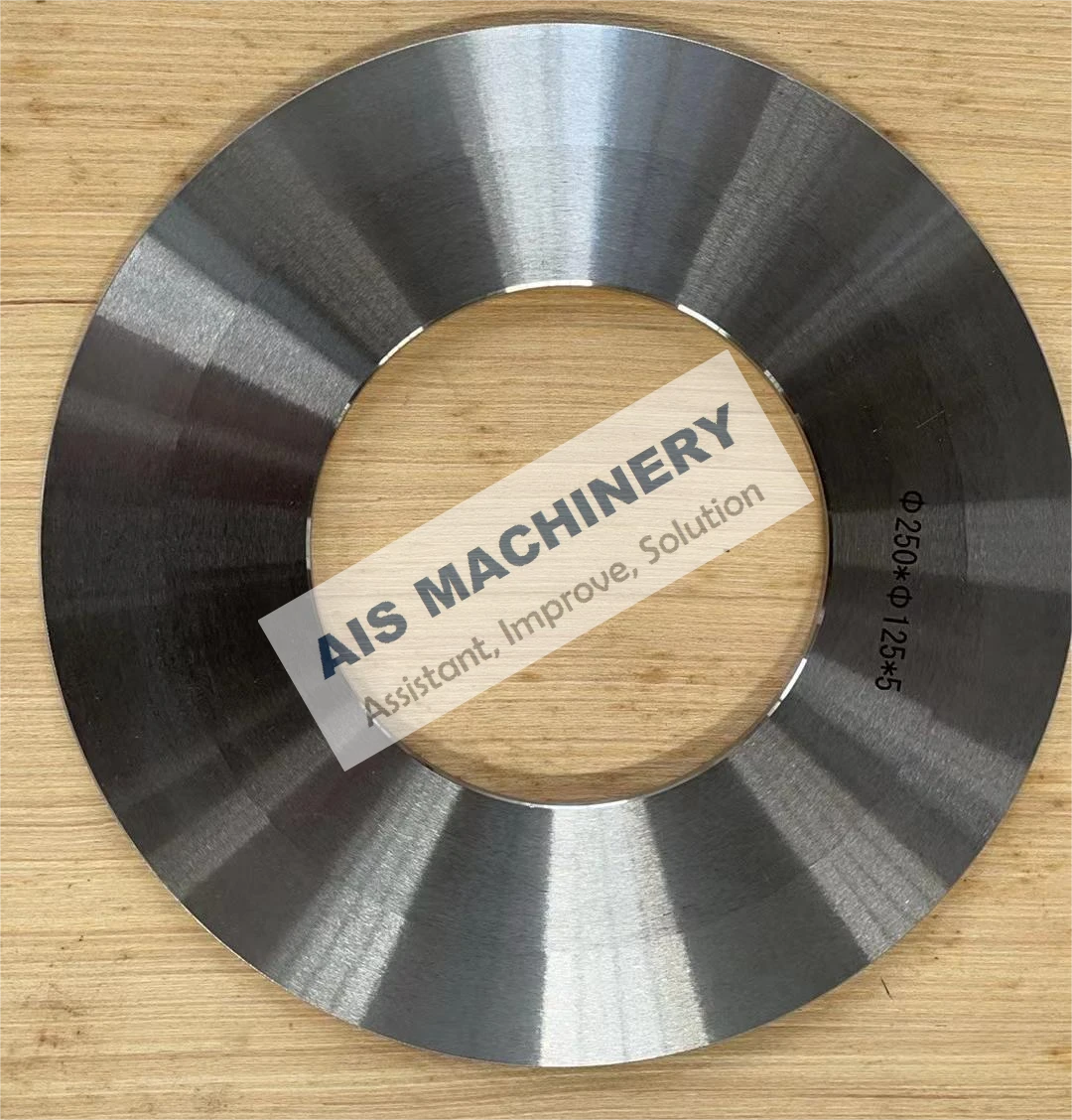
Technical Advantages in Typical Applications:
- Energy Efficiency: Optimally designed top slitter knives with superior edge retention and low friction coatings reduce the power required for cutting. A sharp blade creates less resistance, leading to up to 15% energy savings in continuous high-volume operations compared to dull or poorly manufactured blades. This directly contributes to lower operational costs and a reduced carbon footprint.
- Corrosion Resistance: For applications in humid environments, chemical processing, or with corrosive materials (e.g., certain plastics or treated metals), blades made from corrosion-resistant alloys (like stainless tool steels) or featuring specialized PVD/CVD coatings (e.g., chromium nitride) offer extended lifespan and prevent material contamination. This is crucial in petrochemical and food packaging sectors where product purity is vital.
- Reduced Downtime & Maintenance: Blades with extended operational lifespans reduce the frequency of blade changes and regrinding, leading to significant reductions in machine downtime. This translates to higher overall equipment effectiveness (OEE) and increased production capacity. For a typical slitting line running 24/7, reducing blade changes from once every 8 hours to once every 24 hours can save hundreds of hours of production time annually.
- Superior Cut Quality: Precision-ground blades with minimal runout deliver clean, burr-free, and dimensionally accurate strips. This is paramount for downstream processes, as poor cut quality can lead to material rejection, welding defects in tube mills, or issues in printing and lamination.
- Material Yield Optimization: Consistent and accurate slitting minimizes scrap material and maximizes the usable output from each coil. For expensive materials like specialized alloys or high-performance films, even a small improvement in yield can result in substantial cost savings.
Slitting Spacers and Polyurethane Rings: The Unsung Heroes of Precision Slitting
While top slitter knives are the primary cutting elements, the overall performance and stability of a slitting line are significantly influenced by complementary components, namely slitting spacers and polyurethane rings.
Slitting Spacers: Maintaining Precision Slit Widths
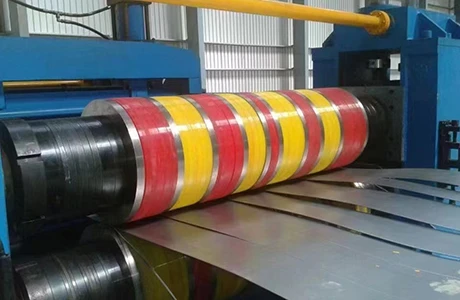
Slitting spacers (also known as shims or collars) are precisely manufactured rings that are placed between the circular slitter knives on the arbor. Their primary function is to establish and maintain the exact desired width of the slit strips. They come in various materials, including hardened steel, aluminum, and even carbide, depending on the application and precision required. Key aspects include:
- Material: High-quality hardened steel (e.g., 52100, tool steel) for precision and durability.
- Precision Grinding: Spacers must have extremely tight thickness tolerances (e.g., ±0.0005 mm) and parallelism to ensure consistent slit width across the entire coil.
- Surface Finish: A smooth, lapped surface reduces friction and prevents material scratching during operation.
- Interchangeability: Precision manufacturing ensures that spacers are fully interchangeable, simplifying setup and reducing errors.
The accuracy of the spacers directly impacts the final product's dimensional stability. Incorrectly sized or worn spacers can lead to variations in slit width, burrs, or even knife damage.
Polyurethane Rings: Protecting Edges and Managing Tension
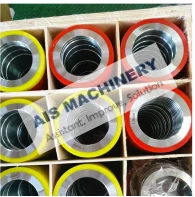
Polyurethane rings, often used in conjunction with slitting knives, serve multiple critical functions in a slitting line:
- Edge Protection: They act as sacrificial components, preventing direct metal-on-metal contact between the slitting knives and the arbor or other components, thereby protecting the delicate cutting edges from chipping or premature wear.
- Strip Separation and Guiding: Their flexibility allows them to separate the newly slit strips as they exit the cutting zone, preventing them from intertwining or scratching each other. They also help guide the strips smoothly onto the rewind spools.
- Tension Control: In some applications, they assist in maintaining consistent tension across the individual strips, crucial for producing tightly wound, uniform coils.
- Damping: The elastic properties of polyurethane help dampen vibrations in the slitting line, contributing to smoother operation and improved cut quality.
These rings are typically manufactured from high-grade polyurethane with specific hardness (Durometer) ratings, chosen to match the application's demands for abrasion resistance and elasticity. Their durability directly influences operational efficiency and maintenance cycles.
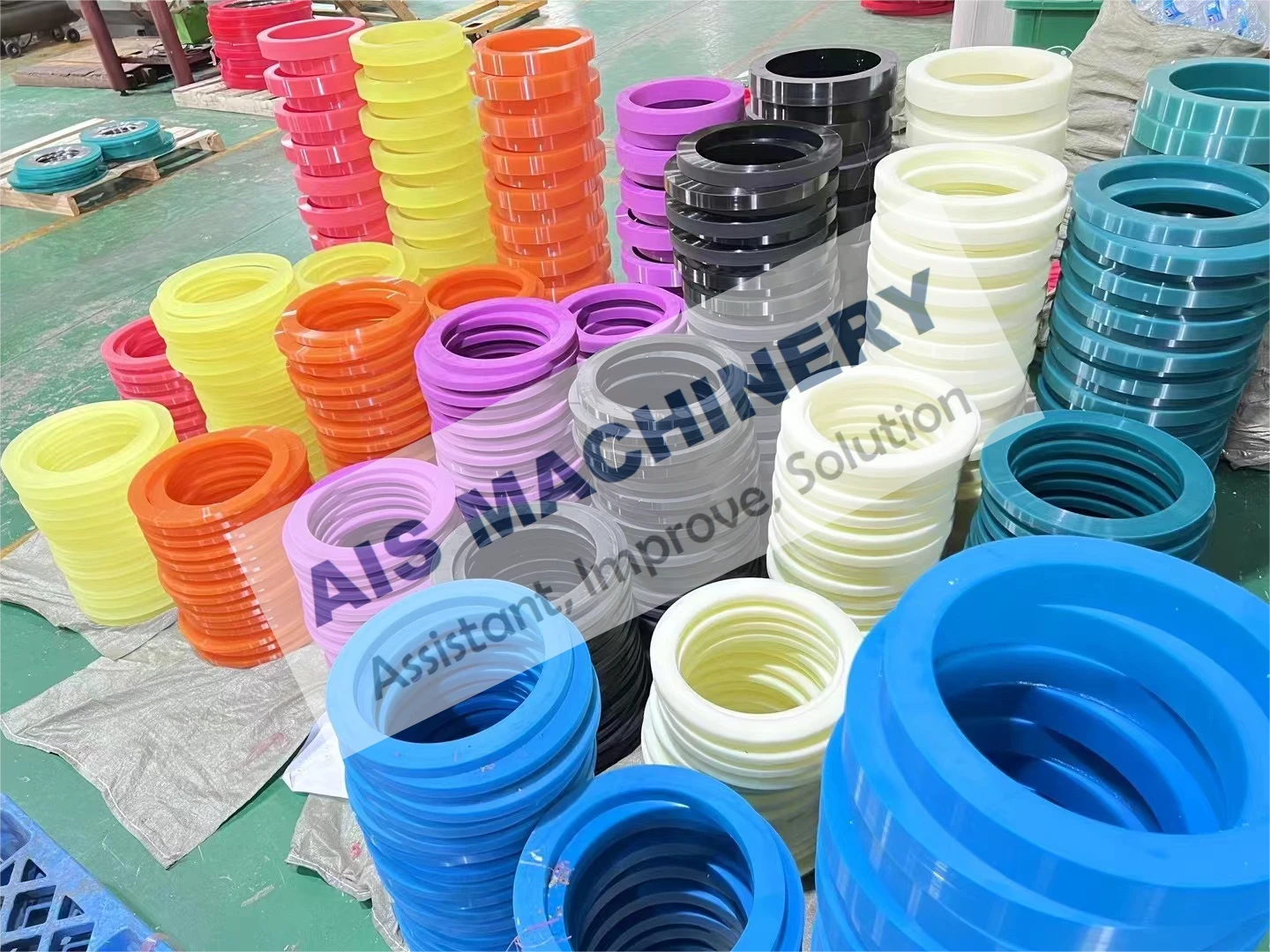
Both slitting spacers and polyurethane rings, despite their often overlooked role, are integral to achieving the high levels of precision and efficiency demanded by modern slitting operations. Selecting high-quality, precisely manufactured spacers and durable polyurethane rings is as important as choosing premium top slitter knives.
Manufacturer Comparison: What to Look For in a Slitting Knife Partner
Choosing the right manufacturer for top slitter knives and associated tooling is a strategic decision that impacts long-term operational costs, product quality, and competitive advantage. Beyond merely price, B2B buyers should evaluate potential partners based on a comprehensive set of criteria reflecting Google's principles: Expertise, Experience, Authoritativeness, and Trustworthiness.
Expertise: Technical Prowess and Understanding
- Metallurgical Knowledge: Does the manufacturer possess deep expertise in various tool steels, carbides, and advanced alloys? Can they recommend the optimal material for your specific slitting application (e.g., D2 for abrasive steel, HSS for general purpose, Tungsten Carbide for non-ferrous)?
- Manufacturing Capabilities: Are they equipped with state-of-the-art CNC grinding, heat treatment, and lapping facilities capable of achieving micron-level tolerances? Do they utilize advanced processes like cryogenic treatment?
- Design and Engineering Support: Can they collaborate on custom blade designs for unique applications? Do they understand blade geometry, shear angles, and optimal clearance for different materials?
- Application Specificity: Can they demonstrate a nuanced understanding of slitting challenges in your specific industry (e.g., burr control in high-strength steel, dust reduction in paper, edge melting prevention in plastic films)?
Experience: Proven Track Record and Industry Insight
- Years in Business: A long-standing history in the slitting knife industry (e.g., AISTubeMill's decades of experience in tube mill components and related tooling) often correlates with accumulated knowledge and stability.
- Portfolio of Clients/Projects: Look for examples of successful implementations across diverse industries and with reputable companies. Do they have experience solving complex slitting problems?
- Feedback and Testimonials: Genuine client feedback on product performance, responsiveness, and problem-solving abilities.
- Post-Sale Support: Experience in regrinding services, troubleshooting, and offering continuous improvement suggestions.
Authoritativeness: Credentials and Industry Recognition
- Certifications: ISO 9001:2015 certification is a foundational indicator of a robust quality management system. Compliance with other industry-specific standards (e.g., ASTM, ANSI) is also valuable.
- Quality Control Protocols: Ask about their internal QC procedures – CMM inspections, hardness testing, runout verification, statistical process control (SPC). A manufacturer should be transparent about their testing data.
- R&D Investment: Does the company invest in research and development to innovate new materials, coatings, or manufacturing techniques for rotary slitter knives? This shows a commitment to leading the industry.
- Industry Affiliations: Membership in relevant industry associations (e.g., Metal Service Center Institute, Associations of Steel Distributors) can indicate a commitment to industry best practices and collaboration.
Trustworthiness: Reliability and Customer Commitment
- Transparency: Openness about manufacturing processes, material sourcing, and quality control data.
- Warranty and Guarantees: Clear policies on product warranty, performance guarantees, and return procedures.
- Delivery Reliability: Consistent on-time delivery and efficient logistics. For critical spares, this is paramount.
- Customer Support: Responsive technical support, easy communication channels, and a willingness to address issues promptly.
By thoroughly vetting potential suppliers against these criteria, businesses can forge partnerships that not only provide high-quality slitter blade solutions but also contribute to long-term operational excellence and profitability.
Customization Solutions for Optimal Performance
While standard top slitter knives meet a wide range of requirements, achieving truly optimal performance often necessitates customized solutions. A reputable manufacturer understands that every slitting operation has unique parameters – from material type and thickness to line speed and desired cut quality. Customization allows for fine-tuning blade characteristics to perfectly match these specific demands.
Key Areas of Customization:
- Material Specification: Tailoring the alloy or carbide grade based on the material being slit (e.g., custom PM steel for ultra-high strength steel, specific carbide grade for highly abrasive composites).
- Dimensions and Tolerances: Manufacturing blades with non-standard outer diameters, inner diameters, or thicknesses to fit unique machine configurations or achieve specific slit widths. This includes ultra-tight parallelism and runout tolerances for applications demanding extreme precision.
- Cutting Edge Geometry: Modifying the grind angle (e.g., single bevel, double bevel, compound angle) and relief angles to optimize shear force, minimize burr, reduce dust, and extend edge life for particular materials. For instance, a sharper angle might be ideal for thin films, while a more robust angle is suited for thick metals.
- Surface Coatings: Applying specialized PVD/CVD coatings (e.g., TiN, TiCN, AlTiN, DLC, CrN) to enhance wear resistance, reduce friction, prevent material sticking, or provide corrosion protection. The choice of coating depends heavily on the material, speed, and environment. For example, DLC coatings excel in non-ferrous and adhesive material slitting.
- Heat Treatment Protocols: Customizing the hardening and tempering cycles, potentially including cryogenic treatment, to achieve a precise balance of hardness and toughness for the specific application.
- Tooth/Scoring Profiles: For applications requiring perforations or scoring instead of full separation, specialized tooth profiles can be engineered into circular slitter knives.
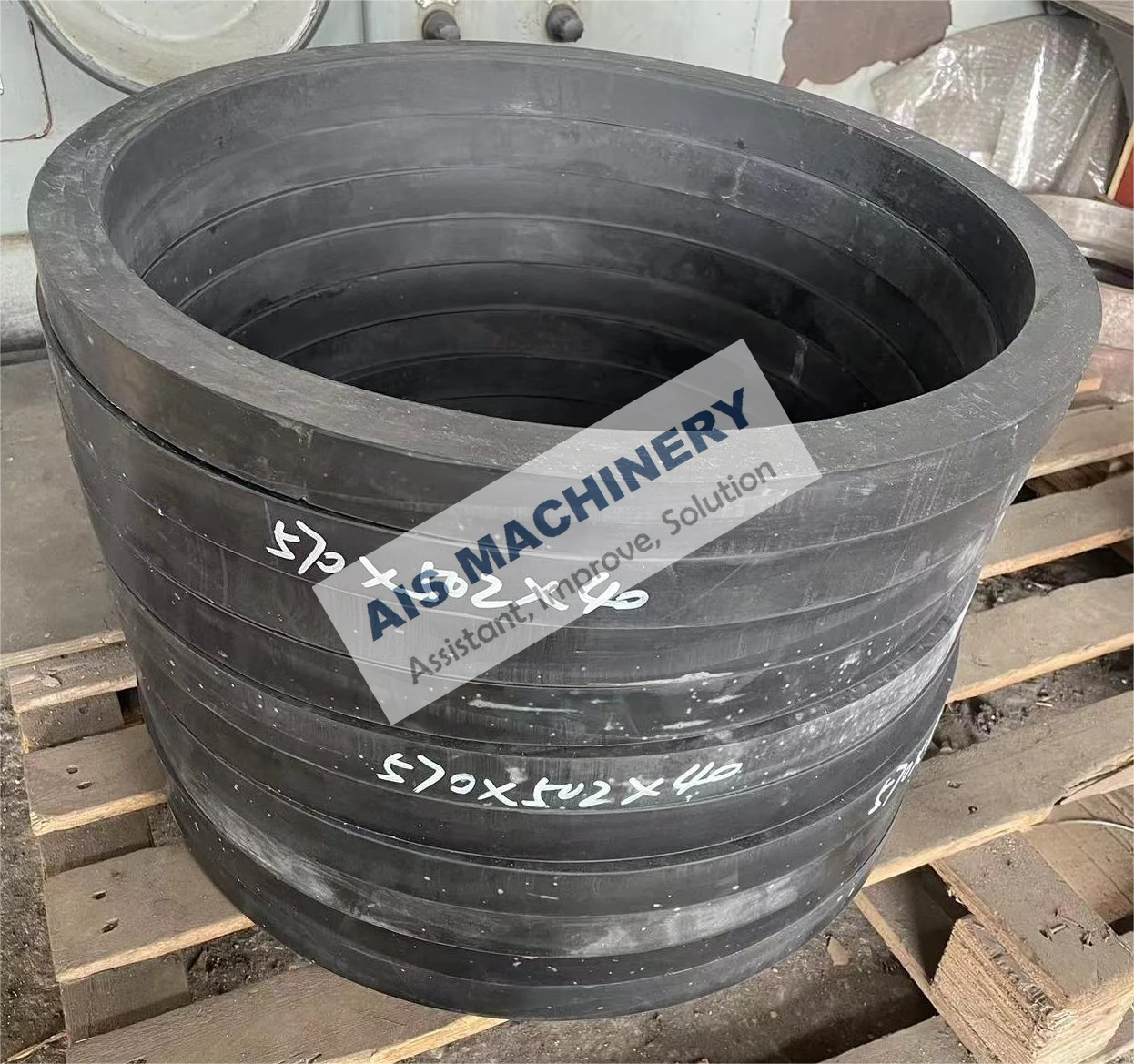
Customization is not merely about changing dimensions; it's about a deep engineering partnership. An expert manufacturer will engage in a thorough consultation process, analyzing the client's material, machine, output requirements, and existing challenges. This collaborative approach ensures that the resulting custom slitter blade solution provides a measurable improvement in performance, leading to increased uptime, superior product quality, and reduced operational costs. This tailored approach differentiates leading suppliers in the market.
Real-World Application Cases and Performance Insights
The true value of high-performance top slitter knives is best illustrated through real-world applications where they have significantly improved operational metrics. Here are a few representative scenarios:
Case Study 1: High-Strength Steel Processing
- Challenge: A major automotive supplier struggled with excessive burr formation and rapid blade wear when slitting advanced high-strength steels (AHSS), leading to frequent blade changes (every 4 hours) and costly secondary deburring operations.
- Solution: Partnered with a specialized manufacturer to develop custom rotary slitter knives made from CPM 10V powder metallurgy steel, featuring a multi-bevel grind and an AlTiN PVD coating.
- Outcome: Blade life increased by over 300% (from 4 hours to 16+ hours between regrinds). Burr formation was reduced by 70%, virtually eliminating the need for secondary deburring and significantly reducing material scrap. This resulted in an estimated annual saving of $250,000 in operational costs and a 15% increase in line uptime.
Case Study 2: Thin Film Slitting for Packaging
- Challenge: A flexible packaging company experienced issues with dust generation and inconsistent edge quality when slitting thin BOPP and PET films at high speeds, affecting product aesthetics and seal integrity.
- Solution: Implemented circular slitter knives manufactured from fine-grain tungsten carbide, precision lapped to an Ra 0.1 µm surface finish, and featuring a highly acute, polished cutting edge.
- Outcome: Dust generation was reduced by 90%, and edge quality improved dramatically, leading to zero customer rejections related to slitting. Blade life was extended by 500% compared to previous steel blades, drastically cutting down on regrinding cycles and associated costs.
Case Study 3: Large Diameter Tube Mill Slitting
- Challenge: A large diameter pipe manufacturer faced challenges with distortion and uneven edges when slitting thick, high-yield strength steel coils for welded pipe production. This led to issues in subsequent forming and welding processes.
- Solution: Utilized bespoke slitter blade sets, specifically designed with optimized shear angles and manufactured from through-hardened D2 steel with a cryogenic treatment. This was coupled with precision-ground slitting spacers ensuring extreme parallelism.
- Outcome: Edge distortion was eliminated, and overall cut quality improved by 40%, significantly reducing scrap rates for the expensive raw material. The robust blades and spacers allowed for longer continuous runs without adjustment, enhancing overall productivity and reducing welding defects downstream.
These cases highlight that the investment in high-quality, engineered slitting solutions pays dividends through improved product quality, reduced waste, enhanced operational efficiency, and substantial cost savings. It's a strategic investment that directly impacts the bottom line.
Frequently Asked Questions (FAQ)
Q1: What materials are top slitter knives typically made from?
A: High-performance top slitter knives are commonly manufactured from specialized tool steels like D2 (SKD-11), High-Speed Steel (HSS - M2, M42), and advanced Powder Metallurgy (PM) steels such as CPM 10V. For extreme wear resistance, especially when cutting non-ferrous materials, plastics, or highly abrasive composites, tungsten carbide (WC) is often the material of choice. The selection depends on the material to be slit, desired blade life, and specific operational conditions.
Q2: How do I choose the correct slitter blade for my application?
A: Selecting the correct slitter blade involves considering several factors: the type and thickness of the material being slit, desired cut quality (burr-free, dust-free), machine specifications (OD, ID, thickness), operating speed, and environmental conditions. It's highly recommended to consult with an experienced knife manufacturer. They can analyze your specific needs and recommend the optimal material, geometry, and coatings (e.g., TiN, DLC) to maximize blade life and cut quality.
Q3: What are the benefits of using polyurethane rings in a slitting line?
A: Polyurethane rings serve several vital functions. They protect the delicate cutting edges of the circular slitter knives from impact and friction, thereby extending blade life. They also assist in separating the slit strips, preventing intertwining, and guiding them smoothly onto the rewind spools. Additionally, they can help dampen vibrations and maintain consistent tension across individual strips, contributing to overall operational stability and product quality.
Q4: How do I maximize the lifespan of my rotary slitter knives?
A: To maximize lifespan: 1) Use the correct blade material and coating for your application. 2) Ensure proper setup, including precise alignment, correct overlap, and minimal runout. 3) Maintain optimal blade sharpness through timely and professional regrinding by qualified services. 4) Utilize high-quality spacers and polyurethane rings to protect blade edges. 5) Implement a robust preventative maintenance schedule for your slitting machine to ensure smooth operation.
Q5: What is the typical delivery timeframe for custom slitter blade orders?
A: Delivery times for custom slitter blade orders can vary based on complexity, material availability, and current production load. Typically, lead times range from 4 to 8 weeks for highly specialized tools. Standard or semi-custom blades might have shorter lead times, often 2-4 weeks. It is always best to discuss your specific requirements and urgency with the manufacturer to get an accurate estimate and potentially arrange for expedited services for critical situations.
Our Commitment to Quality: Warranty, Delivery, and Customer Support
As a leading supplier of industrial slitting solutions, we understand that trust is built on reliability, transparency, and unwavering support. Our commitment to our B2B clients extends far beyond merely manufacturing superior top slitter knives; it encompasses a holistic approach to service and partnership.
Comprehensive Quality Assurance and Warranty:
Every slitter blade, spacer, and polyurethane ring produced by AISTubeMill undergoes rigorous, multi-stage quality control processes, adhering to strict ISO 9001:2015 standards. We stand behind the quality and performance of our products with a comprehensive warranty against manufacturing defects and material failures under normal operating conditions. Our dedication to precision ensures that each component meets or exceeds published specifications for hardness, dimensional accuracy, parallelism, and runout. Detailed test certificates are available upon request, providing full transparency on product quality metrics.
Reliable Delivery and Efficient Logistics:
We recognize that timely delivery is crucial for maintaining your production schedules. Our robust supply chain management and efficient manufacturing processes enable us to offer competitive lead times for both standard and custom rotary slitter knives. For critical components, we offer expedited production and shipping options to minimize your downtime. Our logistics team works diligently to ensure that your orders are packed securely and delivered to your facility on schedule, whether it's a domestic shipment or international freight.
Dedicated Customer Support and Technical Partnership:
Our commitment to your success extends throughout the entire product lifecycle. Our team of experienced technical engineers and customer support specialists is readily available to provide:
- Pre-sales Consultation: Expert guidance on material selection, blade geometry, and coating options tailored to your specific slitting challenges.
- Application Support: Troubleshooting assistance for performance issues, optimization recommendations for cut quality, and advice on extending blade life.
- After-sales Service: Responsive handling of any inquiries, warranty claims, or regrinding service needs.
- Long-term Partnership: We aim to be more than just a supplier; we strive to be a long-term technical partner, continuously seeking ways to improve your slitting operations through innovation and superior tooling.
Choosing our slitting knives means choosing a partner dedicated to delivering unparalleled quality, reliable service, and tangible operational improvements for your business.
References
- Smith, J. D., & Cheal, B. B. (2018). Tool Materials and Their Performance in Metalworking Operations. International Journal of Advanced Manufacturing Technology, 99(5-8), 1234-1245.
- Wang, P., & Li, Q. (2020). Advances in Surface Coatings for Industrial Cutting Tools: A Review. Surface and Coatings Technology, 387, 125501.
- ISO 9001:2015. Quality management systems – Requirements. International Organization for Standardization.
- ASM Handbook, Volume 16: Machining. (2009). ASM International.
- Doe, J. (2021). Optimizing Slitting Operations for High-Strength Steels: A Practical Guide. Journal of Metal Processing, 15(3), 87-95.

Related Products

Related News
2027-04-24 00:00:00
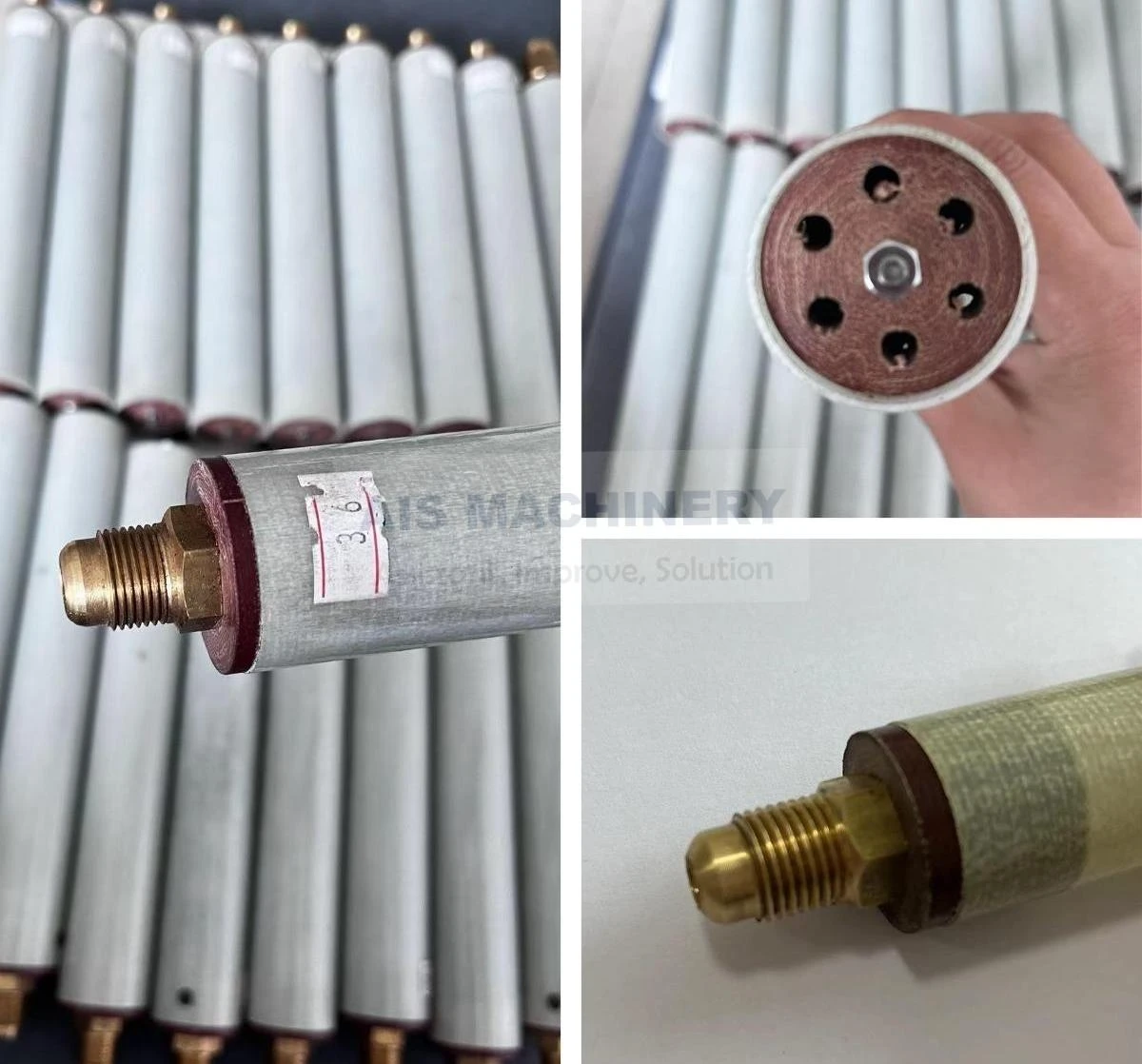
What is an Impeder and Ferrite Rods in ERW Tube Mill?
Struggling with impeder overheating or short service life in your ERW tube mill? This guide explains common impeder problems, the role of ferrite rods, and how to choose the right impeder for stable welding performance. Improve weld quality, reduce energy loss, and extend equipment lifespan with the right selection and proper cooling solutions.
2026-04-21 10:22:25
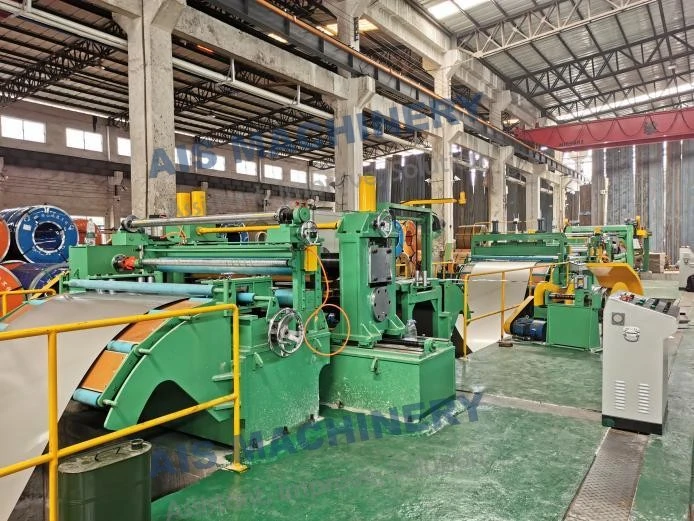
Slitting & Cut-to-Length Combined Production Line: A Smarter Way to Process Steel Coils
Discover the Slitting & Cut-to-Length Combined Production Line, a flexible solution for steel coil processing. This system integrates slitting line and cut-to-length line functions in one machine, saving space, reducing costs, and improving efficiency. Ideal for processing both steel strips and sheets, it is widely used in service centers and manufacturing industries. Learn its advantages, limitations, and applications.
2026-04-18 03:20:20
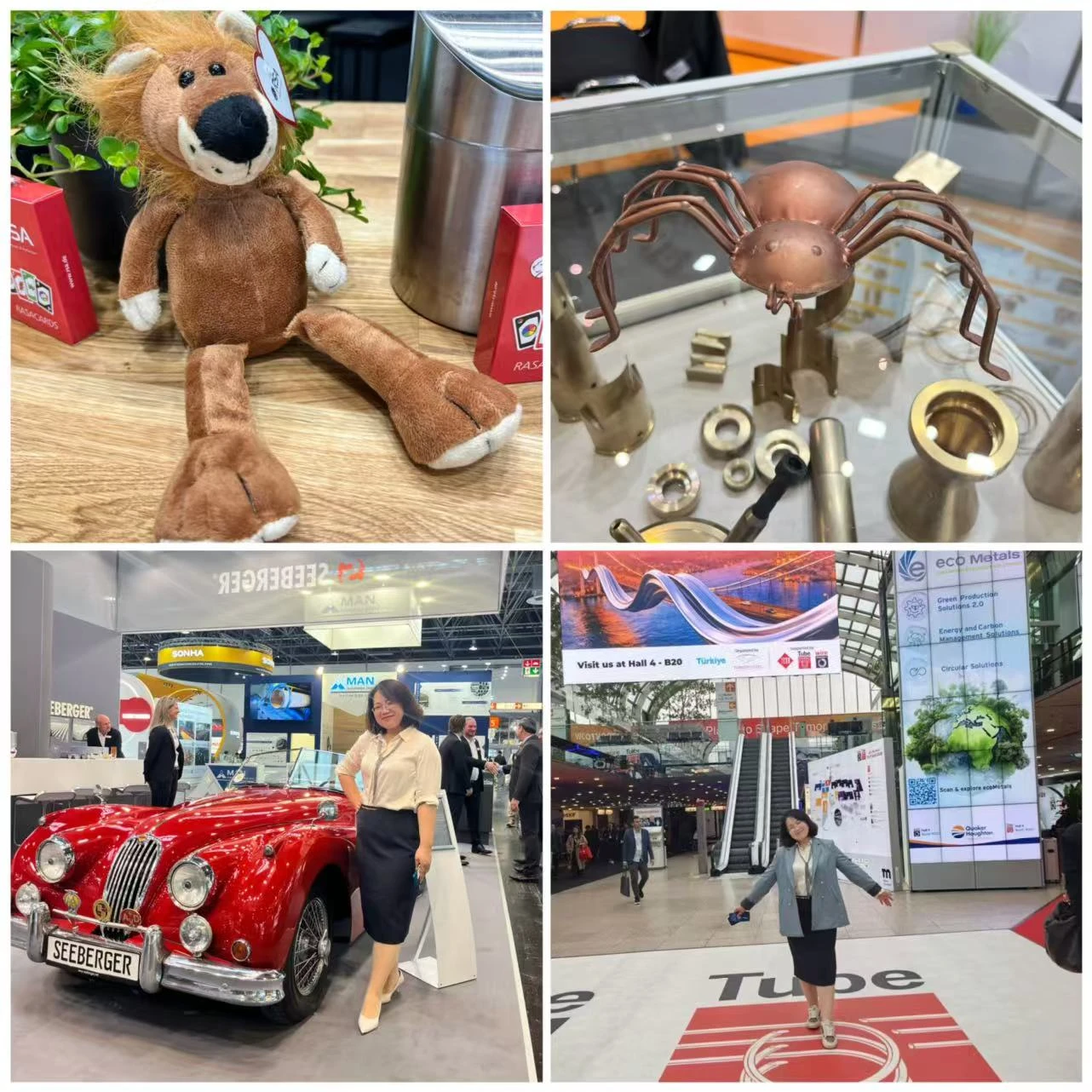
AIS Machinery Showcases Advanced Tube Solutions at Tube & Wire Düsseldorf 2026
Tube & Wire Düsseldorf 2026, one of the most influential exhibitions in the global tube and wire industry, held biennially in Düsseldorf, Germany
2026-04-17 00:00:00
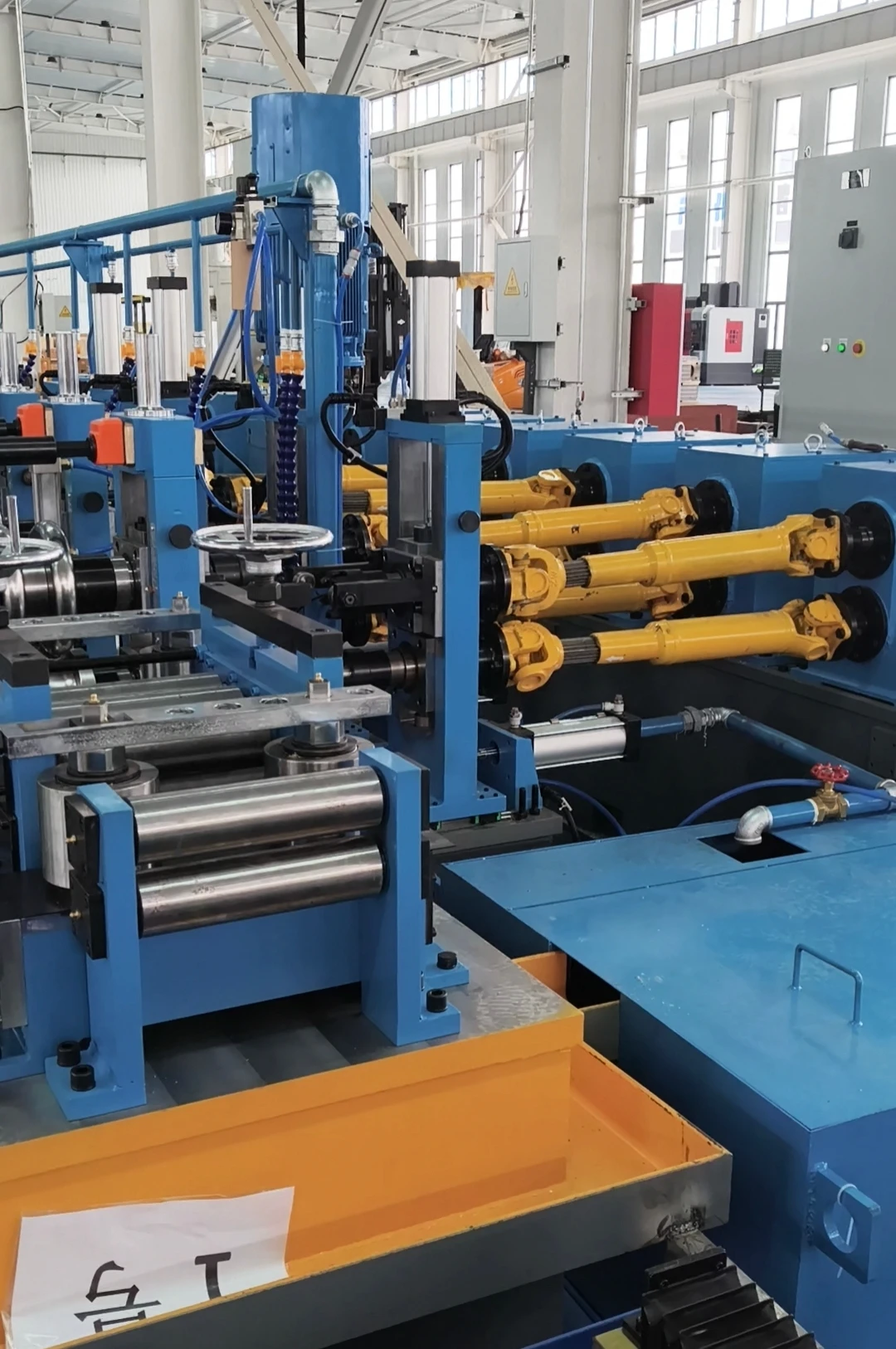
Southeast Asia Client Visits Our Factory | Customized Tube Mill Solution Delivered
A Southeast Asia client visited our ERW tube mill factory to inspect production lines and discuss a customized tube mill solution. Impressed by our machine quality, welding performance, and engineering support, the client confirmed strong cooperation intentions. Discover how our ERW tube mill solutions improve efficiency, precision, and long-term production reliability.
2026-04-15 10:37:55
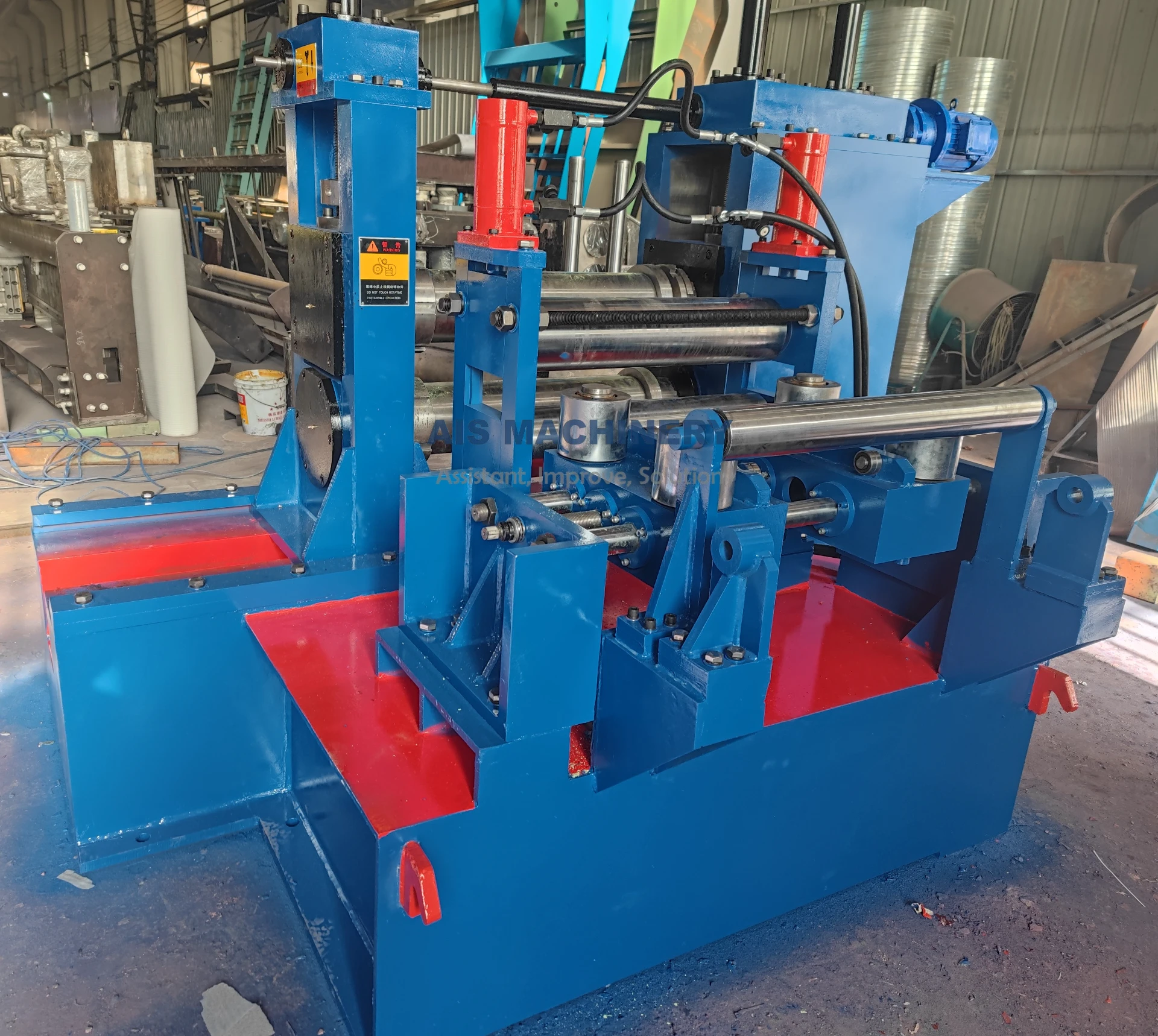
Flat Bar Production Line for Steel Coils: How It Works & Why It Matters
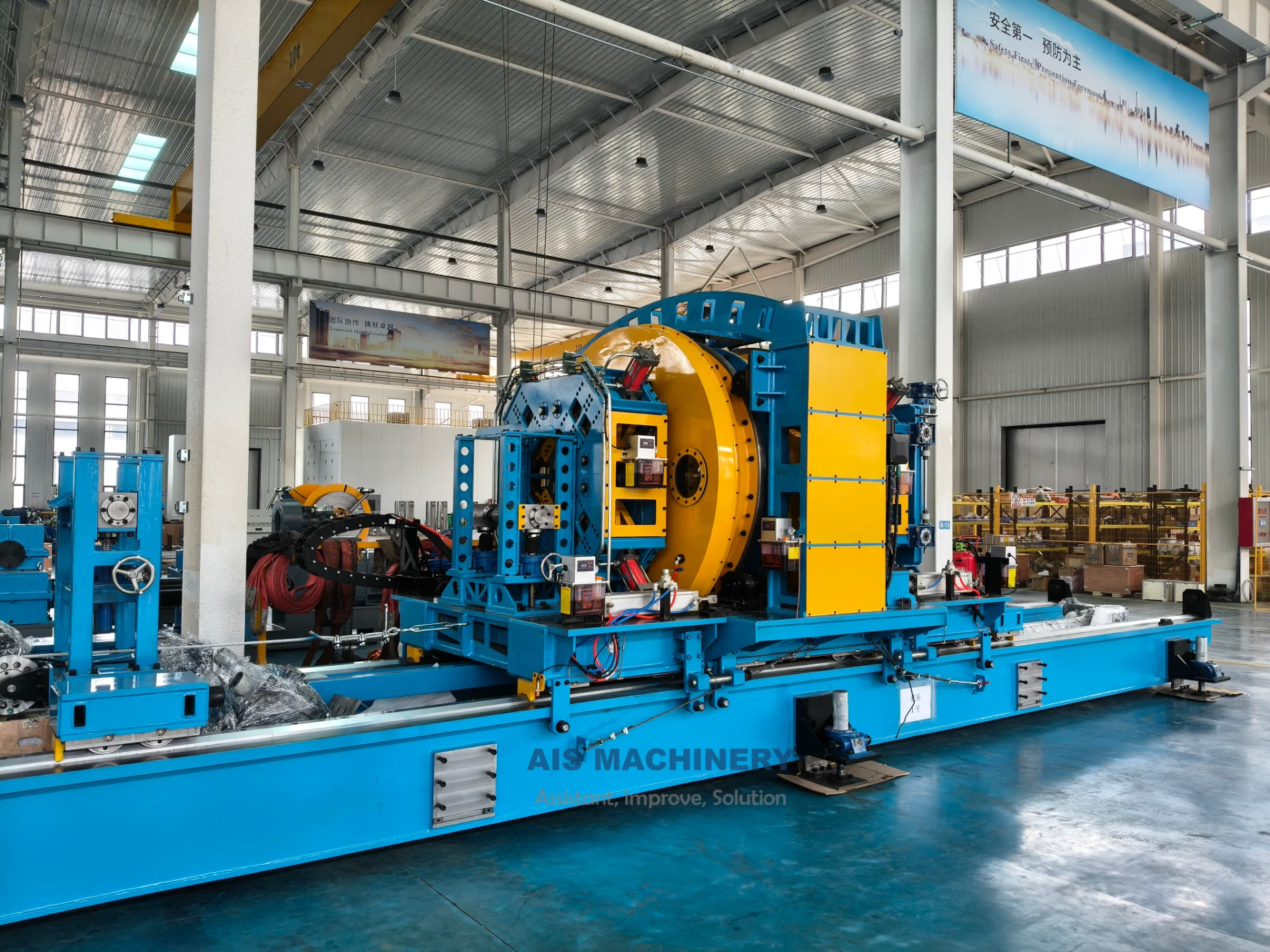
Looking for a flat bar production line? Learn how it turns steel coils into ready-to-use flat bars with precise length and high straightness. Compare it with slitting lines and get the best solution for your steel processing needs.
2026-04-14 00:00:00
Looking for a Milling Saw for ERW Tube Mill? Here’s What You Need to Know
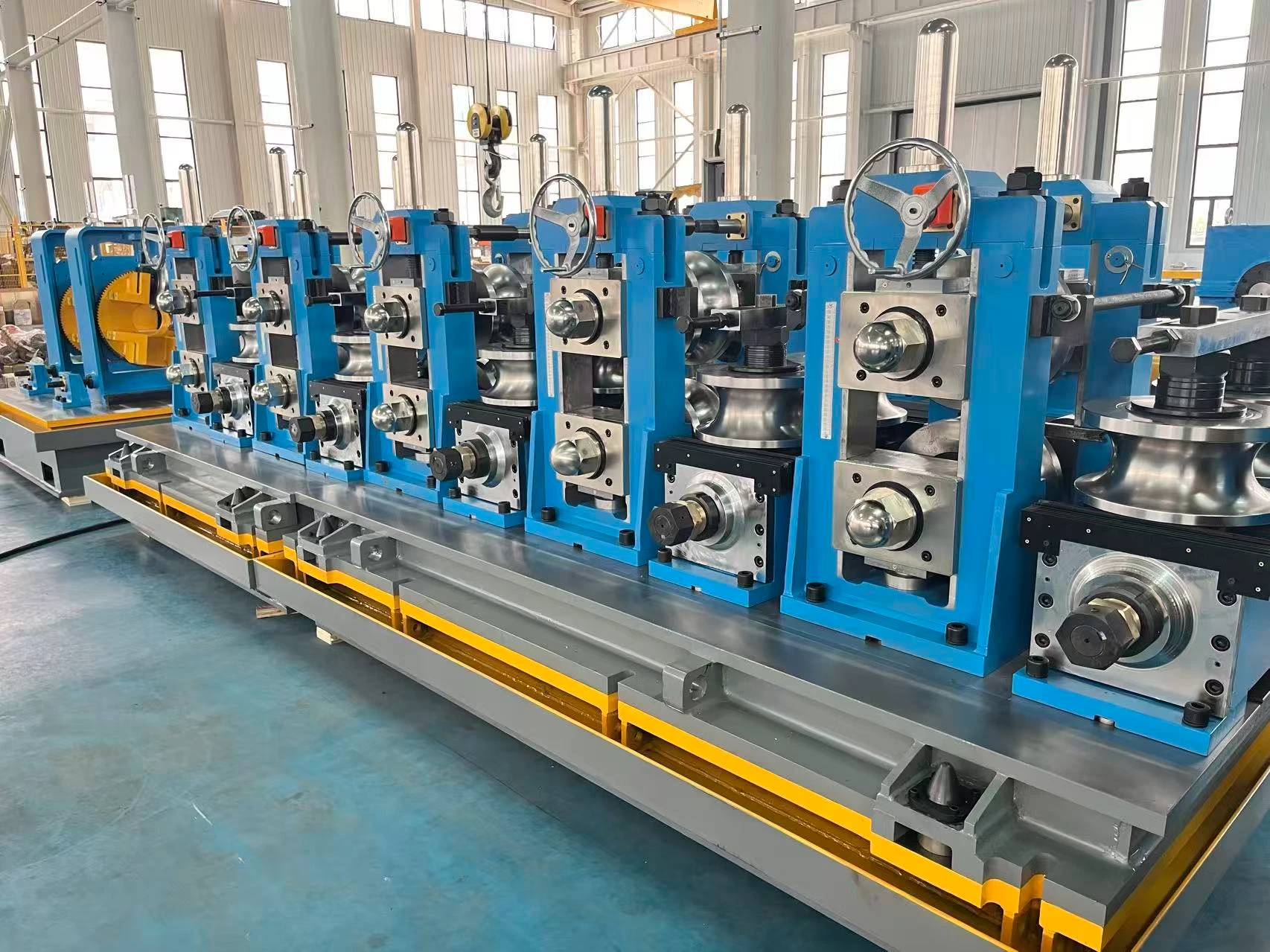
Looking for a high-performance milling saw for your ERW tube mill? Upgrade to burr-free, high-precision pipe cutting with advanced flying saw technology. Improve efficiency, reduce rework, and meet export standards for carbon steel, stainless steel, and API pipes. Contact us today for expert solutions and competitive pricing tailored to your production needs.
2026-04-09 16:15:19
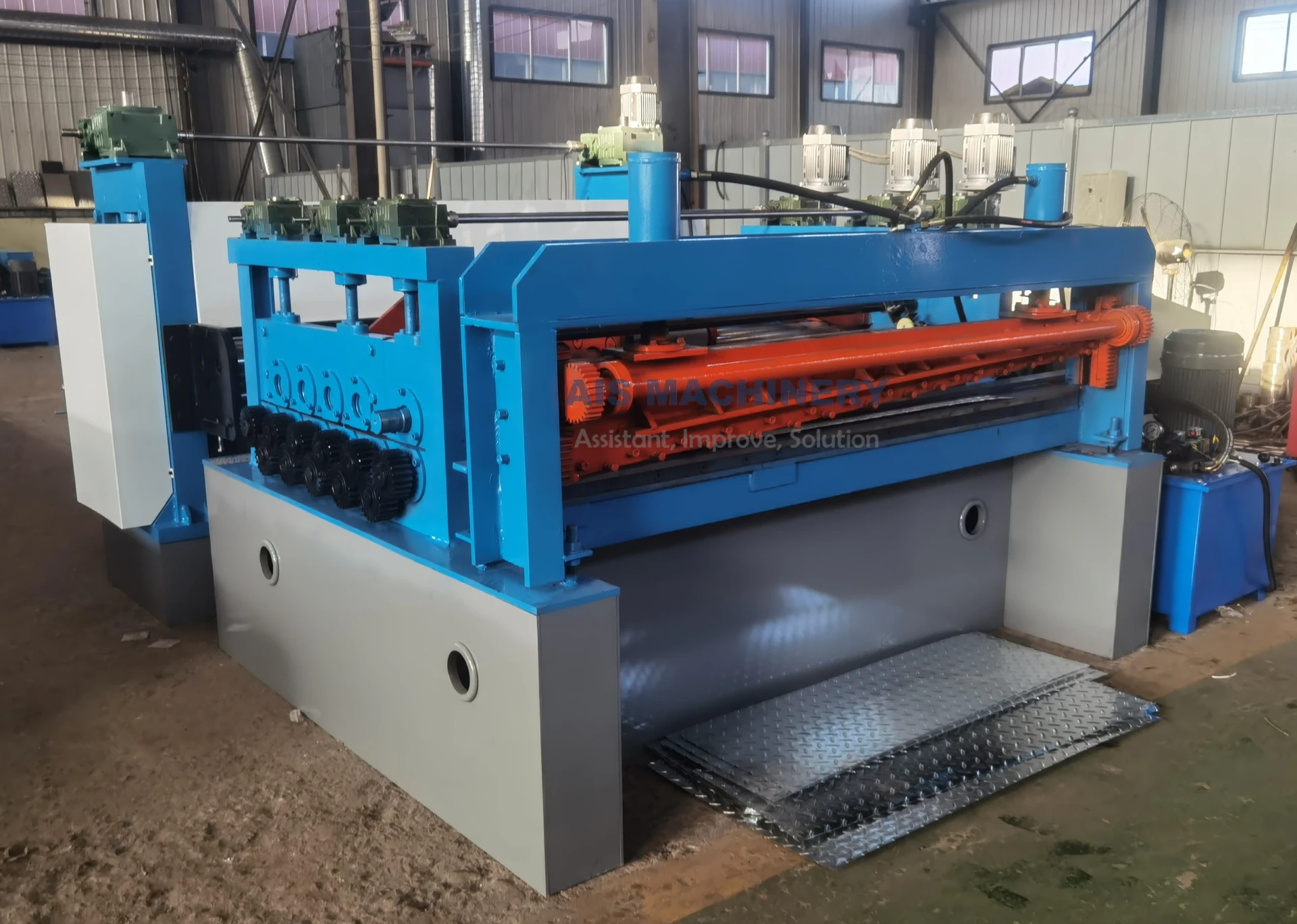
5-Inch (127mm) ERW Tube Making Machine Delivered with Heavy-Duty Design and Advanced Quick Change System
2027-04-07 00:00:00
Metal Embossing Machine: Turn Flat Sheets into High-Value Textured Products
Discover how a metal embossing machine transforms flat steel, stainless steel, and aluminum sheets into high-value textured products. Learn about its working principle, key components, and applications. Ideal for decorative and industrial use, embossing machines improve both appearance and performance. Explore complete embossing line solutions and find the right machine for your production needs.
Send a Message
Dear customer, thank you for your attention! We provide high-quality machinery and equipment and look forward to your orders. Please inform us of your needs and we will respond quickly!
 English
  Albanian
  Arabic
  French
  German
  Indonesian
  Italian
  Japanese
  Kazakh
  Korean
  Latin
Latin  Macedonian
  Portuguese
  Russian
  Spanish
  Thai
Thai  Turkish
  Ukrainian
  Uzbek
Uzbek