
-
 Tel:86-15176910262
-

Search

Premium TCT Circular Saw Blades for Precision & Durability
Aug . 19, 2025 05:20
The Evolution of Precision Cutting: Industry Trends and the Imperative of Advanced TCT Circular Saw Blades
In today's highly competitive industrial landscape, the demand for precision, efficiency, and longevity in cutting tools has never been more pronounced. Manufacturers across diverse sectors are actively seeking solutions that not only enhance productivity but also reduce operational costs and minimize environmental impact. This growing imperative has firmly established the prominence of advanced cutting technologies, with TCT circular saw blades emerging as a cornerstone of modern fabrication and processing. These tools, characterized by their Tungsten Carbide Tipped teeth, represent a significant leap from traditional high-speed steel (HSS) blades, offering superior hardness, heat resistance, and wear resistance. Current industry trends indicate a clear shift towards automated cutting systems, requiring blades that can maintain peak performance under continuous, high-stress operations. Furthermore, the increasing use of specialized alloys, composites, and non-ferrous metals necessitates cutting solutions capable of handling materials with complex mechanical properties without premature dulling or structural fatigue. The global market for cutting tools is projected to grow consistently, driven by infrastructure development, automotive production, and general manufacturing, underscoring the vital role of robust and high-performance TCT saw blades. Companies that leverage these advanced blades report significant improvements in cut quality, reduced material waste, and extended tool life, contributing directly to a more sustainable and economically viable manufacturing ecosystem.
The technological advancements within the manufacturing sector, particularly in metallurgy and CNC machining, have directly influenced the design and capabilities of modern TCT circular saw blades. The push for tighter tolerances and finer finishes across various industries—from aerospace to construction—requires a blade that delivers consistent, clean cuts with minimal burring. This not only streamlines downstream processes like deburring and finishing but also enhances the overall quality and integrity of the finished product. Innovations in carbide grades, such as sub-micron grain structures and specialized binders, have dramatically improved the toughness and edge retention of the tips, extending the service life of the blades even in abrasive applications. Concurrently, the steel body of these blades benefits from advanced heat treatments and precision grinding, ensuring exceptional flatness, tensioning, and vibration dampening during high-speed rotation. The integration of specialized coatings, such as PVD (Physical Vapor Deposition) or CVD (Chemical Vapor Deposition) diamond-like carbon (DLC) coatings, further augments performance by reducing friction, preventing material adhesion, and enhancing wear resistance, particularly when cutting sticky or abrasive materials. These ongoing advancements ensure that TCT circular saw blades remain at the forefront of cutting technology, adapting to the ever-evolving demands of industrial material processing.
Unveiling the Manufacturing Prowess: The Anatomy and Production of TCT Circular Saw Blades
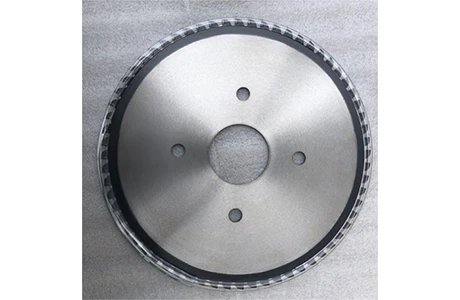
The production of high-performance TCT circular saw blades is a sophisticated multi-stage process that combines metallurgical expertise with advanced manufacturing techniques. It begins with the selection of premium-grade alloy steel for the blade body, typically high-carbon steel like 75Cr1 or 65Mn, chosen for its excellent strength, resilience, and ability to hold tension. This base material undergoes precision laser cutting or stamping to form the initial blade blank, followed by meticulous flattening and tensioning processes to ensure absolute flatness and stability during high-speed rotation. The critical next step involves the brazing of Tungsten Carbide (WC) tips onto the precision-machined seats on the blade's perimeter. These tips, typically composed of tungsten carbide with cobalt binders, are selected based on the specific material to be cut, with different grades offering varying levels of hardness and toughness. Silver solder or a specialized copper alloy is used for brazing, creating a strong, durable bond between the tip and the steel body. This critical step is often performed under controlled atmospheric conditions or in vacuum furnaces to prevent oxidation and ensure optimal bond integrity.
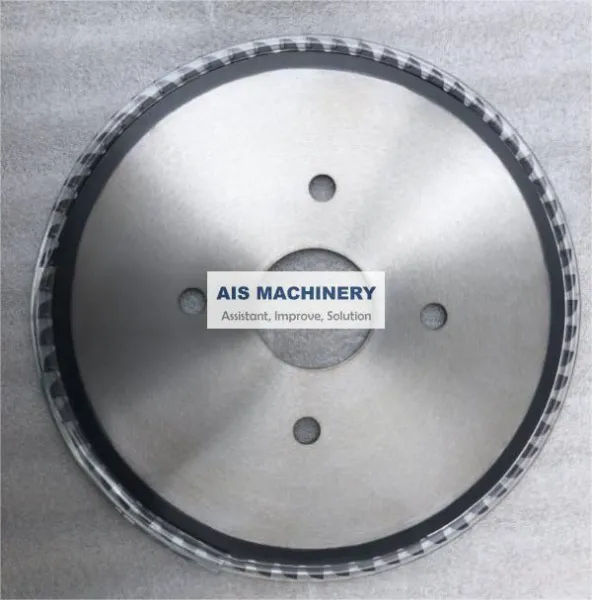
Following brazing, the TCT saw blades undergo a series of highly precise grinding operations. Computer Numerical Control (CNC) grinding machines are employed to achieve exact tooth geometry, kerf width, and rake angles. The tooth geometry, such as Alternate Top Bevel (ATB), Flat Top Grind (FTG), Triple Chip Grind (TCG), or various combinations, is crucial for optimizing cutting performance for specific materials and applications. For instance, ATB teeth are ideal for cross-cutting wood, while TCG teeth excel in cutting non-ferrous metals and plastics. Post-grinding, each blade is subjected to rigorous quality control checks, adhering to stringent international standards such as ISO 9001 for quality management and ANSI (American National Standards Institute) for blade specifications. These inspections include dimensional accuracy, tip run-out, tension consistency, and carbide tip integrity. Advanced non-destructive testing (NDT) methods like eddy current testing or ultrasonic inspection may be used to detect any internal flaws. The service life of these blades, when properly maintained and used, can extend significantly, often outperforming traditional steel blades by a factor of 10 to 20 times. These blades are indispensable in industries such as petrochemicals for pipe cutting, metallurgy for steel and aluminum profiling, and water supply and drainage systems for precision cutting of various pipe materials, offering notable advantages in energy efficiency due to reduced cutting forces and superior corrosion resistance when handling materials like stainless steel or specialized alloys.
Technical Parameters and Performance Benchmarks: Data-Driven Selection for Optimal Performance
Understanding the critical technical parameters of TCT circular saw blades is paramount for selecting the right tool for specific applications and achieving optimal cutting performance. These parameters directly influence efficiency, cut quality, and blade longevity. Key specifications include the blade diameter, bore size, number of teeth, kerf thickness, and tooth geometry. The blade diameter dictates the cutting depth, while the bore size must match the arbor of the cutting machine for stable operation. The number of teeth is a crucial factor: blades with fewer teeth typically offer faster cutting speeds and are suitable for rip cutting or softer materials, whereas blades with more teeth provide a finer finish, ideal for cross-cutting or harder materials. Kerf thickness refers to the width of the cut created by the blade, impacting material waste and cutting force. Beyond these fundamental dimensions, advanced parameters like tooth rake angle, hook angle, and relief angle play a significant role in chip evacuation, cutting force, and the prevention of material binding. For instance, a positive rake angle is generally used for materials that produce large chips like wood or aluminum, while a negative rake angle is often preferred for more controlled cutting of metals to prevent aggressive grabbing.
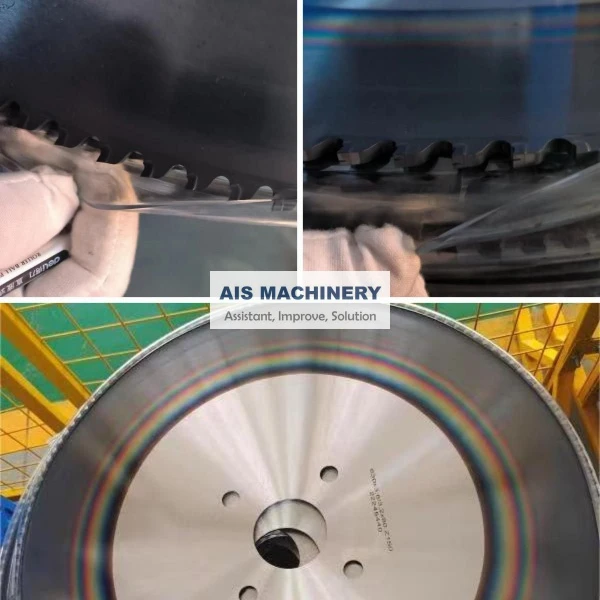
Furthermore, the maximum RPM (Revolutions Per Minute) rating is a critical safety and performance parameter, ensuring the blade operates within its design limits to prevent structural failure or excessive vibration. The choice of carbide grade and any specialized coatings also significantly impact performance benchmarks. High-performance TCT circular saw blades designed for challenging materials may feature micro-grain carbides for enhanced toughness and edge retention, or cermet tips for superior heat and wear resistance in continuous cutting applications. The table below provides a typical range of parameters found in various TCT circular saw blades, highlighting the diversity available to meet specific industrial demands. This data-driven approach empowers B2B decision-makers to specify blades that deliver superior cut quality, extend operational periods between sharpening or replacement, and ultimately contribute to lower total cost of ownership (TCO) in their manufacturing processes. Investing in blades with optimized technical specifications ensures that machinery operates at peak efficiency, minimizing downtime and maximizing throughput, which are critical considerations for any high-volume production environment.
TCT Circular Saw Blade Common Parameters
Strategic Applications and Unmatched Versatility: Driving Efficiency Across Industries
The versatility of TCT circular saw blades extends across a vast array of industrial applications, making them indispensable tools in modern manufacturing and construction. In the metalworking industry, these blades are critical for cutting ferrous and non-ferrous metals, including aluminum, copper, brass, and various steel alloys. Their ability to deliver clean, precise cuts with minimal burring reduces the need for secondary finishing operations, leading to significant time and cost savings. For instance, in structural steel fabrication, high-performance TCT saw blades can cut through thick steel beams quickly and accurately, enhancing throughput for large-scale construction projects. In the wood processing industry, specialized TCT blades are engineered for different types of wood and cutting tasks, from ripping hardwoods to cross-cutting particleboard and plywood with a splinter-free finish. For example, our blades have been successfully implemented by a leading furniture manufacturer, enabling them to achieve a 15% reduction in material waste and a 20% increase in cutting speed compared to their previous blades, directly impacting their bottom line.
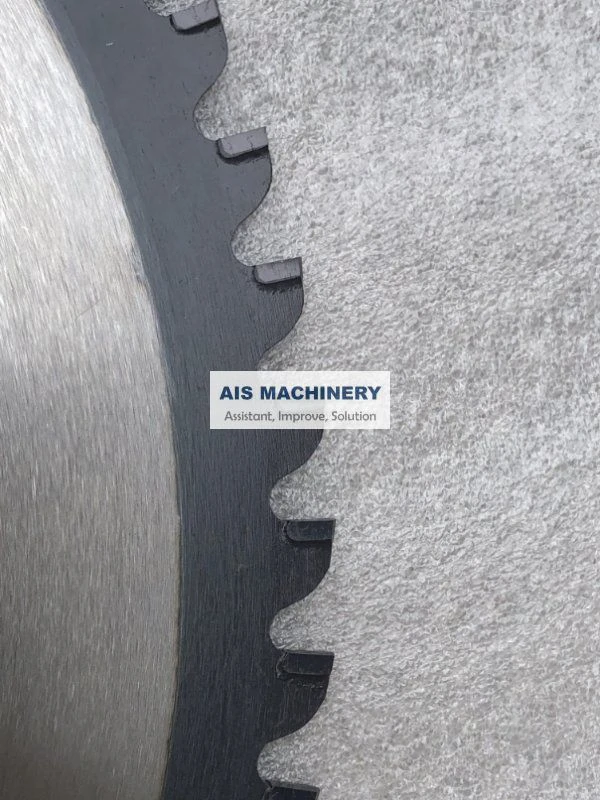
Beyond traditional materials, TCT circular saw blades are also the preferred choice for cutting advanced composites, plastics, and even specific types of masonry. In the automotive sector, they are crucial for precision cutting of aluminum extrusions and high-strength steel components. The aerospace industry relies on these blades for cutting lightweight yet durable materials, ensuring strict adherence to dimensional tolerances. Our experience with clients in the pipe manufacturing sector illustrates this versatility: a major client producing stainless steel pipes for petrochemical applications reported a 30% increase in blade life and superior cut quality, eliminating the need for extensive post-cut deburring thanks to our customized TCT solutions. This case underscores the technical advantages such as enhanced edge retention, superior heat dissipation properties, and vibration-dampening designs that allow these blades to maintain their integrity and sharpness even under rigorous operating conditions. The inherent resistance of carbide tips to abrasion and heat ensures that these blades deliver consistent, high-quality results over extended operational periods, making them an economically sound investment for any industrial operation seeking to optimize its cutting processes and reduce overall manufacturing costs.
Selecting the Optimal Solution: Manufacturer Comparison and Customization Excellence
Choosing the right supplier for TCT circular saw blades involves more than just price comparison; it necessitates a thorough evaluation of manufacturing capabilities, material quality, customization options, and post-sales support. Reputable manufacturers differentiate themselves through their commitment to research and development, continuously innovating carbide grades, tooth geometries, and blade body designs to meet evolving industry demands. While some manufacturers offer mass-produced, standard blades, others specialize in bespoke solutions tailored to unique material specifications and cutting parameters. When evaluating potential partners, consider their expertise in specific materials—for instance, a manufacturer with extensive experience in cutting stainless steel will likely offer superior TCT saw blades optimized for that material, featuring specific carbide grades and coatings. A critical factor for B2B procurement is the manufacturer’s adherence to international quality standards, such as ISO 9001, which signifies a robust quality management system. Furthermore, the availability of comprehensive technical support and engineering consultation is invaluable, enabling clients to optimize blade selection and resolve cutting challenges efficiently.
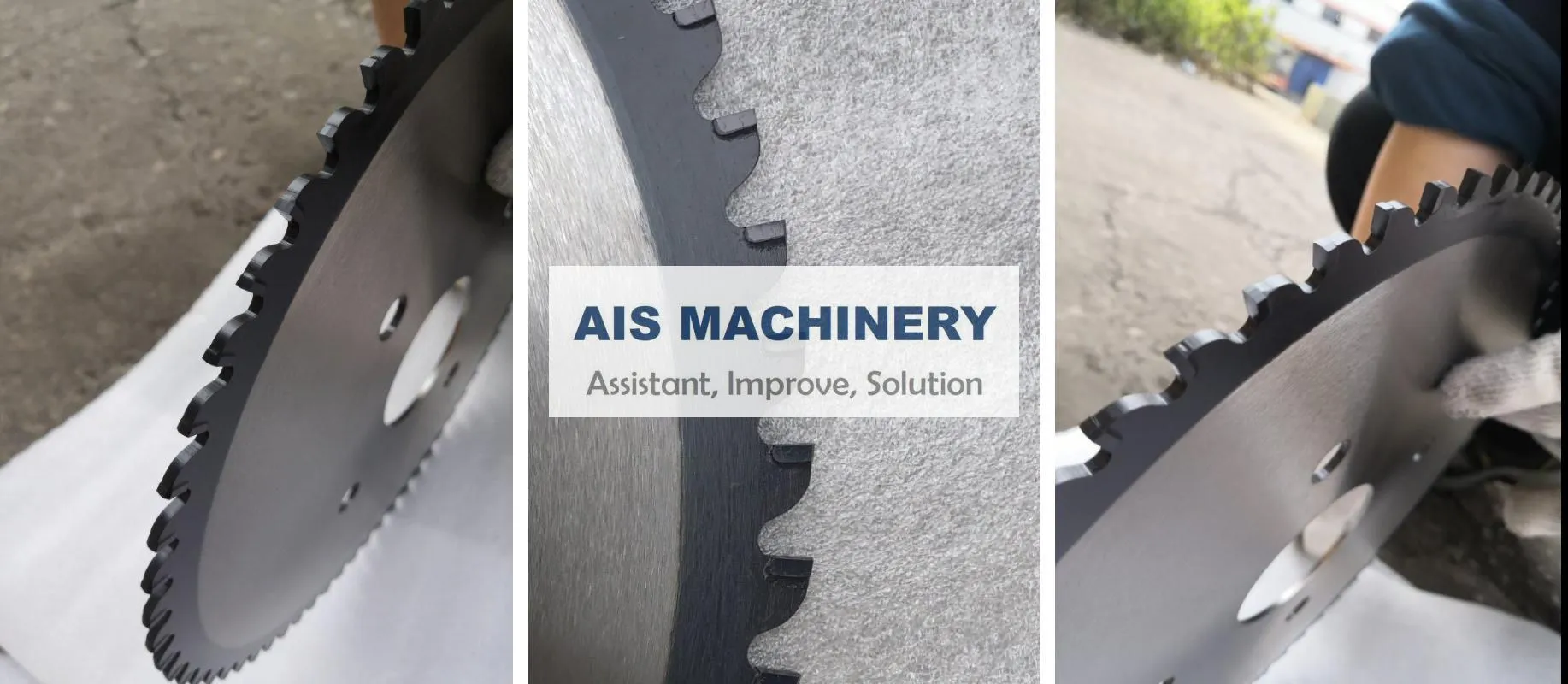
Customization is a cornerstone of advanced TCT saw blade solutions, allowing businesses to achieve unparalleled cutting performance for highly specialized applications. This can involve modifying blade diameter, bore size, tooth count, and critically, the specific carbide grade and tooth profile. For example, a client requiring exceptionally clean cuts on acrylic sheets might need a blade with a high tooth count and a specific negative rake angle to prevent chipping and melting, while another cutting abrasive composites would benefit from tips made of tougher, more wear-resistant carbide and specialized coatings. Our company offers extensive custom solution capabilities, leveraging decades of experience in cutting tool manufacturing. We collaborate closely with clients to analyze their specific cutting challenges, material properties, and machine parameters. This consultative approach, combined with our advanced manufacturing facilities, allows us to engineer and produce TCT circular saw blades that are precisely optimized for their unique operational requirements, resulting in superior cut quality, extended blade life, and significant operational cost reductions. This commitment to tailored solutions and deep industry knowledge positions us as a preferred partner for complex cutting needs, providing a distinct advantage over competitors offering only off-the-shelf products.
Ensuring Durability and Trust: Quality Assurance, Warranty, and Customer Commitment
At the core of any high-quality industrial product, especially critical tooling like TCT circular saw blades, lies an unwavering commitment to quality assurance and customer trust. Our manufacturing process is underpinned by rigorous inspection protocols at every stage, from raw material sourcing to final product delivery. We adhere to strict international standards such as ISO 9001 for our quality management systems, ensuring that every TCT saw blade meets or exceeds industry benchmarks for precision, durability, and performance. Our long-standing service history and partnerships with numerous industry leaders attest to our authoritative position in the market. Each batch of carbide tips and steel bodies undergoes comprehensive material analysis, including hardness testing, microstructure examination, and compositional analysis, to guarantee that only the finest components are integrated into our blades. Furthermore, finished blades are subjected to dynamic balancing tests, run-out measurements, and cutting performance trials to simulate real-world conditions, providing empirical test data that validates their superior operational characteristics. This meticulous attention to detail ensures that our TCT circular saw blades consistently deliver reliable, high-quality results, minimizing downtime and maximizing productivity for our clients.
Building and maintaining customer trust extends beyond product quality to encompass comprehensive support and clear commitments. We understand that in the B2B sector, timely delivery and dependable after-sales service are as crucial as the product itself. Our average delivery cycle for standard TCT saw blades is typically 7-10 business days, with expedited options available for urgent requirements, while customized solutions are delivered within a mutually agreed upon timeframe, ensuring minimal disruption to client operations. We stand behind the quality and performance of our products with a robust warranty commitment, covering manufacturing defects and material failures under normal operating conditions. Our dedicated customer support team is readily available to provide technical assistance, troubleshooting, and advice on blade maintenance or re-sharpening services. This holistic approach to customer engagement, encompassing transparent communication, reliable logistics, and unwavering product support, reinforces our trustworthiness as a long-term partner in industrial cutting solutions. Our commitment to excellence is reflected not only in the superior performance of our TCT circular saw blades but also in the long-term relationships we cultivate with our valued clientele, ensuring they receive the highest level of service and confidence in every purchase.
Frequently Asked Questions (FAQ) about TCT Circular Saw Blades
Q1: What are the primary advantages of TCT circular saw blades over HSS blades?
A1: TCT circular saw blades offer significantly superior hardness, wear resistance, and heat resistance compared to High-Speed Steel (HSS) blades. This results in much longer tool life (often 10-20 times longer), higher cutting speeds, cleaner cuts, and the ability to cut harder, more abrasive materials that HSS blades cannot handle effectively. TCT blades also maintain their sharpness over extended cutting periods, reducing downtime for blade changes.
Q2: How do I select the correct TCT saw blade for my specific application?
A2: Selection depends on several factors: the material being cut (e.g., steel, aluminum, wood, plastic), the desired cut quality (rough cut vs. fine finish), and the type of cut (rip cut, cross-cut, or non-ferrous metal cutting). Key parameters to consider include blade diameter, bore size, number of teeth, tooth geometry (e.g., ATB, TCG), and the specific carbide grade. Consulting with a blade expert is recommended to ensure optimal performance and longevity.
Q3: Can TCT circular saw blades be re-sharpened, and how often?
A3: Yes, high-quality TCT circular saw blades can be professionally re-sharpened multiple times, significantly extending their service life. The frequency of re-sharpening depends on the material being cut, the intensity of use, and the specific carbide grade. We recommend professional re-sharpening services that utilize specialized diamond grinding wheels to maintain the precise tooth geometry and prolong blade effectiveness.
Q4: What causes premature wear or damage to TCT saw blades?
A4: Premature wear or damage can be caused by using the wrong blade for the material, incorrect cutting parameters (feed rate, RPM), inadequate clamping of the workpiece, excessive heat buildup due to lack of coolant, or impact damage from foreign objects. Proper blade selection, machine setup, and operational practices are crucial for maximizing blade life and preventing damage to TCT circular saw blades.
References
- Tooling U-SME. (2023). Carbide Cutting Tool Technology.
- Manufacturing Today. (2022). Advances in Metal Cutting Technologies.
- Journal of Materials Processing Technology. (2021). Influence of Tool Geometry on Chip Formation and Surface Integrity in High-Performance Cutting.
- ISO (International Organization for Standardization) Standards for Industrial Tools.

Related Products

Related News
2027-04-24 00:00:00
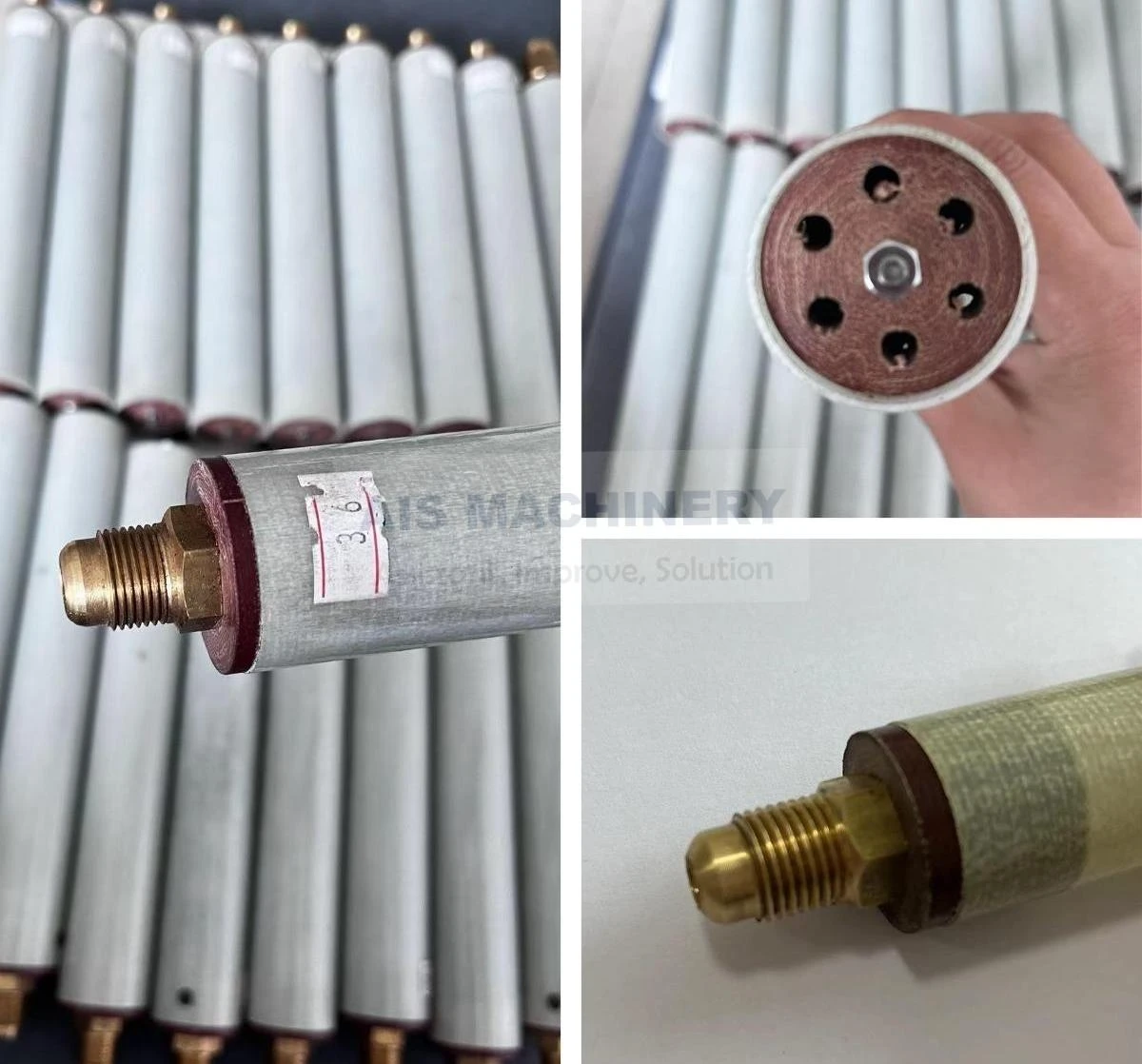
What is an Impeder and Ferrite Rods in ERW Tube Mill?
Struggling with impeder overheating or short service life in your ERW tube mill? This guide explains common impeder problems, the role of ferrite rods, and how to choose the right impeder for stable welding performance. Improve weld quality, reduce energy loss, and extend equipment lifespan with the right selection and proper cooling solutions.
2026-04-21 10:22:25
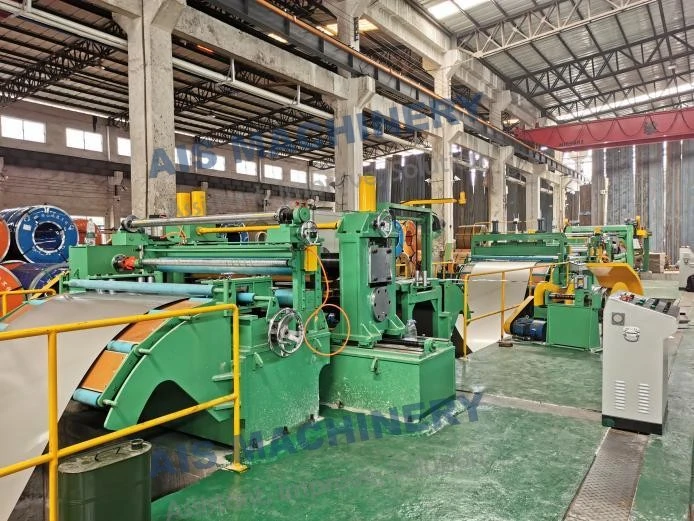
Slitting & Cut-to-Length Combined Production Line: A Smarter Way to Process Steel Coils
Discover the Slitting & Cut-to-Length Combined Production Line, a flexible solution for steel coil processing. This system integrates slitting line and cut-to-length line functions in one machine, saving space, reducing costs, and improving efficiency. Ideal for processing both steel strips and sheets, it is widely used in service centers and manufacturing industries. Learn its advantages, limitations, and applications.
2026-04-18 03:20:20
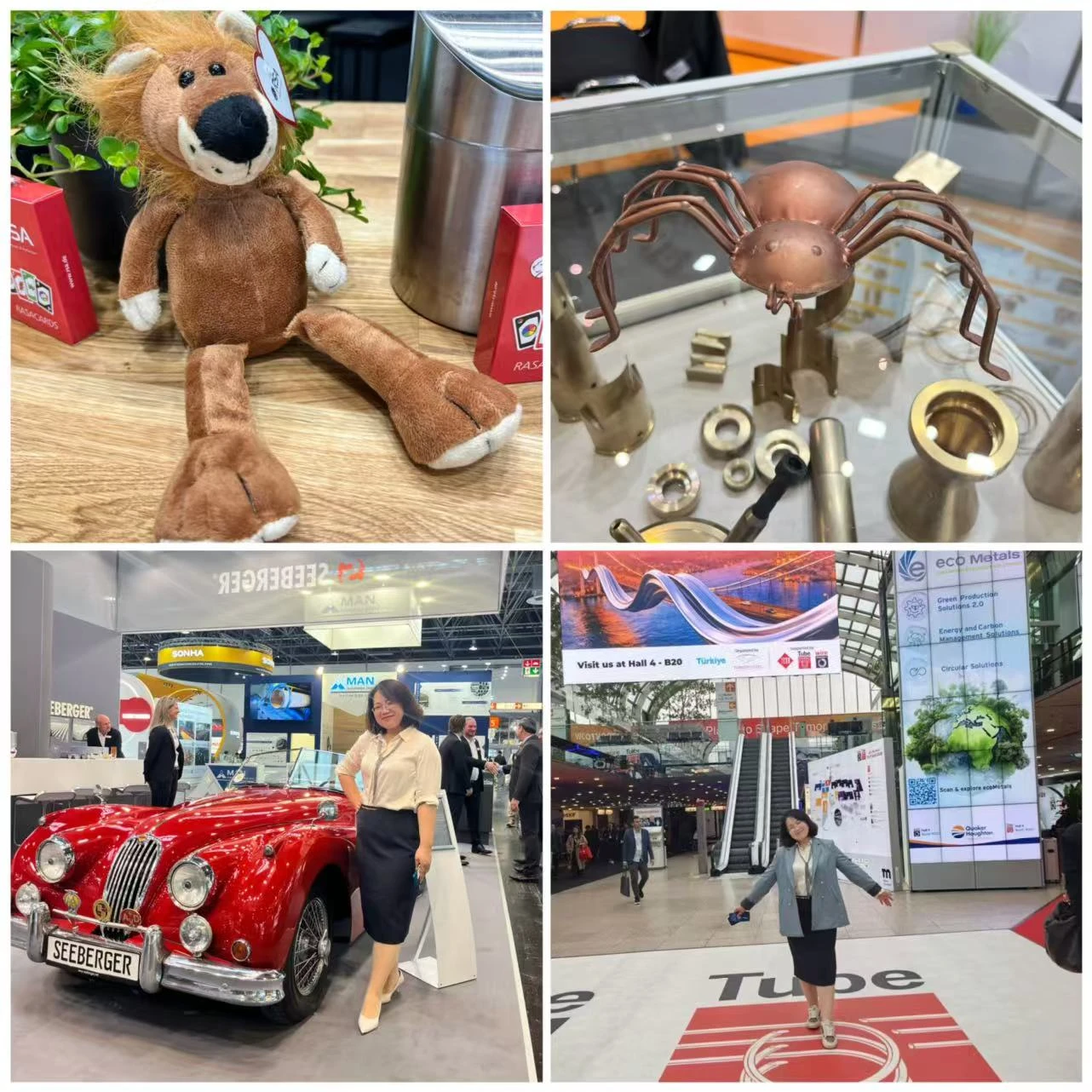
AIS Machinery Showcases Advanced Tube Solutions at Tube & Wire Düsseldorf 2026
Tube & Wire Düsseldorf 2026, one of the most influential exhibitions in the global tube and wire industry, held biennially in Düsseldorf, Germany
2026-04-17 00:00:00
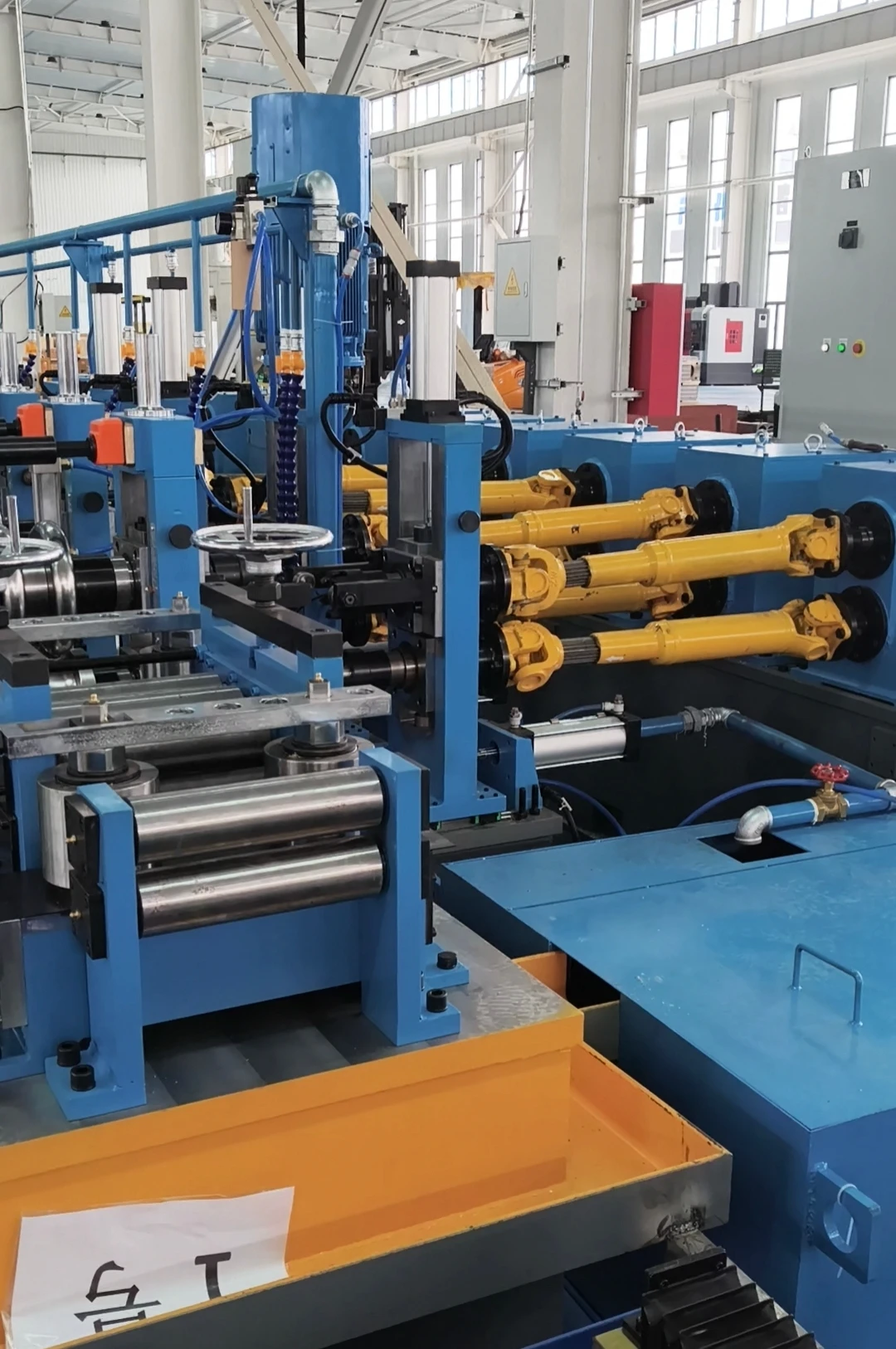
Southeast Asia Client Visits Our Factory | Customized Tube Mill Solution Delivered
A Southeast Asia client visited our ERW tube mill factory to inspect production lines and discuss a customized tube mill solution. Impressed by our machine quality, welding performance, and engineering support, the client confirmed strong cooperation intentions. Discover how our ERW tube mill solutions improve efficiency, precision, and long-term production reliability.
2026-04-15 10:37:55
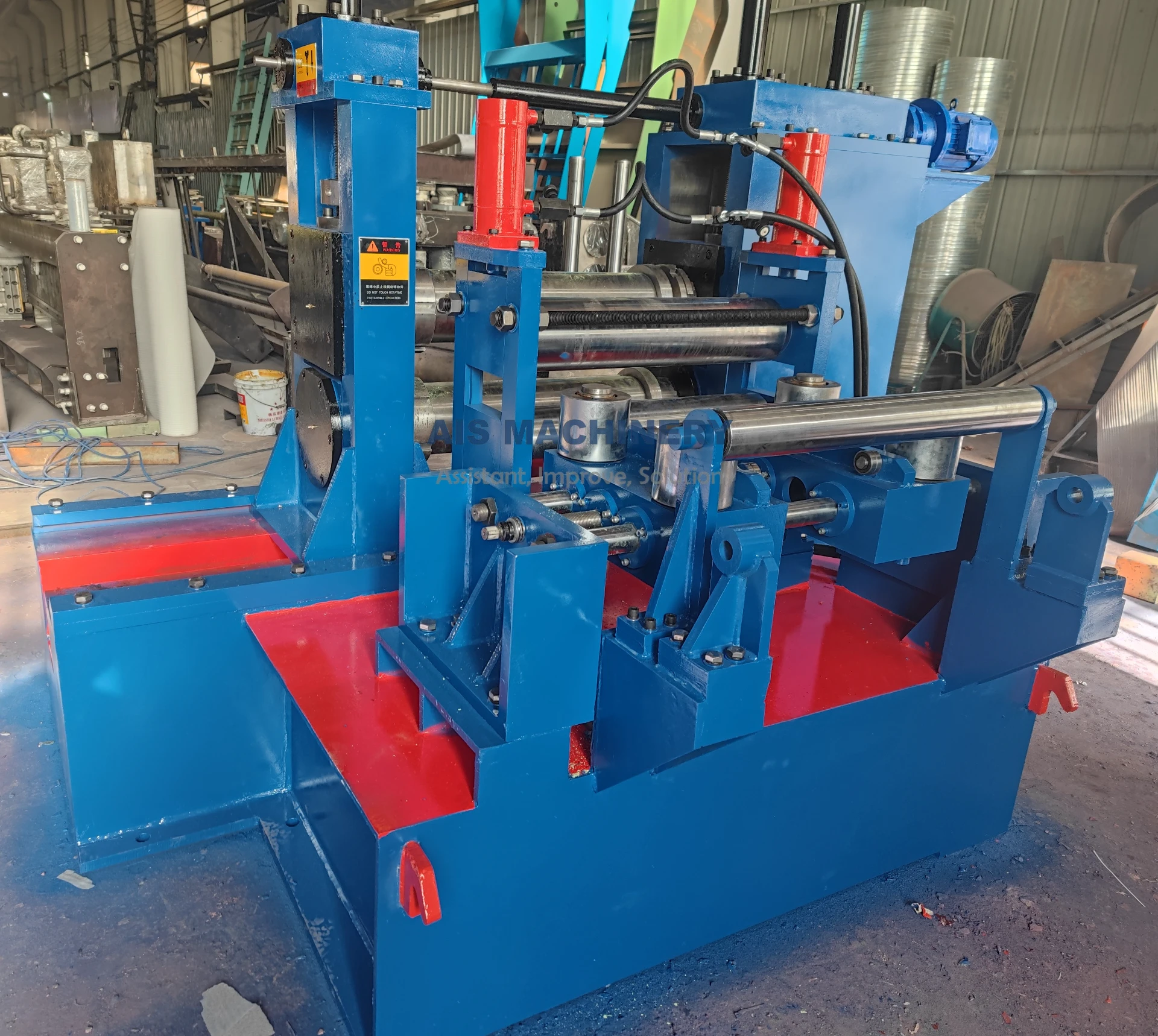
Flat Bar Production Line for Steel Coils: How It Works & Why It Matters
Looking for a flat bar production line? Learn how it turns steel coils into ready-to-use flat bars with precise length and high straightness. Compare it with slitting lines and get the best solution for your steel processing needs.
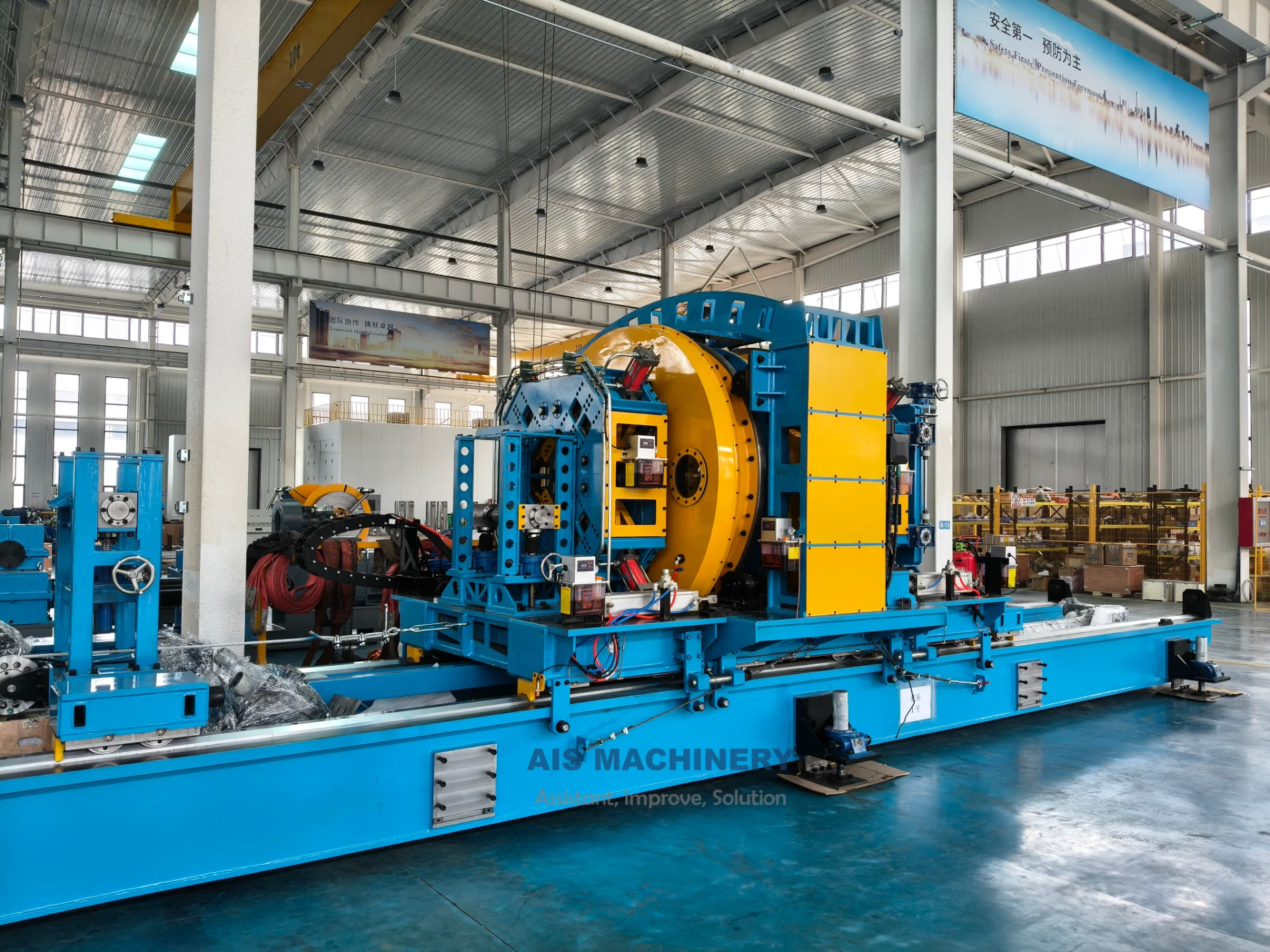
2026-04-14 00:00:00
Looking for a Milling Saw for ERW Tube Mill? Here’s What You Need to Know
Looking for a high-performance milling saw for your ERW tube mill? Upgrade to burr-free, high-precision pipe cutting with advanced flying saw technology. Improve efficiency, reduce rework, and meet export standards for carbon steel, stainless steel, and API pipes. Contact us today for expert solutions and competitive pricing tailored to your production needs.
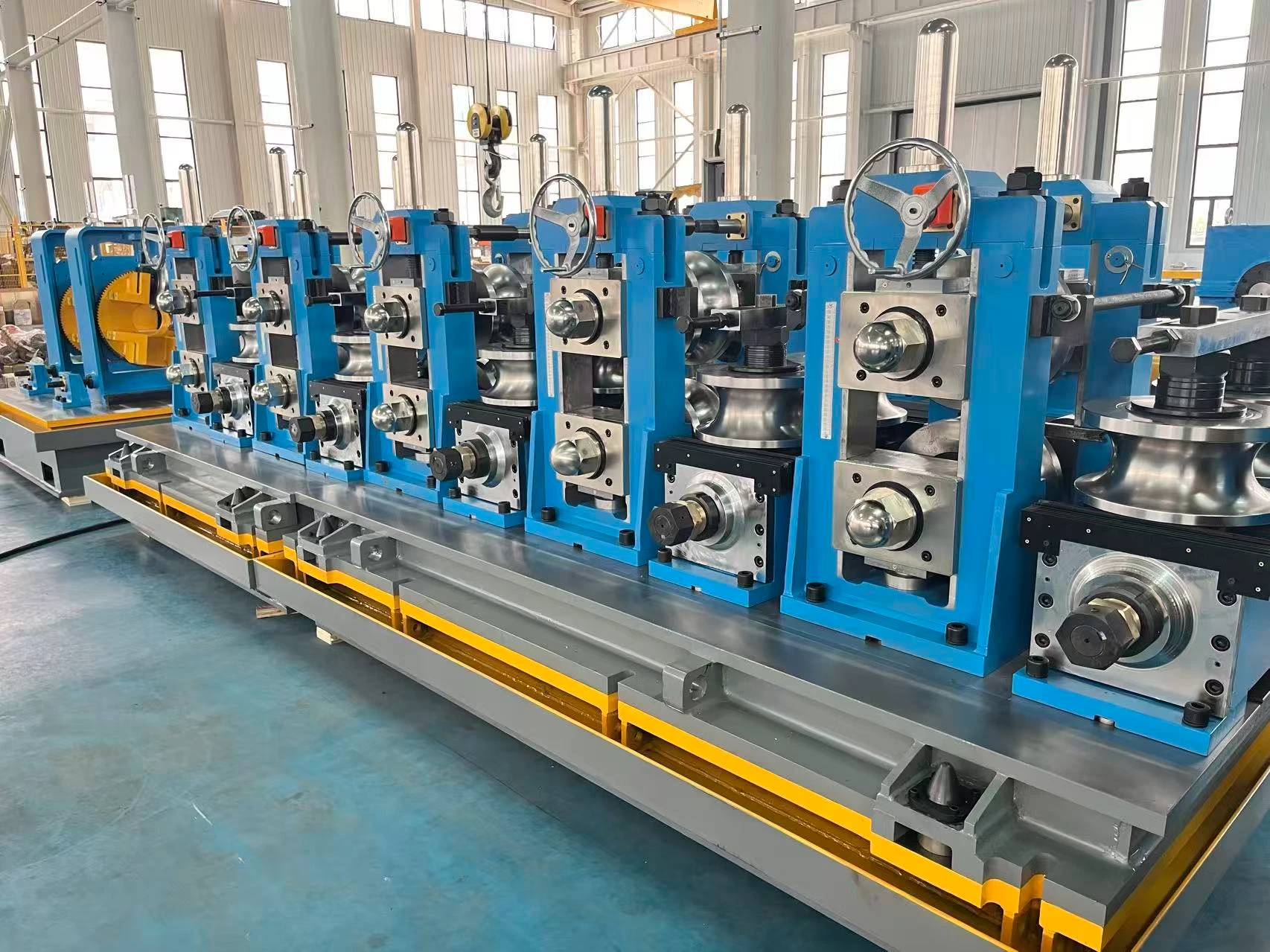
2026-04-09 16:15:19
5-Inch (127mm) ERW Tube Making Machine Delivered with Heavy-Duty Design and Advanced Quick Change System
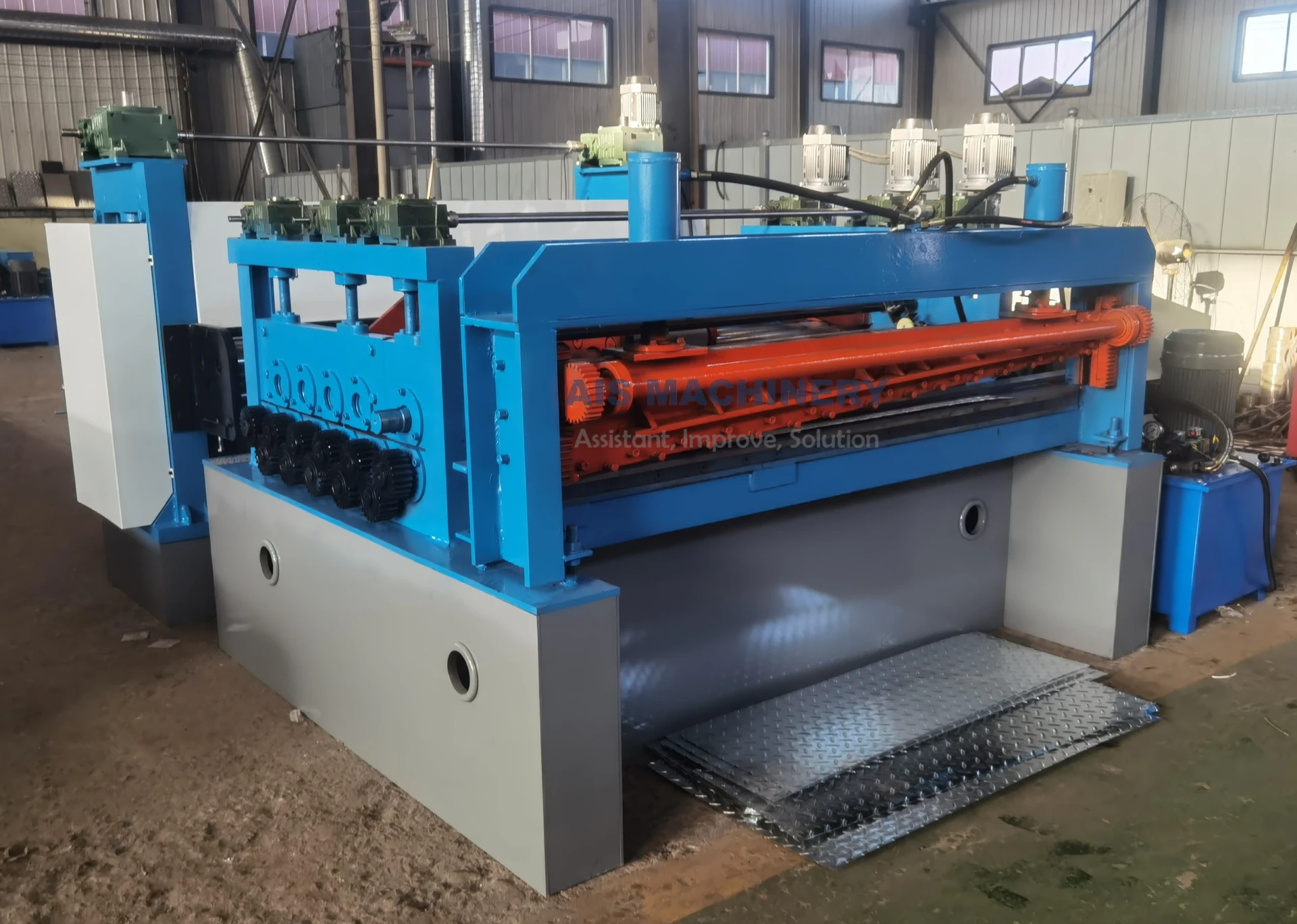
2027-04-07 00:00:00
Metal Embossing Machine: Turn Flat Sheets into High-Value Textured Products
Discover how a metal embossing machine transforms flat steel, stainless steel, and aluminum sheets into high-value textured products. Learn about its working principle, key components, and applications. Ideal for decorative and industrial use, embossing machines improve both appearance and performance. Explore complete embossing line solutions and find the right machine for your production needs.
Send a Message
Dear customer, thank you for your attention! We provide high-quality machinery and equipment and look forward to your orders. Please inform us of your needs and we will respond quickly!
 English
  Albanian
  Arabic
  French
  German
  Indonesian
  Italian
  Japanese
  Kazakh
  Korean
  Latin
Latin  Macedonian
  Portuguese
  Russian
  Spanish
  Thai
Thai  Turkish
  Ukrainian
  Uzbek
Uzbek