
-
 Tel:86-15176910262
-

Search

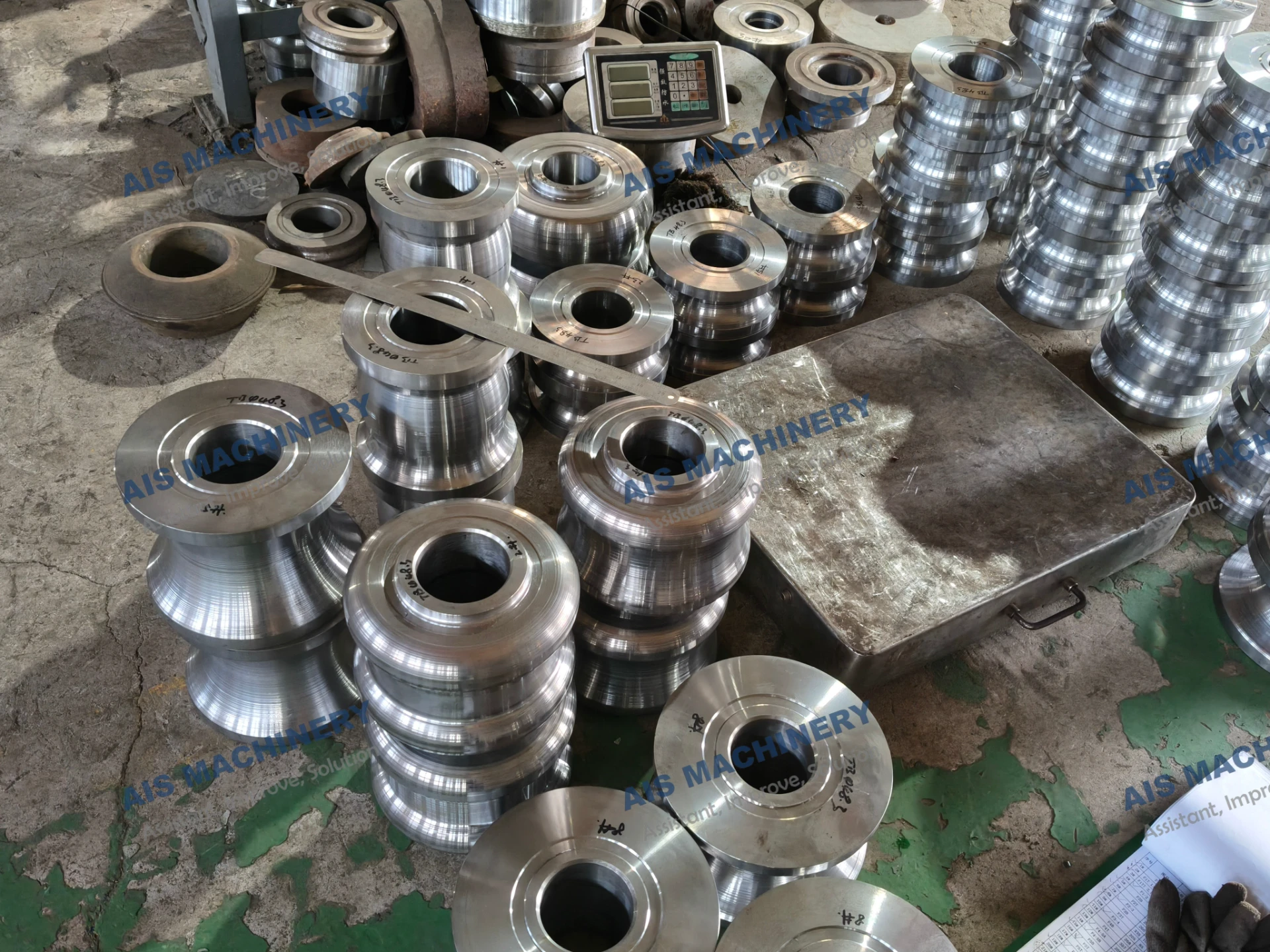
Roll Forming Rollers: Types, Materials and How to Choose the Right One
May . 19, 2027 00:00
What Are Rollers in Roll Forming Machines?
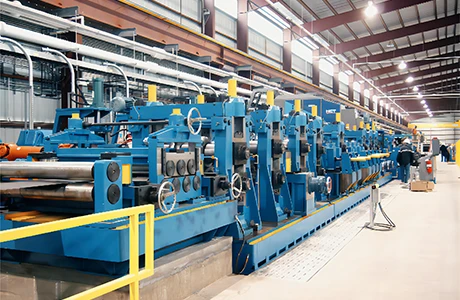
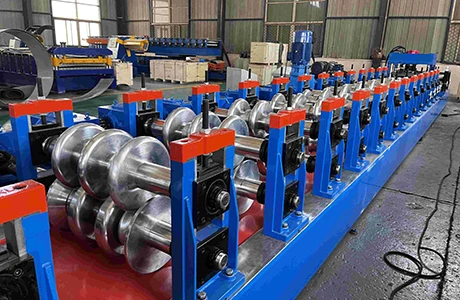
A roller is one of the most important parts of a roll forming machine. It guides, presses, and gradually shapes flat metal into the required profile while ensuring stable production and high dimensional accuracy.
Good-quality rollers help:
- Improve forming precision
- Reduce scratches and deformation
- Increase production efficiency
- Extend tooling service life
Why Are Rollers So Important?
A roller does much more than “pressing steel.”
Its key functions include:
✅ Progressive forming without damaging material
✅ Maintaining profile accuracy
✅ Reducing scratches and surface defects
✅ Preventing strip deviation
✅ Supporting high-speed continuous production
✅ Extending tooling life
✅ Improving consistency between batches
Poor roller design often causes:
- Edge cracking
- Surface scratches
- Material deviation
- Profile deformation
- High maintenance cost
- Frequent replacement
That’s why professional roll tooling design is critical for any production line.
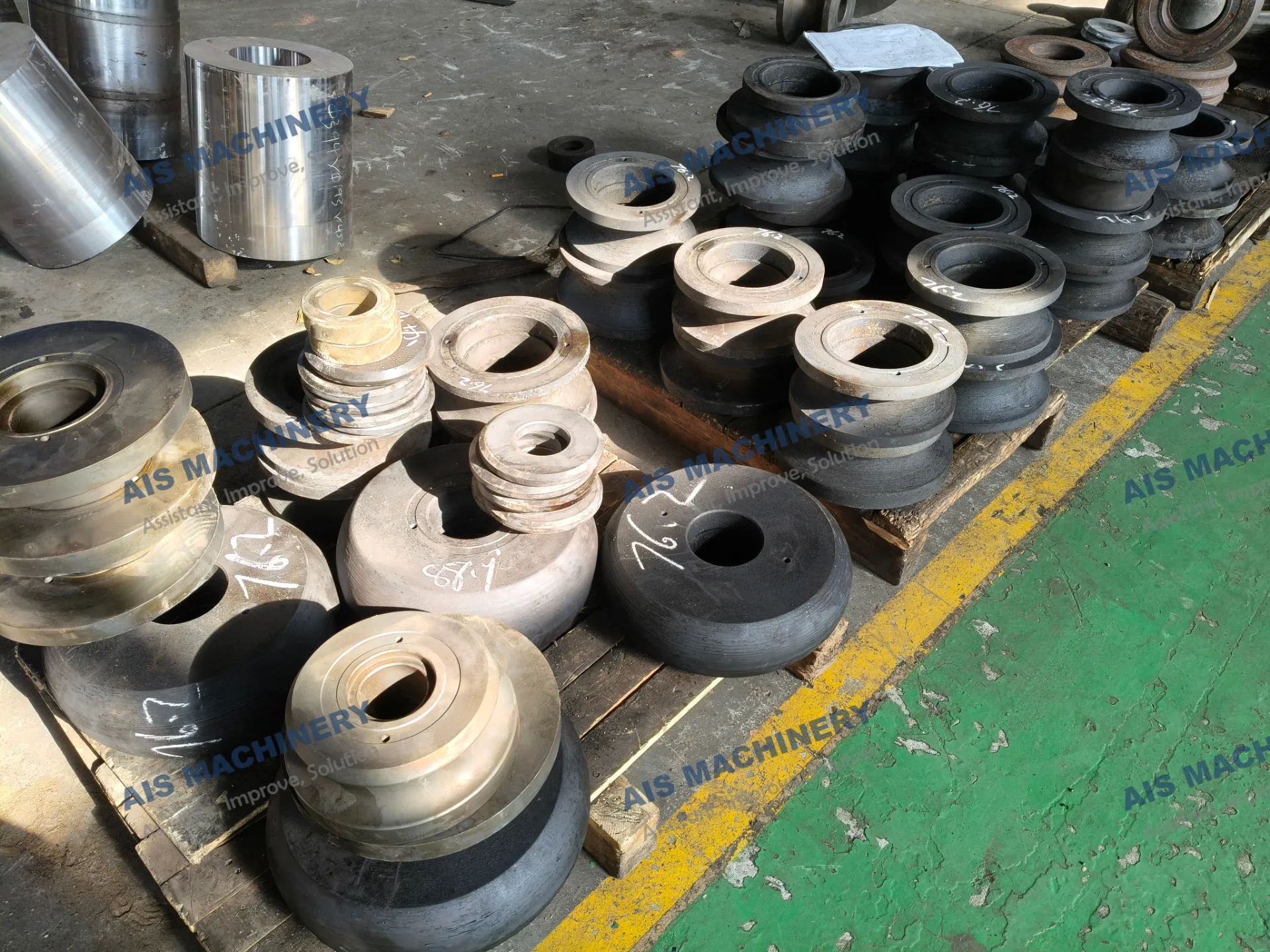
Common Roller Materials
Different applications require different roller materials.
| Material | Features | Suitable Applications |
|---|---|---|
| 45# Steel | Economical, easy machining | Light-duty forming |
| GCr15 Bearing Steel | High hardness, wear resistance | Standard roll forming |
| Cr12 / Cr12MoV Tool Steel | Excellent durability | Heavy-duty production |
| D2 Tool Steel | High precision and long life | High-speed forming |
| SKD11 | Excellent wear resistance | Precision profiles |
| Tungsten Carbide Coated Rollers | Ultra-long service life | Stainless steel / abrasive materials |
Most premium roll forming machines use:
GCr15, Cr12MoV, or SKD11, with heat treatment hardness usually reaching HRC 58–62.
This ensures:
- Long service life
- Better wear resistance
- Higher profile consistency
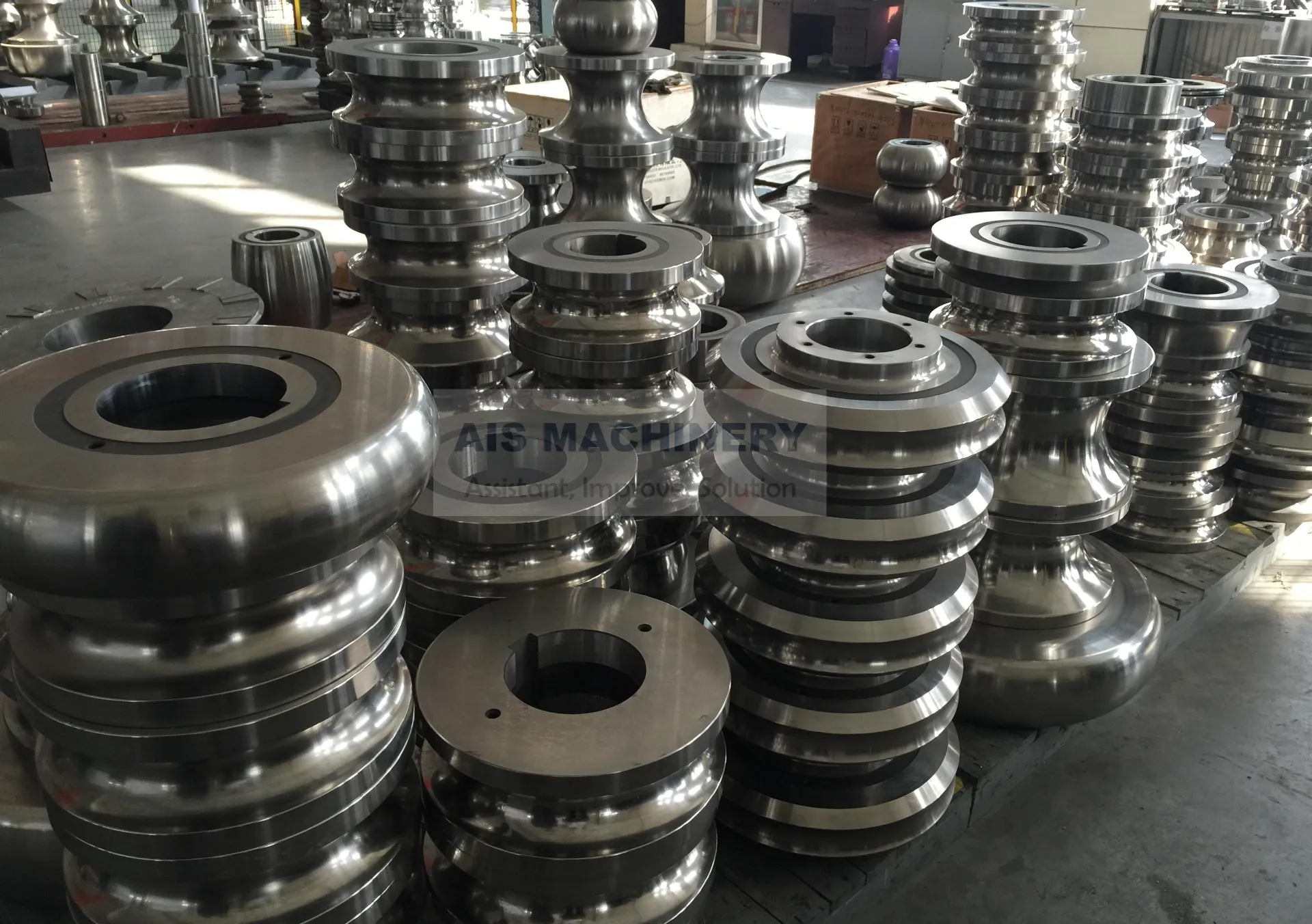
Different Types of Rollers and Their Functions
A complete roll forming line uses several roller types.
Roller Types Comparison Table
| Roller Type | Main Function | Typical Position |
|---|---|---|
| Feeding Roller | Guides strip into line | Entry section |
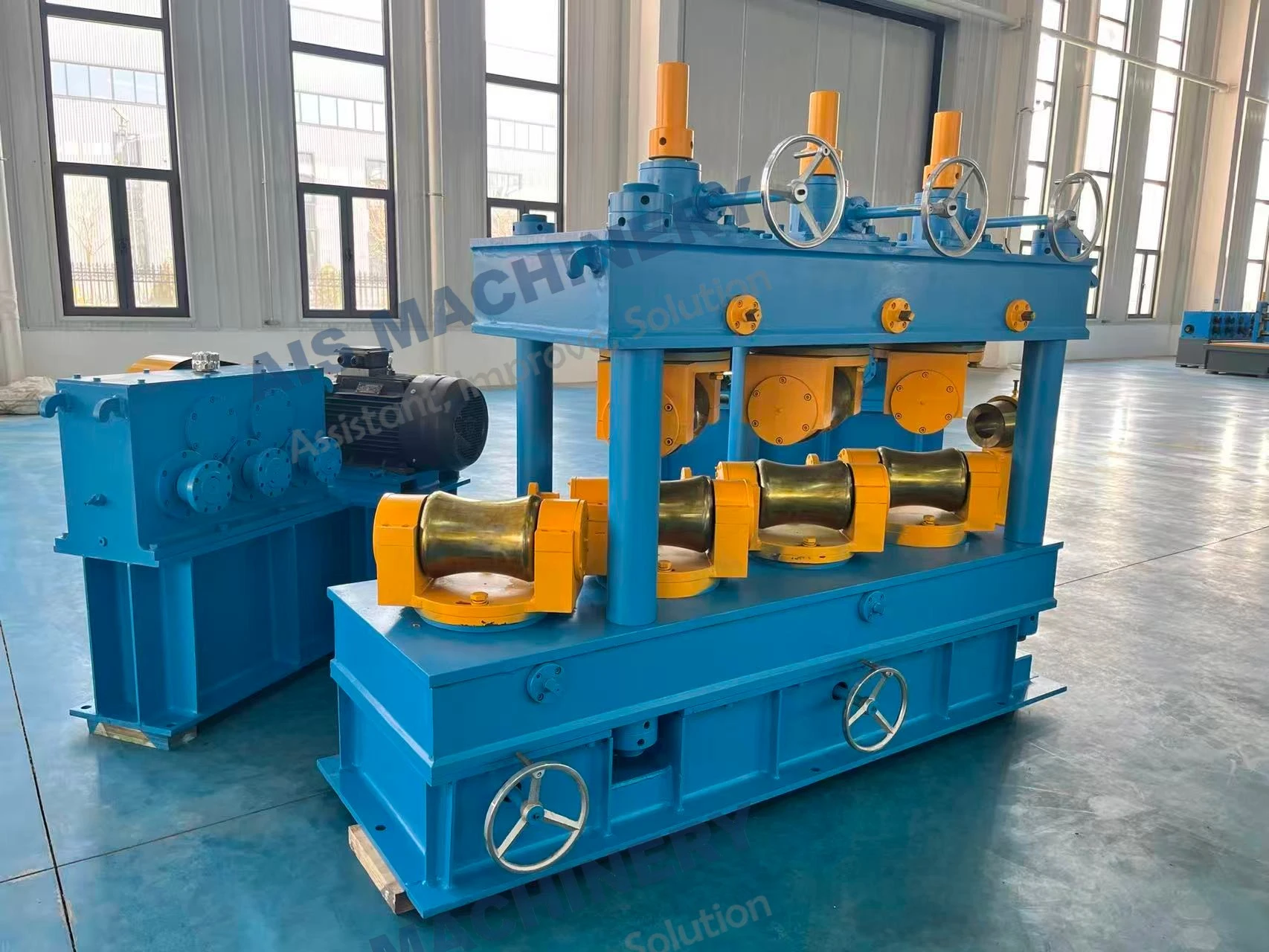
| Pinch Roller / Squeeze Roller | Applies pressure and controls feeding traction | Before forming / welding |
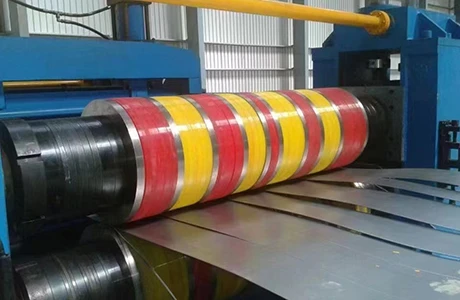
| Leveling Roller | Removes coil memory and flattens strip | Leveling section |
| Forming Roller | Gradually shapes material | Main forming stations |
| Side Roller | Controls edge accuracy | Side correction area |
| Vertical Roller | Adjusts height alignment | Vertical guiding |
| Sizing Roller | Final profile calibration | Finishing section |
| Straightening Roller | Corrects final shape | Exit section |
| Embossing Roller | Adds surface pattern/logo | Optional process |
| Cutting Support Roller | Stabilizes profile before cutting | Cutting section |
How to Choose the Right Rollers
Choosing rollers depends on several factors.
1. Material Type
Different metals need different roller hardness.
Examples:
- GI / PPGI → Standard hardened rollers
- Stainless steel → High wear-resistant tooling
- High-strength steel → Cr12MoV / SKD11 preferred
- Aluminum → Smooth polished surface required
2. Material Thickness
Thicker material requires:
- Stronger roller body
- Better shaft support
- Higher forming pressure capacity
Thin material needs:
- Higher surface precision
- Better anti-scratch treatment
3. Production Speed
For high-speed lines:
Choose:
- Precision-balanced rollers
- High wear resistance
- Excellent heat treatment stability
4. Product Accuracy Requirement
If your product requires tight tolerances:
Choose:
- CNC precision-machined rollers
- Fine polishing
- Strict hardness control
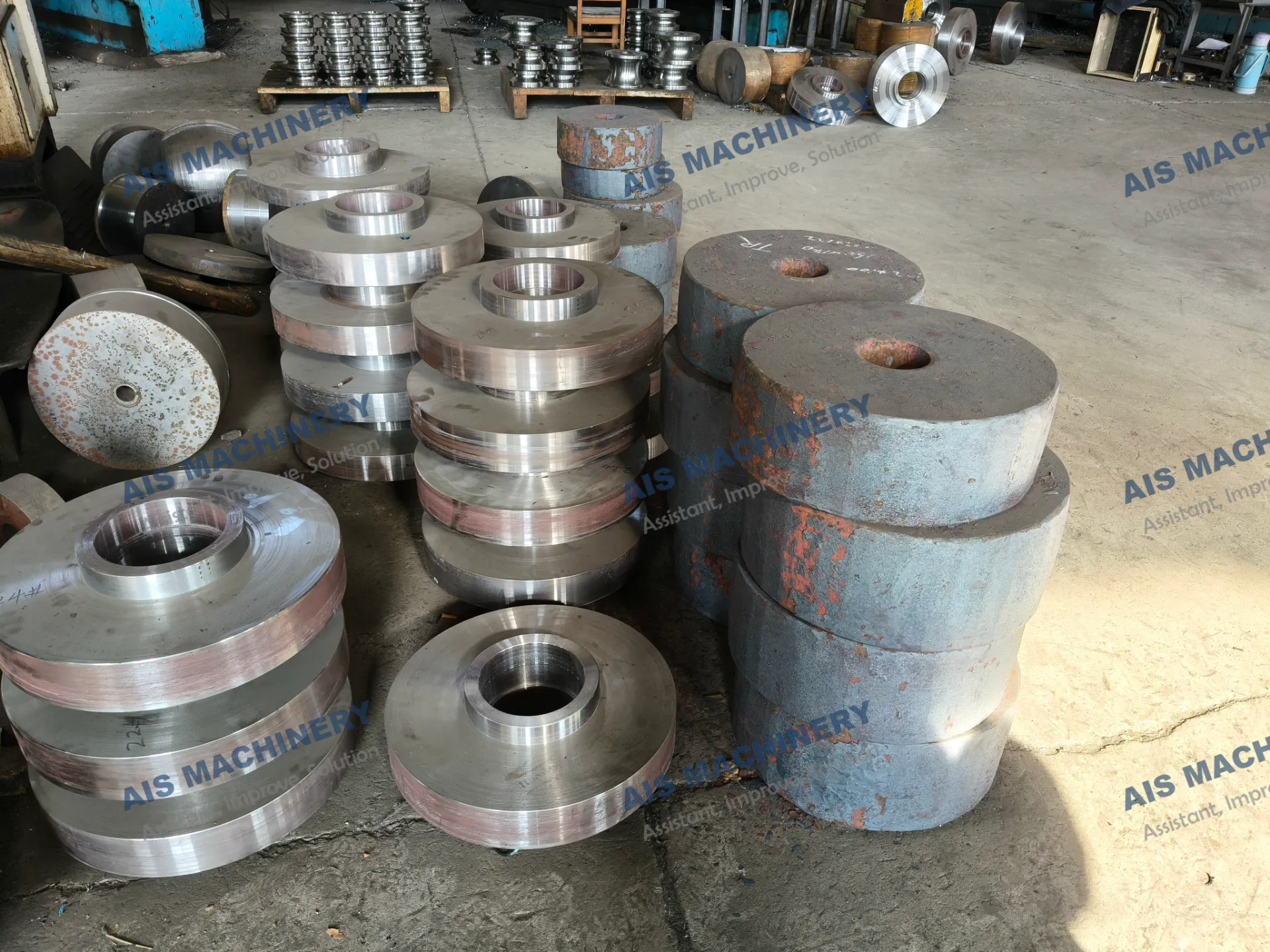
5. Expected Tooling Life
For long-term industrial production:
Recommended:
- SKD11
- D2
- Carbide-coated rollers
Higher initial cost, but much lower lifetime cost.
Why Roller Surface Treatment Matters
Professional roller surface finishing improves performance.
Common treatments:
- Hard chrome plating
- Mirror polishing
- Nitriding
- Black oxidation
- Carbide coating
Benefits:
- Reduced friction
- Better corrosion resistance
- Less scratching
- Longer service life
Drawing Support for Accurate Roller Machining
For roller processing, it is best to provide detailed drawings. This allows us to machine the rollers more accurately according to the exact dimensions and technical requirements, ensuring better fitting, higher forming precision, and smoother production performance.
 Pervious
This is the first article
Related Products

Related News
2027-05-19 00:00:00
Roll Forming Rollers: Types, Materials and How to Choose the Right One
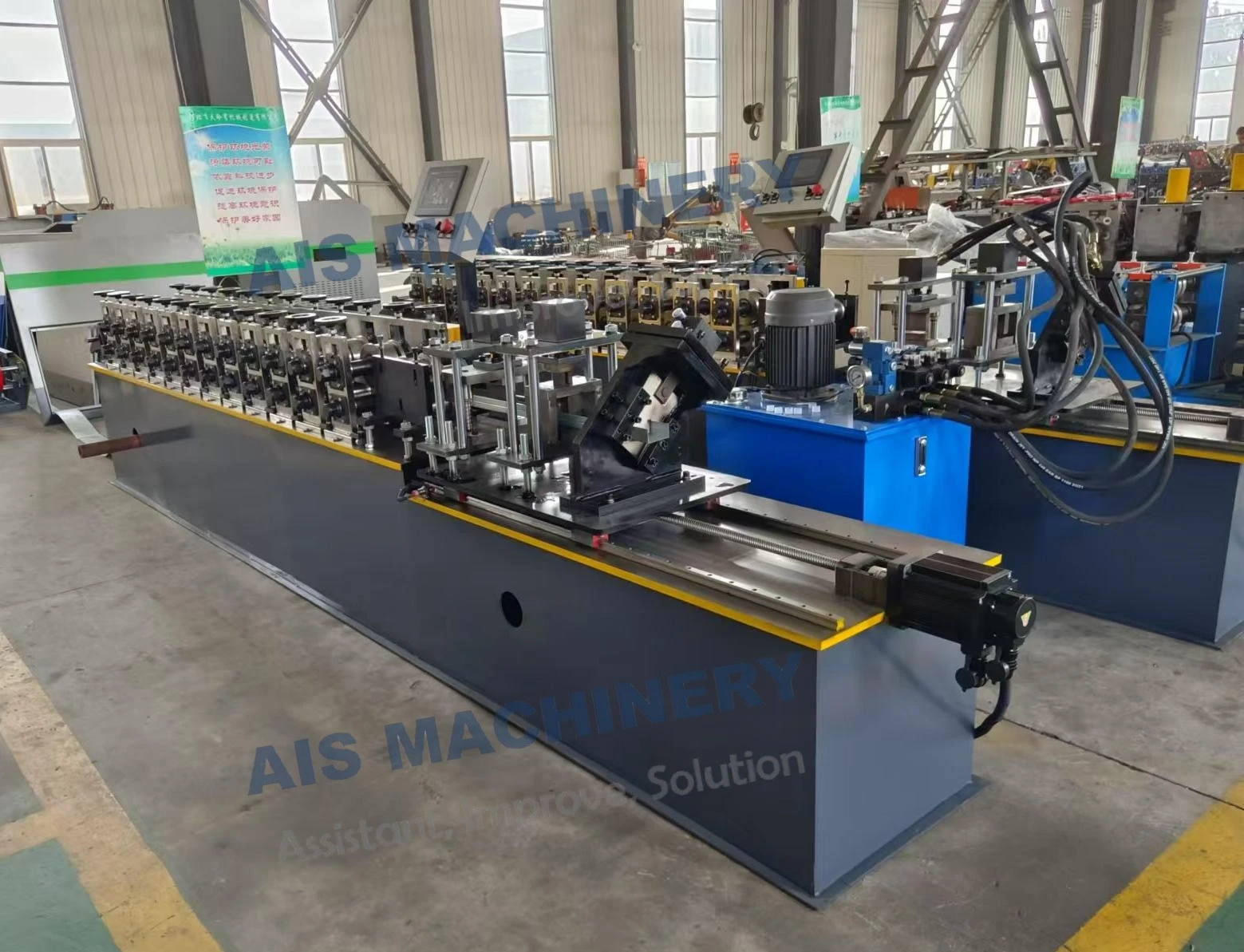
Roll forming rollers are critical components that directly affect profile accuracy, production speed, and machine durability. Different roller materials, hardness levels, and designs serve different forming applications, from light-gauge steel to heavy-duty industrial profiles. Understanding roller types such as squeeze rollers, forming rollers, and sizing rollers helps manufacturers improve production efficiency and reduce maintenance costs while ensuring long-term stable performance.
2026-05-14 00:00:00
CU Profile Roll Forming Machine Manufacturer & Production Line Solution
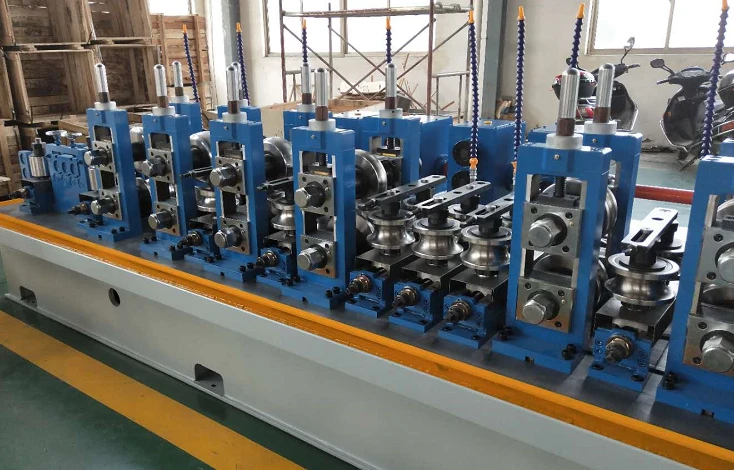
In modern metal processing, efficiency and precision are critical. The CU Profile Roll Forming Machine is designed to produce high-quality C and U steel profiles continuously and automatically, helping manufacturers improve productivity while maintaining stable product accuracy.
2026-05-13 10:09:29
Small Diameter Tube Mill Is Becoming More Popular in the Market
Our small diameter tube mill is designed for efficient and continuous production. It combines advanced forming, welding, sizing, and cutting technology to produce high-quality steel tubes with excellent accuracy.
2026-05-07 10:20:02
How to Choose the Right External Burr Scraper Blade
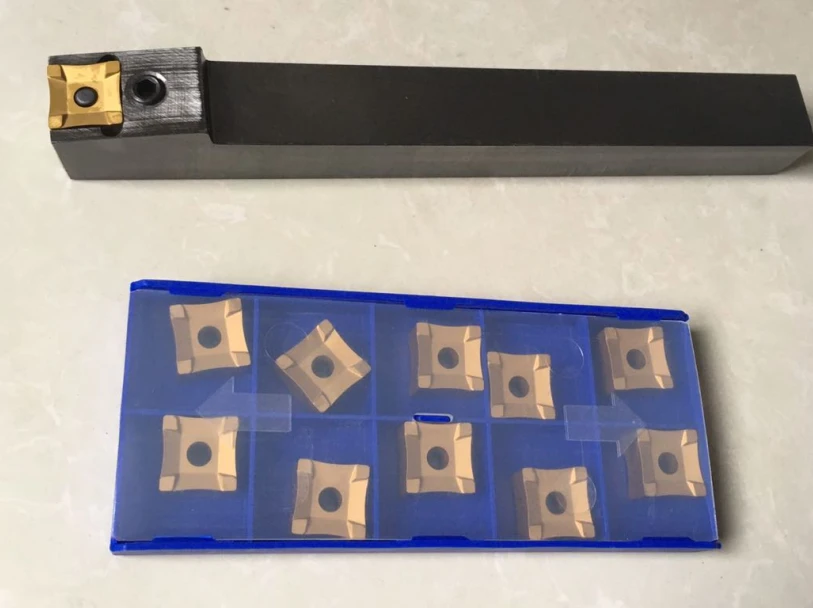
Learn about external burr scraper blade types used in ERW tube mills, including four-sided and six-sided scraper blades. Discover their working principle, applications, advantages, and how they improve steel pipe surface quality and production efficiency.
2026-05-06 10:16:16
HF Welder for ERW Tube Mill: Types, IGBT vs SiC & Selection Guide
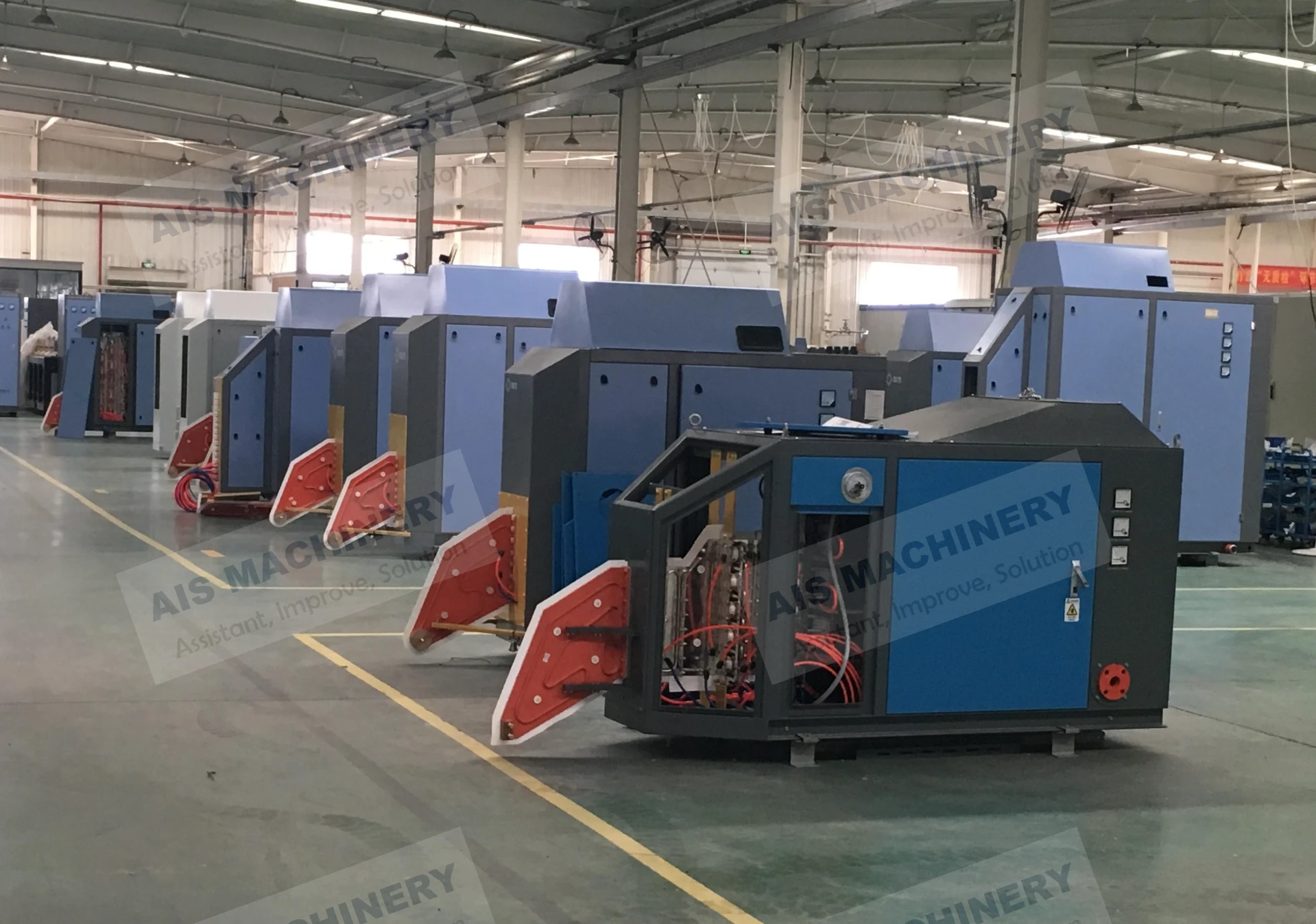
Looking for a reliable HF welder for your ERW tube mill? Compare solid state (IGBT), SiC, and traditional vacuum tube types in terms of performance, efficiency, and cost. This guide helps you choose the best solution for your production needs. Boost weld strength, reduce downtime, and save energy with a high-performance HF welding system designed for modern steel pipe manufacturing.
2026-04-30 09:35:04
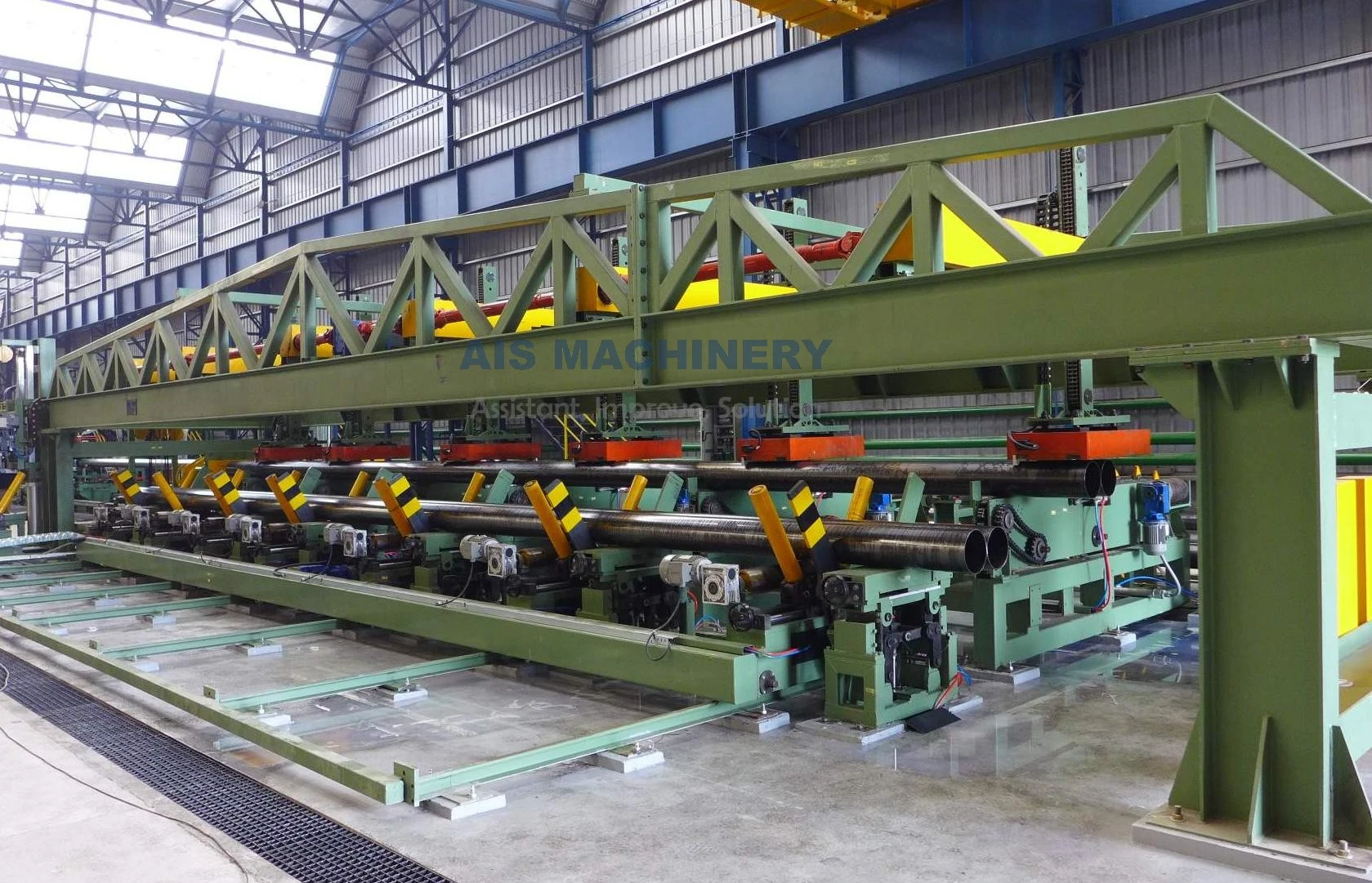
Automatic Stacking Machine (Magnetic Chuck Type)
The Automatic Stacking Machine (Magnetic Chuck Type) from AIS Machinery is designed to efficiently collect and stack steel tubes in ERW tube mill production lines. Using electromagnetic lifting, it can pick up multiple tubes at once and place them neatly in layers. This reduces manual labor, improves stacking accuracy, and increases overall production efficiency. It is installed after the flying saw and works seamlessly with the mill line, making it an ideal solution for modern tube manufacturers.
2026-04-28 08:56:05
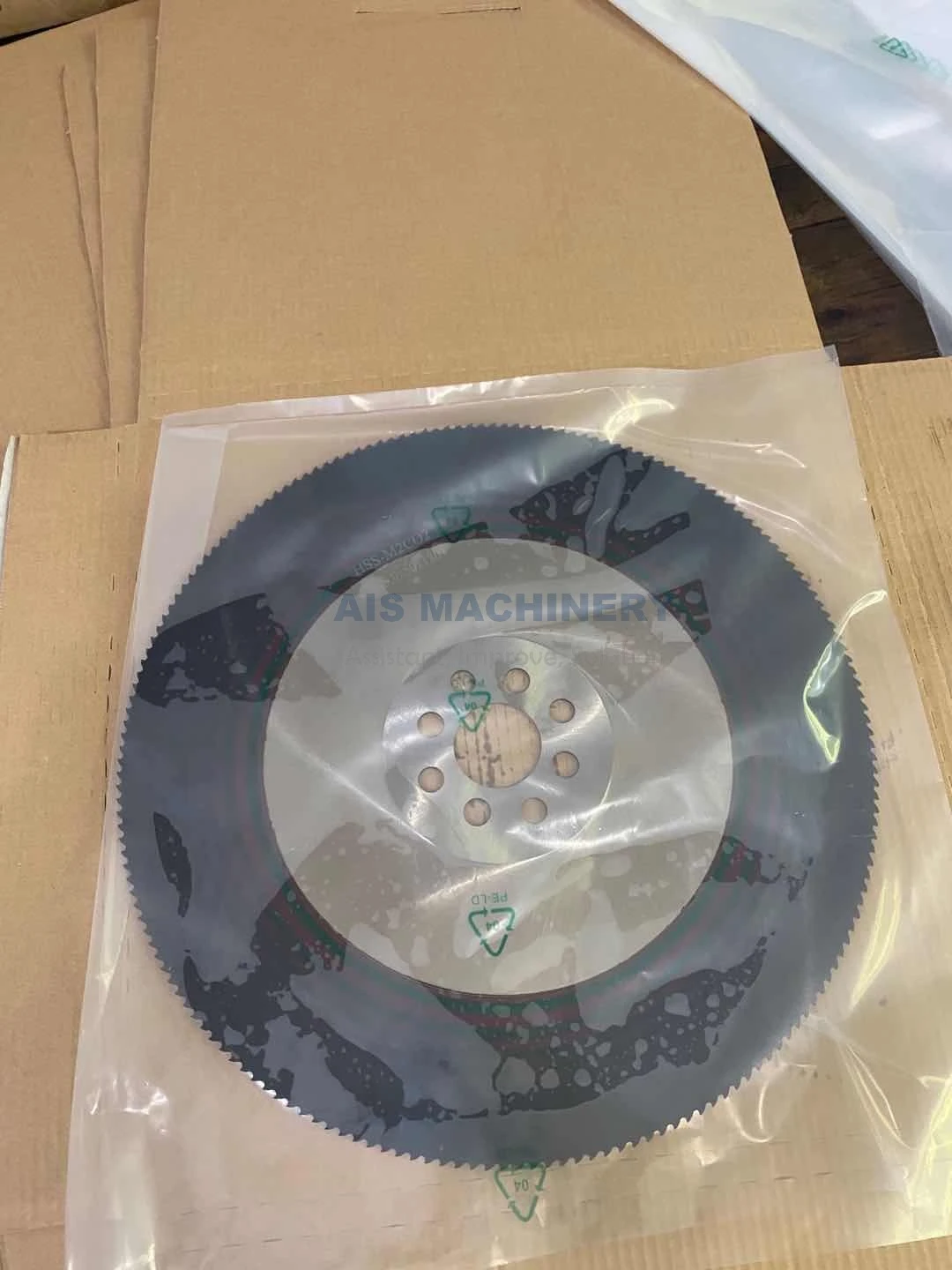
Saw Blade Guide for Tube Mills: Friction vs HSS vs TCT — Which One Should You Choose?
Confused about friction saw, HSS, and TCT blades? This guide explains their uses in cold saw and friction saw machines, with pros, cons, and expert selection tips.
2026-04-24 08:54:16
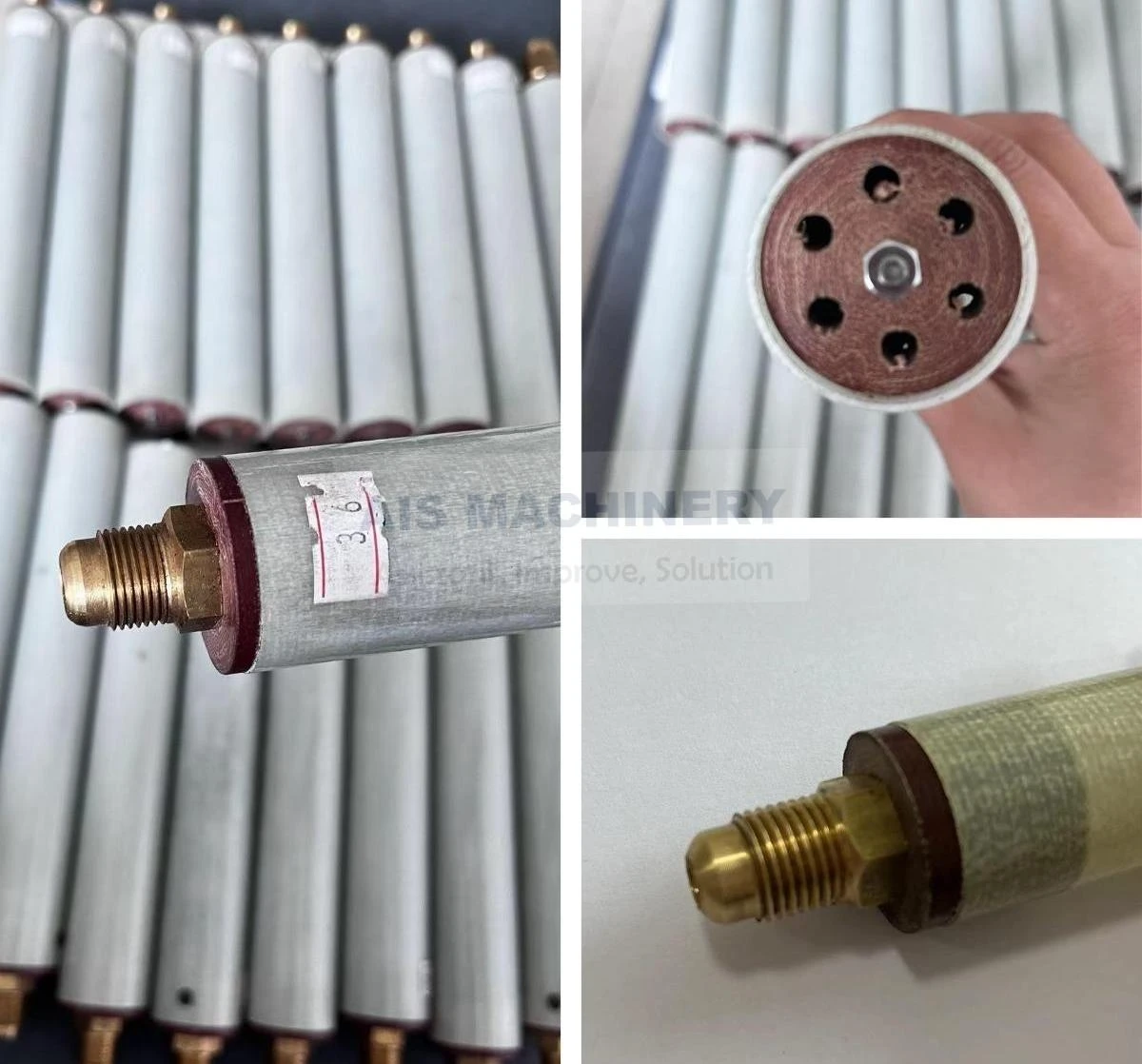
What is an Impeder and Ferrite Rods in ERW Tube Mill?
Struggling with impeder overheating or short service life in your ERW tube mill? This guide explains common impeder problems, the role of ferrite rods, and how to choose the right impeder for stable welding performance. Improve weld quality, reduce energy loss, and extend equipment lifespan with the right selection and proper cooling solutions.
Send a Message
Dear customer, thank you for your attention! We provide high-quality machinery and equipment and look forward to your orders. Please inform us of your needs and we will respond quickly!
 English
  Albanian
  Arabic
  French
  German
  Indonesian
  Italian
  Japanese
  Kazakh
  Korean
  Latin
Latin  Macedonian
  Portuguese
  Russian
  Spanish
  Thai
Thai  Turkish
  Ukrainian
  Uzbek
Uzbek