
-
 Tel:86-15176910262
-

Search

Comprehensive Guide to Eddy Current Testers and Their Applications
Mar . 04, 2026 02:55
Understanding Eddy Current Testers: A Comprehensive Guide
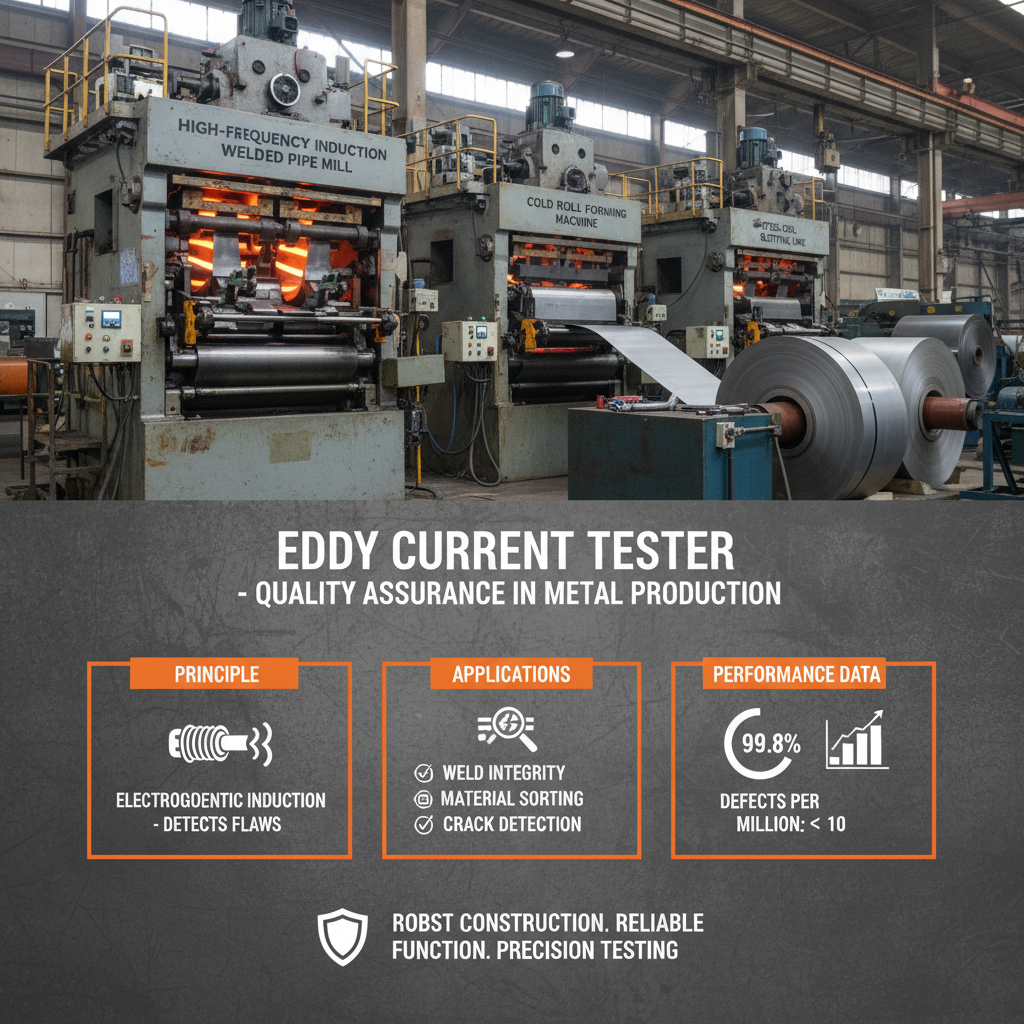
Eddy current testers are vital tools in non-destructive testing (NDT), used to detect flaws and characterize materials without causing damage. They’re employed across diverse industries, from aerospace and automotive to manufacturing and oil & gas. This article provides a detailed overview of eddy current testing (ECT), its principles, applications, benefits, and how AISTubeMill delivers high-quality eddy current testing solutions. Understanding ECT allows for improved quality control, increased safety, and reduced costs. We'll explore how these testers work and their critical role in ensuring product integrity.
The Principles of Eddy Current Testing
Eddy current testing relies on the principle of electromagnetic induction. When an alternating current (AC) flows through a coil, it generates a magnetic field. If a conductive material is brought near this coil, eddy currents—circular electric currents—are induced within the material. These eddy currents, in turn, create their own magnetic field, which interacts with the coil’s field. Changes in material properties (like cracks, variations in conductivity, or permeability) affect the eddy currents, altering the coil's impedance. By measuring these changes, defects or variations in material characteristics can be detected. AISTubeMill's expertise lies in accurately interpreting these subtle changes for reliable results.
Key Highlights: Eddy current testing is a passive method, meaning it doesn't require direct contact with the material, reducing the risk of damage. It’s highly sensitive to surface and near-surface flaws.
Applications of Eddy Current Testers
The versatility of eddy current testers makes them essential in numerous applications. These include detecting surface cracks in aerospace components, measuring coating thickness, sorting metals, inspecting heat exchanger tubes for corrosion, and identifying material defects in automotive parts. They are also used in the oil and gas industry to inspect pipelines and drill pipes. Furthermore, eddy current testing is vital in quality control processes to ensure that manufactured parts meet required specifications. The ability to detect even small flaws makes it a critical tool for maintaining safety and reliability.
Application Benefits:
• Detects surface and near-surface defects
• Measures coating thickness accurately
• Sorts metals based on conductivity
• Suitable for a wide range of conductive materials
Choosing the Right Eddy Current Tester
Selecting the appropriate eddy current tester depends on the specific application and material being inspected. Factors to consider include the frequency of the eddy currents, the type of probe used, and the desired sensitivity. Different probes are designed for various geometries and defect types. AISTubeMill provides guidance and expertise in selecting the optimal equipment for your needs. We offer a range of testers, from portable handheld devices to sophisticated automated systems.
Benefits of Using AISTubeMill's Eddy Current Testing Services
Partnering with AISTubeMill for your eddy current testing needs provides several advantages. We offer a team of certified and experienced technicians, state-of-the-art equipment, and a commitment to delivering accurate and reliable results. Our services help ensure compliance with industry standards, reduce the risk of failures, and extend the lifespan of your assets. We can perform on-site inspections or analyze samples in our fully equipped laboratory.
The Future of Eddy Current Testing
The field of eddy current testing is constantly evolving with advancements in technology. New probe designs, improved data analysis software, and the integration of artificial intelligence (AI) are enhancing the capabilities of ECT. AI algorithms can now automatically detect and classify defects with greater accuracy and speed. AISTubeMill is committed to staying at the forefront of these advancements, providing our clients with the most effective and efficient testing solutions available.
Conclusion: Ensuring Quality and Safety with Eddy Current Testing
Investing in reliable eddy current testing is crucial for maintaining quality, ensuring safety, and reducing costs. AISTubeMill provides comprehensive solutions, from expert technicians and state-of-the-art equipment to a commitment to staying at the forefront of technological advancements. Don't compromise on the integrity of your assets – choose AISTubeMill for all your eddy current testing needs.
Frequently Asked Questions (FAQs)
What materials can be inspected using eddy current testing?
Eddy current testing is primarily used for inspecting conductive materials. This includes metals like aluminum, copper, steel, and titanium. However, it's not effective for non-conductive materials like plastics or ceramics. The effectiveness also depends on the material's conductivity and permeability. AISTubeMill has expertise in assessing material suitability for ECT and ensuring accurate results. The conductivity of the material directly affects the depth of penetration of the eddy currents, impacting the ability to detect subsurface flaws.
What are the limitations of eddy current testing?
While highly effective, ECT has limitations. It’s primarily a surface inspection technique, meaning it’s less sensitive to defects deep within the material. The lift-off distance – the gap between the probe and the surface – can significantly affect accuracy. Also, variations in material properties or surface conditions can create false signals. Skilled technicians at AISTubeMill are trained to identify and mitigate these limitations.
How often should eddy current testing be performed?
The frequency of eddy current testing depends on the application, the criticality of the component, and the operating environment. For critical components in high-stress applications, regular, scheduled inspections are essential. For example, heat exchanger tubes in a chemical plant might be inspected annually or semi-annually. AISTubeMill can help develop a customized inspection plan based on your specific needs and risk assessment.
What is the difference between absolute and comparative eddy current testing?
Absolute eddy current testing measures the impedance of the coil directly, providing information about the material's conductivity and permeability. Comparative eddy current testing compares the signal from the test piece to a reference standard. This method is often used to detect surface cracks or variations in material thickness. AISTubeMill technicians are proficient in both methods and select the most appropriate technique for each application.

Related Products
Related News
2027-05-19 00:00:00
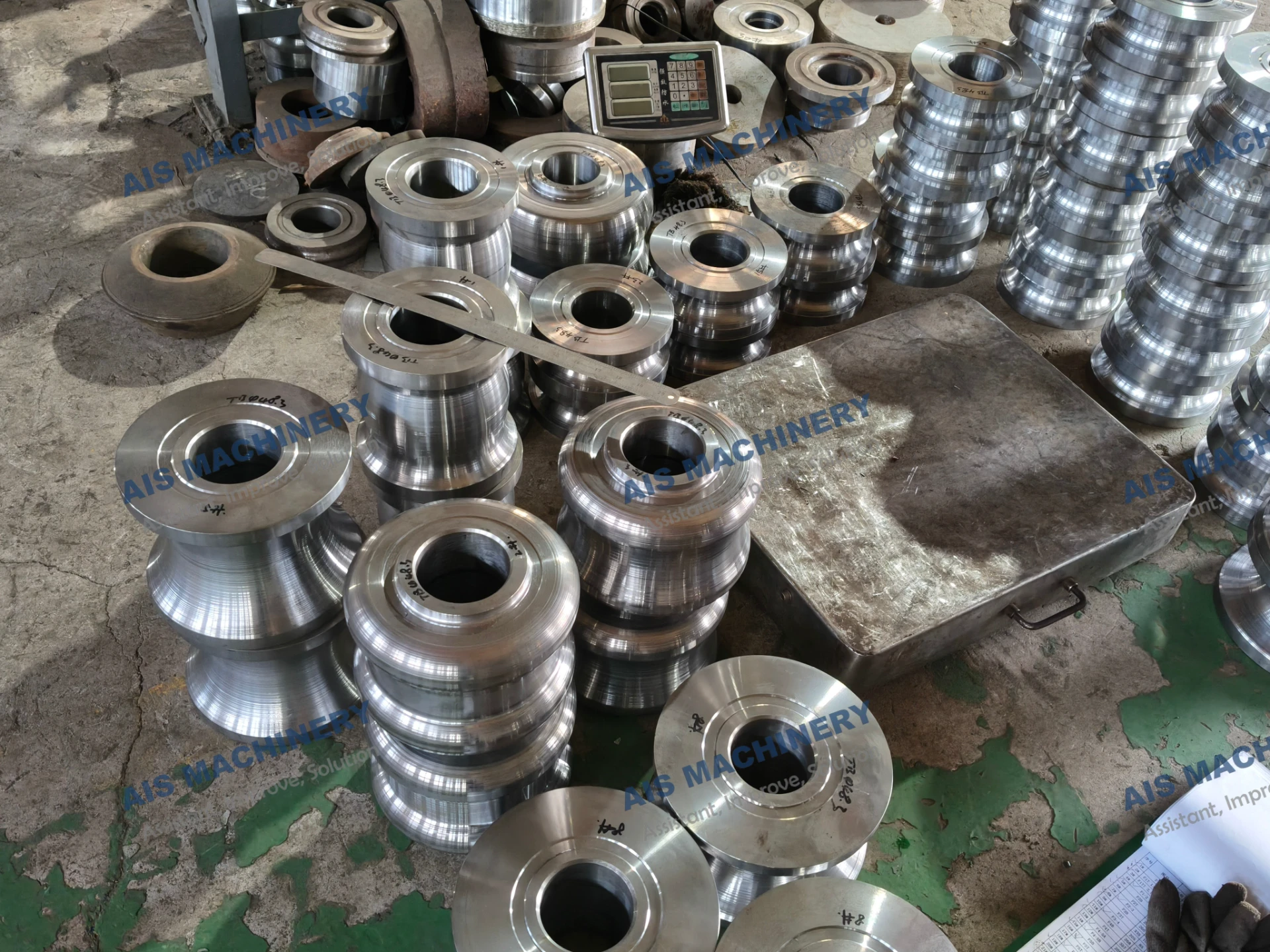
Roll Forming Rollers: Types, Materials and How to Choose the Right One
Roll forming rollers are critical components that directly affect profile accuracy, production speed, and machine durability. Different roller materials, hardness levels, and designs serve different forming applications, from light-gauge steel to heavy-duty industrial profiles. Understanding roller types such as squeeze rollers, forming rollers, and sizing rollers helps manufacturers improve production efficiency and reduce maintenance costs while ensuring long-term stable performance.
2026-05-14 00:00:00
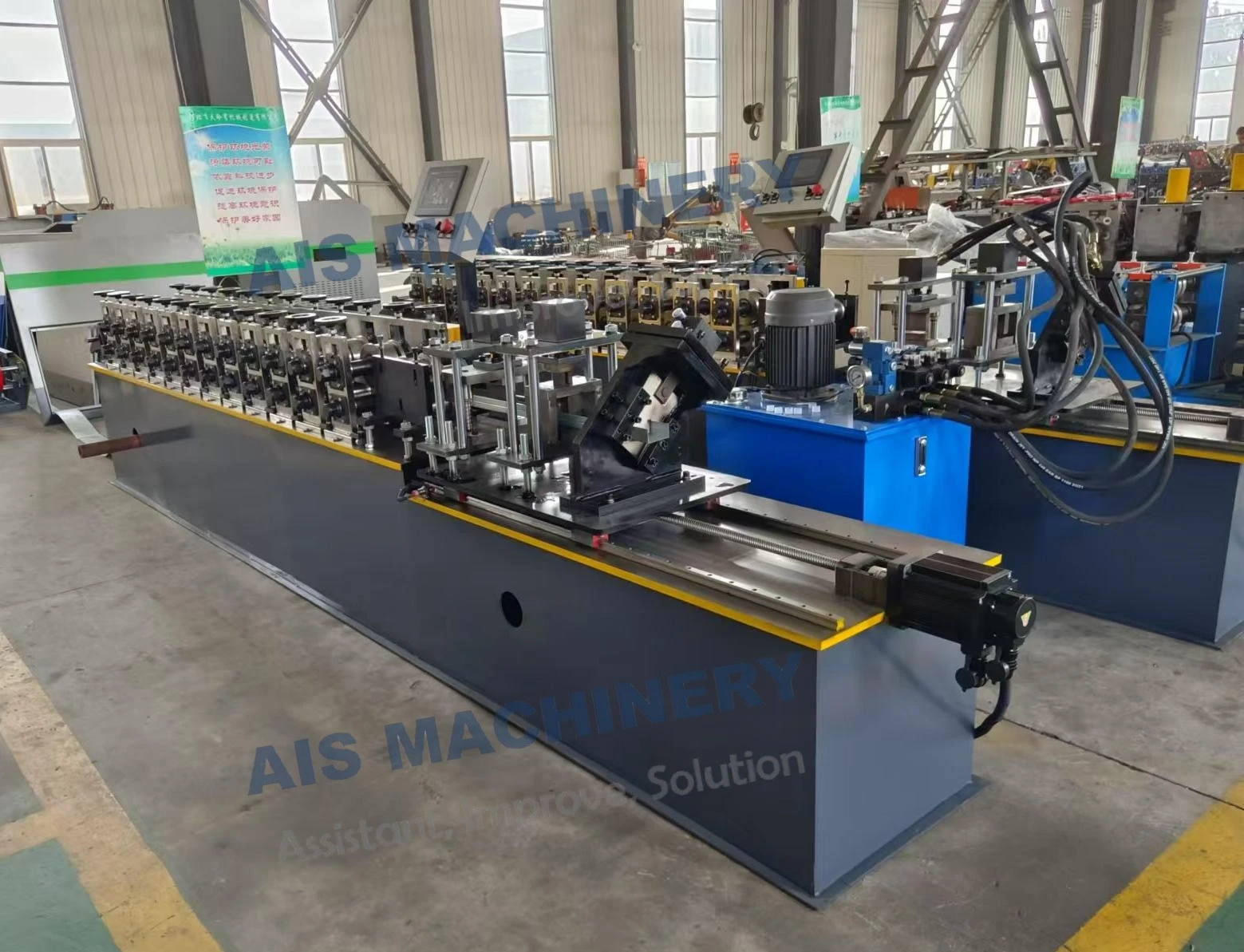
CU Profile Roll Forming Machine Manufacturer & Production Line Solution
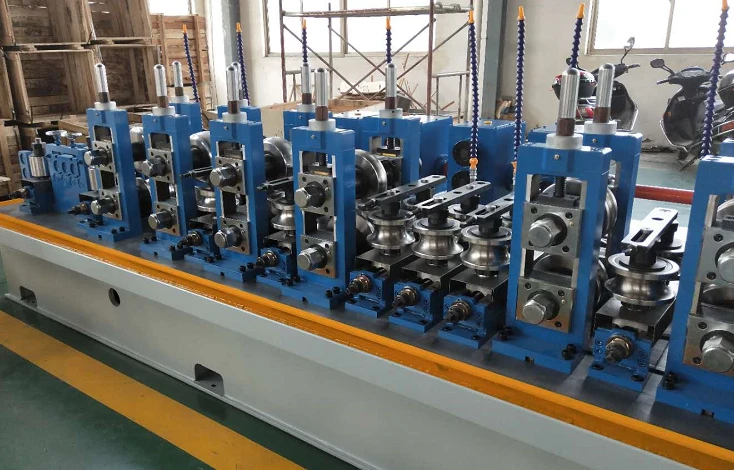
In modern metal processing, efficiency and precision are critical. The CU Profile Roll Forming Machine is designed to produce high-quality C and U steel profiles continuously and automatically, helping manufacturers improve productivity while maintaining stable product accuracy.
2026-05-13 10:09:29
Small Diameter Tube Mill Is Becoming More Popular in the Market
Our small diameter tube mill is designed for efficient and continuous production. It combines advanced forming, welding, sizing, and cutting technology to produce high-quality steel tubes with excellent accuracy.
2026-05-07 10:20:02
How to Choose the Right External Burr Scraper Blade
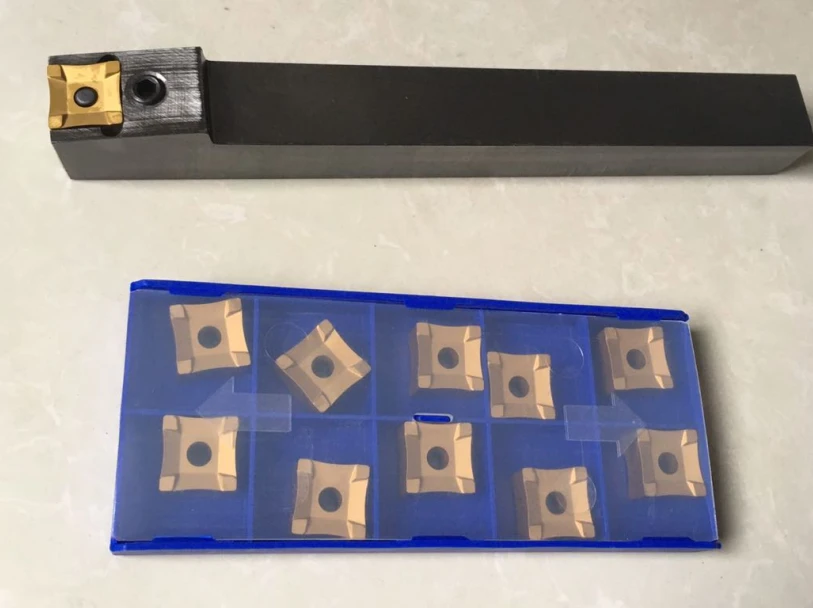
Learn about external burr scraper blade types used in ERW tube mills, including four-sided and six-sided scraper blades. Discover their working principle, applications, advantages, and how they improve steel pipe surface quality and production efficiency.
2026-05-06 10:16:16
HF Welder for ERW Tube Mill: Types, IGBT vs SiC & Selection Guide
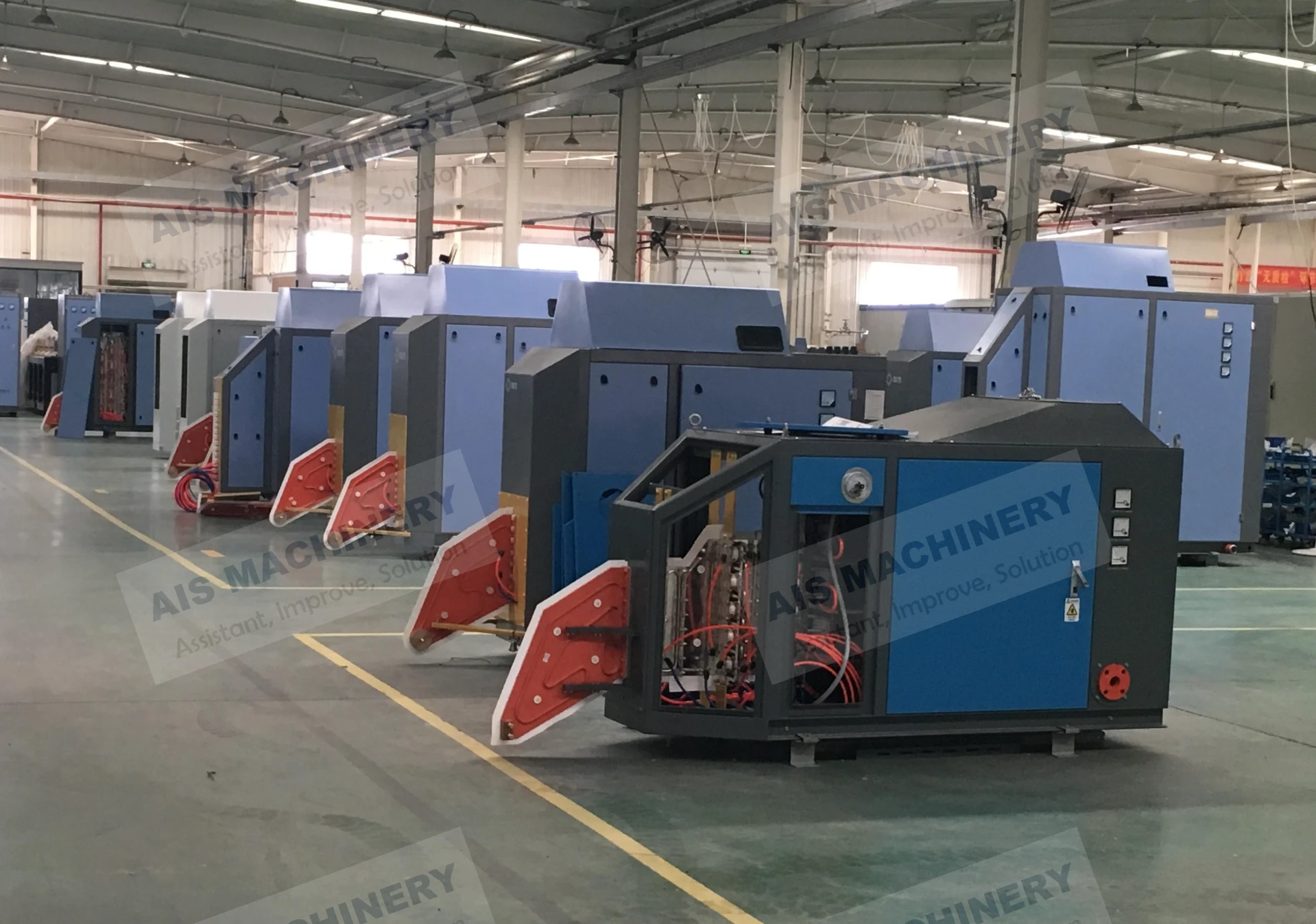
Looking for a reliable HF welder for your ERW tube mill? Compare solid state (IGBT), SiC, and traditional vacuum tube types in terms of performance, efficiency, and cost. This guide helps you choose the best solution for your production needs. Boost weld strength, reduce downtime, and save energy with a high-performance HF welding system designed for modern steel pipe manufacturing.
2026-04-30 09:35:04
Automatic Stacking Machine (Magnetic Chuck Type)
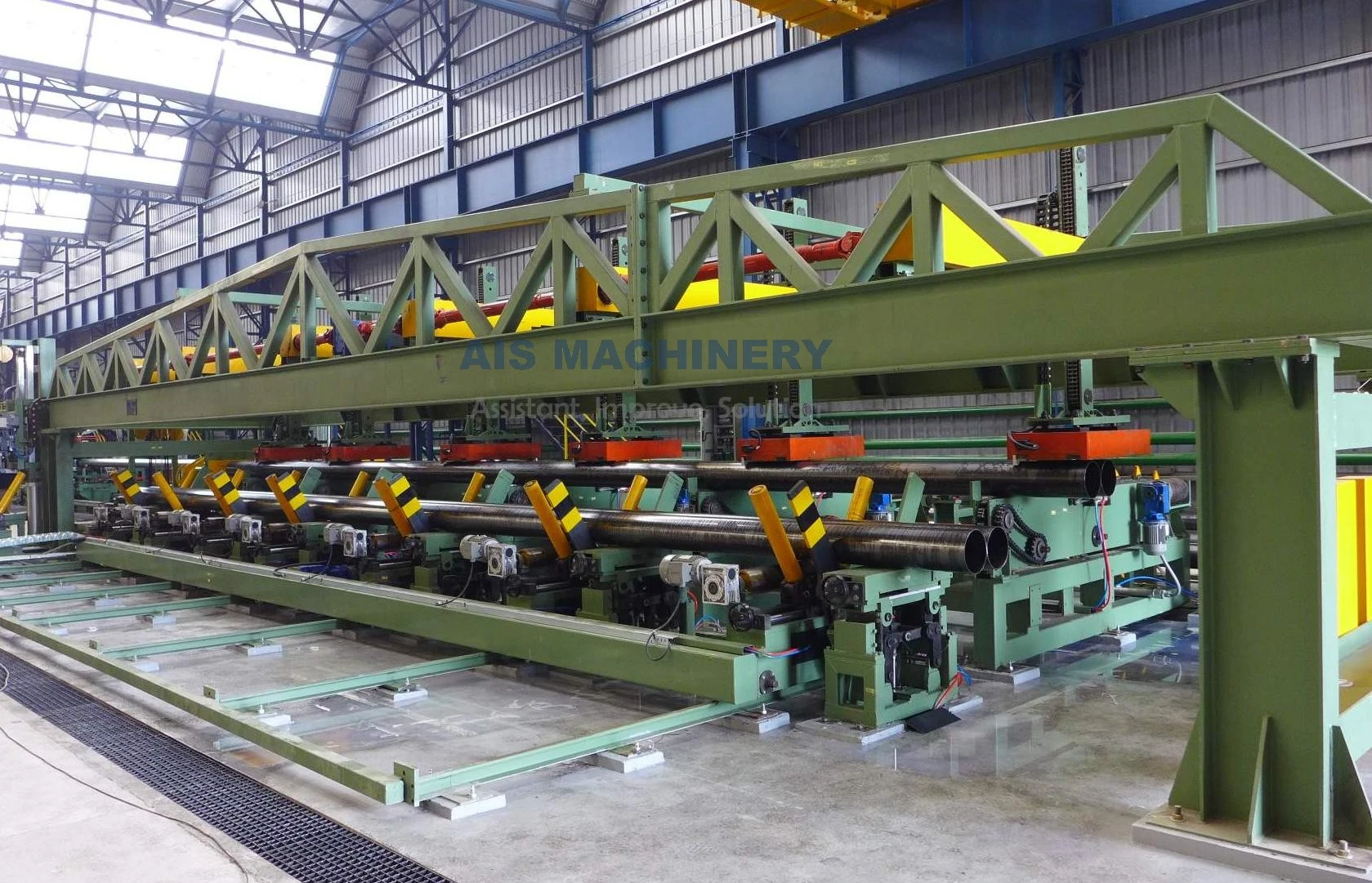
The Automatic Stacking Machine (Magnetic Chuck Type) from AIS Machinery is designed to efficiently collect and stack steel tubes in ERW tube mill production lines. Using electromagnetic lifting, it can pick up multiple tubes at once and place them neatly in layers. This reduces manual labor, improves stacking accuracy, and increases overall production efficiency. It is installed after the flying saw and works seamlessly with the mill line, making it an ideal solution for modern tube manufacturers.
2026-04-28 08:56:05
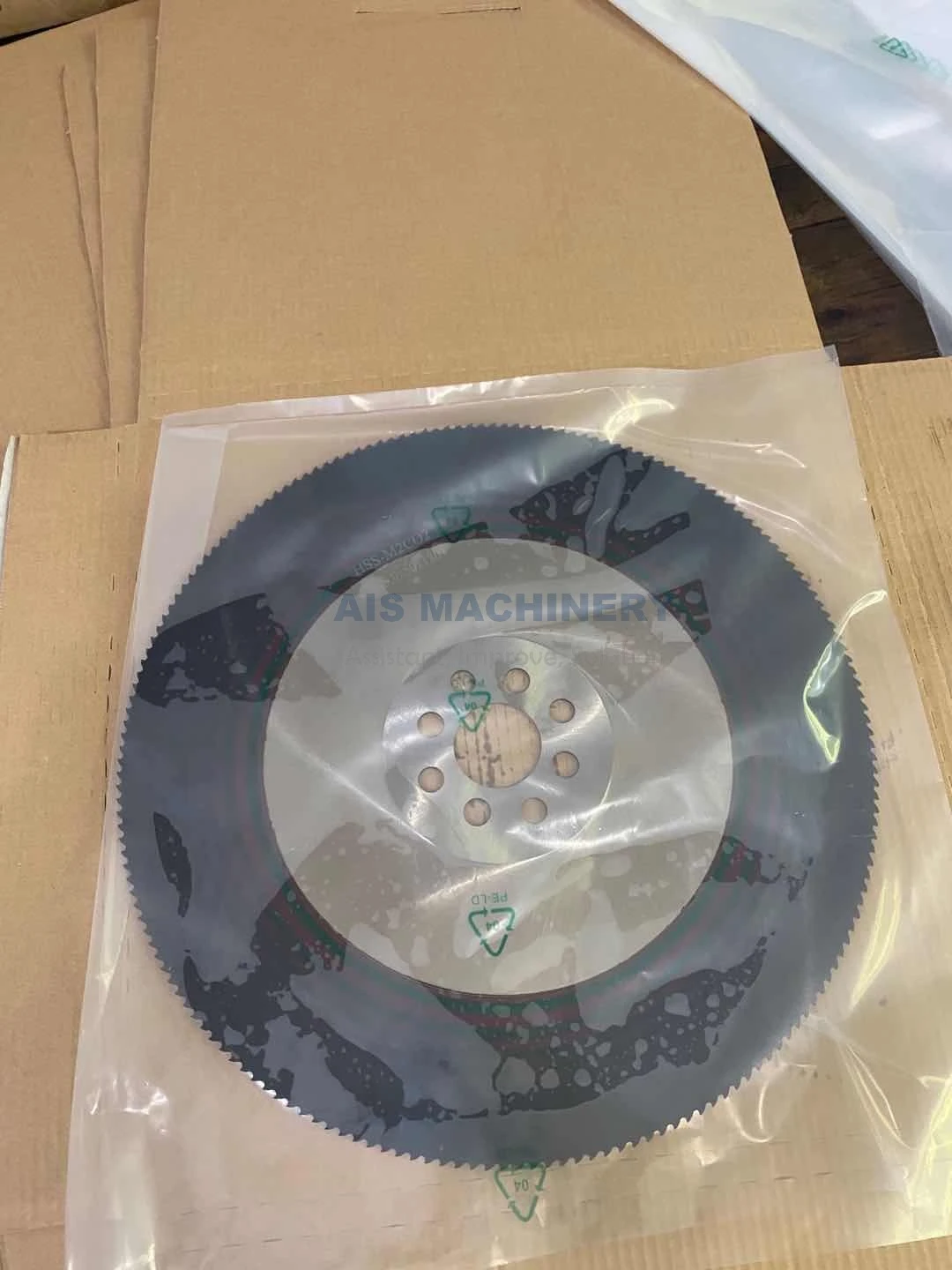
Saw Blade Guide for Tube Mills: Friction vs HSS vs TCT — Which One Should You Choose?
Confused about friction saw, HSS, and TCT blades? This guide explains their uses in cold saw and friction saw machines, with pros, cons, and expert selection tips.
2026-04-24 08:54:16
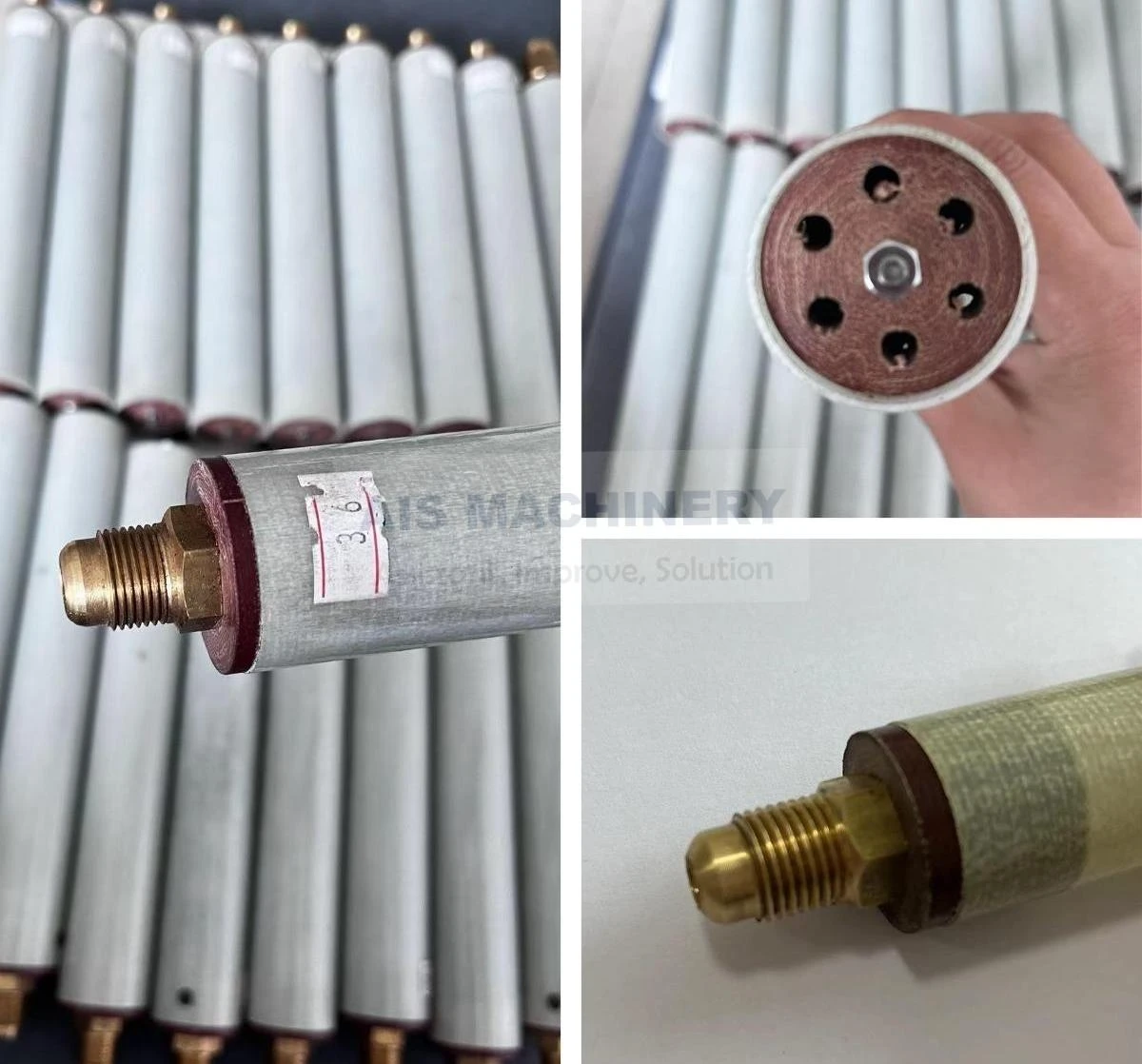
What is an Impeder and Ferrite Rods in ERW Tube Mill?
Struggling with impeder overheating or short service life in your ERW tube mill? This guide explains common impeder problems, the role of ferrite rods, and how to choose the right impeder for stable welding performance. Improve weld quality, reduce energy loss, and extend equipment lifespan with the right selection and proper cooling solutions.
Send a Message
Dear customer, thank you for your attention! We provide high-quality machinery and equipment and look forward to your orders. Please inform us of your needs and we will respond quickly!
 English
  Albanian
  Arabic
  French
  German
  Indonesian
  Italian
  Japanese
  Kazakh
  Korean
  Latin
Latin  Macedonian
  Portuguese
  Russian
  Spanish
  Thai
Thai  Turkish
  Ukrainian
  Uzbek
Uzbek